


Choosing work boots is not only about finding a pair that looks good with work pants. The real question is whether the boot can handle the surfaces, hazards, weather, and hours that come with the job.
That is why many workers comparing men’s Chelsea work boots are looking for more than a clean pull-on profile. They want boots that are easy to wear, comfortable through long shifts, and practical enough for real jobsite conditions.
Chelsea work boots are not the answer for every trade. Some jobs still call for taller lace-up boots, metguard protection, or more aggressive outdoor support. But for many workers, they offer a useful balance of convenience, durability, traction, and everyday comfort.
Pull-On Convenience Helps During Busy Workdays
The slip-on design is the first advantage most workers notice. Chelsea work boots use elastic side panels and pull tabs, making them quicker to put on and remove than traditional lace-up boots.
Chelsea boots also remove the problem of loose or broken laces. On shop floors, loading docks, muddy sites, and maintenance areas, laces can collect grime, snag, or wear out. A pull-on boot keeps the upper cleaner and simpler.
Fit still matters. Because Chelsea boots do not have laces for adjustment, they need a secure heel, stable instep, and enough toe room from the start. If the heel lifts too much or the boot feels loose through the midfoot, convenience quickly turns into a comfort issue.
Lower Bulk Can Make Long Shifts Easier
Not every worker needs a tall, heavy-duty boot every day. Many jobs require durable footwear, but not the extra height or bulk of an eight-inch lace-up boot.
Chelsea work boots can be useful for warehouse crews, electricians, service technicians, maintenance workers, delivery drivers, and light construction workers who spend long hours standing or walking. The lower-profile design can feel less restrictive around the ankle while still offering more coverage than a standard work shoe.
The best choice depends on the work surface. Wedge-style soles may feel better on flat concrete because they spread contact across the sole. Lug soles may be more useful around mud, gravel, slopes, and uneven outdoor areas. A Chelsea work boot should be judged by how well its sole matches the actual workday, not just by how rugged it looks.
Safety Features Should Match the Hazard
Chelsea work boots can come in soft toe, steel toe, composite toe, waterproof, electrical hazard, and slip-resistant styles. The important point is that the feature set should match the hazard.
The OSHA foot protection standard requires protective footwear where workers face risks from falling or rolling objects, objects piercing the sole, or certain electrical hazards. That does not mean every work boot is right for every workplace. It means the boot should fit the hazard assessment and the employer’s PPE requirements.
For impact or compression hazards, workers should check whether the boot includes a safety toe and confirm the product’s ASTM F2413 marking where required. Steel toe styles are often used in heavier work environments where falling tools, materials, or equipment are a concern. Composite toe styles may reduce weight and temperature transfer, which can help workers who spend long shifts on their feet or work in hot or cold conditions.
Soft toe Chelsea work boots can still make sense where toe impact protection is not required. A soft toe boot may be lighter and more flexible for warehouse work, property maintenance, landscaping, driving, or general trade use. The product specs should always guide the purchase.
Slip-Resistant Outsoles Help on Wet and Slick Surfaces
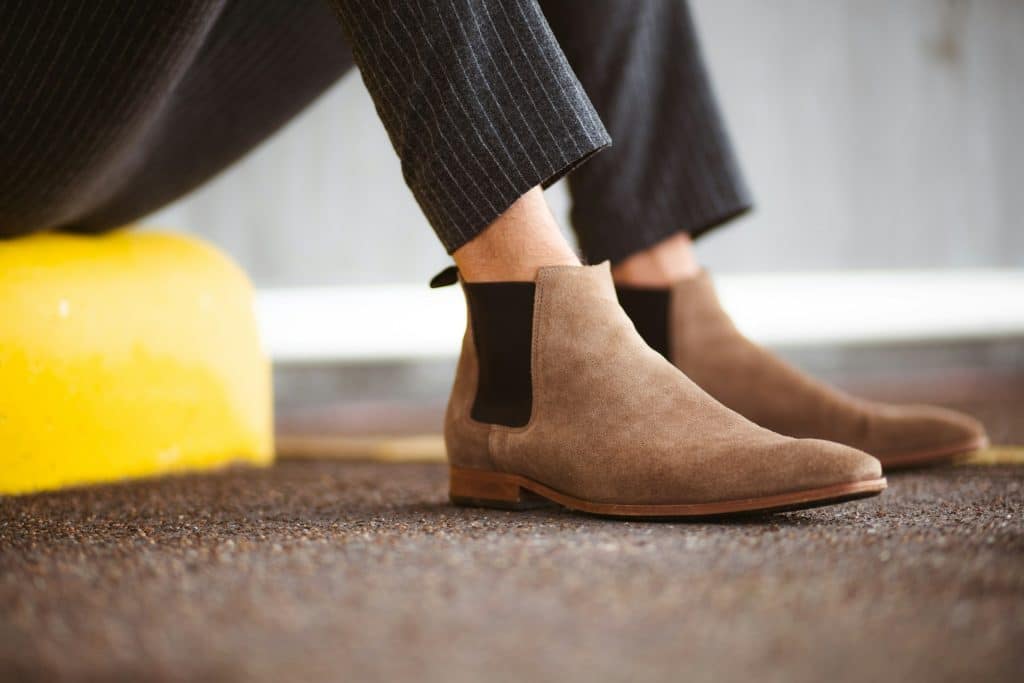
Traction is where work boots separate themselves from ordinary pull-on footwear. A Chelsea work boot used on wet concrete, oily shop floors, washdown areas, loading docks, muddy entrances, or gravel needs an outsole that suits those surfaces.
The Bureau of Labor Statistics reported 2.6 million nonfatal workplace injuries and illnesses among private industry employers in 2023, including 946,500 cases involving days away from work. Footwear alone will not eliminate workplace injuries, but choosing the right outsole is a practical part of reducing risk where slips, trips, and falls are common.
NIOSH guidance on slip, trip, and fall prevention identifies slip-resistant shoes as an important part of a broader prevention program, especially where workers face water, grease, or slippery walking surfaces.
Also check tread wear over time. A slip-resistant outsole loses value when the tread is worn smooth or packed with dirt, mud, food debris, or snow.
Waterproofing Adds Value for Outdoor and Wet Jobs
Waterproof Chelsea work boots can be useful for workers who deal with rain, mud, wet grass, washdowns, irrigation, ranch work, agriculture, or outdoor maintenance. Dry feet are not just about comfort. Wet socks can create rubbing, odor, cold discomfort, and distraction during long shifts.
Still, waterproofing should be chosen based on the job. A waterproof membrane can help in wet conditions, but it may feel warmer than a non-waterproof boot in hot climates or indoor work settings. A worker in Florida landscaping, for example, may prioritize waterproofing differently from a warehouse technician working in a dry facility.
Leather care also matters. Waterproof construction does not mean a boot can be neglected. Mud, salt, chemicals, and repeated soaking can shorten the life of leather and stitching. Cleaning boots after heavy exposure and conditioning leather when appropriate can help preserve the upper.
For outdoor workers, the best waterproof Chelsea boot is not just sealed against moisture. It should also have traction that handles soft ground and a fit that stays secure when the surface gets uneven.
Fit, Width, and Break-In Can Make or Break the Boot
Chelsea work boots depend heavily on fit because there are no laces to fine-tune pressure across the foot. A good fit should hold the heel, support the arch, and leave enough room in the toe box for natural movement.
Workers with wide feet should check available width options before buying. A cramped toe box can cause pressure during long shifts, especially in safety toe boots where the toe cap does not stretch. On the other hand, a boot that is too wide can slide at the heel and create rubbing.
The Canadian Centre for Occupational Health and Safety notes that properly fitting footwear can improve comfort, reduce fatigue, and support safety. It also points out that no footwear has anti-slip properties for every condition, which reinforces the need to match the boot to both the worker and the work environment.
Break-in expectations should also be realistic. Leather Chelsea work boots may feel firm at first, but they should not feel painfully tight. A short break-in period is normal. Numb toes, severe heel rubbing, or pressure across the top of the foot usually means the fit is wrong.
Cleaner Style Without Giving Up Work Function
Chelsea work boots have a cleaner profile than many traditional work boots, which can help workers who move between physical work and customer-facing spaces.
That does not mean style should outrank function. The boot still needs the right toe type, outsole, materials, waterproofing, and safety ratings for the work. The cleaner look is a benefit only when the work features are already in place.
Final Thoughts
Men’s Chelsea work boots are a practical option for workers who want pull-on convenience, lower bulk, dependable traction, and job-ready comfort in one boot.
The best pair depends on the job, the hazard, and the worker’s comfort needs. Check the toe type, outsole, waterproofing, fit, width, and safety markings before buying. A good Chelsea work boot should make the workday easier, not create another problem by lunch.