
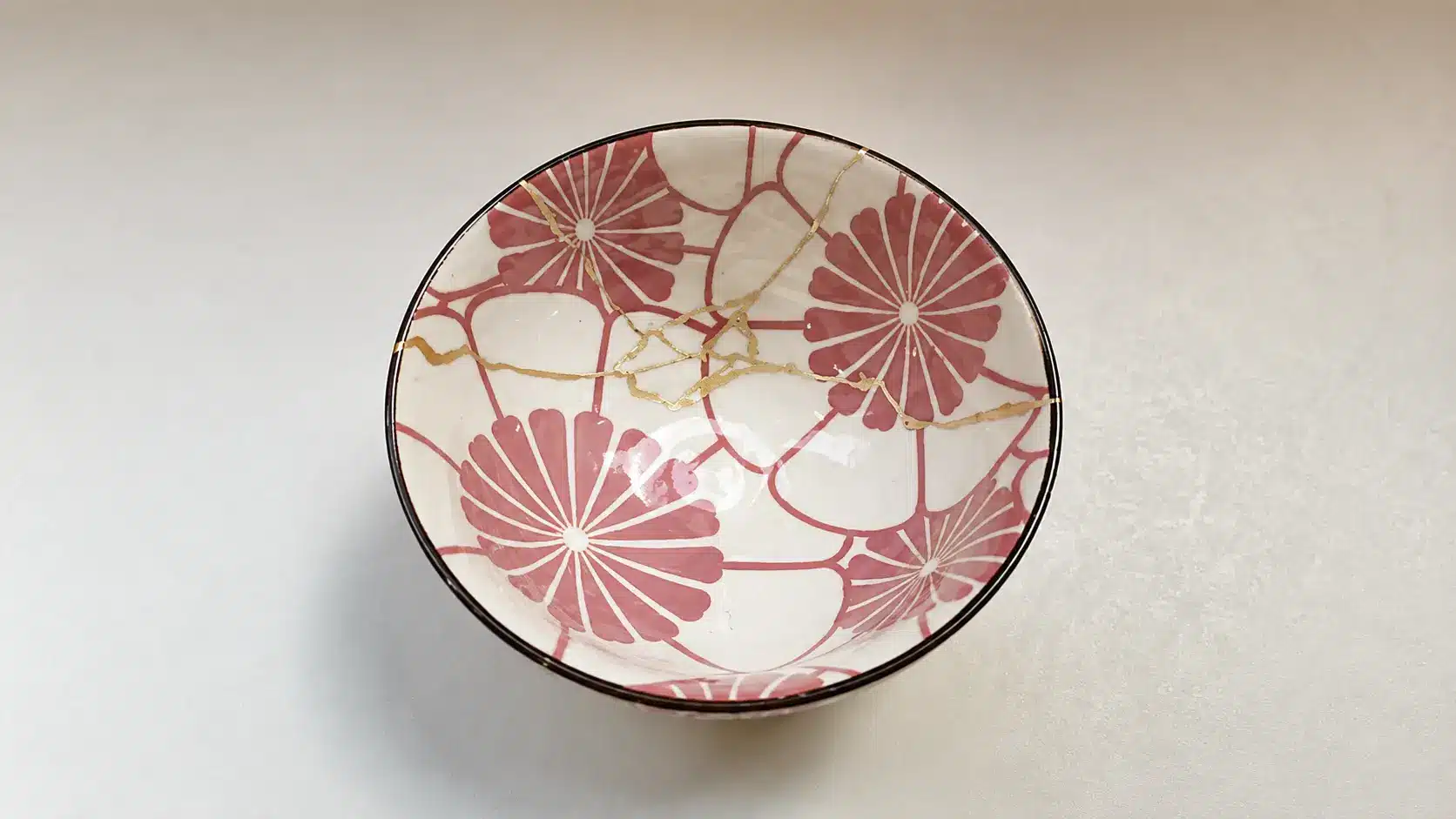

A broken bowl usually ends up in the trash, but Kintsugi art sees cracks differently. Instead of hiding damage, it repairs broken ceramic with thin gold lines, turning the marks into part of the object’s history.
The piece remains visibly repaired, yet it often feels more meaningful because of it.
This idea has lasted for centuries.
Kintsugi is more than a pottery repair method. It reflects a Japanese philosophy of acceptance, patience, and respect for wear and breakage. Even today, people connect with Kintsugi because it feels honest in a world that often values flawless appearances.
What is Kintsugi Art
Kintsugi (金継ぎ, pronounced /kɪnˈtsuːɡɪ/) is a traditional Japanese method of repairing broken pottery with lacquer mixed with powdered gold, silver, or platinum. The word kintsugi means “golden joinery.” It is also known as kintsukuroi 金繕い), meaning “golden repair.”
Instead of hiding cracks, Kintsugi makes them part of the design. Bowls, tea cups, plates, and vases are repaired with care, leaving the damage visible.
This gives each piece a story of both breakage and restoration. Kintsugi is often connected with wabi-sabi, the Japanese idea that values imperfection, age, and simplicity.
Over time, Kintsugi became admired not only for its craftsmanship but also for the meaning behind its repairs.
Three Types of Kintsugi Repair
Not every Kintsugi repair looks the same. Over time, different repair methods developed depending on the extent of the pottery’s damage and the number of original pieces remaining.
1. Crack Method
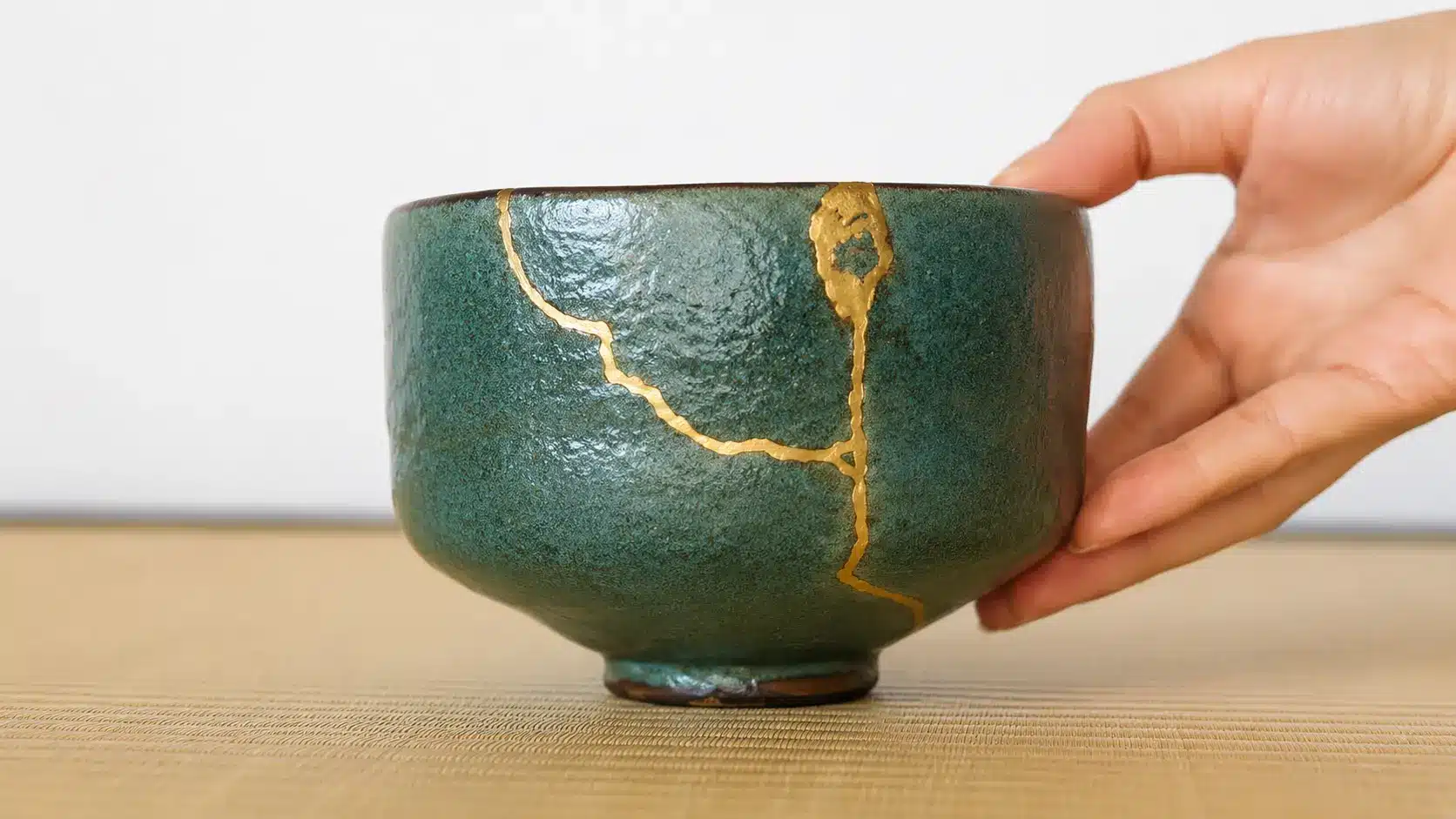
The crack method is the simplest form of Kintsugi. It repairs clean cracks in the pottery, breaking it into a few large pieces without leaving any parts missing.
The broken edges are joined together using lacquer, and the repaired lines are finished with gold powder. Thin golden lines remain visible across the surface, showing where the object once broke.
This method keeps most of the original pottery intact while honoring the history of the damage.
2. Piece Method (Makienaoshi)
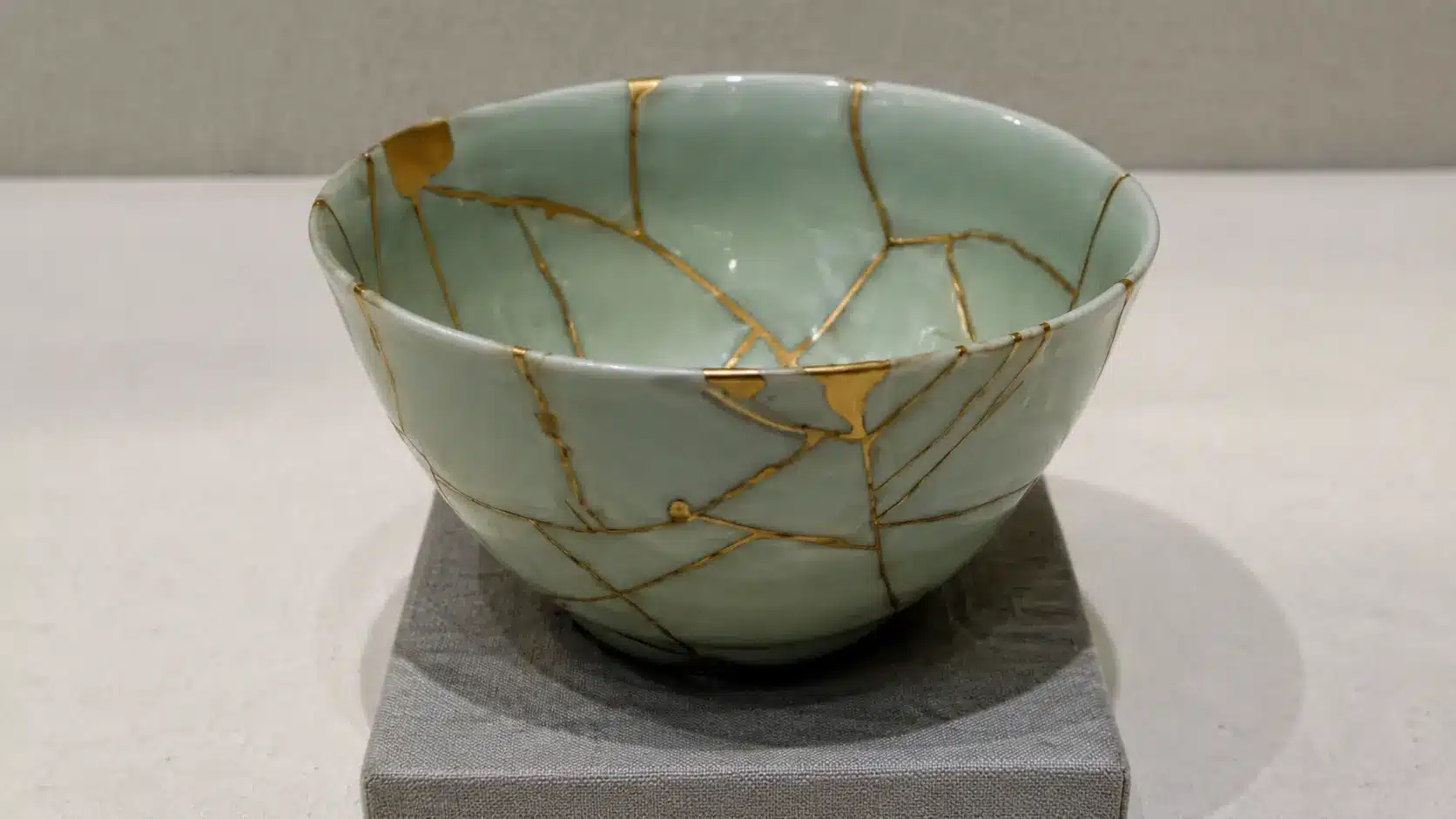
The piece method, also called Makienaoshi, is used when small parts of the pottery are missing.
Instead of leaving empty gaps, artisans rebuild the missing areas with lacquer and finish them with gold or decorative details. Sometimes the repaired section becomes one of the most eye-catching parts of the piece.
This method reflects the idea that restoration can add new character rather than simply copying the original shape.
3. Yobitsugi
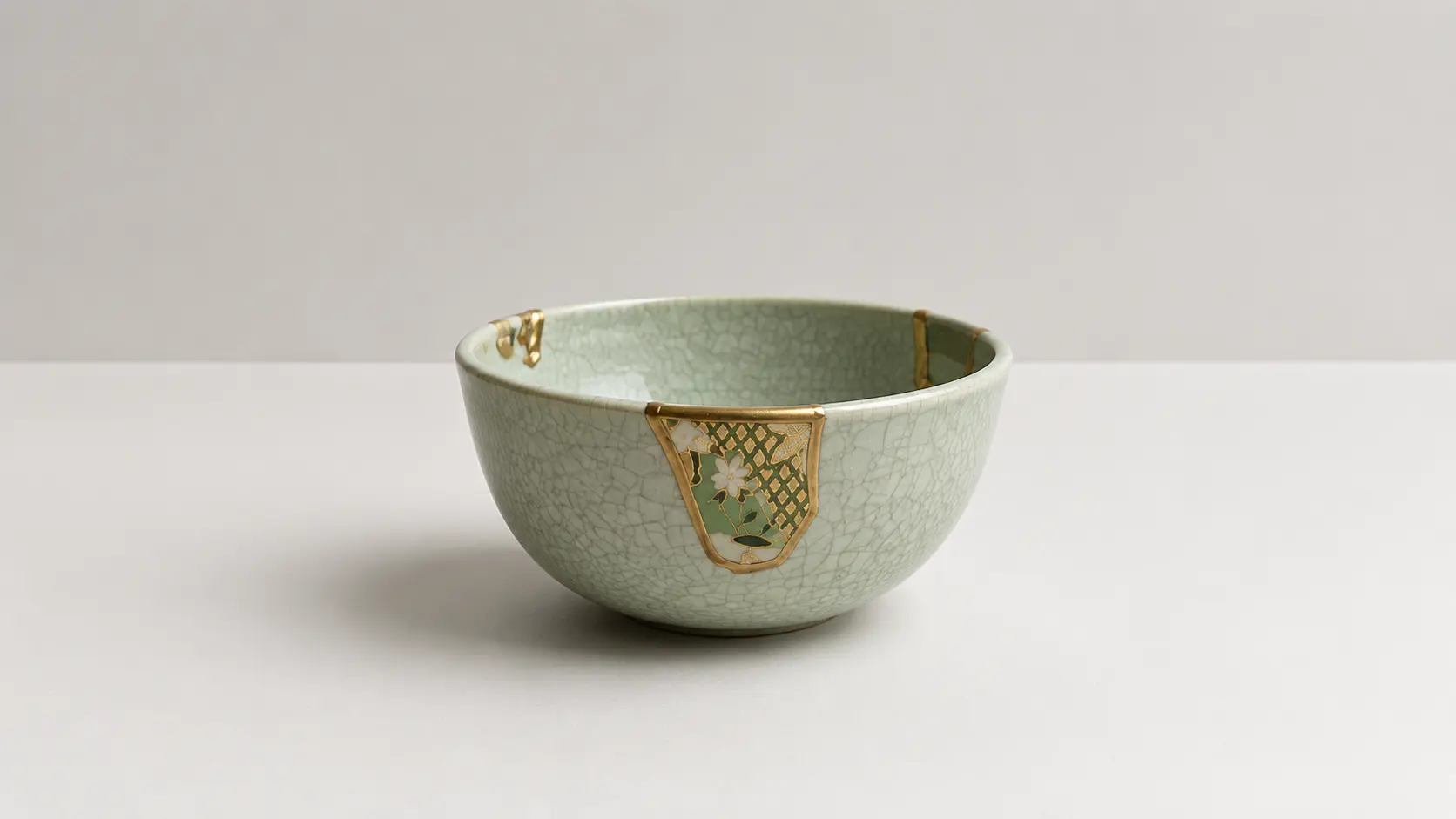
Yobitsugi is one of the most unusual Kintsugi techniques. In this method, missing pieces are replaced using fragments from a completely different ceramic object.
A broken bowl may be repaired with a piece from another bowl, creating an object that combines two separate histories into one.
The final result often looks unexpected yet balanced, showing how broken things can still belong together in a meaningful way.
The History of Kintsugi Art in Japan
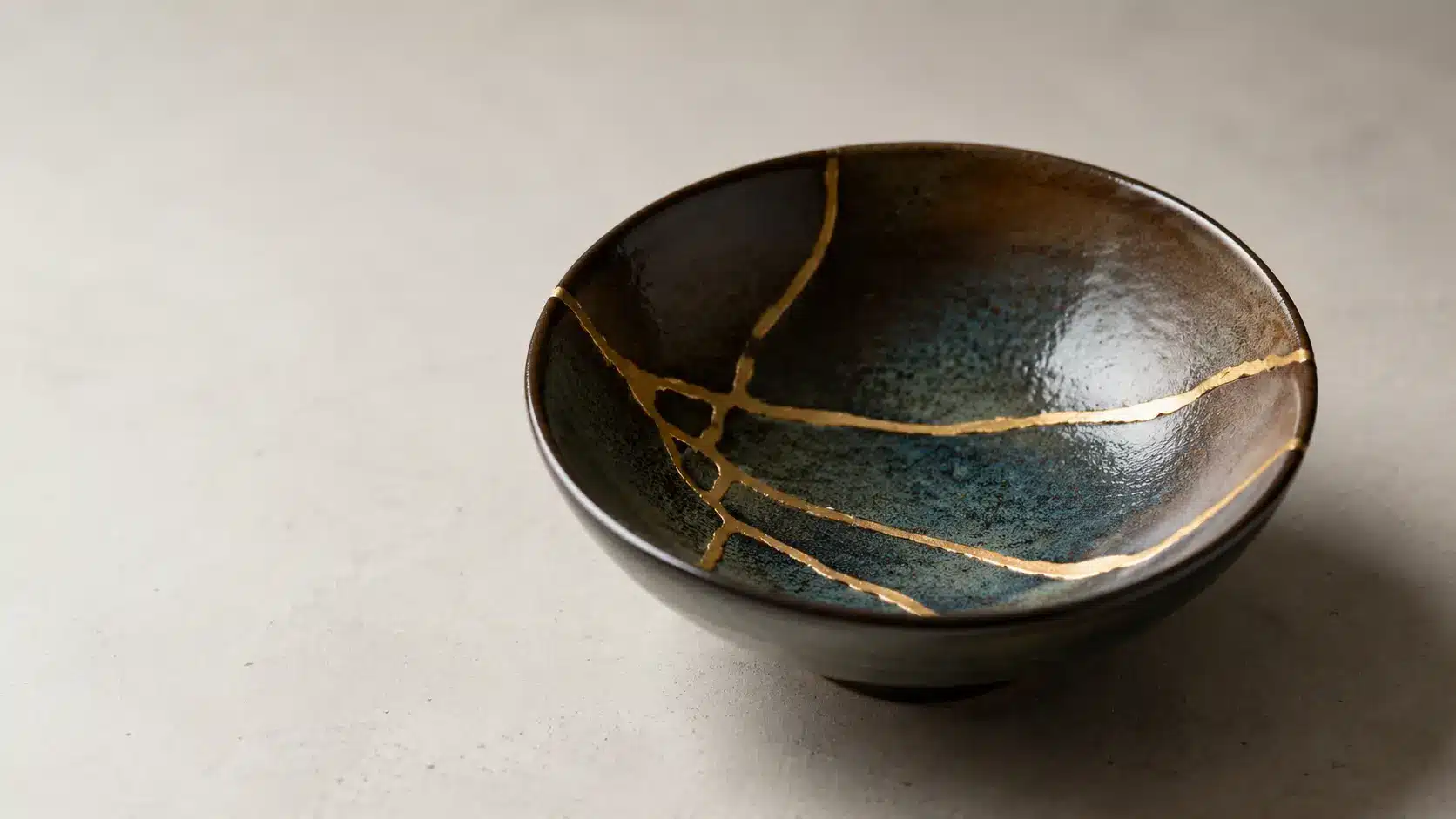
The roots of Kintsugi art date back to the 15th century in Japan. One of the most repeated stories involves Ashikaga Yoshimasa, a Japanese shogun who sent a damaged Chinese tea bowl away for repair. When the bowl returned, it had been fixed with unattractive metal staples.
The repair worked, though it lacked beauty.
Japanese craftsmen later developed a more graceful way to repair broken pottery using lacquer and precious metals. Kintsugi became associated with the Japanese tea ceremony, where aged, imperfect, handmade bowls were deeply valued.
The Smithsonian Institution also notes that Kintsugi reflects Japanese ideas about preservation and the acceptance of change rather than hiding damage.
The Philosophy Behind Kintsugi Art
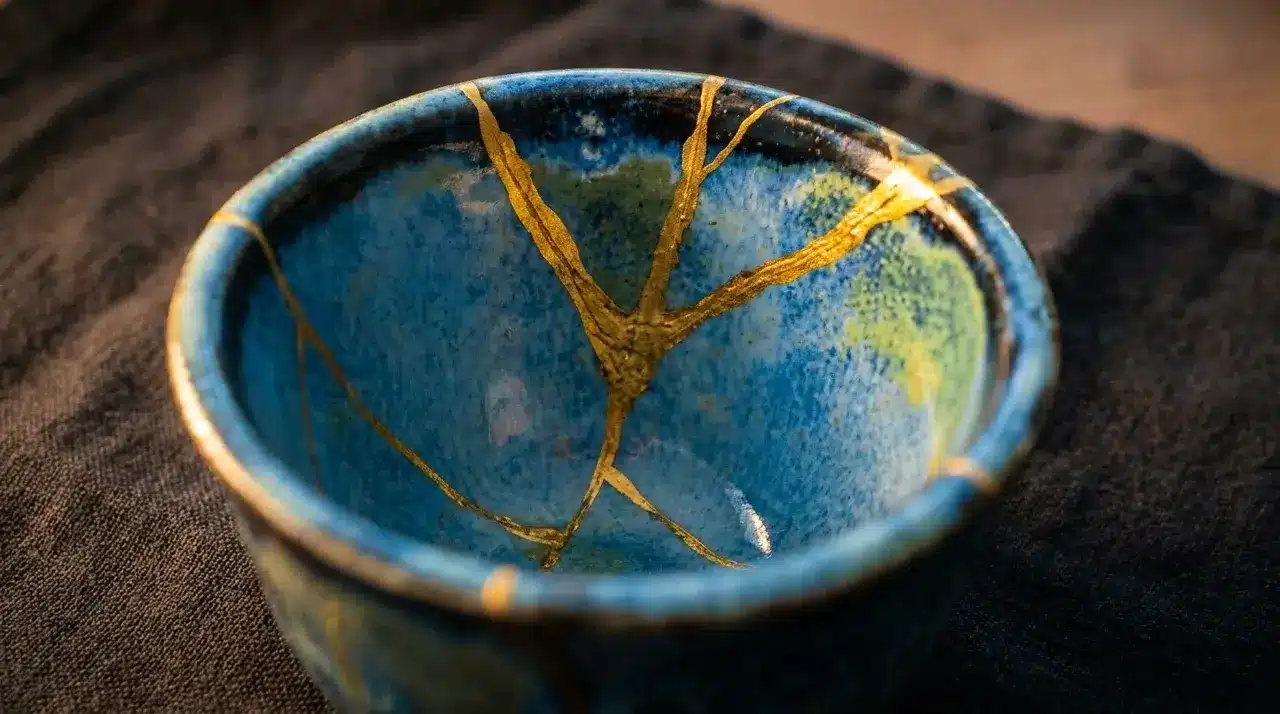
Kintsugi is closely connected with wabi-sabi, the Japanese idea that values age, imperfection, and change. A repaired bowl is not expected to look untouched. Its cracks remain visible because they are part of its history.
This meaning also connects with Mushin, which means accepting change without holding onto anger or frustration. In Kintsugi, damage is met calmly, not treated as shameful.
It also reflects Mottainai, the idea of not wasting what still has value. Instead of throwing a broken object away, Kintsugi repairs it with care so it can continue to be used and appreciated.
Kintsugi is also related to human life, reminding us that difficult experiences do not make a person any less worthy. Pain, loss, and change may leave marks, but those marks tell a story of how we have overcome those situations.
Together, these ideas show why Kintsugi still connects with people today. It reminds us that repair can happen without hiding the past.
How to Try Kintsugi Art at Home
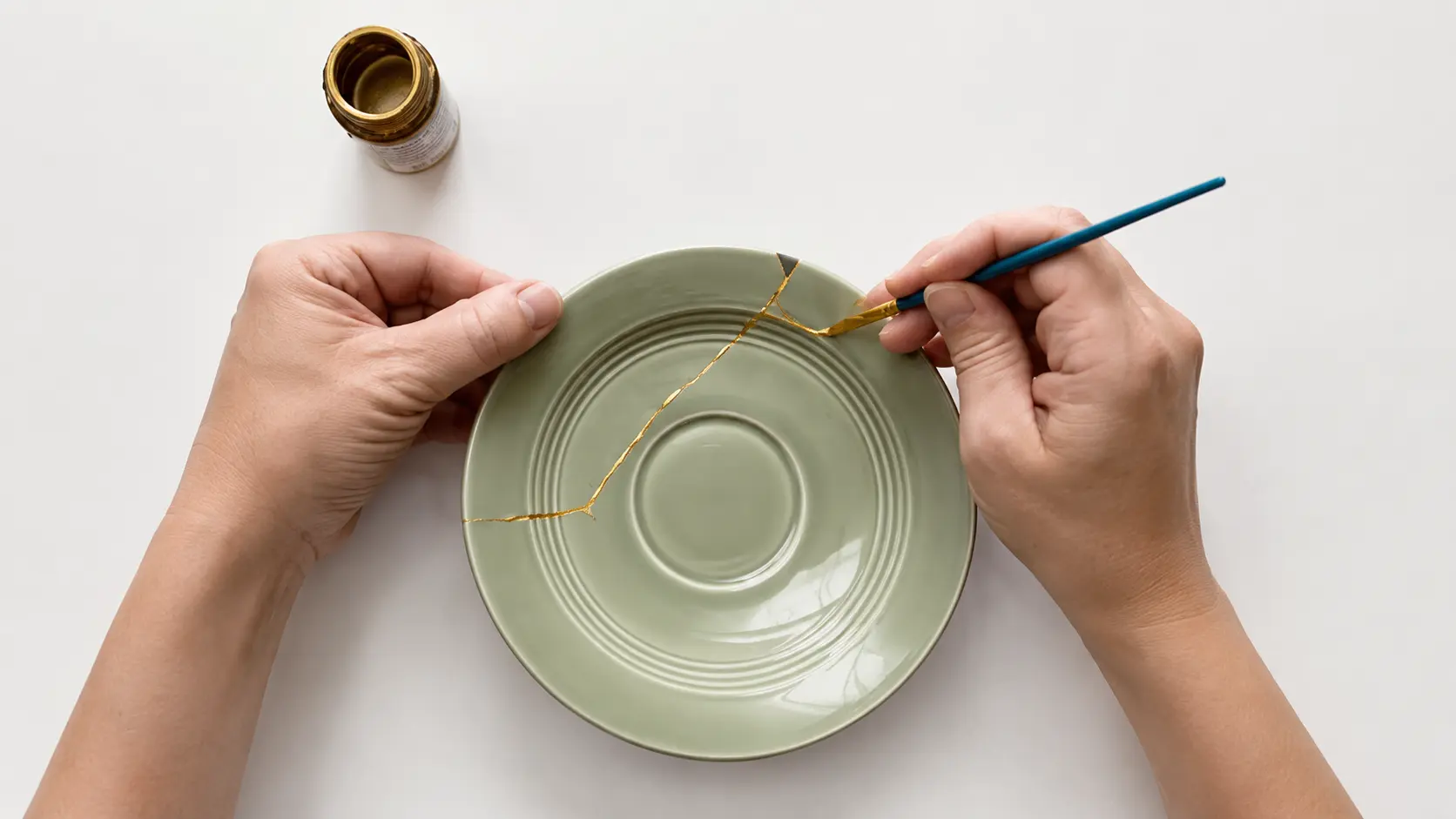
Traditional Kintsugi can take weeks or months because it uses natural urushi lacquer and careful drying time. Today, many people use modern Kintsugi kits at home because they are simpler, faster, and easier for beginners.
Here is a simple step-by-step way to try it at home.
Step 1: Collect the broken pieces
Gather the broken ceramic pieces and make sure the edges are clean and dry.
Step 2: Prepare your kit
Most modern Kintsugi kits include adhesive, metallic powder, brushes, and mixing tools. Read the instructions before you start.
Step 3: Mix the adhesive and metallic powder
Combine the glue with gold, silver, or brass-colored powder, depending on your kit.
Step 4: Join the pieces together
Apply a small amount of the mixture along the broken edge. Press the pieces together gently and hold them in place.
Step 5: Let it dry
Allow the repaired piece to dry fully. Drying time depends on the kit, so follow the label instructions.
Step 6: Clean the edges
Once dry, gently remove any extra adhesive from the surface.
Note: Your repaired piece now has visible golden lines that show its history. Use it as a decorative item unless your kit clearly says it is food-safe.
This simple DIY version may not be the same as traditional Kintsugi, but it still carries the same idea: repair can become part of the story.
The Cultural Meaning of Kintsugi Art
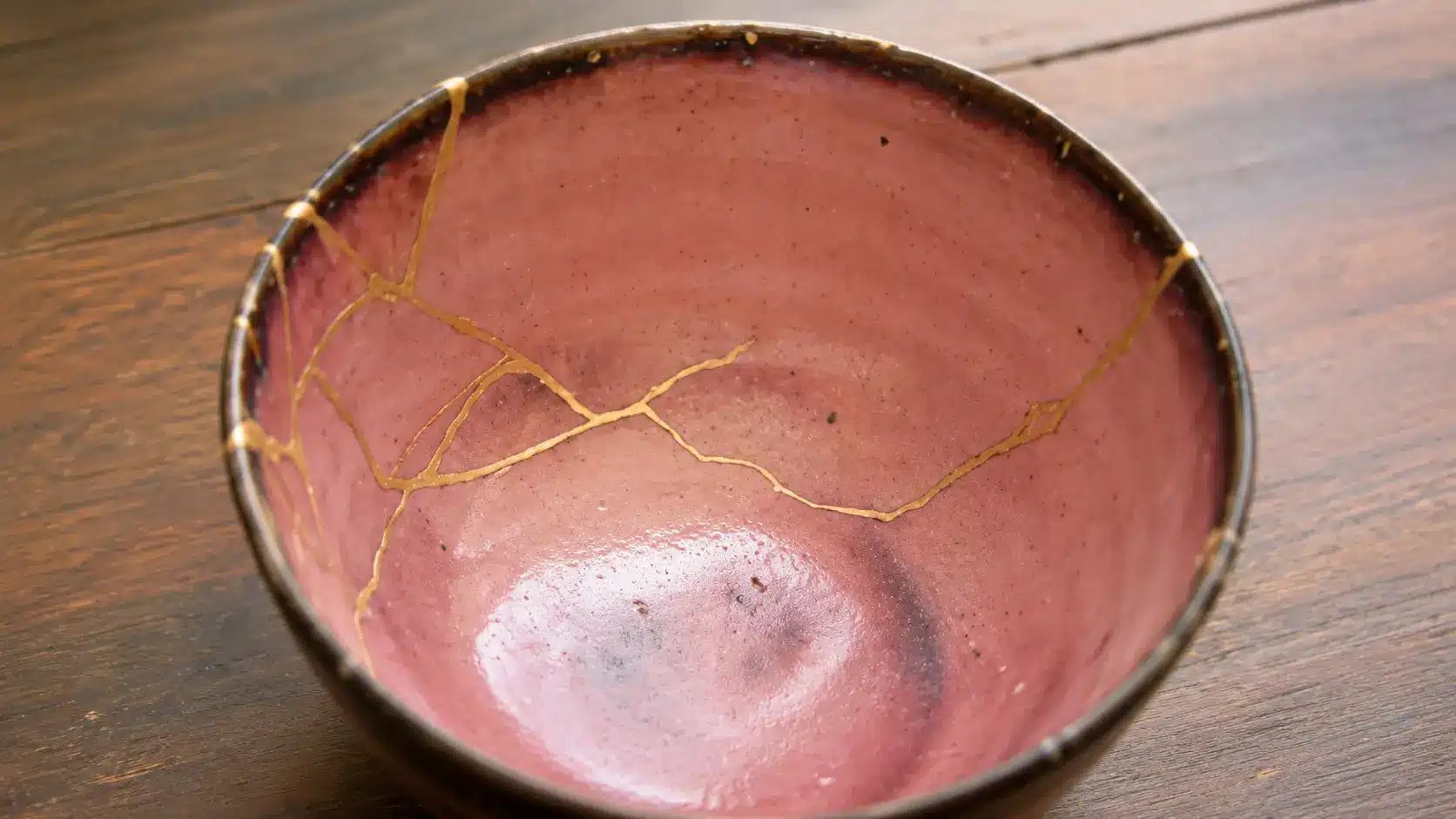
Kintsugi art reflects Japanese values of patience, care, and respect for objects with history. A cracked tea bowl may hold memories, so repairing it becomes a way to preserve its meaning rather than replace it.
The process reflects mindfulness and careful craftsmanship, as each repair requires time and attention. It asks the artisan to slow down, handle each piece carefully, and accept the object as it is.
Today, many people associate Kintsugi with sustainability, as it encourages repair rather than waste. This is why museums, ceramic artists, and designers still value Kintsugi for both its beauty and deeper meaning.
Why Kintsugi Art Still MattersKintsugi still matters because it reminds us that brokenness does not take away worth. Its golden cracks show that pain, time, and healing can become part of a deeper story. Many people feel pressure to hide their scars. Kintsugi feels comforting because it says we can still be loved, valued, and held with care, even after we have been hurt. It turns repair into something gentle, honest, and meaningful. |
The Lasting Meaning of Kintsugi Art
Kintsugi art has lasted for centuries because it carries a simple idea with deep meaning. Instead of hiding cracks, Kintsugi pottery repairs them with visible lines, showing that damage does not remove value.
The history of kintsugi pottery is connected to Japanese craftsmanship and the belief that repair deserves patience and respect. Over time, people around the world have connected with this message because it feels honest and comforting.
A repaired bowl still carries marks from the past, but those marks become part of its beauty and character. Kintsugi reminds us that imperfections are part of life. Try repairing an old, broken ceramic piece yourself to experience the quiet meaning behind Kintsugi.
Frequently Asked Questions.
What does Kintsugi Art symbolize?
Kintsugi art symbolizes healing, acceptance, and the idea that imperfections can still carry beauty and meaning.
Is Kintsugi Pottery Made with Real Gold?
Traditional Kintsugi pottery may use real gold powder, though modern versions sometimes use brass or metallic substitutes.
What is the Philosophy Behind Kintsugi Art?
Kintsugi art reflects the Japanese idea of accepting change, imperfections, and the natural passage of time.