


Foot drop is a condition in which it is difficult to lift the front of the foot when walking, which may lead to toes dragging or a higher incidence of tripping. It is usually associated with nerve injury or a back condition but sometimes with neurological conditions like amyotrophic lateral sclerosis (ALS).
Recognizing ALS symptoms early can help doctors identify the underlying cause and recommend appropriate testing. Due to the multitude of possibilities for foot drop, a comprehensive medical work-up is key to a correct diagnosis.
Can Foot Drop Be an Early Sign of ALS?
Amyotrophic lateral sclerosis, or ALS, is a progressive disease of the nervous system that affects motor neurons that control voluntary muscle movements. These nerve cells start to deteriorate, and the muscles they influence slowly become weak and lose their function.
In a few individuals, foot drop is one of the early signs of ALS, when the muscles that lift the front of the foot start to weaken. This weakness can make walking harder and make an individual more prone to trips. However, the cause of ALS is a comparatively rare cause of foot drop.
The majority of cases are associated with nerve compression or injury, or other neurological diseases that can be treated, so a detailed medical examination is required to work out the cause.
What Does ALS-Related Foot Drop Feel Like?
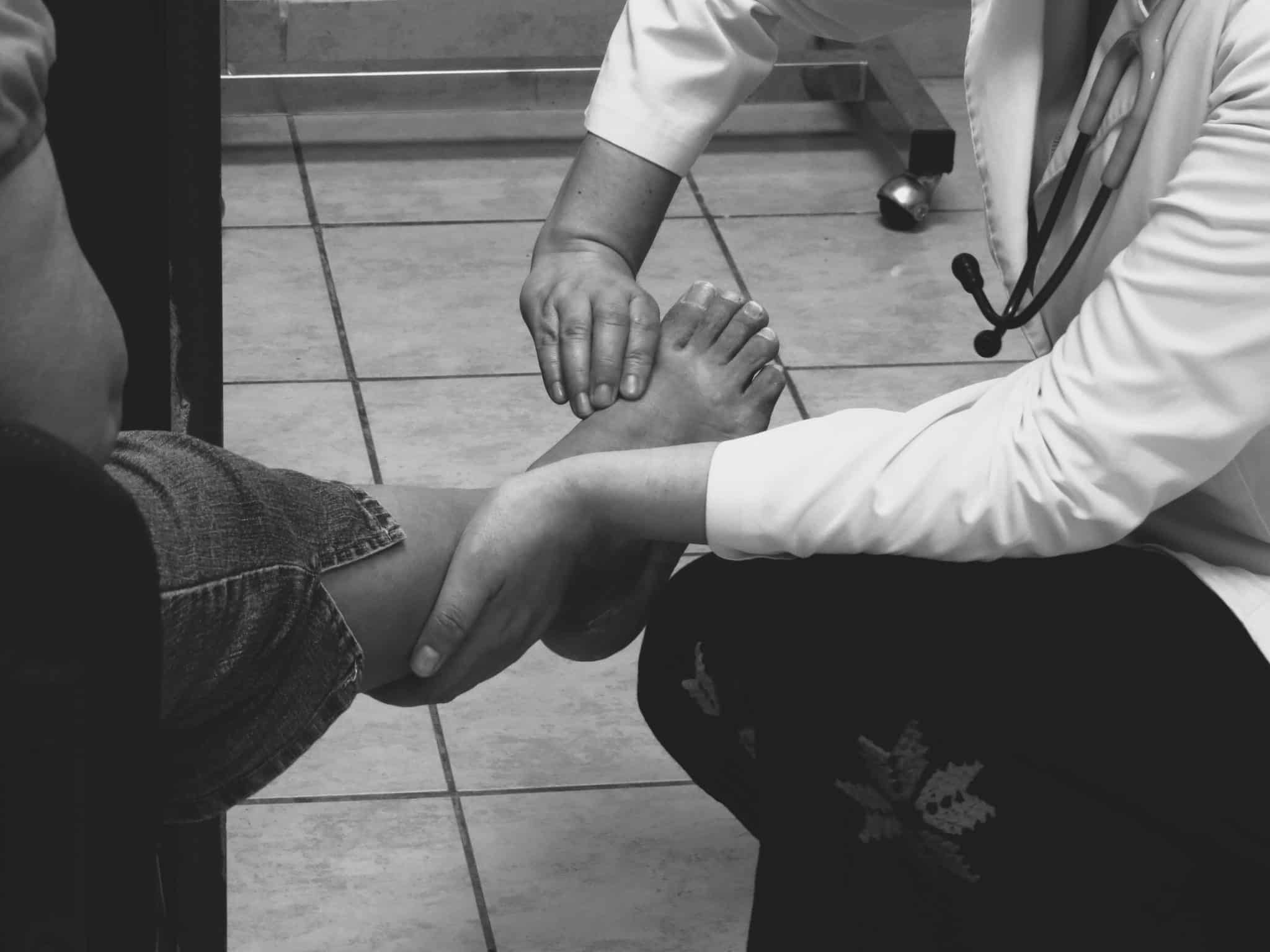
An individual with ALS with foot drop may experience a foot catching on the ground while walking or tripping often, which results in a “slapping gait. Whereas with a temporary injury, foot drop will get worse over time and sometimes incorporate muscle twitching and muscle wasting.
As ALS advances, weakness may develop in other muscles.
Other Common Causes of Foot Drop
Most cases of foot drop are not caused by ALS. Other possible causes include:
- Peroneal nerve injury
- Herniated lumbar disc
- Peripheral neuropathy, including diabetic neuropathy
- Multiple sclerosis
- Stroke
- Muscle disorders
In some cases, recovery occurs after treating the underlying condition, so it is particularly important to make the correct diagnosis.
ALS Foot Drop vs. Foot Drop From Other Conditions
Although the symptoms can appear similar, there are important differences.
|
ALS Related Foot Drop |
Foot Drop From Other Causes |
|---|---|
|
Gradually worsens over time |
May improve with treatment |
|
Usually occurs without numbness |
Pain or numbness is common |
|
May spread to other muscle groups |
Often remains limited to one area |
|
Can be accompanied by muscle wasting |
Muscle wasting varies by condition |
Only a healthcare professional can determine the exact cause through a complete evaluation.
When Should You See a Doctor?
A foot that is persistently weak, keeps getting wrapped, or is hard to lift when walking should be seen by a doctor. If the weakness worsens or is accompanied by muscle shaking, weakness in other limbs, and difficulty in speaking and feeding, it is especially important to get immediate medical attention.
If the foot drop occurs suddenly, it requires urgent medical attention as it may be a symptom of stroke or other serious neurological problems.
What Does ALS-Related Foot Drop Feel Like?
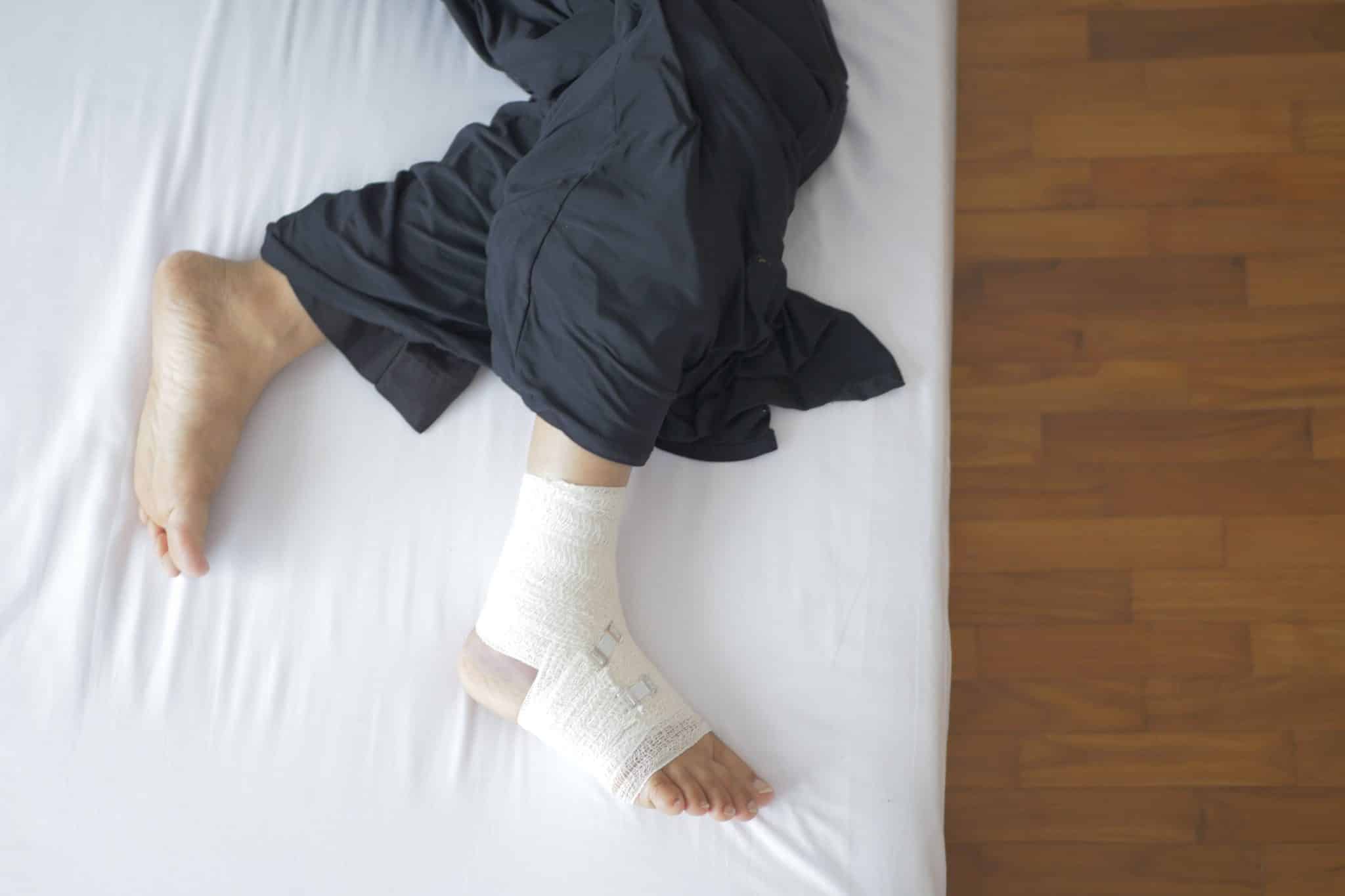
Doctors usually begin by reviewing your ALS symptoms and medical history, followed by a physical examination to assess muscle strength, movement, and reflexes. If more information is needed, they may recommend tests such as electromyography (EMG), nerve conduction studies, or magnetic resonance imaging (MRI). When ALS is suspected, a neurologist may order additional tests to rule out other conditions before confirming the diagnosis.
Treatment Options for Foot Drop
Treatment is dependent on the cause. Physical therapy may help improve strength and walking mechanics, and an ankle-foot orthosis (AFO) could provide support and decrease the risk of foot injury. Surgery may be needed in some cases if caused by nerve injury.
Treatment for people who have been diagnosed with ALS is aimed at symptom relief and maintaining mobility. A few patients will also try to contact specialized regenerative medicine clinics that provide stem cell treatments for specific neurological disorders. These treatments are termed ‘supportive’ and are not proven treatments for ALS and should be discussed with a trained medical professional.
Living With Foot Drop
Foot drop treatment usually involves assistive technology, physical therapy, and simple home modifications to reduce the risk of falling. With ongoing care from healthcare providers to track symptoms and fine-tune the treatment, many can be active and independent before and after treatment.
In Conclusion
While foot drop is one of the early signs of ALS, there are many other medical conditions that can result in foot drop. The symptoms are similar, making it best to see a professional to find the root cause and start treatment.
If you’ve received a diagnosis and are looking for supportive care, facilities like Swiss Medica might be one to consider in addition to standard medical treatment with your health care team. Making informed decisions with qualified medical guidance can help you choose the care that best fits your individual needs.