
What is a trench coat, are trench coats waterproof, and what are trench coats for are some of the most common questions people ask before investing in this timeless outerwear.
The answer goes beyond fashion because a trench coat combines practicality, comfort, and effortless style in one versatile piece.
Originally designed for military officers, the trench coat has evolved into a wardrobe staple that works across seasons, occasions, and personal styles.
Its signature details, durable fabrics, and polished silhouette make it suitable for everything from rainy commutes to business meetings to casual wear.
Understanding how a trench coat differs from other coats, how it should fit, and which style suits your needs helps you choose one you’ll wear for years.
What is a Trench Coat?
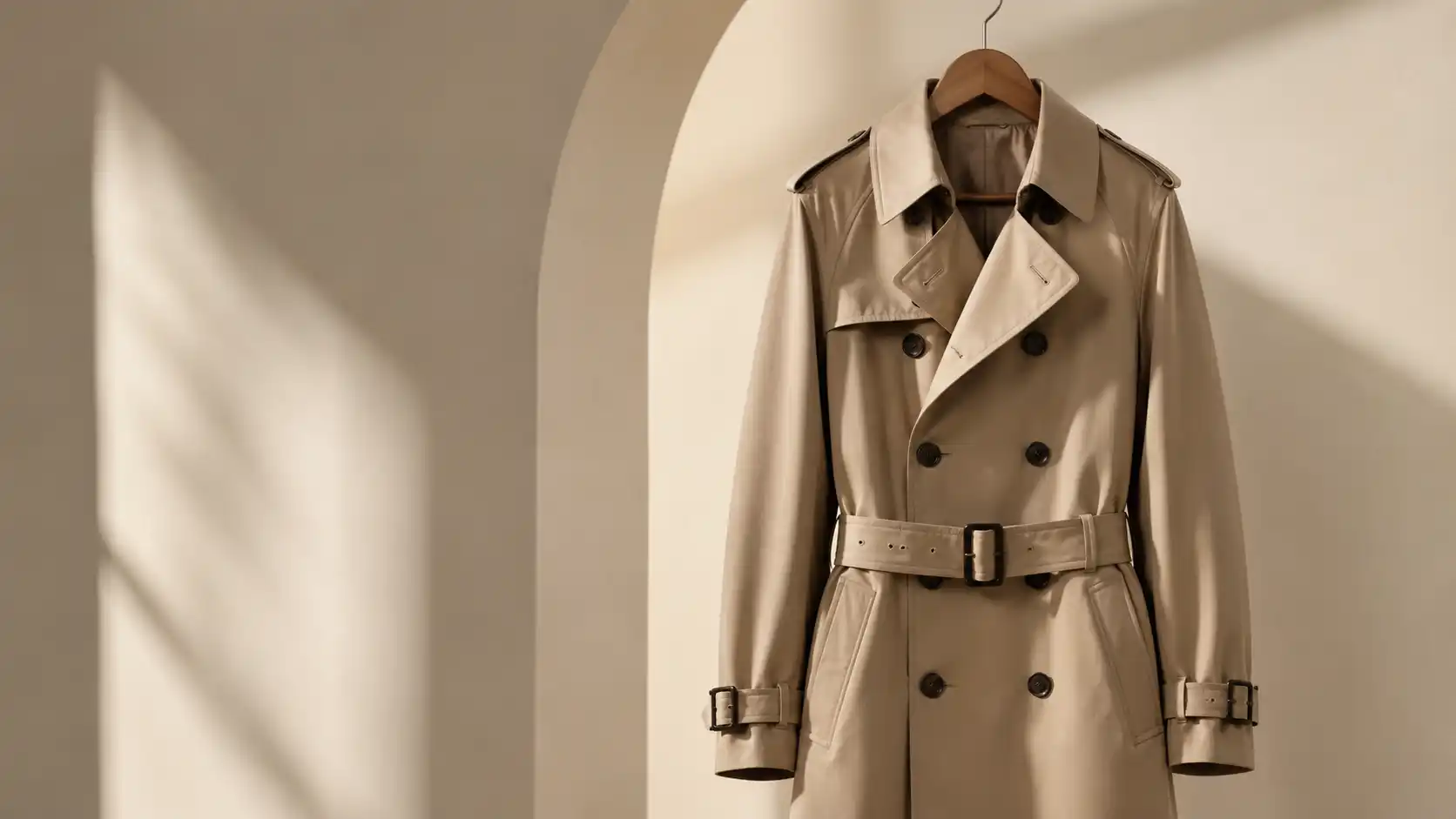
A trench coat is a knee-length or longer coat with a double-breasted front, a wide collar, and a belt at the waist.
It is made from tightly woven material that blocks wind and light rain. What makes a coat a trench coat is a set list of parts: a storm flap on the chest, a belt with a buckle, and straps at the cuffs.
These details started as tools for soldiers, not fashion touches.
The coat has remained popular for over a century because it pairs well with almost any outfit, hides layers underneath, and looks sharp on both men and women.
It is one of the few coats that have not gone out of style since they were first made.
Trench Coat vs Other Coats
Each coat style serves a different need, so knowing the difference helps you buy the right one.
| Coat | Key Difference from a Trench Coat |
|---|---|
| Overcoat | Heavier, wool-based, made for cold, not rain |
| Raincoat | Fully waterproof, made from synthetic material |
| Mac Coat | Similar shape, often uses rubber or bonded material for full waterproofing |
| Peacoat | Short, wool, double-breasted, built for warmth over rain |
| Duster | Longer and looser, styled for a rugged, Western look |
A trench coat sits between these options, built for light rain and wind rather than deep cold or heavy storms.
The History of the Trench Coat
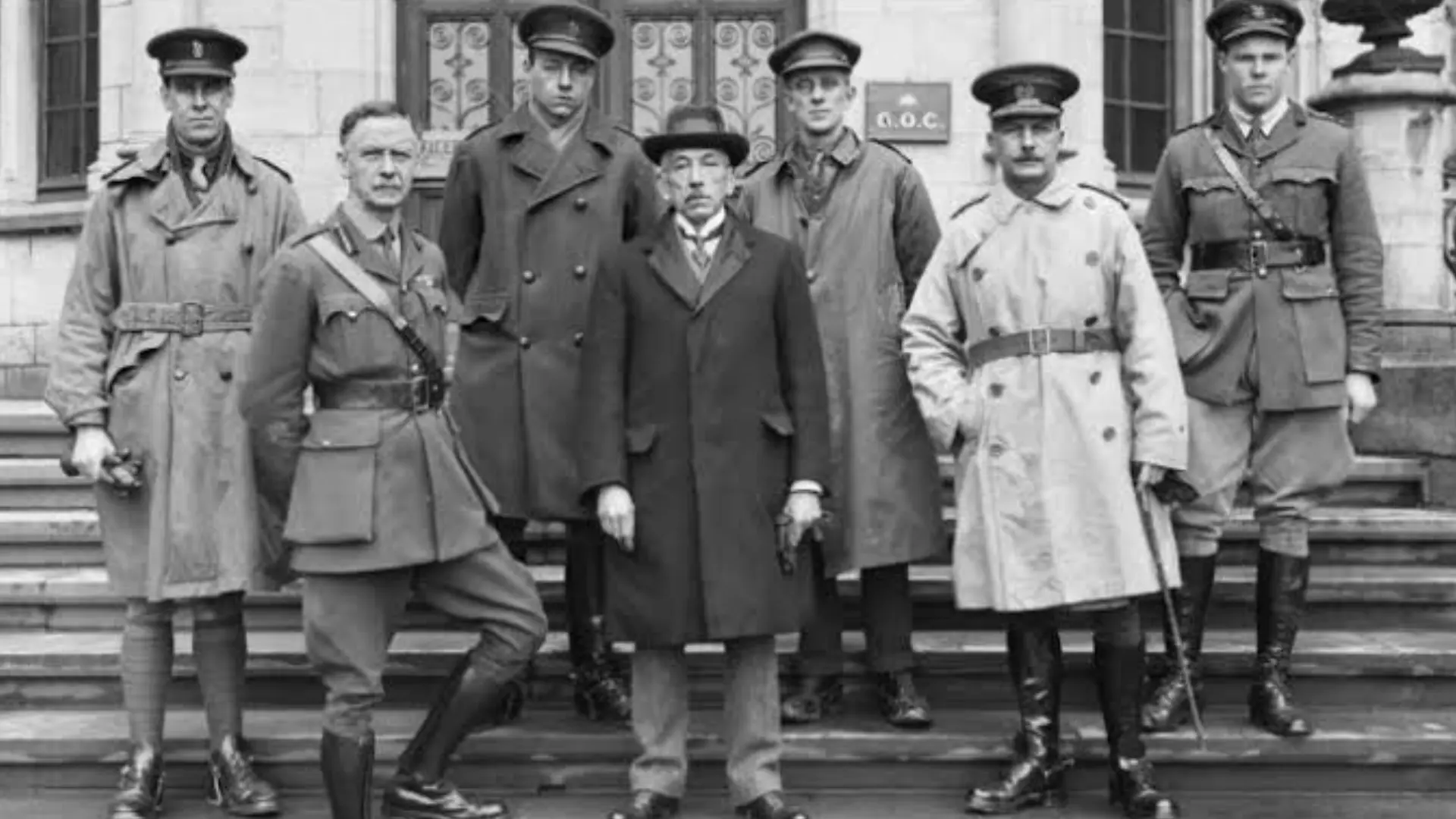
The trench coat has military roots that go back over 150 years, but its modern shape took hold during World War I.
- Military Origins in World War I: Officers needed a coat lighter than the wool greatcoat yet still wind- and rain-resistant in the trenches.
- Thomas Burberry and Aquascutum: Burberry invented gabardine material in 1879, while Aquascutum made a waterproof wool coat years earlier. Both brands still claim the coat today.
- From Battlefield Gear to Fashion Icon: Soldiers kept their coats after the war, and the style moved into everyday wear and film.
- Why It Is Still Popular Today: The coat pairs well with suits and casual clothes alike, which keeps it in style year after year.
Its timeless design adapts easily to changing fashion trends, making it a reliable investment that looks just as relevant today as it did decades ago.
Key FeaturesA true trench coat has a few signature design features that set it apart from a plain overcoat:
|
What are Trench Coats for?
Trench coats work for far more than looks. They fit into daily life in a few clear ways.
- Everyday Wear: The coat layers over jeans, dresses, or suits, so it works for most days without much thought.
- Rainy Weather: A tightly woven material sheds light rain and keeps you dry on short walks or commutes.
- Wind Protection: The belted waist and full coverage cut down on wind chill.
- Office Outfits: A clean-cut, office-ready look that looks sharp without trying too hard.
- Transitional Seasons: It gives enough warmth for spring and fall without the bulk of a winter coat.
Its mix of coverage, warmth, and clean style is why it has stayed a go-to piece.
Are Trench Coats Waterproof?
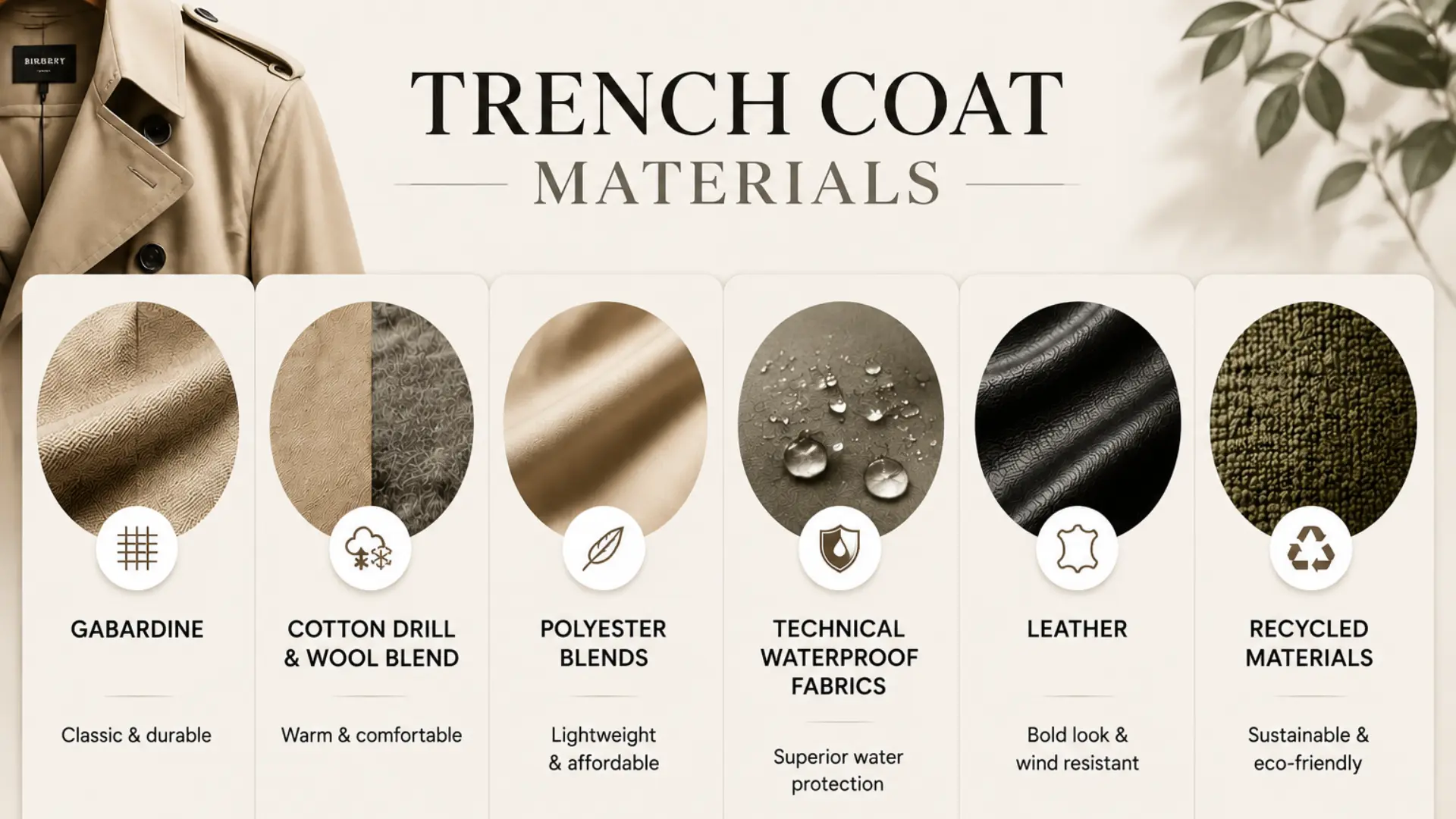
Most trench coats are water-resistant, not waterproof. Cotton gabardine is a tightly woven material that sheds light rain for a short time, but it will soak through in a heavy downpour.
True waterproof gear needs sealed seams, taped zippers, and a coated material, which most trench coats lack.
Materials like coated cotton, waxed cotton, or polyester with a PU coating handle heavy rain far better than plain gabardine.
If you live in an area with steady rain or need gear for long walks in a storm, a rain jacket built for full waterproofing is the safer choice.
A trench coat is best saved for drizzle, light showers, and wind, not hours of hard rain.
Classic vs Modern Trench Coats
The classic trench coat has evolved in shape over the years while retaining its core design.
- Traditional Heritage Trench Coats: Full-length, khaki color, with all the original military details.
- Contemporary Minimalist Designs: Minimalist designs include fewer straps and buckles for a cleaner, simpler look.
- Oversized and Relaxed Fits: A looser cut that layers well over sweaters and hoodies.
- Cropped and Short Trench Coats: Hit above the knee for a more casual, modern feel.
- Which Style Is Right for You: Pick based on your daily outfits and how much layering you need.
Your ideal trench coat depends on your wardrobe, climate, and lifestyle. Prioritize comfort, fit, and versatility so you’ll wear it season after season.
Types of Trench Coats
Trench coats come in several cuts, each built for a different look, fit, or season. Knowing the differences helps you pick a coat that fits your routine and style.
1.Double-Breasted
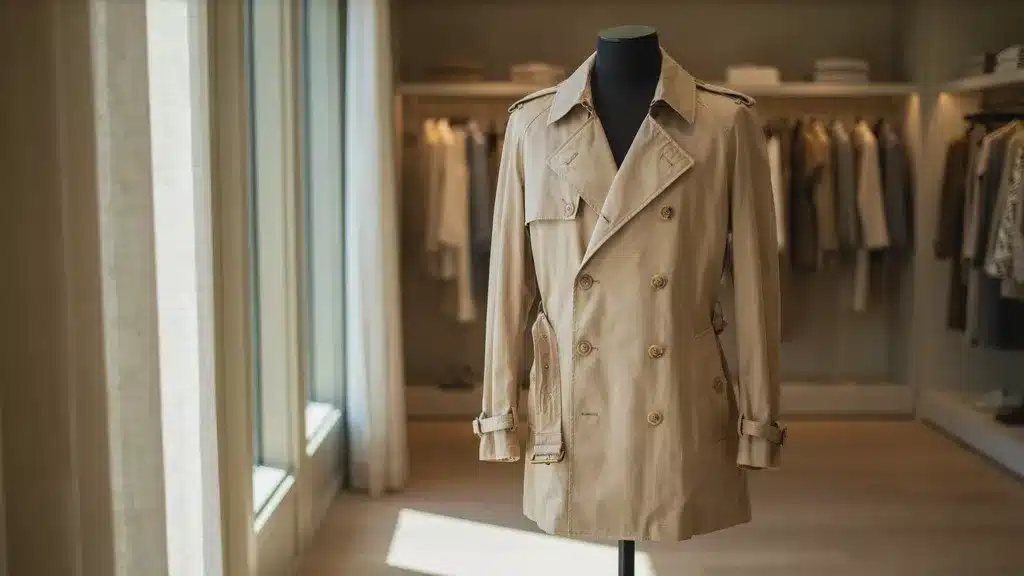
The double-breasted trench coat is the classic style, with two rows of buttons and a wide, wrap-style front that closes at an angle.
This cut offers more coverage than any other trench style and has the most formal look, making it a strong pick for work or dressed-up occasions.
Pro tip: Keep it belted at the waist for the cleanest silhouette.
2. Single-Breasted
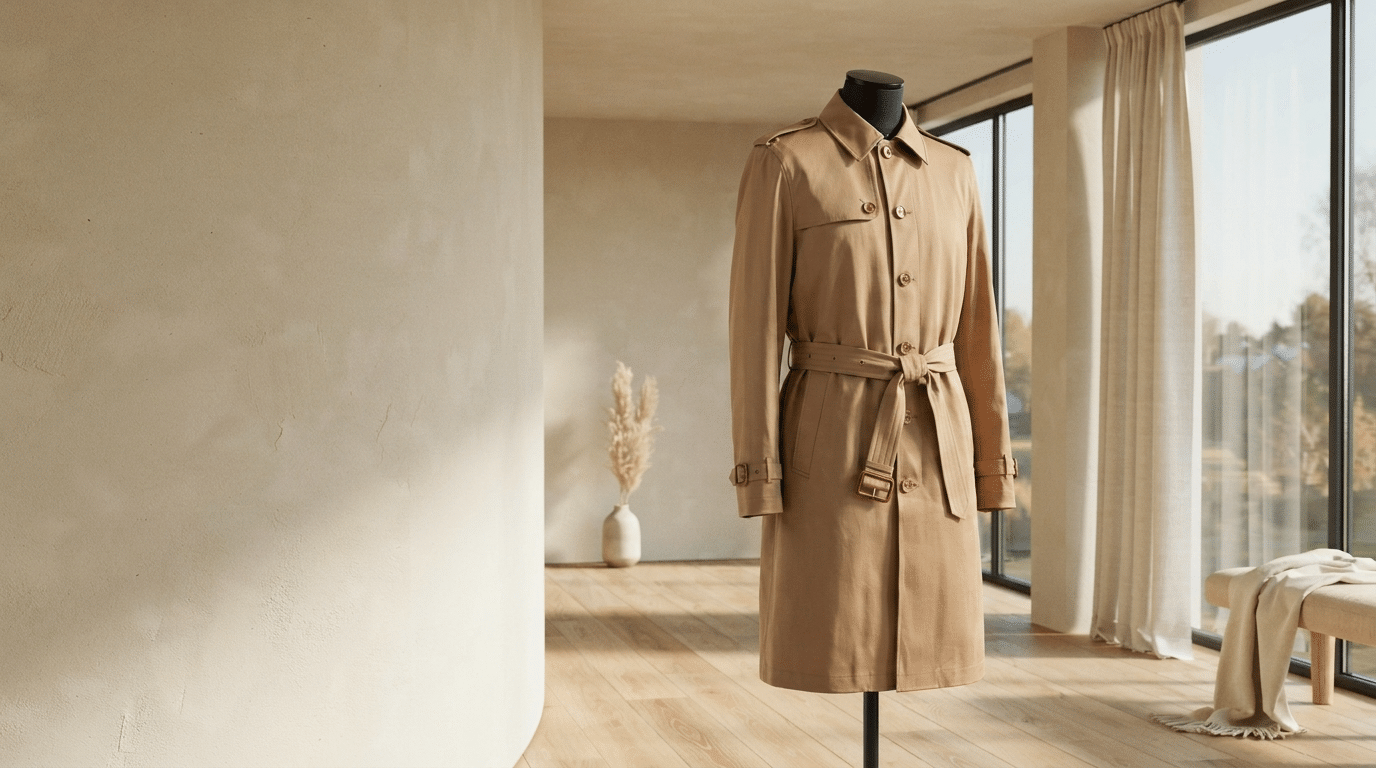
The single-breasted trench coat has a slimmer front with one row of buttons, making it simple to fasten and easy to wear open or closed.
This cut suits a more casual, everyday outfit and works well when you want a lighter, less bulky feel.
Pro tip: It layers well over slim-fit clothes without adding width.
3. Long
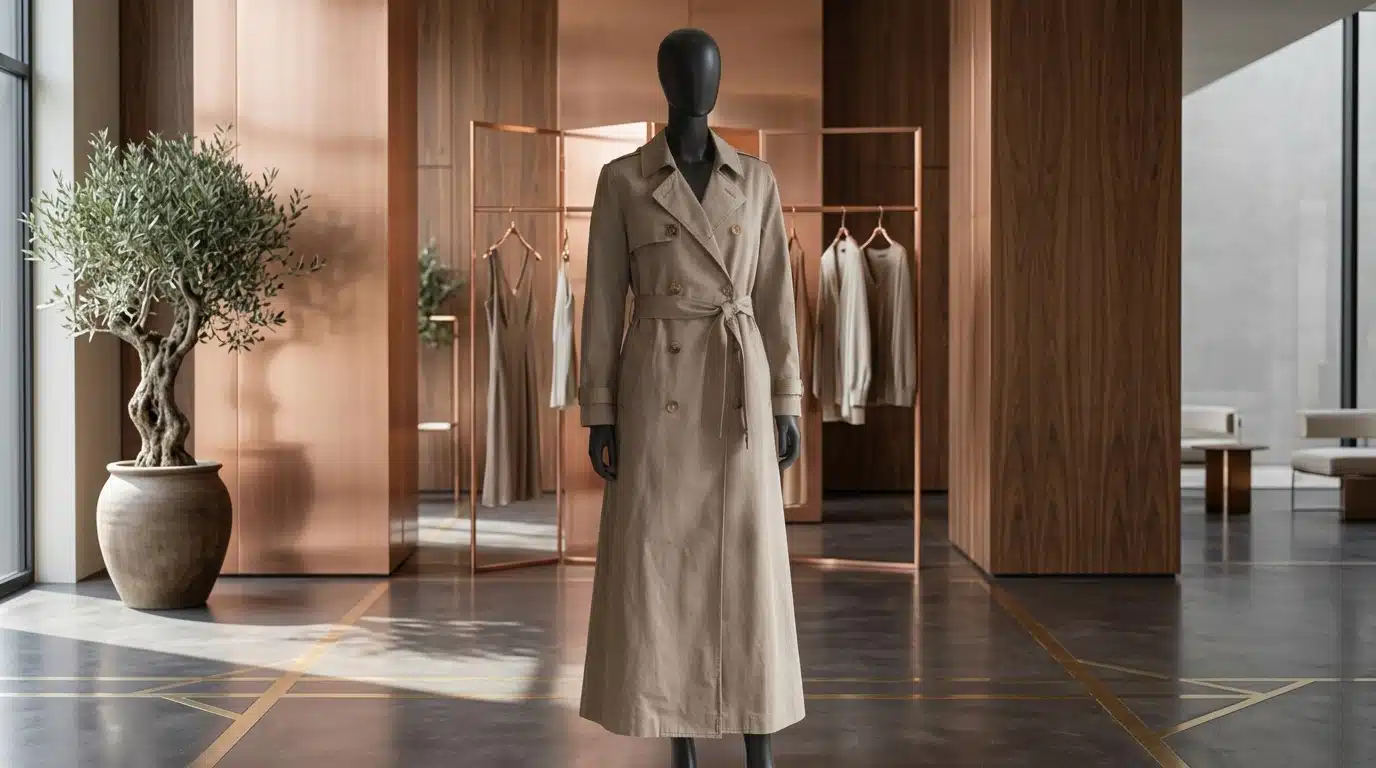
A long trench coat falls at or below the knee, providing full leg coverage and a formal, put-together feel that suits business settings and dressier events alike.
The extra length also adds warmth on colder days and pairs naturally with fitted pieces already in your closet.
Pro tip: Pair it with straight-leg pants to avoid a boxy look.
4. Mid-Length
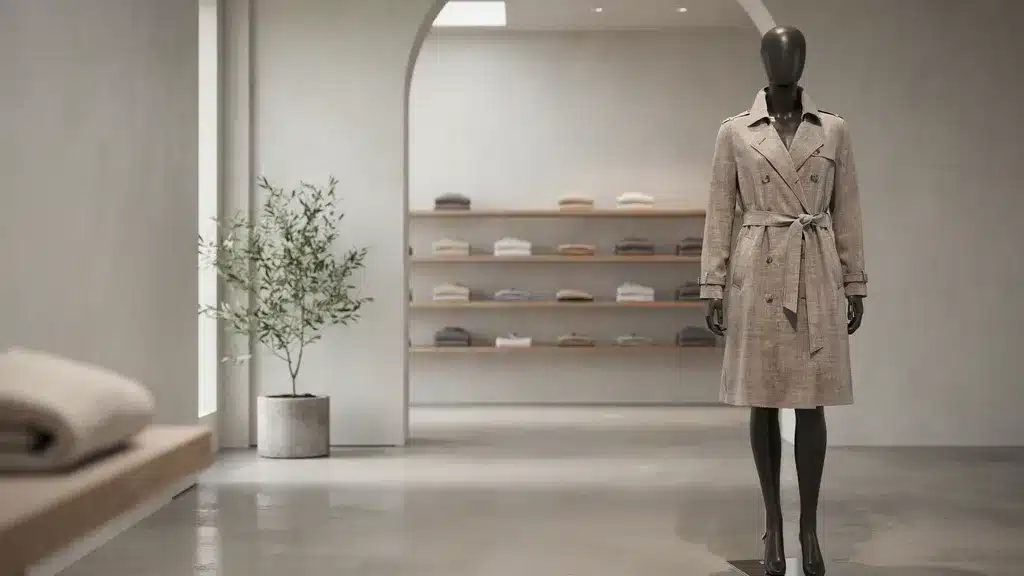
A mid-length trench coat hits somewhere between mid-thigh and just above the knee, landing between a long coat and a cropped style.
This length suits most body types and works well for daily wear, from the office to weekend errands, without feeling too formal or too short.
Pro tip: It is a safe first trench coat for beginners.
5. Cropped
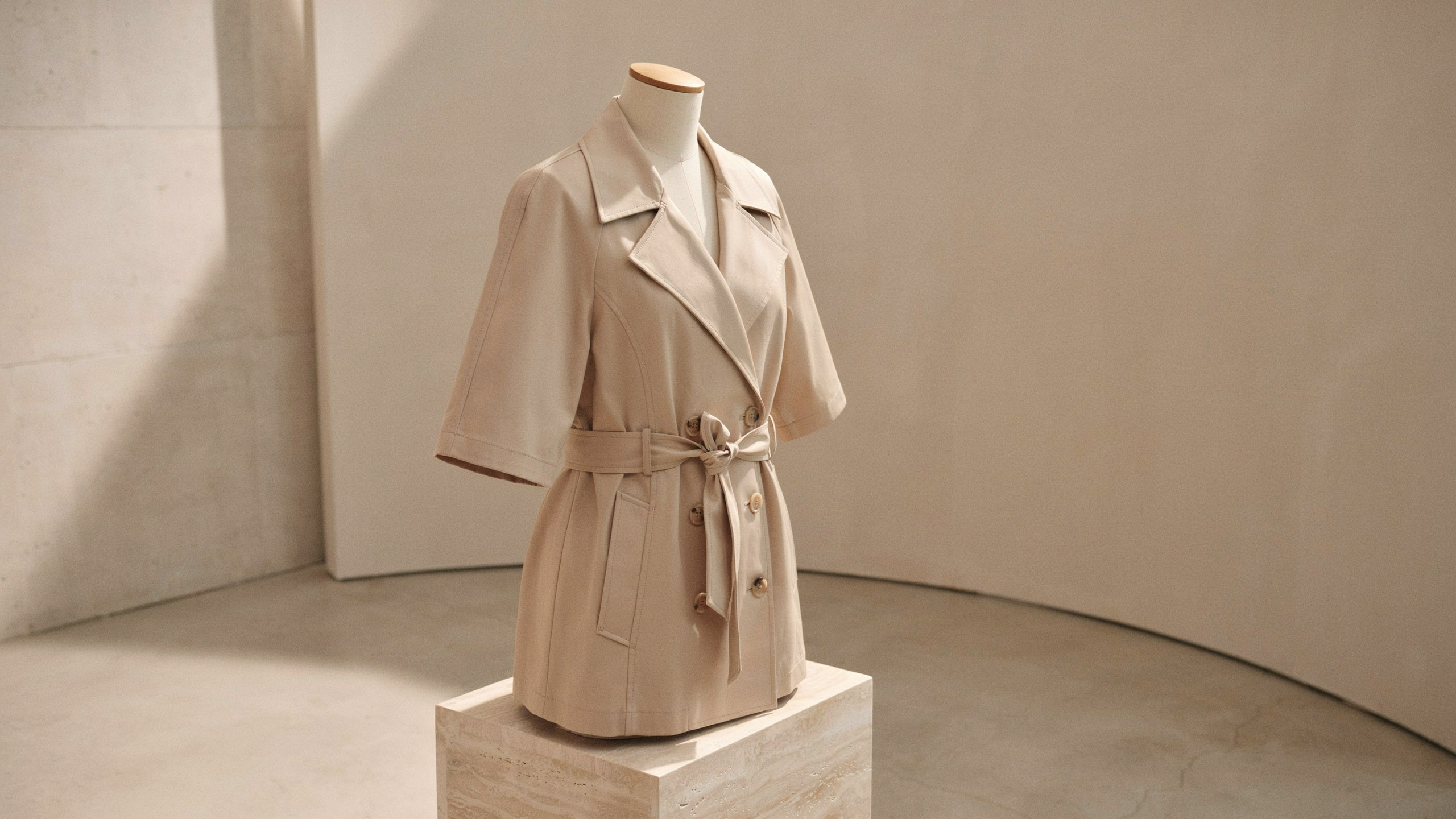
A cropped trench coat ends at or above the hip, giving it a modern, casual shape that feels lighter and easier to move in than longer styles.
It works well with high-waisted bottoms and suits anyone who wants the trench look without the extra length.
Pro tip: Balance the short length with wide-leg pants.
6. Leather
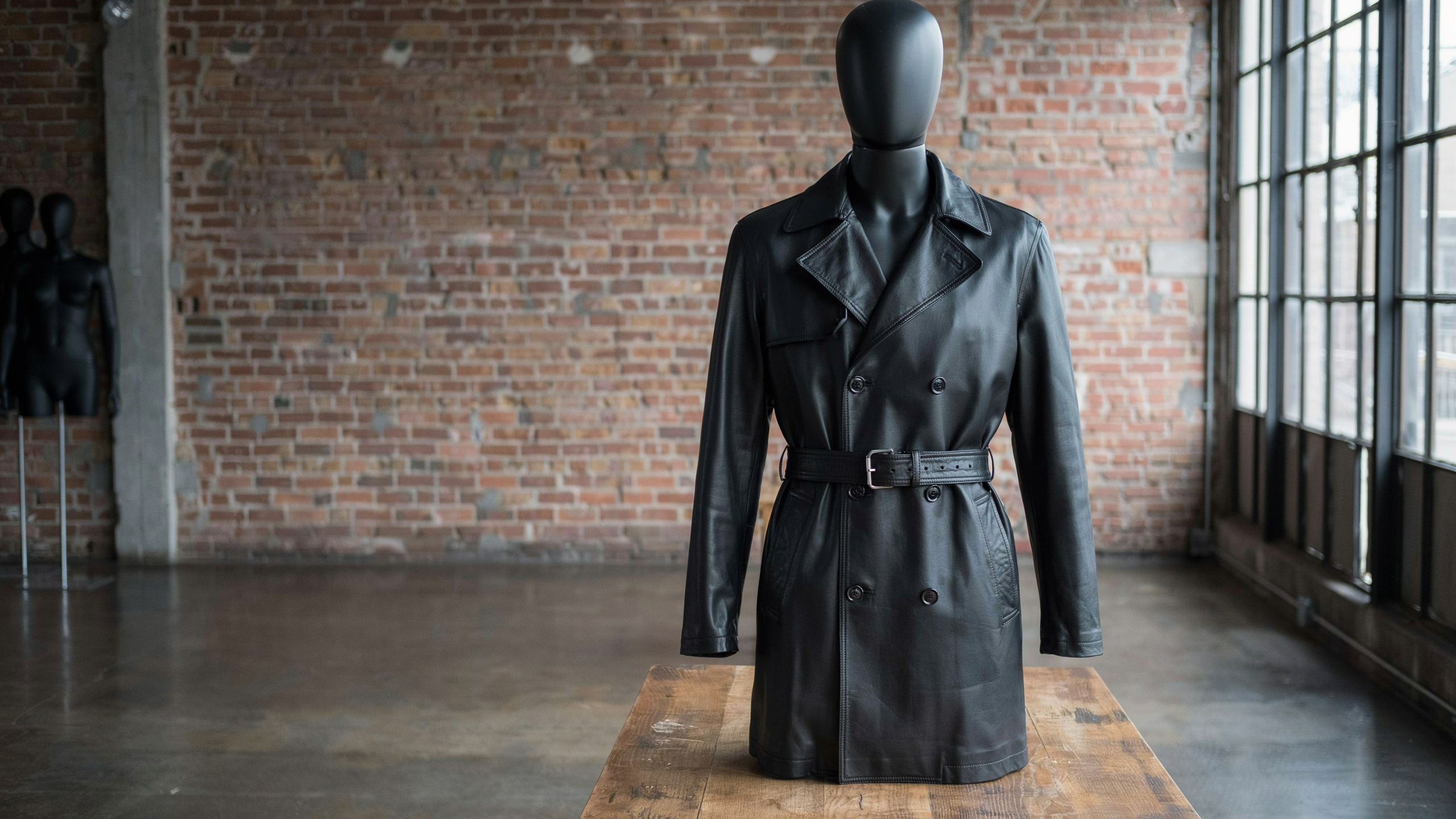
A leather trench coat is made from real or faux leather, giving it a bold, edgy look that stands apart from softer cotton or wool styles.
It blocks wind well and holds its shape over time, though it adds more weight than lighter materials and needs different care.
Pro tip: Choose a lighter leather weight for daily wear.
7. Lightweight
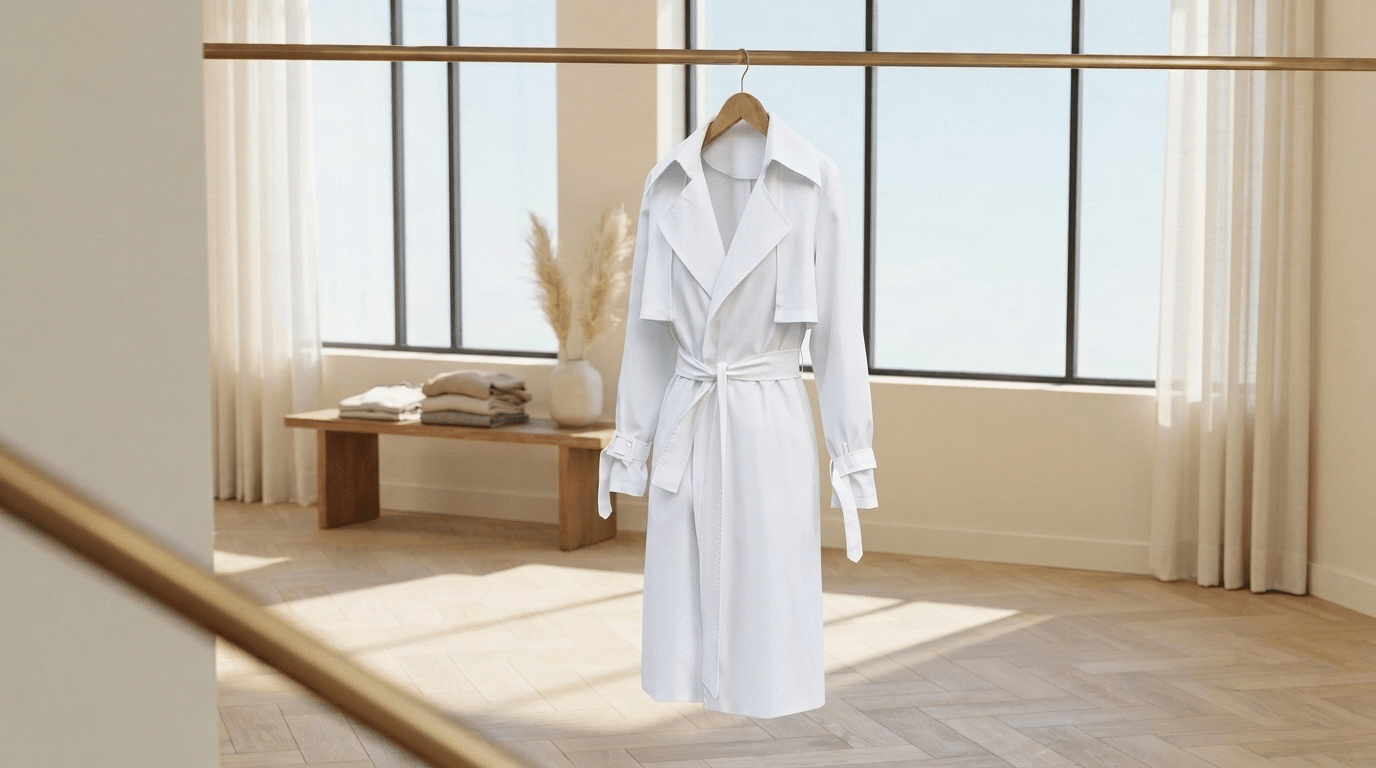
A lightweight trench coat is made from thin cotton or a blended material, built for spring and summer wear when a heavier coat feels like too much.
It gives coverage from wind and light rain without adding heat, making it easy to wear for most of the day.
Pro tip: Look for a half-lined design to allow extra airflow underneath.
8. Waterproof Technical
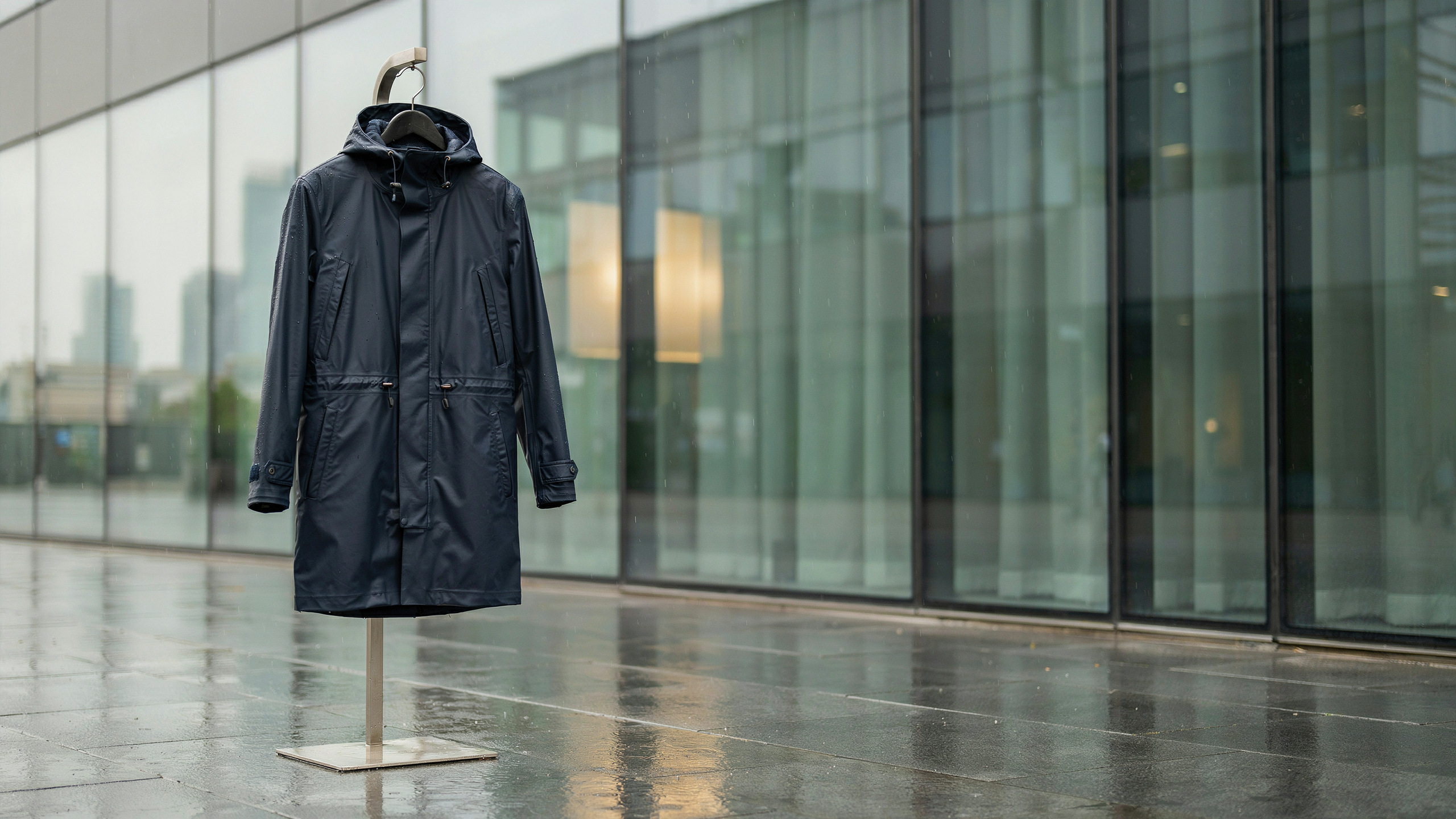
A waterproof technical trench coat is built with coated material or a membrane layer made for real rain protection, not just light showers or drizzle.
It suits wet climates and outdoor use where a classic gabardine coat would soak through quickly in steady rain.
Pro tip: Check for sealed seams and taped zippers before buying.
Whichever cut you choose, the right trench coat should match your routine, climate, and style goals. Try on a few types before you commit to find the one that suits you best.
How Should a Trench Coat Fit?
The shoulder seam should sit right at the edge of your shoulder, not past it. Sleeves should end near your wrist bone, long enough to cover a shirt cuff.
The chest and waist should allow a light sweater underneath without pulling at the buttons.
Length depends on your height and use. Knee-length works for most people, while a shorter cut suits a casual look.
Leave enough room across the shoulders and chest for a jacket or sweater underneath during cold months.
A good fit skims the body without feeling tight when the belt is closed.
How to Style a Trench Coat
A trench coat works because it adapts easily. With the right layers, shoes, and accessories, it can look casual, polished, travel-ready, or seasonally practical.
- Casual Everyday Looks: For a casual look, wear it open over a plain T-shirt, straight jeans, and sneakers for an easy, put-together look.
- Smart and Formal Styling: Belt it over a suit, shirt dress, or tailored separates to create a clean, structured look for work or events.
- Travel Outfits: Choose a lightweight trench with deep pockets, then layer it over comfortable basics for movement, storage, and polished airport style.
- Seasonal Styling: Add sweaters, scarves, and boots in winter, or wear them over lighter tops during spring and mild fall days.
The best trench coat styling feels effortless, not overdone. Keep proportions balanced, match the fabric to the weather, and let the coat frame your outfit.
A belted trench also pairs naturally with a fitted bodycon dress for evening events, and with business-casual outfits when you need it to read as office-appropriate rather than dressed down.
How to Choose the Right Trench Coat?
Start with material that fits your climate, since cotton gabardine suits mild rain while technical material suits wetter areas.
Pick a length based on your height and how you plan to wear it, whether that is over suits or jeans.
Try the coat on to check the fit through the shoulders, chest, and sleeves before buying.
Consider your climate, since a lined coat adds warmth in cooler regions.
Features like a removable liner or sealed seams cost more but add real value.
Set a budget first, since trench coats range from budget brands to luxury labels, and quality can vary widely at each price point.
Where to Buy a Trench Coat?Where you shop depends on your budget and how long you want the coat to last.
|
Caring for Your Trench Coat
Proper care keeps your trench coat looking sharp, holding its shape, and performing well for years.
- Cleaning Different Materials: Cotton and wool trenches usually require dry cleaning, while synthetic blends may be safely machine-washed on gentle when care labels permit.
- Removing Wrinkles: Hang the coat inside a steamy bathroom or use a low-heat iron with a pressing cloth to protect delicate fabrics.
- Reapplying Water-Repellent Treatments: Refresh the protective coating using a fabric-safe water-repellent spray after cleaning to maintain reliable resistance against light rain and moisture.
- Proper Storage Between Seasons: Hang on a wide wooden hanger inside a cool, dry closet, avoiding plastic covers that trap moisture and odors.
- When Professional Cleaning Is Best: Trust professionals for leather trenches, stubborn stains, delicate fabrics, or heavy dirt requiring specialized cleaning methods and equipment.
The Federal Trade Commission requires clothing manufacturers to attach accurate, permanentcare labels explaining proper washing, drying, ironing, and dry cleaning steps for each garment.
Common Trench Coat Mistakes
A few small errors can ruin the look and function of an otherwise great coat.
Choosing the wrong fit is common, since a coat that is too tight or too loose loses its clean shape.
Wearing the wrong length can throw off your whole outfit if it does not match your height.
Ignoring weather protection is another slip, since a light trench in heavy rain leaves you soaked and cold instead of dry.
Overlayering with too many thick pieces underneath can strain the buttons and seams over time.
Skipping regular maintenance, like cleaning and re-treating the material, shortens the coat’s lifespan. Avoiding these mistakes keeps your coat working well for years.
Final Thoughts
A trench coat earns its place in a closet through its mix of function and clean style.
It handles light rain, blocks wind, and works over almost any outfit, from jeans to suits.
Picking the right material, fit, and length makes all the difference in how well it serves you day to day.
With simple care, a good trench coat can last for many years and still look sharp.
Choose a classic wool blend or a modern lightweight cut; this coat remains one of the most useful pieces you can own for changing weather and everyday wear.
Frequently Asked Questions
Why is it Called a Trench Coat?
The coat gets its name from World War I trenches, where British officers first wore it for protection against rain, wind, and cold weather.
How Many Buttons Does a Classic Trench Coat Have?
A classic double-breasted trench coat has ten front buttons, arranged in two rows of five, for a tighter, more windproof closure overall.
Is a Trench Coat Considered a Unisex Coat?
Yes, trench coats are unisex. Soldiers wore them first, but after World War I, both men and women adopted the same classic design.