

Starting tretinoin can trigger the tretinoin purge, where skin temporarily worsens as congestion surfaces faster. This signals active skin renewal and the clearing process.
Breakouts, flaking, and mild irritation are normal signs of clearing. Recognizing them helps you protect your skin and stay consistent during adjustment.
Knowing the stages of a tretinoin purge helps you see when breakouts peak and settle. Many notice visible improvements by following gradual, supportive routines carefully.
Watching your skin and adjusting treatment keeps the purge manageable. Observing responses helps predict results, reduce stress, and guide care during accelerated cell turnover.
What is the Tretinoin Purge?
The tretinoin purge occurs because the medication accelerates your skin’s natural renewal cycle, which normally takes 4–6 weeks.
Tiny, invisible blockages called microcomedones exist beneath the surface. By speeding up cell turnover, tretinoin brings weeks’ worth of microcomedones to the surface in a short time, producing visible breakouts.
Stopping tretinoin doesn’t prevent breakouts because it only exposes pre-existing blockages that were already forming beneath the skin.
The severity of the purge depends on your skin’s baseline: acne-prone, congested skin tends to show more visible purging, while relatively clear skin may show little to no purging.
Essentially, the purge is your skin clearing what was already forming beneath the surface, with tretinoin doing exactly what it’s meant to do.
What Does the Tretinoin Purge Look Like?
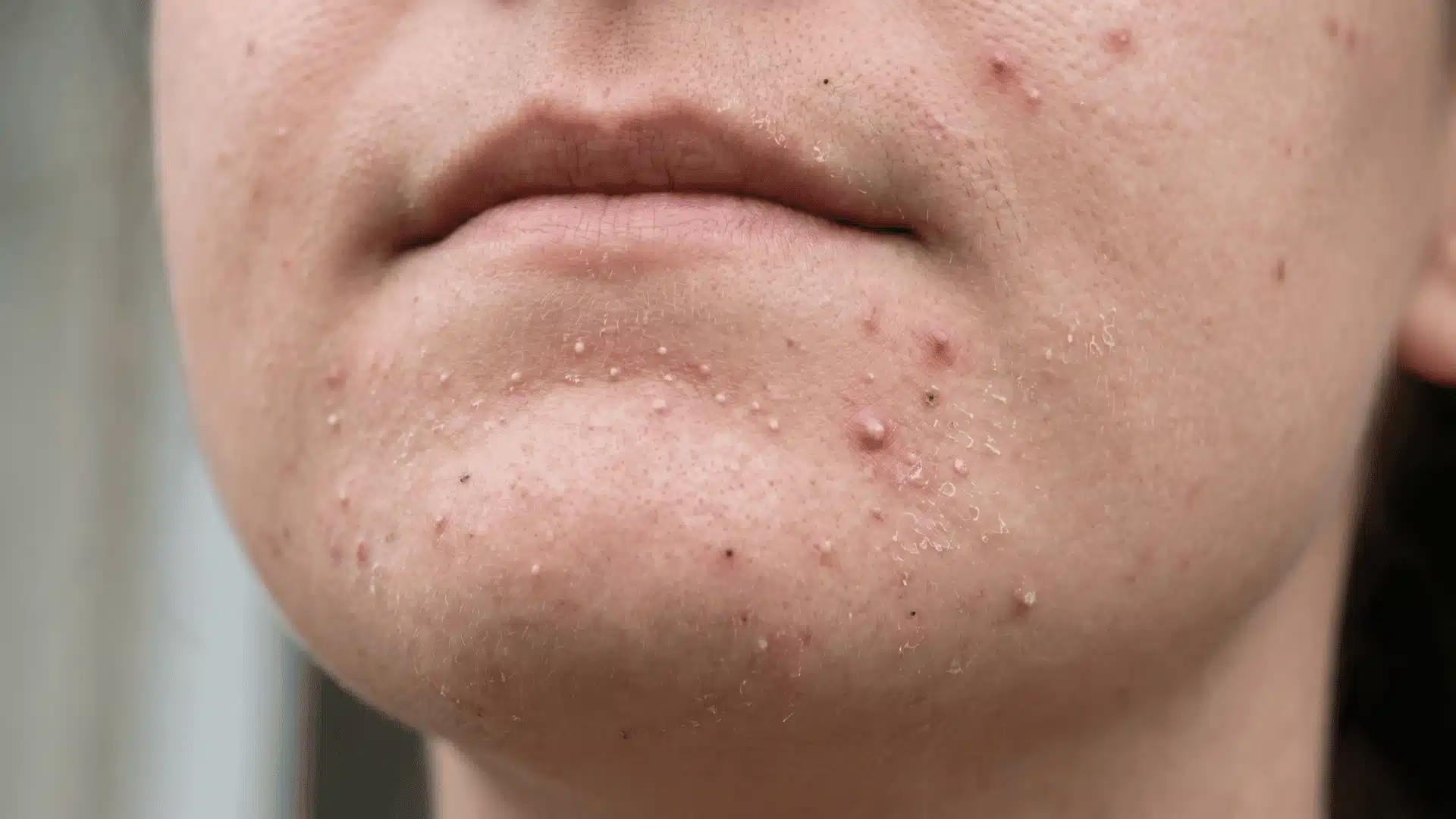
A tretinoin purge mimics your usual breakouts but occurs faster, signaling your skin is clearing pre-existing congestion effectively.
- Appearance: Small whiteheads, blackheads, and red papules, concentrated in usual breakout zones like the chin, forehead, and nose.
- Dryness & Flaking: Expect surface-level peeling, particularly around the mouth and nose, as skin adjusts to accelerated turnover.
- Faster Cycle: Purge pimples to the surface, peak, and clear more quickly than normal acne, indicating effective skin renewal.
- Location Test: Breakouts in usual zones confirm a purge; new areas suggest another issue rather than normal purging, which usually indicates irritation.
- Severe Reactions: Deep cystic acne, widespread rawness, or burning signals barrier compromise, not a normal purge.
A normal purge is temporary and location-specific; faster clearing and familiar breakout zones indicate your skin is responding correctly.
How Long Does the Tretinoin Purge Last?
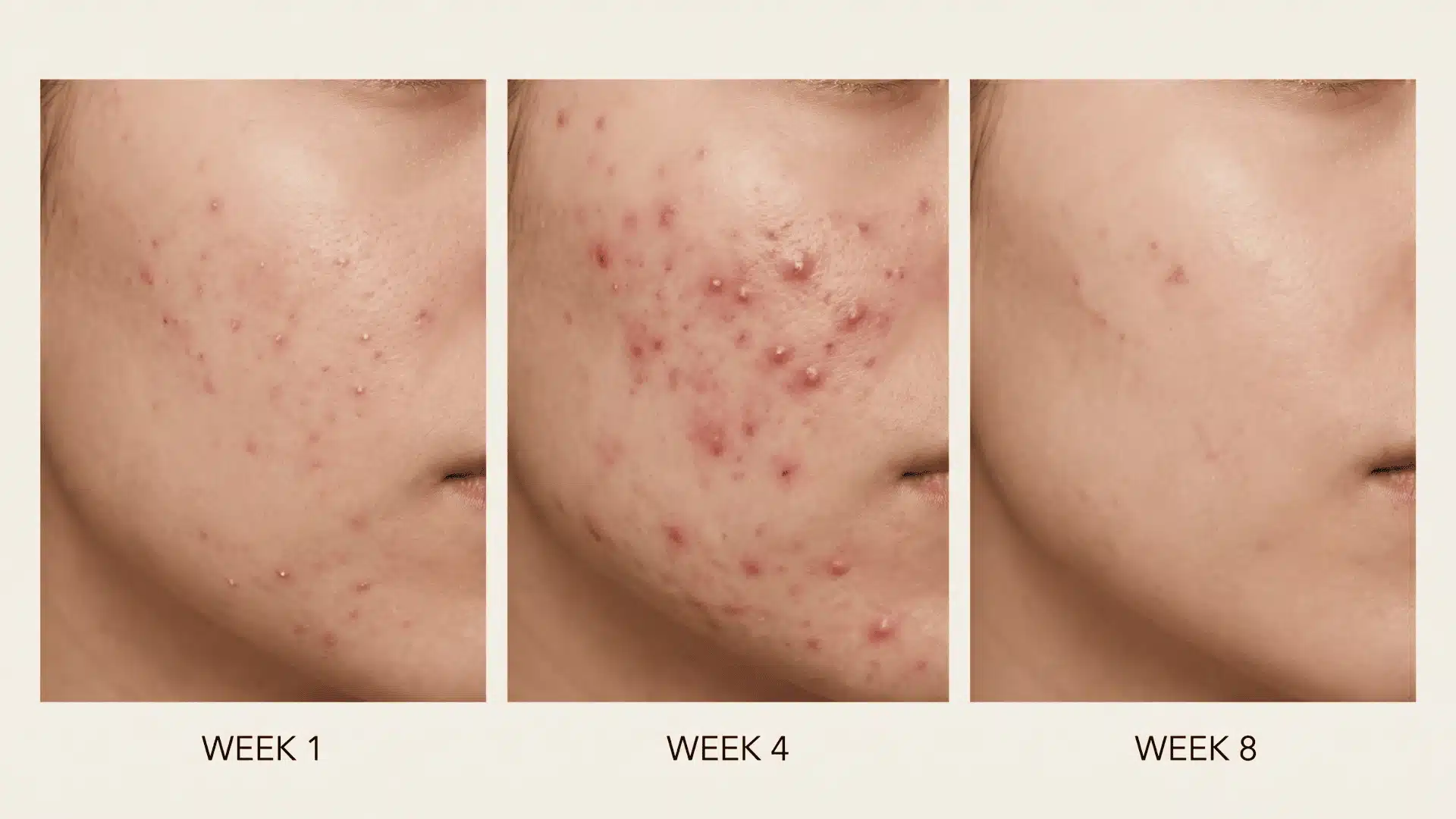
Tretinoin purges follow a predictable timeline, reflecting the extent of underlying congestion in your skin. Understanding the week-by-week pattern helps manage expectations.
Week-By-Week Breakdown
- Weeks 1–2 (Adjustment Phase): Mild texture changes, slight flaking, and a few early breakouts appear as skin begins accelerated renewal.
- Weeks 3–6 (Peak Purge): Deepest congestion surfaces, breakouts are most frequent, and turnover is in full swing. This is typically the hardest period. During this period, rapid shedding and the accumulation of surface microcomedones lead to more visible breakouts.
- Weeks 6–12 (Settling Phase): Breakouts become less frequent, skin texture improves, and the cycle begins to stabilize. Visible clearing is well underway. If breakouts persist beyond 12 weeks, it may not be a purge and should be evaluated by a dermatologist.
Important Considerations
These key considerations help you navigate the purge safely, preventing prolonged irritation and distinguishing normal clearing from problems.
- Starting Slowly: Using tretinoin every night from the beginning can damage the skin barrier, extending purge-like symptoms. Gradual introduction prevents overlap of purging and barrier compromise.
- Beyond 12–16 Weeks: If no meaningful improvement occurs, breakouts are likely due to factors other than purging, such as hormonal issues, incorrect concentration, or a compromised barrier. Consult a prescriber at this stage.
Most purges peak by weeks 6–8 and generally resolve by 12 weeks. Slow introduction and monitoring help distinguish normal clearing from other issues.
How to Manage the Purge without Quitting?
The goal during a purge isn’t to stop it. The purge is the process working. The goal is to keep your barrier intact while it runs its course, because a damaged barrier and an active purge on top of each other are what make people quit.
These two things can happen at the same time, and they’re easy to confuse. Separating them is what this section is really about.
Application Guidelines
Following proper application guidelines ensures your skin adjusts gradually to tretinoin, minimizing irritation while supporting effective purging and renewal.
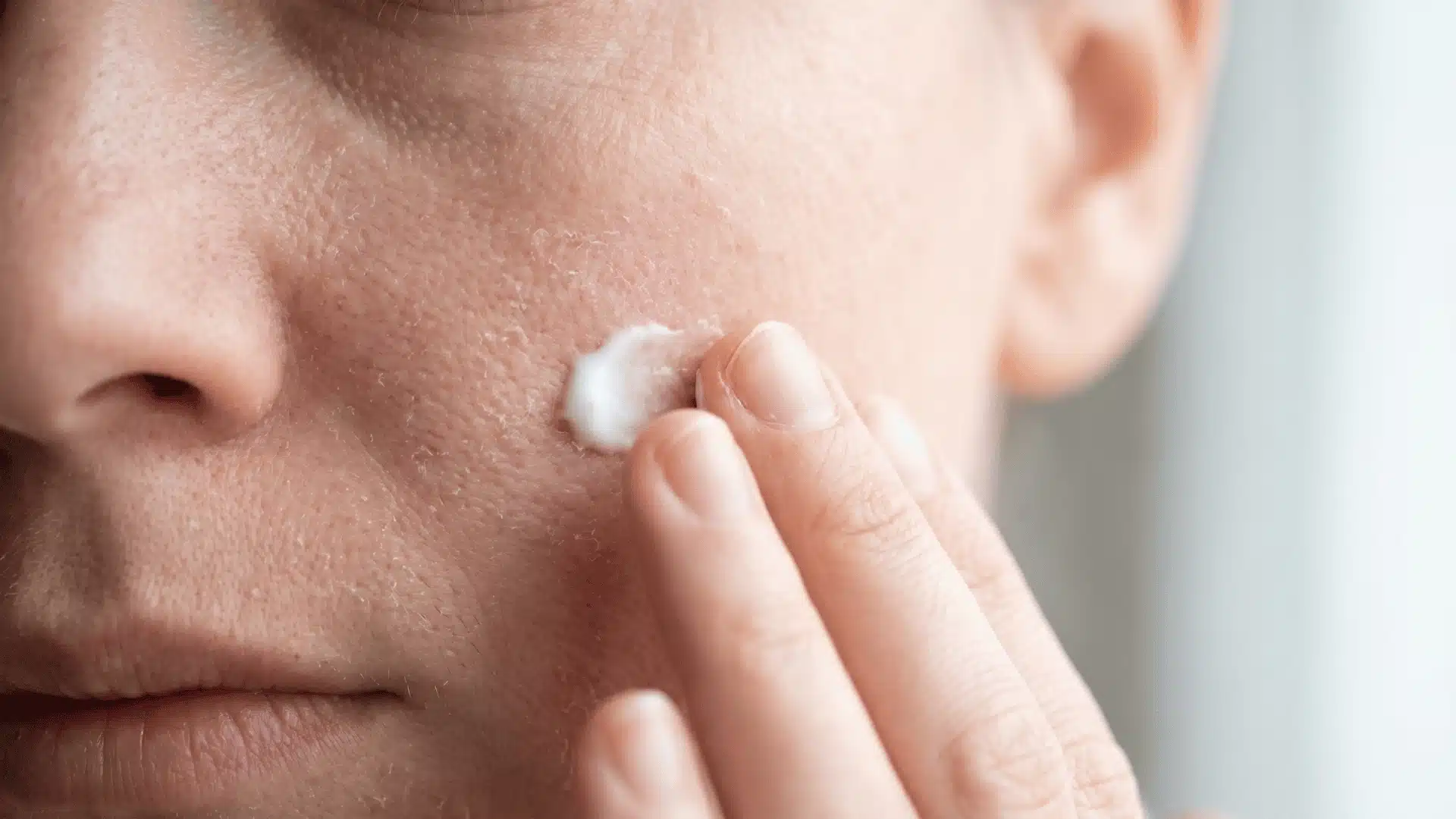
- Frequency: Begin with two to three nights per week. Avoid nightly use initially to prevent damage to the barrier and excessive irritation.
- Timing: Wait 20–30 minutes after cleansing before applying. Applying to damp skin increases absorption and irritation without boosting results.
- Amount: Use a pea-sized amount for the entire face. More product increases irritation, not effectiveness.
Consistently applying tretinoin correctly protects your skin barrier, reduces flare-ups, and allows accelerated cell turnover to work safely and effectively.
Protecting the Barrier
Supporting the skin barrier during a tretinoin purge is essential for reducing irritation, maintaining hydration, and preventing long-term damage.
| Focus | Guideline | Explanation |
|---|---|---|
| Moisturizers | Use ceramides and hyaluronic acid | Ceramides restore lipids; hyaluronic acid draws in and retains hydration, helping the barrier recover. |
| Sandwich Method | Moisturizer → Tretinoin → Moisturizer | Buffers tretinoin penetration on irritated nights without diluting its effect. |
| Sun Protection | Daily SPF | Protects thinned skin from UV damage and prevents long-lasting hyperpigmentation. |
Hydration, buffering, and consistent sun protection help the skin tolerate tretinoin, reduce irritation, and support a smooth clearing process.
What to Stop Using Temporarily?
Some ingredients that are normally fine become too much during a purge.
The ones to pause are:
- AHAs like glycolic acid and lactic acid exfoliate a barrier already under stress
- BHAs like salicylic acid, same issue, different mechanism
- High-percentage vitamin C can cause stinging and additional irritation on compromised skin
- Physical scrubs are avoided entirely until the purge settles
Note: This isn’t permanent. After skin stabilizes, usually around weeks 6–8, reintroduce actives one at a time. They’re paused not because they cancel tretinoin, but to avoid overloading your stressed barrier; adding more actives during a purge only prolongs recovery.
When is the Purge actually a Problem?
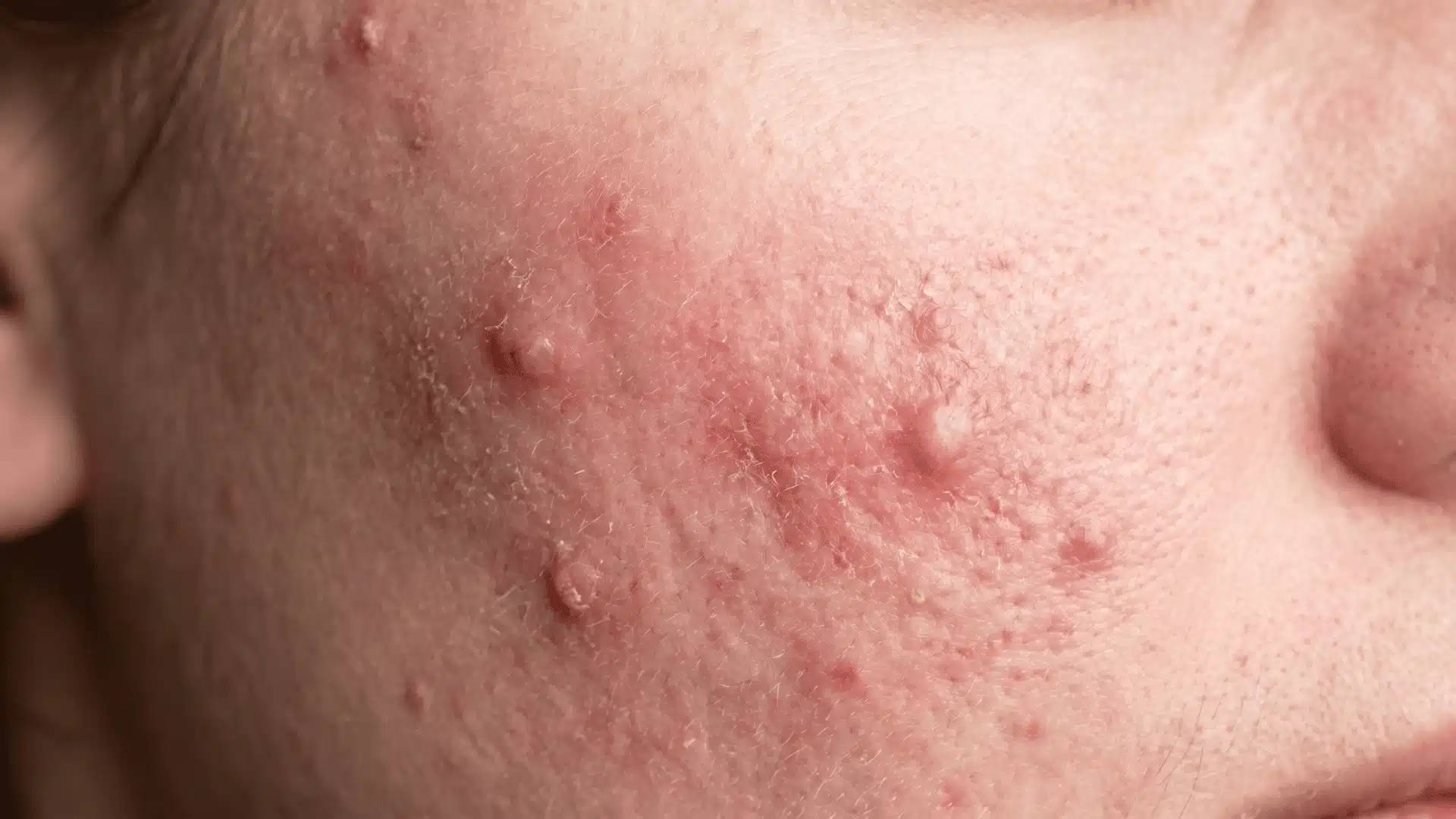
A tretinoin purge can be uncomfortable, but discomfort isn’t harmful. Recognizing warning signs helps prevent prolonged damage or unnecessary worry.
Ignoring prolonged irritation can compromise the skin barrier and extend recovery time.
- New Breakouts: Spots on the cheeks, neck, or other areas that never break out indicate a reaction, not a purge.
- Severe Cysts: Deep, painful acne worse than your baseline signals barrier compromise rather than normal purging.
- Persistent Burning or Rawness: Ongoing irritation despite reduced frequency and moisturizer shows a damaged barrier.
- Recovery Approach: Reduce tretinoin to 1–2 nights per week and focus on barrier repair to separate clearing from damage.
- 12–16 Week Limit: If skin worsens beyond 4 months, it’s not a purge; consult your dermatologist.
Knowing the difference between a tretinoin purge and barrier damage ensures proper care, prevents long-term harm, and keeps your skin on track.
Conclusion
The tretinoin purge shows your skin is clearing microcomedones and renewing itself. Temporary breakouts indicate the treatment is working, not that something is wrong.
Using proper application, barrier support, and pausing harsh actives reduces irritation, helping skin tolerate the purge while maintaining hydration and overall health.
Reflecting on the stages shows that patience is key. Many users see noticeable improvements by twelve weeks, proving that consistency and careful management deliver smoother, healthier skin.
Monitoring warning signs and consulting a dermatologist when needed ensures safe completion. Supporting your skin and staying consistent lead to lasting results with minimal complications.
Frequently Asked Questions
How Long Does a Tretinoin Purge Typically Last?
Many people see the purge peak in the first 3–6 weeks and begin to improve by about 8–12 weeks of consistent use, as accelerated cell turnover pushes pre‑existing congestion to the surface.
How Can You Tell if It’s a Purge or a Regular Breakout?
A purge usually occurs where you normally break out and clears faster, while new acne in unfamiliar areas or persistent inflammation suggests irritation or another issue.
Can You Prevent or Minimize a Tretinoin Purge?
You can’t fully prevent purging, but starting at a low frequency and buffering with moisturizer can make it less intense without reducing efficacy.
Does Everyone Purge when Starting Tretinoin?
Not everyone experiences a noticeable purge; those with less underlying congestion or prior retinoid use may have a milder or no visible purge.