In many one battle after another reviews, the film sits in a rare space where craft, structure, and audience response pull in different directions.
The film has sparked discussion not just for its scale, but for how it blends tone, narrative approach, and political undercurrents into a single experience that doesn’t behave like a standard action-comedy.
Instead of offering an easy consensus, it forces viewers to react based on what they prioritize: momentum, meaning, or patience with ambiguity.
This breakdown looks at what the film is about, why critics respond so strongly to its craft, and why audience reactions remain sharply split. It begins with the foundation of its story and style.
What is One Battle After Another about, and What Kind of Film is It?
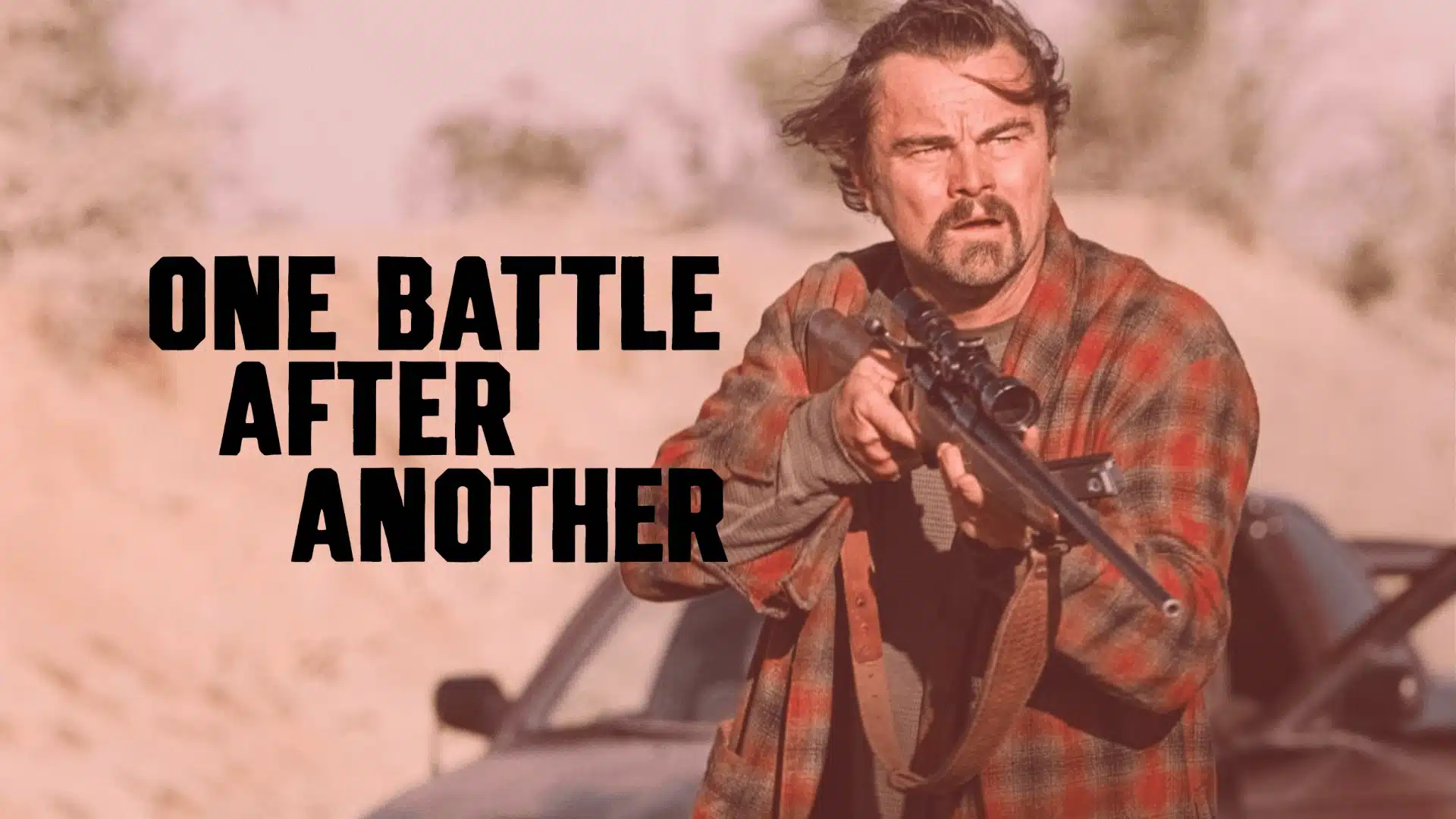
One Battle After Another is a 162-minute alternate-history action-comedy directed by Paul Thomas Anderson, loosely based on Thomas Pynchon’s Vineland. It marks PTA’s return to a present-day setting after years, which explains the critical attention it received in many One Battle After Another reviews.
The film doesn’t sit in a single genre. It blends:
- screwball comedy
- action
- political thriller
- father-daughter story.
Pynchon often mixes genres in a way where the humor feels absurd on the surface, but there’s always something political or uneasy sitting underneath it. Anderson keeps that same structure in the film, just translated into visuals and pacing.
I remember the first time I watched something like this without knowing that context, and it felt off at first. The movie could not decide what it wanted to be. A serious moment would hit, and then suddenly something ridiculous would follow, and it threw me out of it for a second.
Once you know that going in, it stops feeling random. It starts to feel intentional. Without that context, the shifts can easily feel confusing
Critical Consensus on One Battle After Another
A high critical score only tells part of the story. The useful insight is what critics consistently praise and where reactions split.
Across reviews, the strongest agreement is on the craft. The action sequences are widely called some of the best in recent cinema. The cinematography is praised for its precision and visual clarity, while the soundtrack is noted for matching the film’s energy without overwhelming it.
PTA’s direction also draws steady praise. Critics point to intentional pacing, where action and absurdity are tightly structured rather than chaotic for its own sake.
Where Praise and Criticism Diverge
This is where most one battle after another reviews start to separate. The first act is often described as slow to settle into, even by positive reviews. The political themes divide critics, with some finding them sharp and others calling them overly direct.
Reviewers like Roger Ebert’s mentioned:
a remarkably propulsive, fun, and eventually moving piece of work about the human beings caught up in the chaotic machine
The New Yorker’s praise:
a politically charged, symbolically rich piece… exploring themes of revolution, power, and resistance
The film is seen as rewarding, but only after a demanding setup
Why One Battle After Another Reviews Are So Divided
Every review mentions the split. Almost none of them explain it. The divide isn’t random; it comes from something specific in how the film is built.
The Runtime Argument
162 minutes is constantly cited as the problem. It’s not quite right. The runtime gets blamed, but the real issue is the first act, which feels disorienting before stakes and tone settle.
Characters come in pretty loosely, and the tone shifts early on. It follows that Pynchon-style structure where things don’t lock in straight away, and you’re kind of expected to sit with the mess for a bit until it starts connecting later.
I’ve had that moment where it feels like nothing is really sticking together in the first stretch, and I can see why that puts some people off. If you read it as intentional, it starts to click that the film is building something and not just wandering. But if it lands as unfocused, it is usually hard to pull people back in after that point.
Same length on paper. Very different experience. The key factor is how the first thirty minutes land.
The Political Tone Problem
The film leans on screwball comedy to carry political ideas. That is built into the structure. Because of that, it can feel like two different movies depending on what someone expects going in.
If you show up for action and comedy, the political parts can feel like they slow things down or get in the way. If you are tuned into PTA’s intent, then the politics feels like the main thing, and the comedy is just the way it is delivered.
Both readings hold up. It is more about how it is being viewed than anything the film is changing.
The Forum Discourse vs. the Film Itself
Online reactions often frame the Best Picture win as politically driven. That reading suggests critical praise comes mainly from agreement with the film’s message rather than its filmmaking. A closer look reveals that the claim is separate from what critics actually evaluated.
| Claim in online discourse | What critics actually focus on |
|---|---|
| Critics liked it mainly because of political alignment | Reviews consistently center craft elements like direction, pacing, cinematography, and editing |
| The film wins due to its message over its merit | Praise repeatedly highlights technical execution, especially action staging and visual design. |
| Political tone drives acclaim. | Politics is mentioned, but often alongside mixed reactions rather than uniform approval. |
| Positive reviews ignore flaws. | Even strong reviews note issues like a slow first act and uneven tone transitions. |
| Agreement equals bias | Critical consensus is built from specific, repeated observations, not a single ideological reading. |
Reducing the response to politics alone flattens the actual criticism. Reviews show a split between the interpretation of themes and the evaluation of craft, and these are judged separately in most cases.
The Performances: DiCaprio, Penn, and Why the Supporting Cast Matters
DiCaprio is the name on the poster. Penn is the one the film actually leans on.
Looking at both what the supporting cast is doing and why Penn’s performance drives so much of the film gives a much clearer picture of how it all works.
Leonardo DiCaprio as Bob
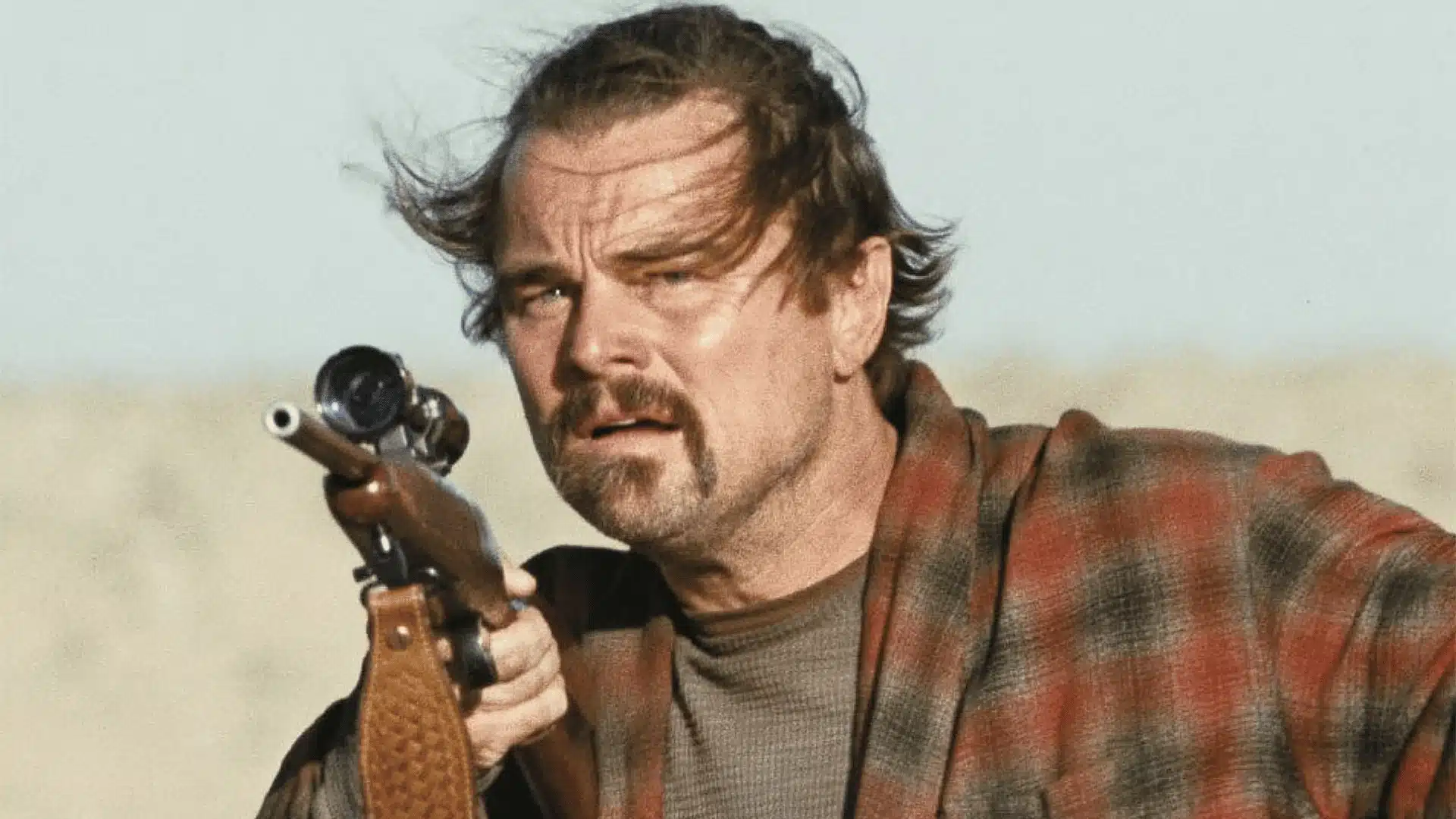
The praise for DiCaprio is genuine, but part of what’s being measured is surprise.
He plays Bob as a physically committed, really funny alcoholic father in hiding. That is not the kind of role people usually expect from him. A lot of the “revelation” talk in reviews comes from that gap.
Critics are reacting not just to the performance itself, but to seeing him in a register they have not really seen before.
That also ties back to what is one battle after another about, because once you understand the story setup, his performance lands in a more grounded way instead of feeling like pure novelty.
The performance earns the reaction. But knowing that surprise is part of what is driving the praise helps you read it a bit more clearly and not overcorrect for the hype.
Sean Penn as Colonel Lockjaw
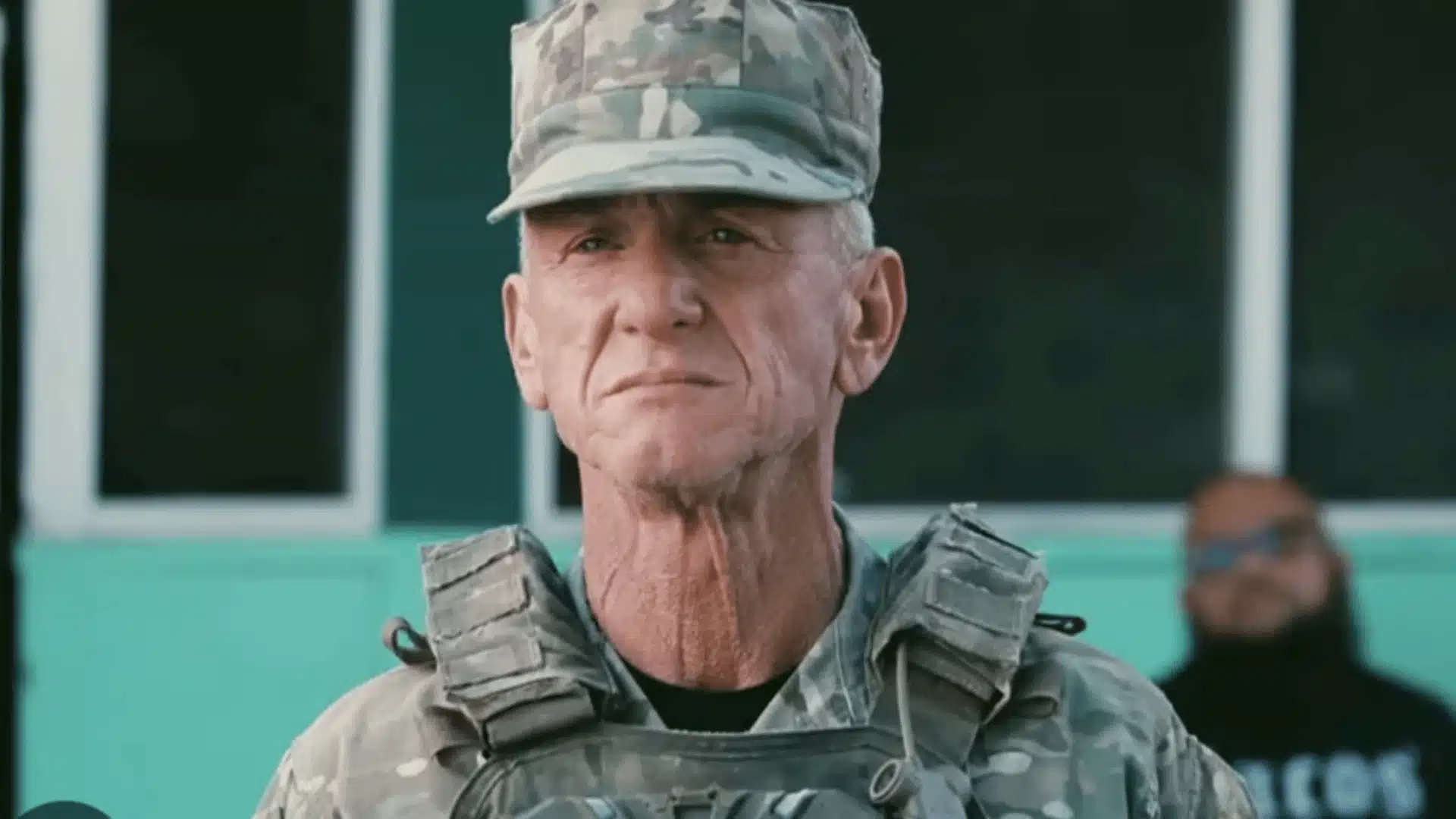
Penn won Best Supporting Actor at this year’s Oscars, his third win. And honestly, I think he deserved it. Penn plays Colonel Lockjaw in a way that just sticks with you after the scene ends.
Colonel Lockjaw looks calm on the outside, but there is something deeply unsettling underneath. Penn keeps him really still, almost quiet, and that is what makes it work. Every time he shows up, you feel like something could go wrong without warning.
He is not doing big acting or loud moments. It is all controlled, and that is where the tension sits.
A lot of the film’s pressure runs through him. DiCaprio handles the comedy and the emotional side. Penn carries the threat. Take either one out and the whole thing stops holding together properly.
The Supporting Cast
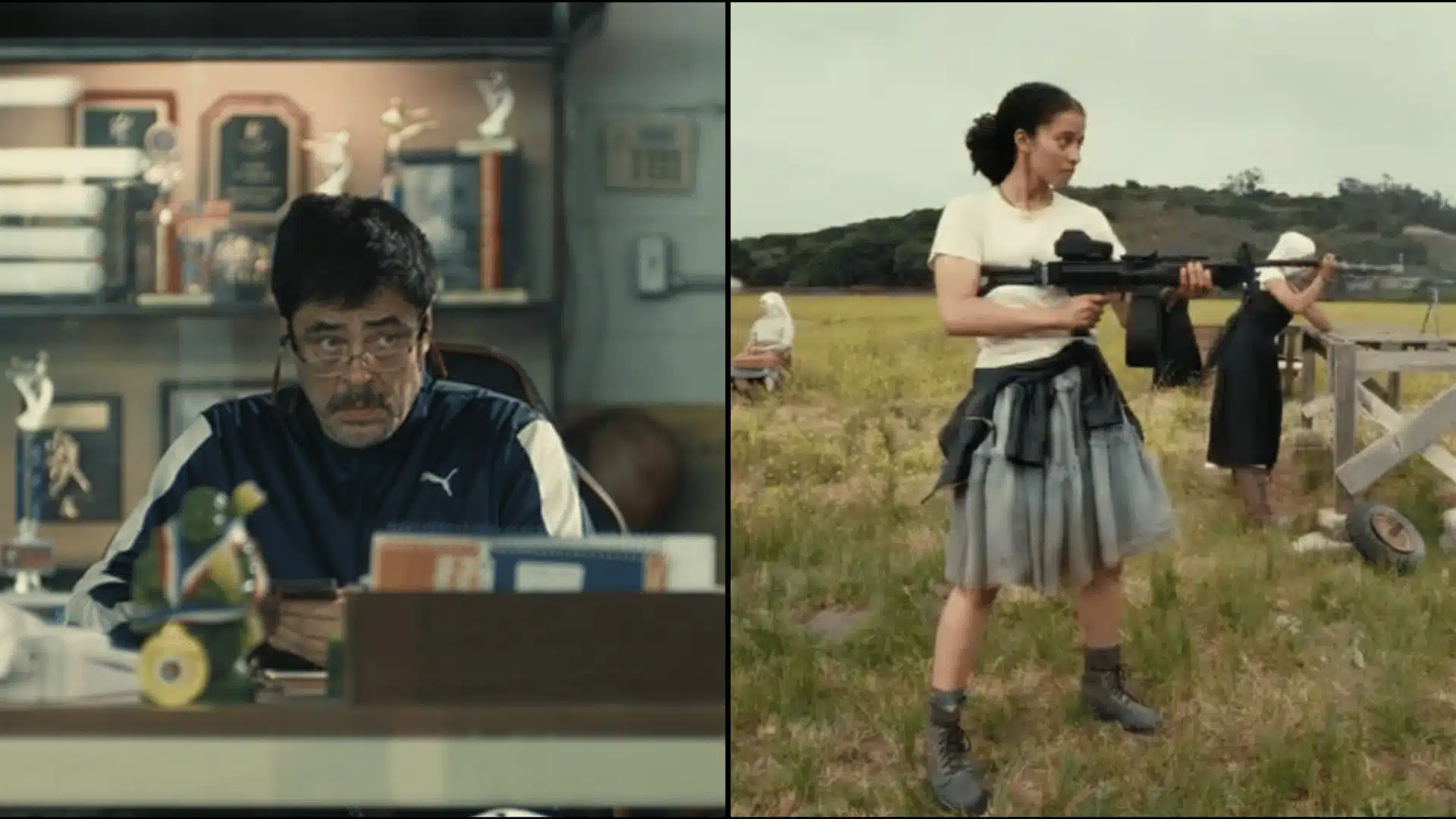
Benicio del Toro plays a dojo owner who gives the film a kind of break in the middle of all the chaos. His delivery is dry, almost deadpan, and it works like a pressure release when things start getting too intense.
It is not a big role, but it is very specific in what it is doing, and you notice it when it is gone.
Chase Infinity, in her first role as Bob’s daughter, ends up carrying the emotional core of the film. The father and daughter story is what gives the long runtime its weight.
It works mainly because her performance stays steady the whole way through, and you can actually feel that consistency while watching.
Should You Watch It? Who This Film Is For
All the points above lead to a pretty simple takeaway.
If you are okay with:
- slow-burn opening that takes time to lock in
- shifting tones instead of one steady mood
- political ideas woven into an action-comedy setup
Then it usually pays off. The performances hit, the action is getting a lot of praise, and the ending actually lands with weight instead of just wrapping things up.
If you prefer something that locks its tone early and stays there, or if 162 minutes already feels like too much, then the common complaints will probably make sense to you too.
It is not really about quality here; it is more about whether the film fits how you like to watch stuff.
Viewing Experience and Format Considerations
One practical factor is availability on streaming. That makes it easier to pause and return to the early stretch, which some viewers find the hardest part. The theatrical version demands full attention, while streaming reduces the cost of commitment.
Viewer reactions tend to split in a consistent pattern: some feel disoriented early and never adjust, while others find the pacing clicks after the first act and the rest becomes compelling.
Conclusion
One Battle After Another leaves a rare kind of imprint because it doesn’t resolve into a single reading. It operates on layered intent, in which structure, tone, and theme compete for attention rather than settling into harmony.
That is also why One Battle After Another reviews feel so split. Some people click with its rhythm straight away, while others never really find a steady way into it.
The film’s strength lies in how deliberately it resists simplification, rewarding viewers who stay with its shifting form while challenging those expecting conventional pacing or clarity.
In the end, it becomes less about agreement and more about alignment with its design.
Frequently Asked Questions
What is One Battle After Another based on?
It’s a loose adaptation of Thomas Pynchon’s novel Vineland. Anderson keeps Pynchon’s absurdist tone and political undercurrents, sets it in the present day, and builds the emotional core around a father-daughter relationship.
Why did One Battle After Another win Best Picture?
Critics pointed to PTA’s direction, the action sequences, and the emotional payoff of the central relationship. The craft arguments are specific and consistent. Audience division was real, but it didn’t change the outcome.
Is One Battle After Another too long?
The runtime is 162 minutes. The first act is the real issue, deliberately disorienting before it coheres. Viewers who stay with it find the length is worth it. Viewers who need early orientation tend to disengage and don’t recover.
How does Sean Penn’s performance compare to DiCaprio’s?
DiCaprio surprised people with his comedic physicality. Penn’s Colonel Lockjaw is quieter and more controlled, and it’s the performance on which thefilm’ss tension depends. His third Oscar win reflects exactly that.