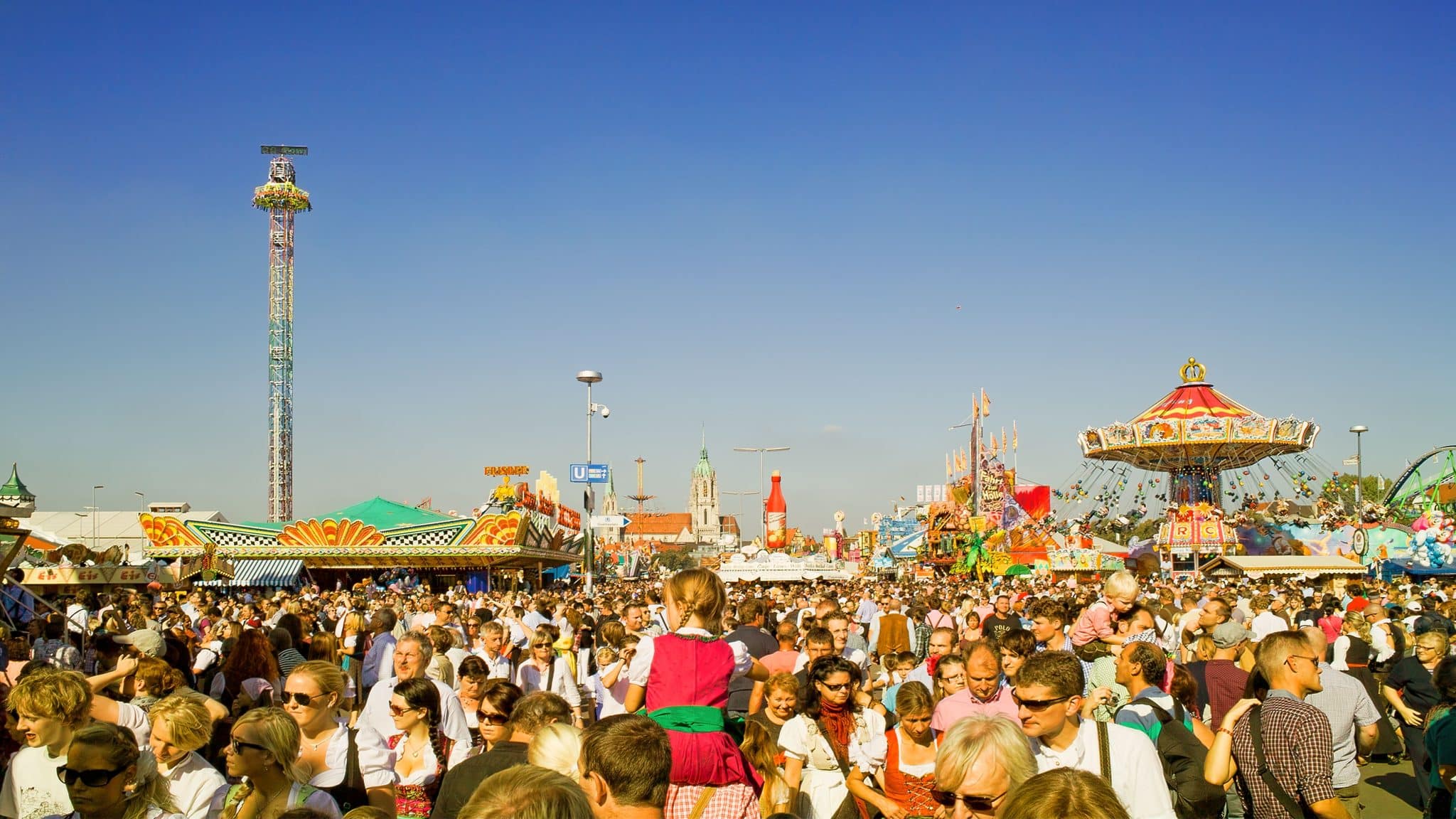

Walk through any food festival, and you will see an operation that just looks effortless. Trucks pull in, grills fire up, and lines move. But a smooth event like that takes a lot of planning behind the scenes.
Feeding a crowd outdoors without a permanent kitchen creates several challenges. Organizers need to plan for power, refrigeration, food safety, and enough space for prep. If one piece falls short, the entire service can slow down or stop.
This is what organizers actually deal with when they plan a pop-up food event, and why the solutions they choose determine whether the day runs smoothly or falls apart by the second hour.
A Handful of Food Trucks Isn’t the Same as a Real Food Operation
Booking five or six food trucks may sound like enough, but food trucks aren’t designed to handle coordinated, high-volume service across a large event.
Each truck runs its own generator, its own water supply, and its own limited storage. None of that scales when foot traffic spikes. A truck that handles a steady lunch rush without trouble can fall behind fast once a festival crowd arrives all at once, which is exactly what happens at most events.
Vendors also share limited event resources, including power, water, and trash service. When demand spikes, those resources can become bottlenecks.
Menu variety adds another layer of difficulty. Organizers want a mix of cuisines to keep attendees interested. The problem is every additional truck means another generator, another water tank, and another set of health permits to track. The more vendors an event books, the more infrastructure problems stack up behind the scenes.
Power and Refrigeration Break First
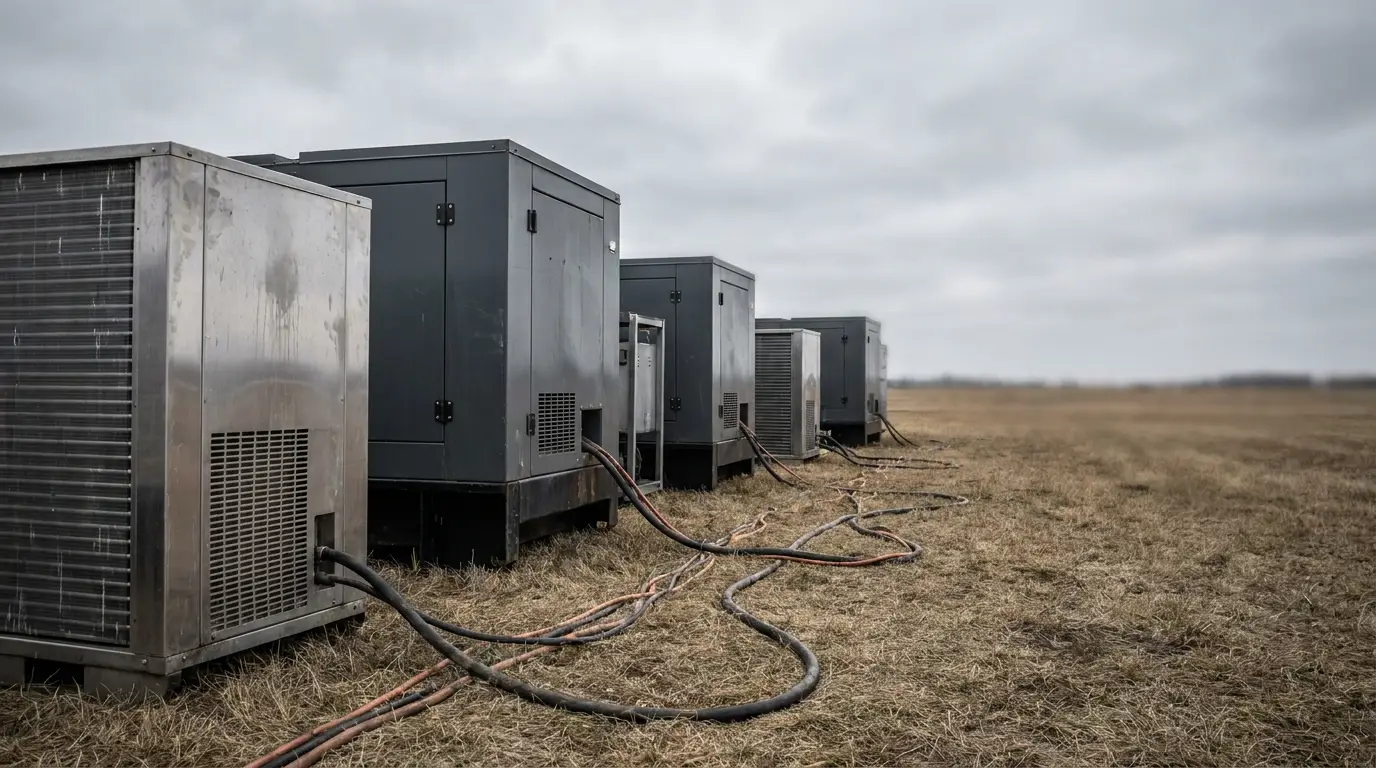
Multiple vendors share generators, and when the demand spikes, breakers can trip. A tripped breaker doesn’t just kill a fryer. It can shut down refrigeration units holding hundreds of dollars in perishable inventory.
Refrigeration failures are the most common reason events lose product mid-day. Cold storage needs its own power source, separate from the rest of the event. One bad circuit can spoil an entire day’s supply before anyone catches the temperature climbing.
Weather adds another variable. A hot afternoon pushes refrigeration units harder right as foot traffic peaks and power demand climbs across the whole site.
Health Inspectors Still Show Up at Pop-Up Events
A temporary setup doesn’t mean temporary rules. Local health departments treat pop-up food service the same way they treat a restaurant kitchen. That means handwashing stations, food-safe holding temperatures, and documented equipment all need to be in place before service starts.
Inspectors check for cross-contamination risks, proper cold-holding temperatures, and sanitation access. This is why serious event planners verify compliance requirements before booking any vendor.
Requirements also vary by city and county, so a setup that may pass an inspection at one festival isn’t guaranteed to pass at the next. Organizers who confirm local health codes early avoid last-minute changes to layout, equipment, or vendor lineup once the event is already underway.
Purpose-Designed Trailers Solve the Kitchen Problem Trucks Can’t
Once an event grows past a handful of trucks, the smarter move is renting equipment fit for high-volume, multi-vendor service instead of stacking individual trucks side by side. Mobile kitchen trailers give organizers space set aside for cooking, prep, and storage that doesn’t depend on any single vendor’s setup.
One great example: food service trailers for rent from Response Logistics arrive with power, plumbing, and refrigeration already installed. Organizers don’t have to improvise infrastructure on-site.
A single trailer also simplifies health compliance since the equipment already meets commercial food service standards. Instead of coordinating inspections across six separate trucks, organizers work with one unit that passes as a single, self-contained kitchen.
What to Plan For Before You Book Any Vendors
Anyone organizing a pop-up food event should start with three questions.
- What’s your estimated guest count?
- What does the power and water access look like on-site?
- And does the venue’s health department require documentation before service begins?
Answering these early prevents the scramble that happens when a festival draws more people than the vendor setup can handle. It also determines whether individual food trucks will cover the event or whether the crowd size calls for a standalone kitchen setup instead.
Timing plays a role as well. Booking this kind of equipment close to the event date limits available options, since vendors and rental providers plan around a full calendar of festivals and private events. Locking in infrastructure early gives organizers room to adjust if the crowd size changes.