Do you love sleek ponytails, tight buns, or perfect braids? While tight hairstyles look amazing and keep your hair neat all day, they might be secretly damaging your hair and scalp.
Many people don’t realize that constantly pulling their hair tightly can cause serious problems like breakage, scalp pain, and even permanent hair loss.
The good news is that you can still rock beautiful styles while keeping your hair healthy.
Learning about the risks of tight hairstyles and safer styling tips will help you protect your hair for years to come.
Understanding Tight Hairstyles and Their Appeal
Tight hairstyles pull your hair firmly against your scalp, such as high ponytails, sleek buns, tight braids, or styles using strong elastic bands or clips. Many people love these looks for their polished, put-together appearance, especially for work, sports, or special events.
They’re also convenient because they keep hair out of your face and stay in place all day without much touch-up. Athletes often choose them to prevent hair from interfering with activities, and workplaces often prefer neat, controlled styles.
However, if you’ve ever wondered why scalp feels sore, tight hairstyles may be to blame. These styles can create tension on your scalp, contributing to discomfort over time.
Risks Associated with Tight Hairstyles
While tight hairstyles can look great, they can also cause serious problems for your hair and scalp. Understanding these risks helps you make better choices about how often to wear tight styles and when to give your hair a break.
1. Hair Breakage and Weakening
Constant pulling weakens your hair strands, creating weak spots along the hair shaft. The tension is strongest near your roots, where hair is most likely to snap. This leads to shorter broken pieces and split ends.
2. Scalp Irritation
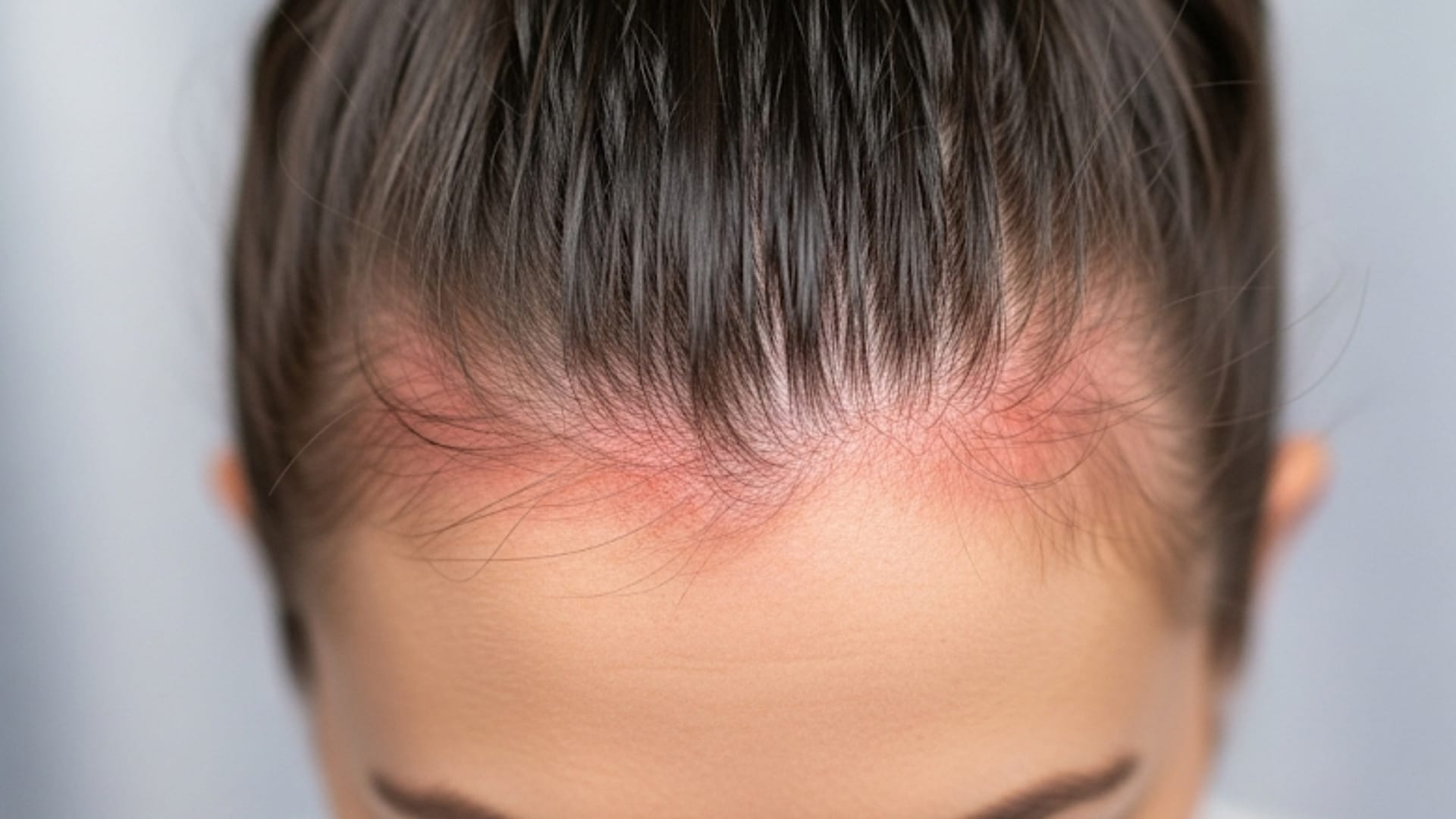
Tight hairstyles can make your scalp sore, itchy, or red due to constant tension. These effects often worsen when combined with scalp sensitivity habits, like overwashing or using harsh products.
3. Traction Alopecia
This serious condition causes permanent hair loss from too much pulling over time. It usually starts with your hairline moving back or thin spots around your temples. The damage can be permanent.
4. Damage to Hair Follicles
When tight styles hurt your hair follicles, they cannot make strong, healthy hair anymore. The follicles become weak and may shrink, causing thinner hair growth or permanent bald patches.
5. Changes in Hair Texture
Constantly pulling your hair can change its natural appearance and feel. Curly hair might lose its bounce, and all hair types may become drier, more brittle, and lose their shine.
6. Additional Risks
Wrong accessories can worsen damage – rubber bands with metal parts tear hair, and tight elastics or sharp clips cause breakage. Plus, conditions like a sunburned scalp can increase sensitivity, making tight styles even more uncomfortable.
Safer Styling Tips to Protect Hair
You can still enjoy beautiful hairstyles while keeping your hair healthy. Making small changes to your hair styling can help prevent damage and keep your scalp comfortable. These simple tips will help you protect your hair while still looking great.
- Choose Looser Styles: Try loose braids or ponytails. Use fabric hair ties instead of rubber bands.
- Give Your Hair Breaks: Switch between tight and loose styles or wear your hair down sometimes.
- Be Gentle with Wet Hair: Use a microfiber towel and wide-tooth comb. Avoid tight styles on wet hair.
- Adopt Your Natural Texture: Work with your hair’s natural pattern instead of fighting it.
- Get Regular Care: Trim split ends and see a doctor if you notice hair loss.
Remember, healthy hair is always more beautiful than damaged hair. Taking care of your hair now will help you enjoy many different hairstyles for years to come.
Early Warning Signs to Watch For
Pay attention to warning signs that your hairstyles might be too tight. Look for scalp tenderness, especially around your hairline and temples.
Notice if you find more broken hairs on your brush or pillow than usual. Check if your hairline is moving back or if you see thin spots developing along your edges.
Make it a habit to check your hair and scalp regularly in the mirror. If these symptoms don’t go away after loosening your styles, see a dermatologist right away.
Catching problems early and changing your styling habits can prevent permanent hair loss from happening.
That’s a Wrap
Taking care of your hair doesn’t mean giving up the styles you love. By understanding the risks of tight hairstyles and using safer styling tips, you can keep your hair healthy and beautiful.
Remember to give your hair regular breaks, use gentle accessories, and watch for warning signs. Start making small changes today, like choosing fabric hair ties over rubber bands or loosening your ponytail just a little bit.
These simple adjustments will help protect your hair while keeping you looking amazing. Have you noticed any of these warning signs with your favorite hairstyles?
Share your experiences and tips in the comments below!