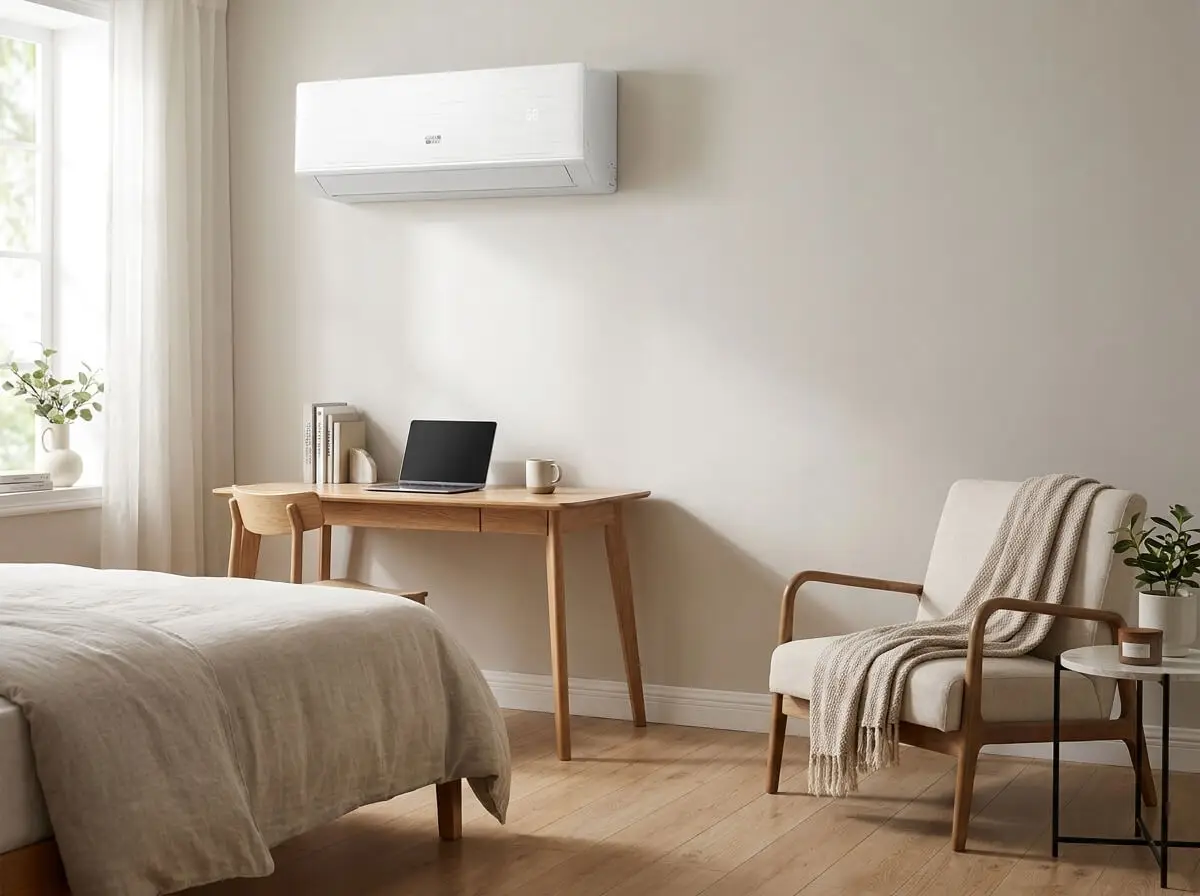

Cooling a large room is not simply a matter of choosing the biggest air conditioner you can find. The system needs enough capacity to handle the room’s heat load without being unnecessarily oversized. For open-plan living areas, garages, workshops, large bedrooms, and other spacious rooms, a mini split can offer flexible temperature control without requiring traditional ductwork.
One capacity that often appears in searches for larger spaces is 24,000 BTU. But what does that number actually mean, and when is a 24000 BTU mini split an appropriate choice? Understanding room size, insulation, climate, layout, and system efficiency can help you make a better decision.
What Does 24,000 BTU Mean?
BTU, or British Thermal Unit, is a measurement used to describe an air conditioner’s cooling capacity.
A 24,000 BTU system provides a nominal cooling capacity of approximately two tons. In general, that places it well above smaller 9,000- or 12,000-BTU systems commonly used for bedrooms, home offices, and smaller living spaces.
However, BTU capacity should not be matched to room size using square footage alone. Several factors can raise or lower the amount of cooling a space actually needs, including:
- Ceiling height
- Insulation quality
- Number and size of windows
- Direct sun exposure
- Local summer temperatures
- Number of occupants
- Heat-producing appliances
- Whether the room is open or divided
For this reason, a 24,000 BTU unit may be appropriate for one large room but oversized or undersized for another room with the same floor area.
How Much Space Can a 24000 BTU Air Conditioner Cool?
A 24000 btu air conditioner is typically considered for larger residential spaces, but exact coverage depends heavily on the conditions of the room.
A well-insulated open-plan living area with limited direct sunlight may place less demand on the air conditioner than a poorly insulated garage or upstairs room with large west-facing windows.
Room layout also matters. An air conditioner installed in one open space can usually distribute conditioned air more effectively than a system expected to cool several rooms separated by walls and closed doors.
Instead of relying only on a general square-footage chart, consider the total cooling load of the space. For permanent installations, a professional HVAC load calculation provides a more accurate estimate.
Why Can a Mini Split Work Well in Large Rooms?
A ductless mini split can be useful in spaces where extending existing ductwork is impractical or where independent temperature control is preferred.
The system generally includes an indoor air-handling unit and an outdoor condenser connected by refrigerant lines and electrical wiring. Because conditioned air is delivered directly into the room, there is no need for a full duct network.
This can make mini splits particularly useful for:
- Large living rooms
- Finished basements
- Garages and workshops
- Home additions
- Converted attics
- Studios
- Open-plan areas
Many modern mini split systems also use inverter technology, allowing the compressor to adjust its output as cooling demand changes.
Instead of constantly switching between maximum output and completely off, an inverter-driven system can reduce its capacity once the room approaches the desired temperature. This can help maintain more consistent indoor conditions.
What Happens If Your Air Conditioner Is Too Large?
Choosing a larger air conditioner does not automatically result in better cooling.
An oversized system may lower the room temperature very quickly. However, if it cycles off too soon, it may have less time to remove moisture from the indoor air effectively.
This can lead to a room that feels cool but still humid.
Frequent short cycling may also reduce comfort because indoor temperatures can fluctuate more noticeably.
A properly sized system should have enough capacity to handle hot conditions while still being able to operate efficiently during lower cooling demand.
This is one reason sizing matters even when choosing an inverter mini split.
What Happens If the System Is Too Small?
An undersized system may struggle to reach the thermostat setting during very hot weather.
It may run for extended periods while delivering limited temperature reduction. This can increase electricity consumption and reduce comfort, especially in spaces with poor insulation or substantial solar heat gain.
Signs that a system may be undersized can include:
- Very long cooling cycles
- Difficulty reaching the set temperature
- Certain areas remaining noticeably warmer
- Increased energy use during hot weather
- Weak performance during the hottest part of the day
Before assuming the equipment is too small, however, it is also important to check filters, airflow, refrigerant issues, installation quality, and insulation.
When Does a 24,000 BTU System Make Sense?
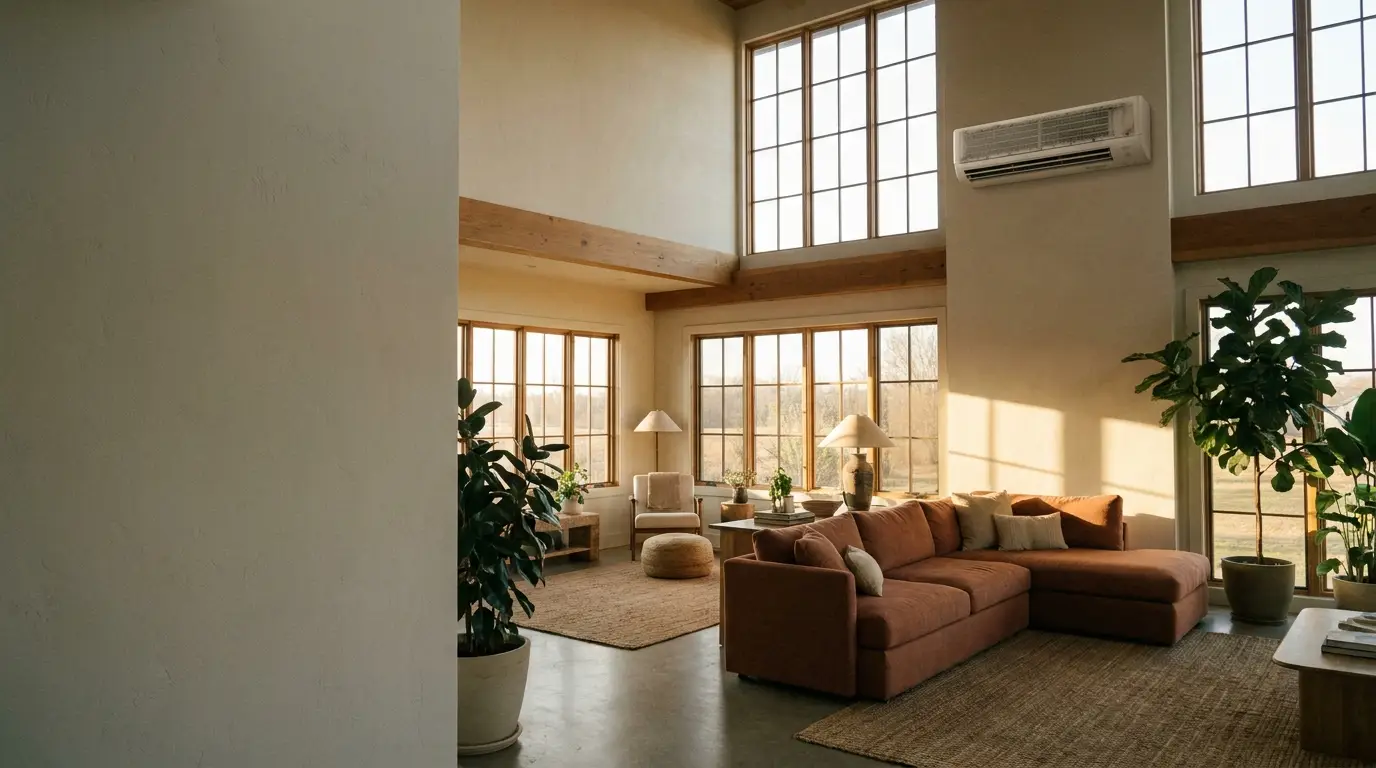
A 24,000 BTU mini split is more likely to make sense when you need to condition a relatively large, mostly open space.
Large Living Areas
Open-plan living rooms and combined kitchen-dining spaces can have higher cooling loads because they cover more floor area and may contain several windows, appliances, and occupants.
A higher-capacity system can be useful when the room is genuinely large enough to require it.
Garages and Workshops
Garages can be difficult to cool because they often have limited insulation, large exterior doors, and significant heat gain.
A 24,000 BTU unit may be considered for larger garages or workshops, but capacity should be based on actual conditions rather than floor area alone.
Finished Basements
Basements may need less cooling than upper floors because they are partially surrounded by the ground. However, large finished basements still need sufficient airflow and dehumidification.
The correct system size depends on the basement’s insulation, windows, occupancy, and layout.
Additions and Converted Spaces
Home additions and converted spaces may not be connected to the existing central HVAC system.
A dedicated mini split can provide heating and cooling without requiring major modifications to the home’s ductwork.
What Should You Consider Before Buying?
BTU capacity is only one part of choosing an air conditioner.
Efficiency Ratings
Compare the efficiency ratings of different systems instead of assuming that all 24,000 BTU units use the same amount of electricity.
Two systems with similar cooling capacity can have different energy consumption depending on their efficiency, compressor design, controls, and operating conditions.
Heating Capability
Many mini splits are heat pumps and can provide both heating and cooling.
If you plan to use the unit during winter, review its heating capacity and operating range at lower outdoor temperatures.
A unit that performs well in mild winter conditions may not provide the same output in very cold climates.
Indoor Noise
The indoor unit operates inside the room, so sound level can influence comfort.
This matters especially in bedrooms, living areas, offices, and studios.
Check the manufacturer’s published sound ratings and compare them across fan-speed settings when possible.
Installation Requirements
Proper installation has a major effect on long-term system performance.
Indoor-unit position, outdoor-unit clearance, refrigerant line installation, drainage, electrical connections, and system commissioning should all follow manufacturer instructions.
Poor installation can reduce efficiency even when the air conditioner itself is correctly sized.
Should You Choose One Large Unit or Multiple Smaller Units?
That depends on the layout of the home.
One high-capacity indoor unit may work well in a large, open room where air can circulate freely. It is usually less effective when trying to cool several separate rooms through doorways.
For homes that require temperature control in multiple enclosed spaces, several single-zone systems or a multi-zone mini split may provide better comfort.
Separate zones also allow occupants to adjust temperatures independently, which can help avoid conditioning rooms that are not being used.
The best configuration depends on the number of rooms, their sizes, insulation levels, and how often each area is occupied.
How Can You Improve Cooling Efficiency?
Even a correctly sized air conditioner performs better when the room itself is prepared to limit unnecessary heat gain.
Simple improvements may include:
- Sealing gaps around windows and doors
- Improving insulation
- Using blinds or curtains during strong afternoon sun
- Cleaning air filters regularly
- Keeping indoor and outdoor airflow unobstructed
- Avoiding unnecessarily low thermostat settings
Reducing heat entering the room can lower the demand placed on the air conditioner and help the system maintain a more consistent temperature.
Final Thoughts
A 24,000 BTU air conditioner can be a practical choice for larger rooms, open living areas, garages, finished basements, and other high-load spaces. However, capacity should always be matched to the actual characteristics of the room rather than selected from square footage alone.
A properly sized mini split can provide flexible and efficient heating and cooling, particularly where ductwork is unavailable or independent room control is preferred.
Before choosing a 24000 btu air conditioner, consider room dimensions, ceiling height, insulation, windows, climate, layout, efficiency ratings, and installation requirements. Matching all of these factors is more important than simply choosing the highest BTU rating available.