
Shopping for elevator shoes can feel confusing the first time around. Search results are flooded with bold height claims, and it is not always obvious which brands actually deliver a comfortable, natural-looking shoe versus one that just stuffs extra foam under your heel. This guide breaks the process down into practical terms, covering how these shoes are built, what separates a genuinely good pair from a mediocre one, and which categories tend to perform best.
A Quick Refresher on How These Shoes Work
An elevator shoe hides a built-in lift inside the shoe’s construction, typically positioned between the insole and outsole. That lift can be made from foam, cork, or molded plastic composites, and depending on the design it can raise the wearer anywhere from just over an inch to nearly four inches.
What makes this different from a platform sneaker is that nothing about the shoe’s outer shape gives away the added height. A well-built elevator dress shoe or sneaker looks exactly like its non-elevating counterpart from every angle. Only the wearer knows the difference.
Why Men Are Drawn to This Category
Plenty of reasons drive men toward elevator shoes, and the motivation is rarely as simple as insecurity about height. Sales professionals and lawyers often mention feeling more assertive during negotiations when they are not looking up at the person across the table. Public speakers and performers use them for stage presence. Some men just find that their tailored clothing drapes better with a slightly taller frame, since trouser breaks and jacket proportions shift with height.
There is also a smaller but meaningful group of buyers dealing with leg length discrepancies, where a discreet lift is recommended by a podiatrist or orthopedist rather than chosen for cosmetic reasons.
Traits Shared by the Best Options
Not every shoe claiming to add height is worth buying. A few specific qualities tend to show up again and again in the pairs that actually deliver on comfort and looks.
They use a layered internal structure rather than one solid block, which keeps the shoe flexible and prevents the stiff, awkward walk that cheaper lifts can cause. They also feature a heel-to-toe slope that rises gradually instead of abruptly, which protects the calves and lower back from unnecessary strain during a full day of wear.
Ventilation is another marker of quality. Since these shoes pack in more internal material than a standard pair, airflow through the lining becomes important for keeping feet cool and dry. Finally, the best options are usually made with genuine leather uppers, which shape to the foot over time and hold up far longer than synthetic alternatives.
Category Breakdown
Below is a rundown of where elevator shoes tend to perform well, organized by use case rather than brand.
For office and formal wear, oxfords and derbies remain the most natural fit, since dress shoes already have a structured sole that can accommodate a hidden lift without drawing attention. Anyone dressing for client meetings or interviews will find this category the safest bet.
For everyday casual wear, sneakers have become the fastest-growing option. Thick-soled trainers are already fashionable on their own, which makes concealing extra height inside them far easier than it would be with a slim dress shoe.
For colder months or rugged settings, boots offer some of the most comfortable elevator options available, since the extra shaft height of a boot gives designers more room to build in support without the shoe looking unusual.
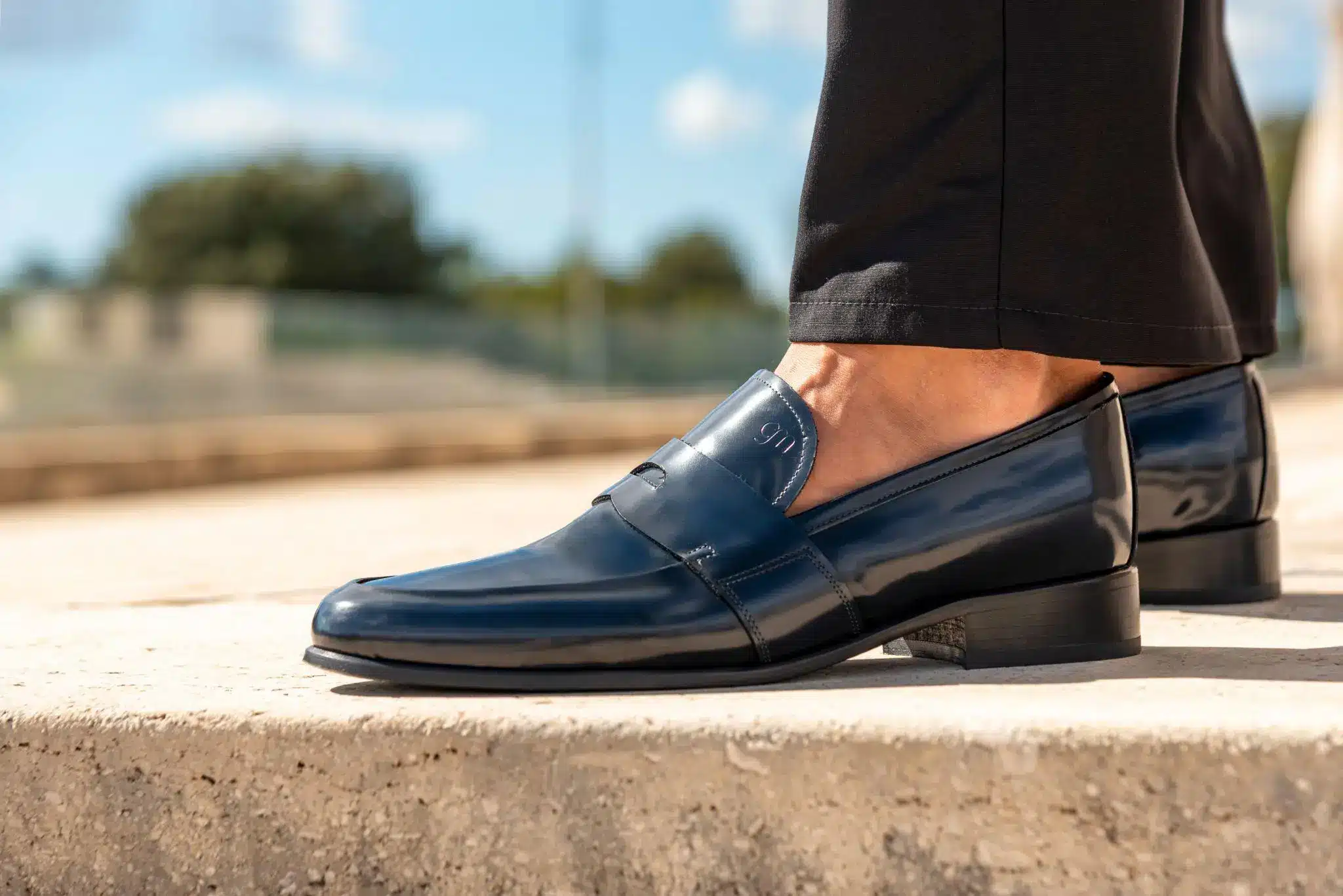
For smart-casual situations, loafers and driving shoes sit comfortably between the two extremes, giving wearers extra height while skipping the stiffness of a traditional lace-up shoe.
What to Check Before You Buy
A few practical checks can save buyers from an uncomfortable or short-lived purchase.
Pay close attention to the listed height increase and consider starting on the lower end if this is your first pair, since a dramatic jump in height can feel disorienting until your gait adjusts. Look for brands that publish clear sizing charts, since internal lifts change how a shoe fits compared to a standard pair, and guessing at size often leads to blisters or a loose, sloppy fit.
Check whether the insole is removable, since adjustable height options let one pair of shoes serve multiple occasions. Read reviews specifically about comfort over long wear rather than just appearance, since a shoe can look great in photos and still feel poor after several hours on your feet.
Manufacturing background matters here more than with typical shoes, given how much more complex the internal engineering is. GuidoMaggi is one name that comes up often in this conversation, having built its name on handmade Italian shoes designed from the start around a concealed lift, not a regular shoe with padding tucked in as an extra step.
Mistakes Worth Avoiding
New buyers sometimes chase the tallest available lift without thinking through how it will actually feel to wear all day. Starting with a moderate height and working up, if desired, tends to produce a far better experience than jumping straight to the maximum offered by a brand.
Skimping on materials to save money is another frequent misstep. A poorly made pair tends to fall apart or lose its shape within a year, whereas one built by a maker who focuses on this category can hold up through years of regular use.
Ignoring return and exchange policies is a mistake as well. Fit varies considerably more between elevator shoe brands than it does with regular footwear, so buying from a company with a fair and clear return process protects against wasted money if the first pair does not work out.
Wrapping Up
The best elevator shoes for men combine careful engineering, solid materials, and a fully natural outward appearance, delivering real height without the discomfort associated with older, poorly designed lifts. Whether the priority is a confidence boost at work, a sharper fit for tailored clothing, or simple personal preference, taking time to evaluate ramp angle, breathability, and sizing accuracy before purchasing will separate a shoe that feels like a smart upgrade from one that ends up sitting unworn in the closet.