
Why does indie fashion still feel fresh when so many trends disappear after a season?
The answer has very little to do with band tees or vintage denim. At its core, the indie aesthetic is about building a wardrobe that reflects personality instead of popularity.
Every thrifted jacket, oversized knit, and well-worn pair of jeans adds another layer to a style that feels collected rather than consumed, making it just as relevant today as it was decades ago.
The inspiration behind the look is just as interesting as the outfits themselves.
What Is Indie Aesthetic?
Indie aesthetic describes a way of dressing that favors personality over trends, mixing vintage finds with band merchandise and pieces that feel collected rather than bought all at once.
When people search for what indie fashion is, they are usually looking for a style that reads as authentic, slightly undone, and rooted in music culture rather than seasonal runway shows.
You will notice looser silhouettes, layered textures, and an emphasis on individuality over matching sets. The look draws from thrift shops, secondhand markets, and pieces that carry some history, whether that means a faded concert shirt or a jacket with a story.
It rejects anything that feels overly styled, favoring outfits that look like you grabbed your favorite things and made them work together.
|
What Is Indie Fashion? Indie fashion is short for independent fashion, originally describing clothing tied to independent musicians and designers outside major labels. The meaning has widened to cover personal style over trends and small designers over mass market brands. Indie fashion is the mindset; indie aesthetic is the visual result. |
Where the Indie Aesthetic Came From
The roots of this look trace back to independent music scenes of the late 1990s and early 2000s, when bands recording outside major labels also dressed outside mainstream fashion.
Cities like New York and London became hubs where musicians, artists, and their audiences shaped a shared visual language built on secondhand clothing and DIY styling.
The terms “indie aesthetic” and “indie sleaze” were not even in circulation at the time.
It is worth noting that the terms “indie aesthetic” and “indie sleaze” were not widely used at the time.
Fashion writers and social media creators gave these looks their names years later, looking back at the 2000s scene and organizing it into a style people could recognize and recreate today.
What started as a byproduct of limited budgets and creative freedom slowly became a recognizable aesthetic with its own rules and reference points.
How Indie Rock Shaped the Indie Aesthetic
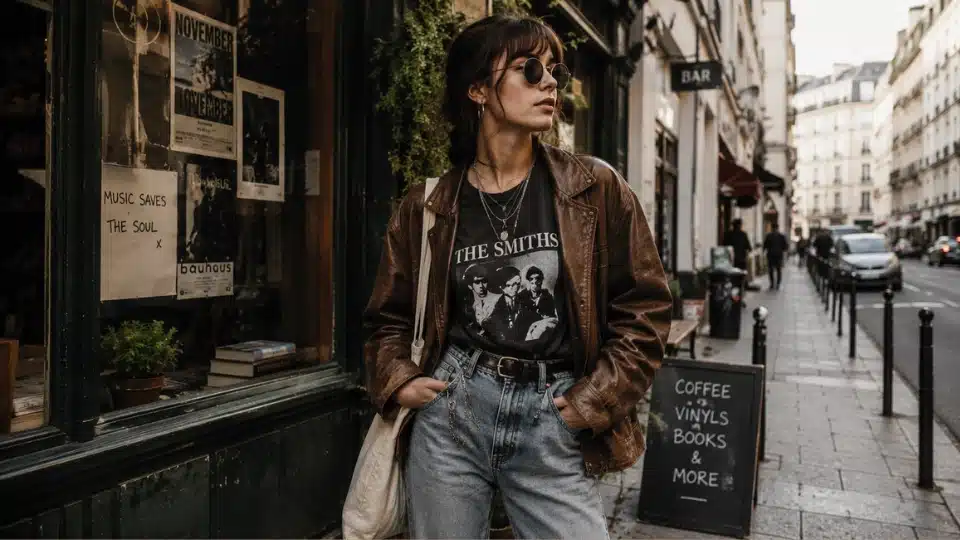
The indie rock aesthetic sits at the center of this style, since the music scene has shaped nearly every visual choice associated with it.
Band tees, ripped denim, and leather jackets did not start as fashion statements; they were practical choices for musicians playing small venues night after night.
You can trace direct lines from stage outfits to street style, especially through artists who blurred the line between performer and everyday person.
Guitar-heavy bands favored a stripped-down look that felt lived-in, and fans mirrored that energy in their own closets.
This connection between sound and style is why the aesthetic still leans on grainy textures, faded prints, and clothing that looks like it has been worn to more than one show.
The Building Blocks of an Indie Aesthetic Outfit
Before you start building outfits, it helps to recognize the individual pieces that repeat across nearly every indie look, regardless of the exact vibe. Here are some aesthetic choices.
- Band tees and graphic shirts: worn loose or tucked in, often faded or secondhand for an authentic feel.
- Denim in every form: skinny jeans, flared cuts, and denim jackets layered over lighter pieces.
- Leather jackets and vests: a nod to rock stages, usually broken in rather than brand new.
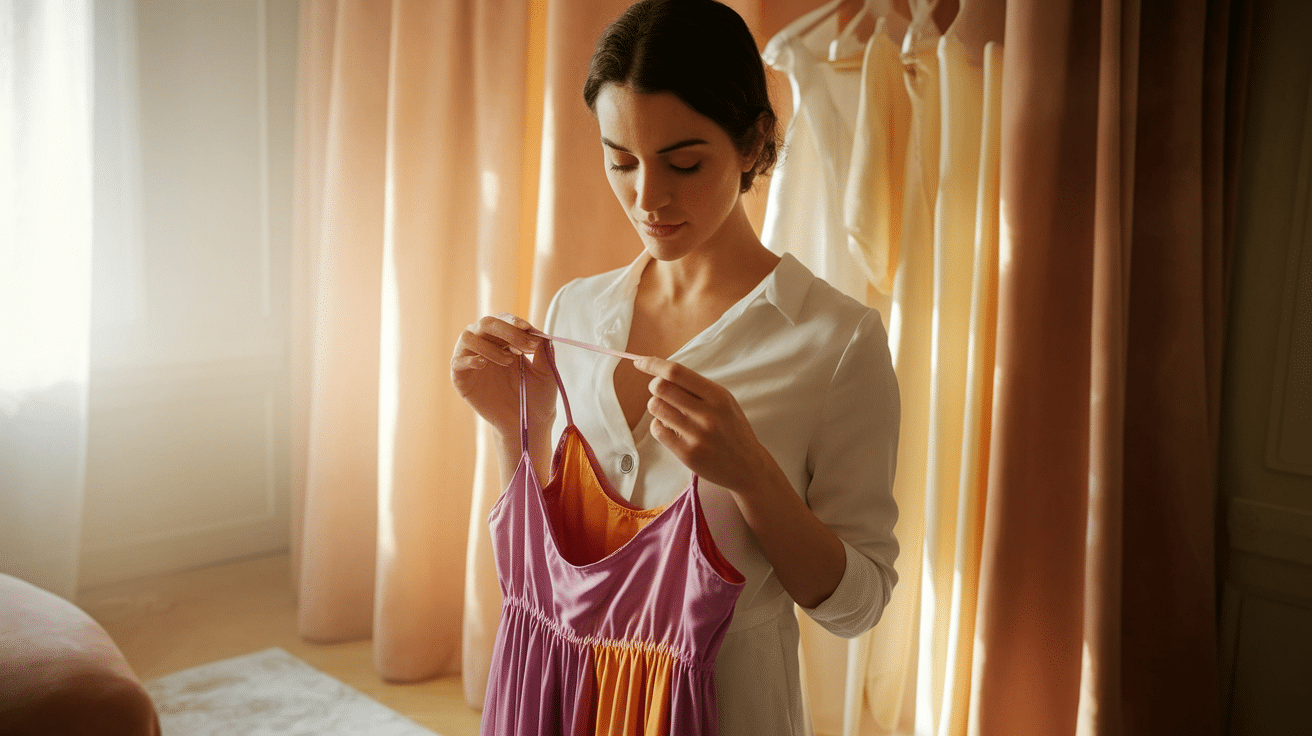
- Layered textures: cardigans, flannels, and slip dresses combined for visual depth.
- Statement footwear: scuffed boots, Converse sneakers, or platform shoes that add attitude.
- Vintage accessories: scarves, mismatched jewelry, and thrifted bags that feel personal rather than matched.
Once you understand these building blocks, mixing and matching becomes intuitive, and every outfit starts to feel like an extension of your own taste.
Indie Aesthetic Outfit Ideas for Every Mood
Indie style shifts depending on mood, so here are ten outfit directions you can adapt for festivals, everyday errands, or a night out.
1. Soft Indie Day Look
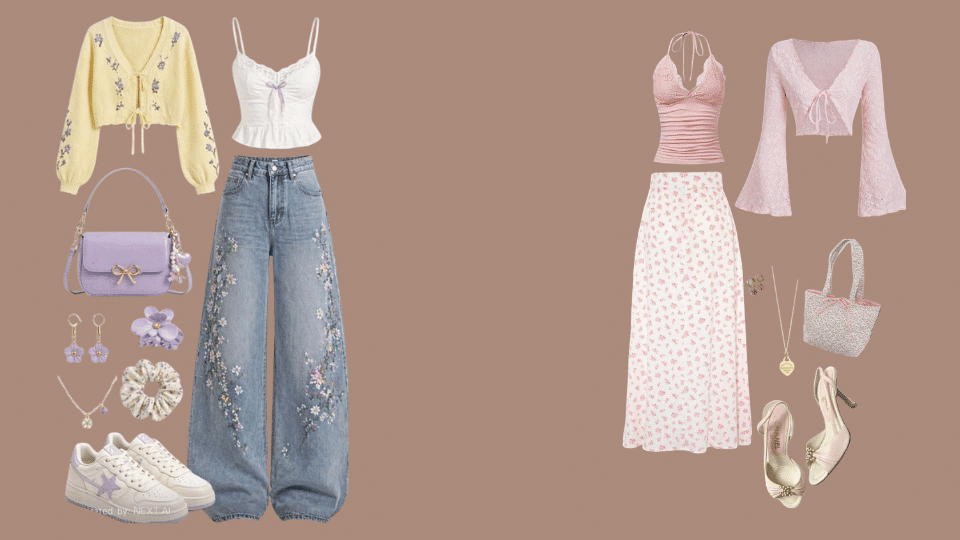
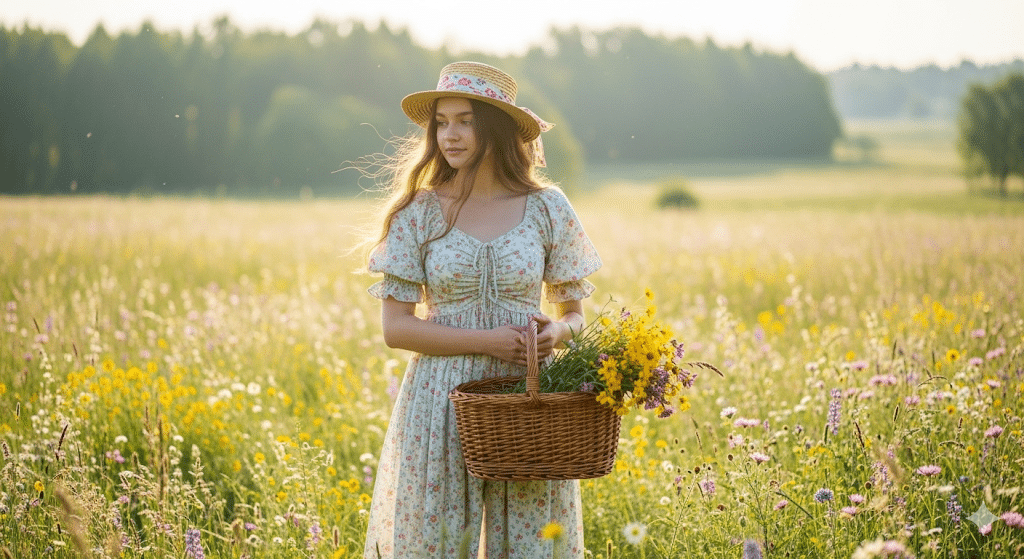
This look keeps things gentle and wearable, built for lazy mornings or slow days around town. It leans on soft textures and muted colors rather than anything bold or structured.
- Key Clothing Pieces: oversized knit sweater, flowy midi skirt, and a soft cotton slip dress.
- Color Palette: cream, dusty pink, sage green, and light denim blue.
- Layering Style: a thin cardigan over a slip dress, kept loose and unstructured.
- Footwear Direction: canvas sneakers or soft ballet flats for easy movement.
- Accessories: delicate gold jewelry and a small crossbody bag.
- Hair & Makeup Match: soft waves, barely-there makeup, and a tinted lip balm.
2. Grunge Indie Street Style
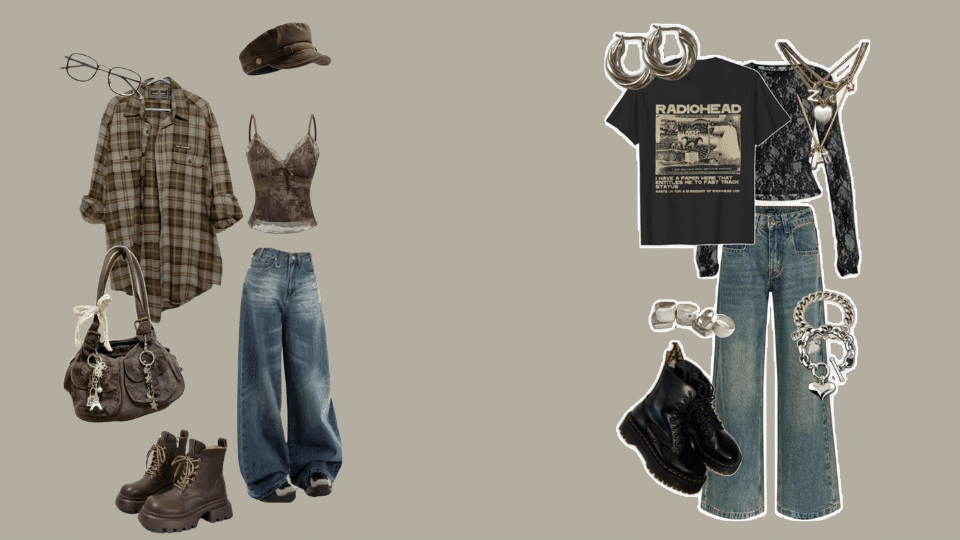
This vibe pulls from nineties grunge with a rougher, more textured finish. It works well for everyday city wear when you want an edge without trying too hard.
- Key Clothing Pieces: flannel shirts, ripped denim, and faded band tees.
- Color Palette: black, charcoal grey, and washed-out plaid patterns.
- Layering Style: flannel tied at the waist over a graphic tee and denim jacket.
- Footwear Direction: combat boots or worn in Dr Martens.
- Accessories: chain necklaces, a beanie, and a canvas backpack.
- Hair & Makeup Match: messy waves, smudged eyeliner, and minimal blush.
3. Indie Sleaze Night Out Fit
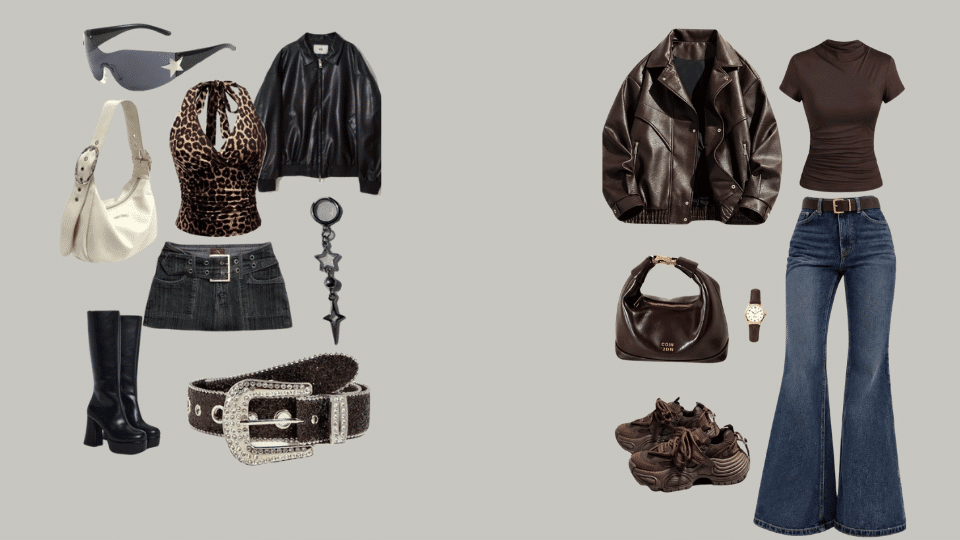
This look channels the raw, unpolished energy of 2000s nightlife and after-party culture. It works best for evenings out where attitude matters more than polish.
- Key Clothing Pieces: leather jacket, mini skirt, and a sheer or lace top.
- Color Palette: black, deep red, and metallic accents.
- Layering Style: leather jacket layered over a slip top with sheer tights underneath.
- Footwear Direction: platform boots or scuffed ankle boots.
- Accessories: layered chokers, sunglasses pushed into hair, and a small clutch.
- Hair & Makeup Match: tousled hair with heavy kohl eyeliner and glossy lips.
4. Thrifted Vintage Core Outfit
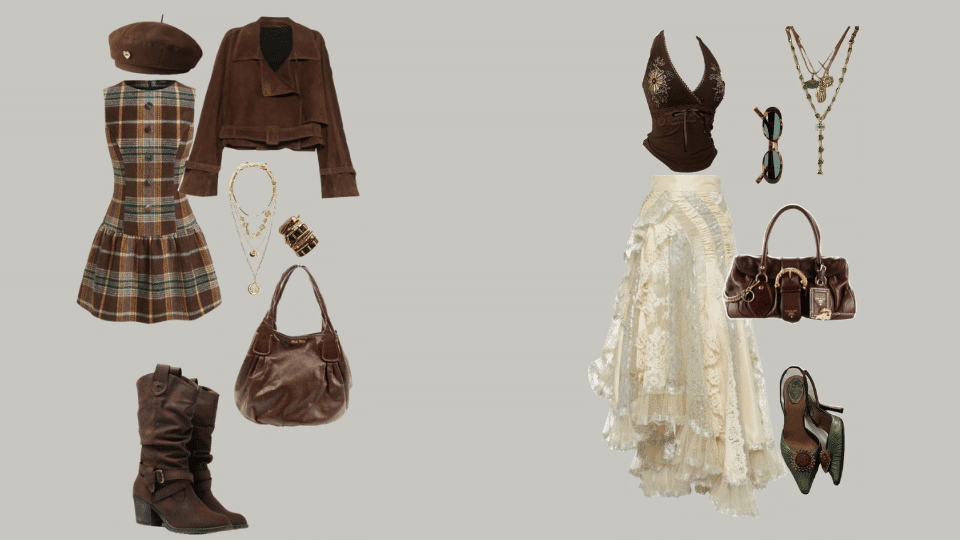
This look is built entirely around secondhand pieces with visible age and character. It rewards patience while thrifting and works for almost any casual outing.
- Key Clothing Pieces: vintage graphic tee, high-waisted bootcut jeans, and sequin tops.
- Color Palette: mustard yellow, olive green, and warm brown tones.
- Layering Style: corduroy jacket over a fitted tee with rolled sleeves.
- Footwear Direction: worn leather loafers or retro sneakers.
- Accessories: a vintage leather belt and an old film camera as a styling prop.
- Hair & Makeup Match: natural-texture hair with a soft, dewy face.
5. Indie Rock Concert Look
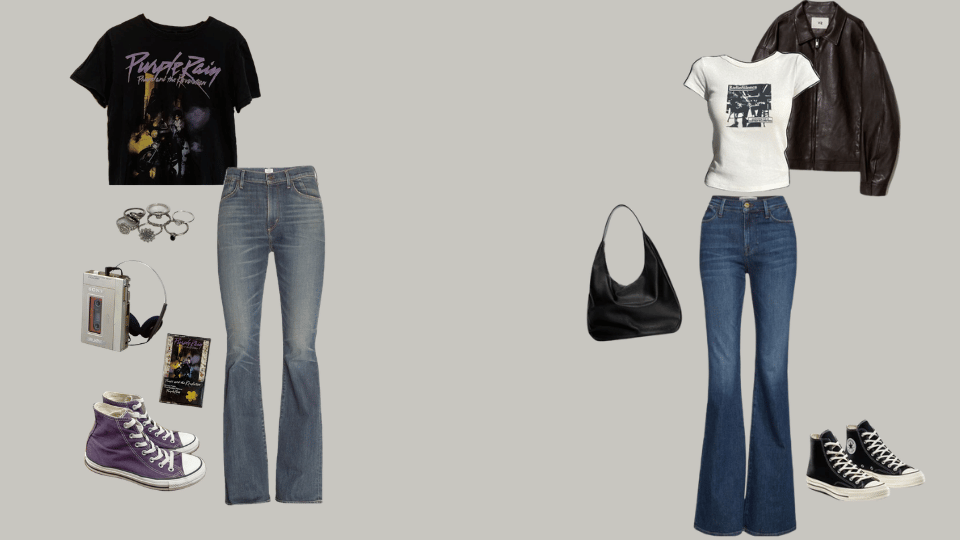
This outfit is designed for live music, balancing comfort with a rock-inspired edge. It holds up through standing crowds while still looking intentional.
- Key Clothing Pieces: band tee, ripped skinny jeans, and a leather jacket.
- Color Palette: black, deep grey, and faded band graphics.
- Layering Style: leather jacket tied around the waist or worn open over the tee.
- Footwear Direction: combat boots or high-top sneakers built for standing.
- Accessories: wristbands, a guitar pick necklace, and a small crossbody bag.
- Hair & Makeup Match: tousled hair with bold winged eyeliner.
6. Cozy Bookstore Indie Outfit
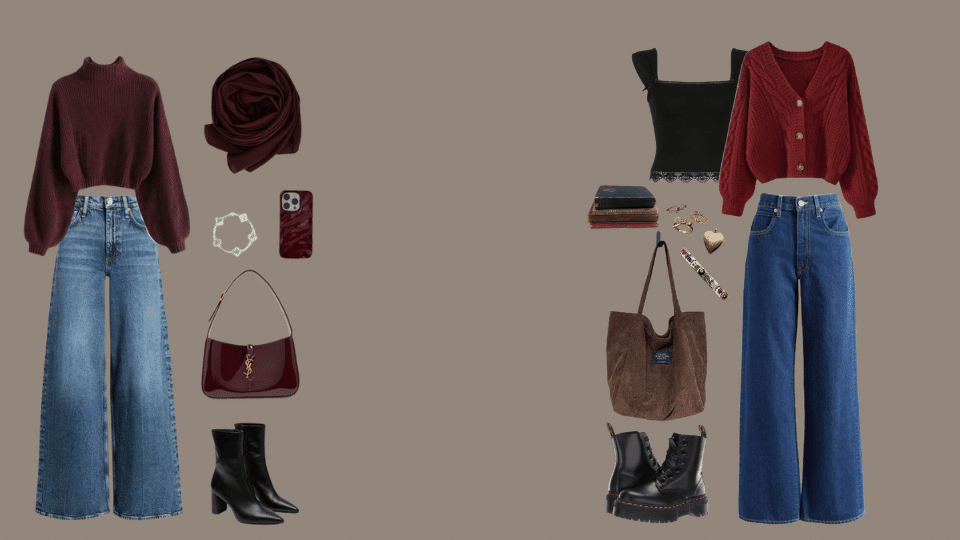
This look suits quiet afternoons spent browsing shelves or working from a café corner. It favors comfort and soft layering over anything structured.
- Key Clothing Pieces: oversized cardigan, turtleneck, and wide-leg trousers.
- Color Palette: warm brown, cream, and burgundy.
- Layering Style: turtleneck under an oversized cardigan with rolled cuffs.
- Footwear Direction: loafers or low ankle boots.
- Accessories: round glasses, a tote bag, and a thin scarf.
- Hair & Makeup Match: low bun or loose braid with bare, natural skin.
7. Minimal Indie Soft Girl Twist
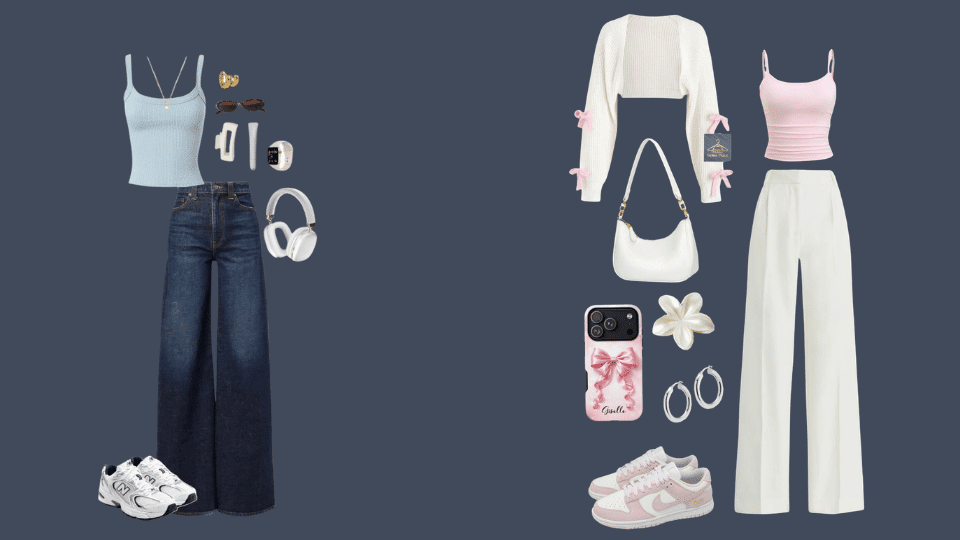
This version softens the indie look with cleaner lines and a slightly more polished finish. It suits days when you want ease without full minimalism.
- Key Clothing Pieces: ribbed tank top, straight-leg jeans, and a soft blazer.
- Color Palette: white, beige, and soft lavender.
- Layering Style: a lightweight blazer over a simple tank, kept clean and uncluttered.
- Footwear Direction: white sneakers or simple slide sandals.
- Accessories: thin layered necklaces and small hoop earrings.
- Hair & Makeup Match: sleek low ponytail with dewy skin and a soft pink lip.
8. Dark Academia Indie
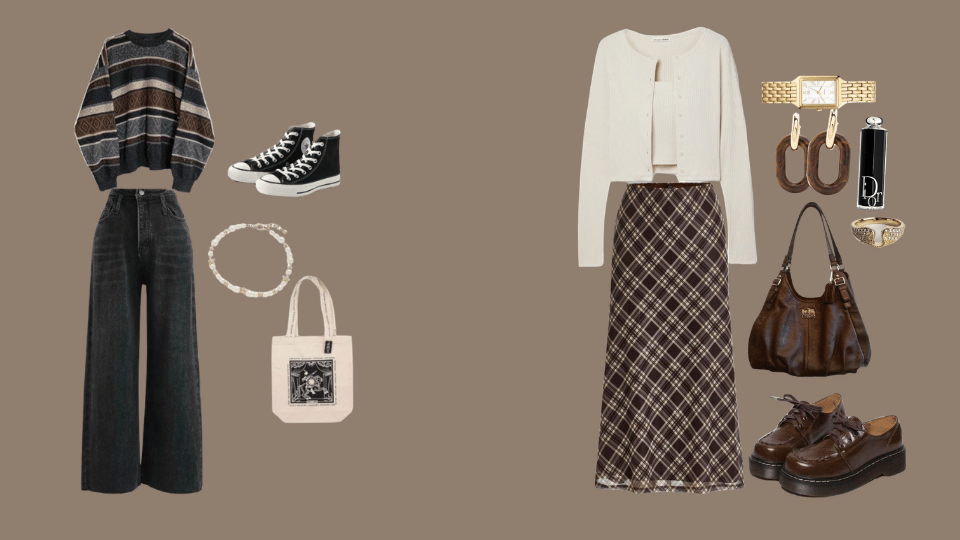
This look blends indie layering with dark academia’s love of tweed, books, and moody tones. It fits well for cooler months and studious settings.
- Key Clothing Pieces: striped sweater, pleated skirt, and a fitted turtleneck.
- Color Palette: deep brown, black, and forest green.
- Layering Style: turtleneck under a tweed blazer with a scarf draped over the shoulders.
- Footwear Direction: Oxford shoes or knee-high boots.
- Accessories: a leather satchel and vintage-style rings.
- Hair & Makeup Match: middle-part waves with a soft brown smoky eye.
9. Summer Indie Festival Outfit
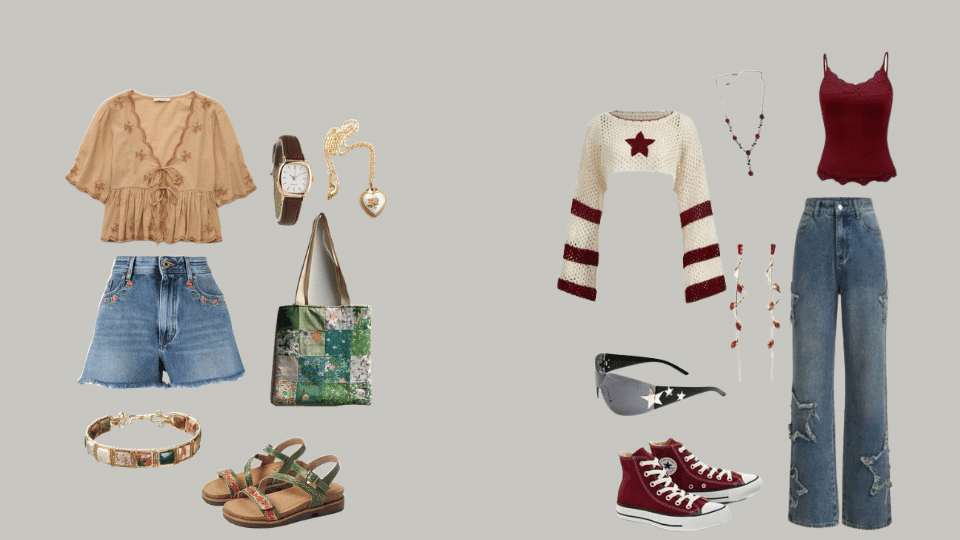
This look is built for heat, movement, and long hours outdoors at daytime shows. It keeps layering in a minimal way while holding onto indie details.
- Key Clothing Pieces: denim shorts, a crochet top, and a lightweight kimono.
- Color Palette: sun-bleached denim, cream, and warm terracotta.
- Layering Style: a thin kimono draped open over a crochet top for shade.
- Footwear Direction: ankle boots or strappy sandals suited to walking.
- Accessories: a wide-brimmed hat, layered anklets, and a small fringe bag.
- Hair & Makeup Match: braided hair, sun-kissed skin, and waterproof mascara.
Indie Wardrobe Essentials You Need First
Building an indie wardrobe starts with a few versatile staples that are easy to mix, layer, and personalize. These essentials create the foundation for outfits that feel creative, relaxed, and stylish.
| Category | Must-Have Indie Essentials |
|---|---|
| Tops | Oversized graphic tees, Vintage band tees, Ribbed tank tops, Flannel shirts, Knit cardigans, Oversized hoodies |
| Bottoms | Baggy jeans, Straight-leg jeans, Cargo pants, Corduroy pants, Plaid mini skirts |
| Dresses | Slip dresses, Floral midi dresses, Baby doll dresses |
| Outerwear | Denim jackets, Leather jackets, Oversized blazers, Utility jackets |
| Footwear | Converse sneakers, Combat boots, Platform sneakers, Loafers |
| Jewelry | Layered necklaces, Pendant chains, Stacked rings, Hoop earrings |
| Accessories | Tote bags, Beanies, Retro sunglasses, Canvas belts, Patterned tights, Hair clips |
With these staples ready, you can put together a new indie outfit any time without starting from scratch.
Indie Aesthetic Makeup and Hair Inspiration
Makeup and hair complete the look, and several celebrities have defined specific moments worth studying as references and sources of inspiration.
1. Kate Moss’s Smudged Liner
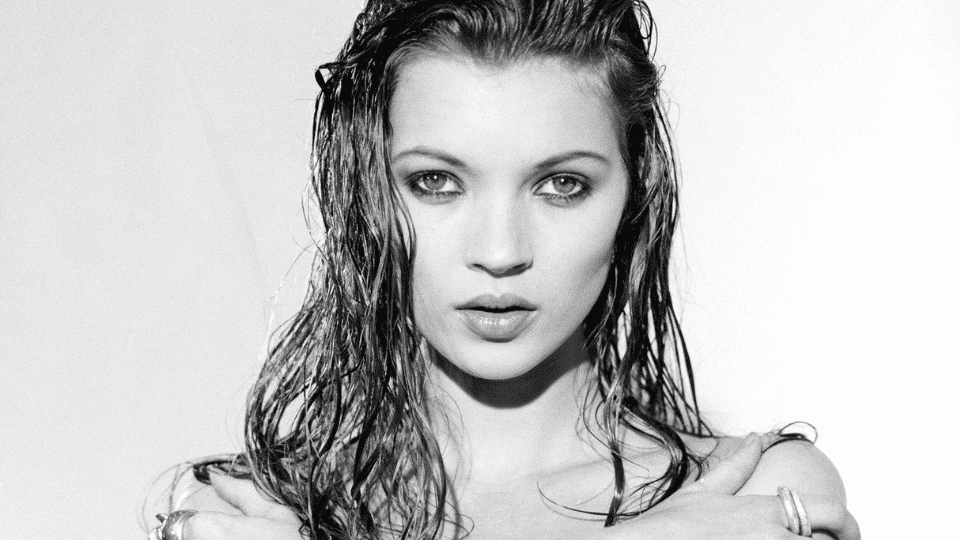
During her relationship with Pete Doherty between 2005 and 2007, Kate Moss wore smudged kohl eyeliner at London street sightings and Glastonbury festival appearances.
The slightly undone application became a defining feature of the era. Recreate it by applying dark liner close to the lash line, then smudging with a cotton swab.
2. Amy Winehouse’s Dramatic Wing
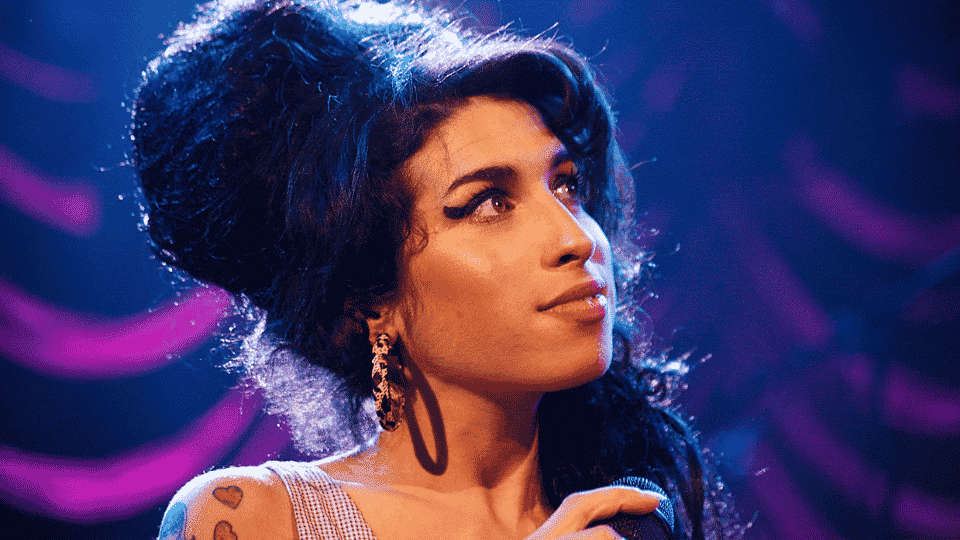
Amy Winehouse wore oversized winged eyeliner throughout her Back to Black era in 2006, pairing it with pale skin and minimal blush.
The exaggerated wing became instantly recognizable alongside her voice. To copy it, extend the liner well past the outer corner and keep the rest of the face bare.
3. Sky Ferreira’s Undone Waves
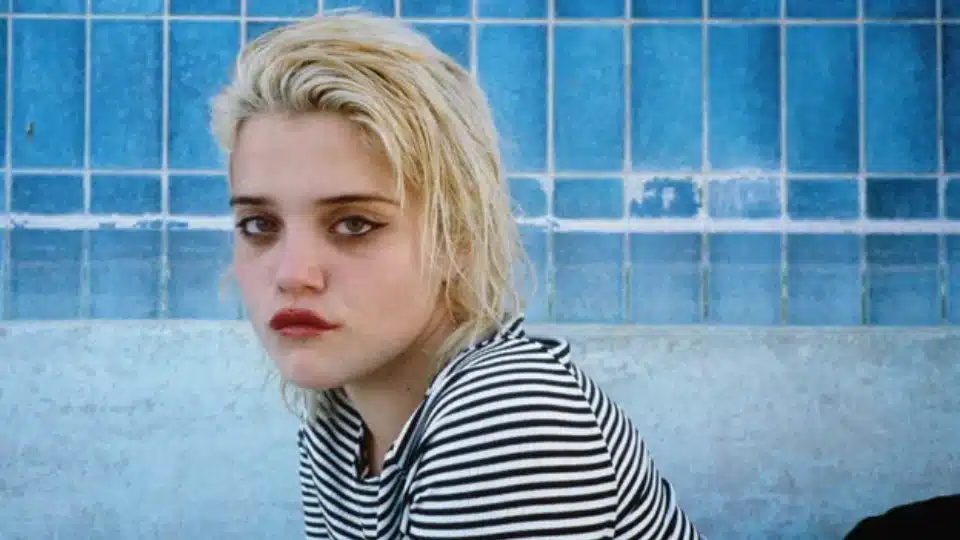
Sky Ferreira wore loose, undone waves throughout her 2013 to 2014 press cycle for her debut album, often paired with smudged makeup and vintage band shirts. The rougher texture matched the moodier side of the indie aesthetic rather than a polished red carpet look.
Recreate it by air drying damp hair, then loosely twisting sections before they fully dry. Skip the brush once dry and use your fingers to keep the texture soft rather than smooth.
4. Sienna Miller’s Boho Waves
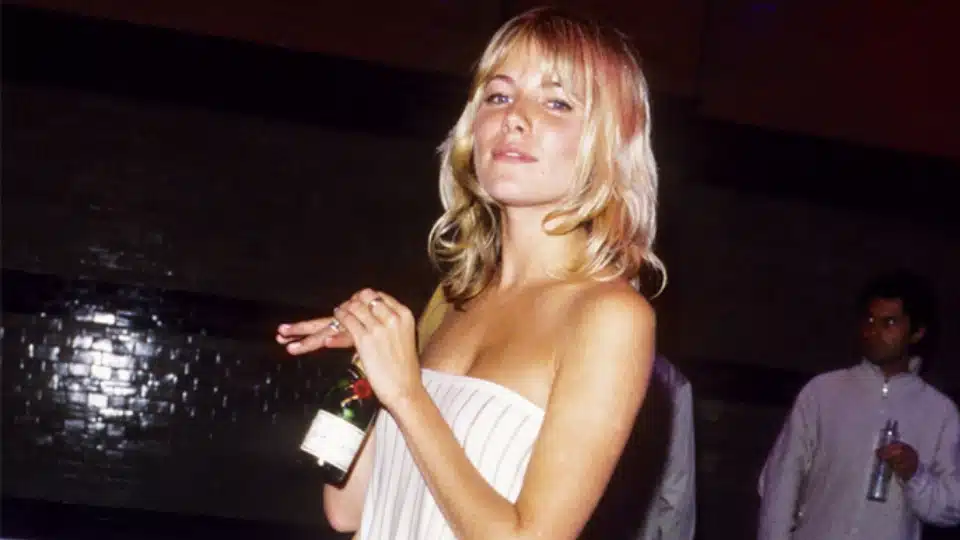
Between 2003 and 2006, Sienna Miller wore loose blonde waves with curtain bangs on red carpets and in street-style appearances.
The undone texture matched her boho wardrobe of the same period. Use a wide-barrel curler and finger-comb curls loose for the same relaxed effect.
5. Zooey Deschanel’s Blunt Bangs
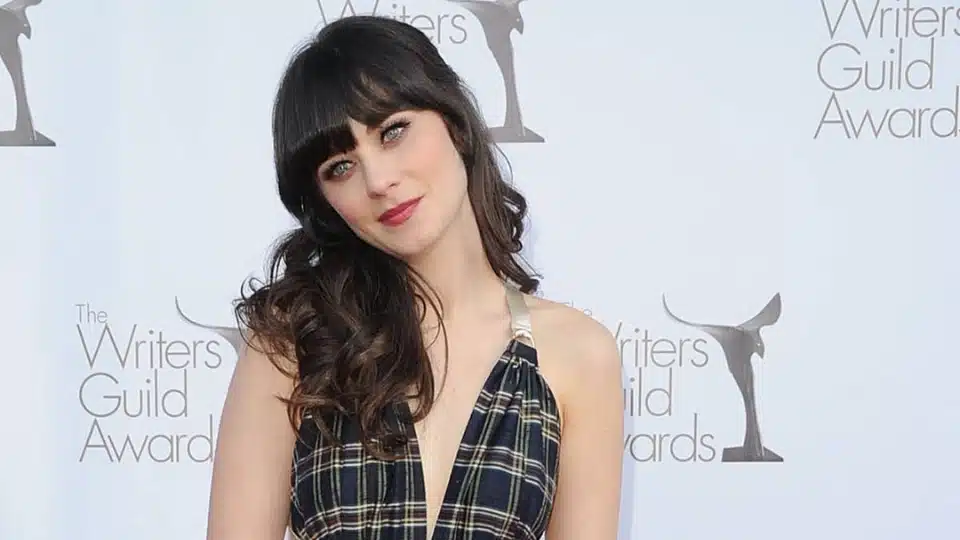
Zooey Deschanel wore thick, blunt-cut bangs throughout her rise to fame between 2008 and 2012, pairing them with cat-eye makeup and a softer, twee leaning wardrobe.
The look became more closely tied to the indie-twee side of the aesthetic rather than its grunge or rocker corners.
Recreate the bangs with a professional trim rather than doing it yourself, and keep the rest of the makeup simple with a light cat eye and bare skin.
Indie Aesthetic vs Indie Sleaze vs Indie Rock Aesthetic
These three terms often overlap in conversation, but each carries a slightly different meaning worth understanding before you shop or plan an outfit.
| Term | Core Focus | Typical Pieces | Mood |
|---|---|---|---|
| Indie Aesthetic | General personal style rooted in individuality | Band tees, denim, thrifted layers | Relaxed and authentic |
| Indie Sleaze | 2000s nightlife revival aesthetic | Skinny jeans, leather, smudged makeup | Messy and rebellious |
| Indie Rock Aesthetic | Style directly tied to indie rock musicians | Leather jackets, graphic tees, boots | Edgy and stage inspired |
Understanding these distinctions helps you shop with intention, whether you want everyday versatility, festival grit, or a look pulled straight from a stage.
How to Build an Indie Wardrobe on a Budget
Building this wardrobe does not require a designer budget, since thrifted and secondhand pieces are central to the aesthetic.
- Shop secondhand first: apps like Depop and ThredUp, along with local thrift stores, often carry genuine vintage pieces at low prices.
- Focus on staple layers: denim jackets, flannels, and cardigans work across dozens of outfit combinations.
- Hunt for band merchandise: concert tees from local shows or online resale sites add instant authenticity.
- Repurpose what you own: distress old jeans or add patches to plain jackets for a custom feel.
- Invest in one statement piece: a quality leather jacket or boots can anchor several outfits over time.
- Swap with friends: clothing swaps refresh your wardrobe without spending anything at all.
With a little patience and a thrifting habit, you can build a wardrobe that feels collected over years rather than purchased in one trip.
After years of building this kind of wardrobe piece by piece, the biggest lesson is patience. The best finds rarely show up on the first thrift trip, and that is part of what makes the wardrobe feel personal once it comes together.
Is Indie Fashion for Every Body and Gender
Indie outfits work on any body type and for any gender, though the style has not always made that easy. Many original indie brands offered small size ranges, leaving plus-size shoppers with fewer options early on.
That gap has closed. Retailers like ASOS Curve, Torrid, and Depop sellers now carry oversized flannels, wide-leg denim, and band tees across fuller-size ranges.
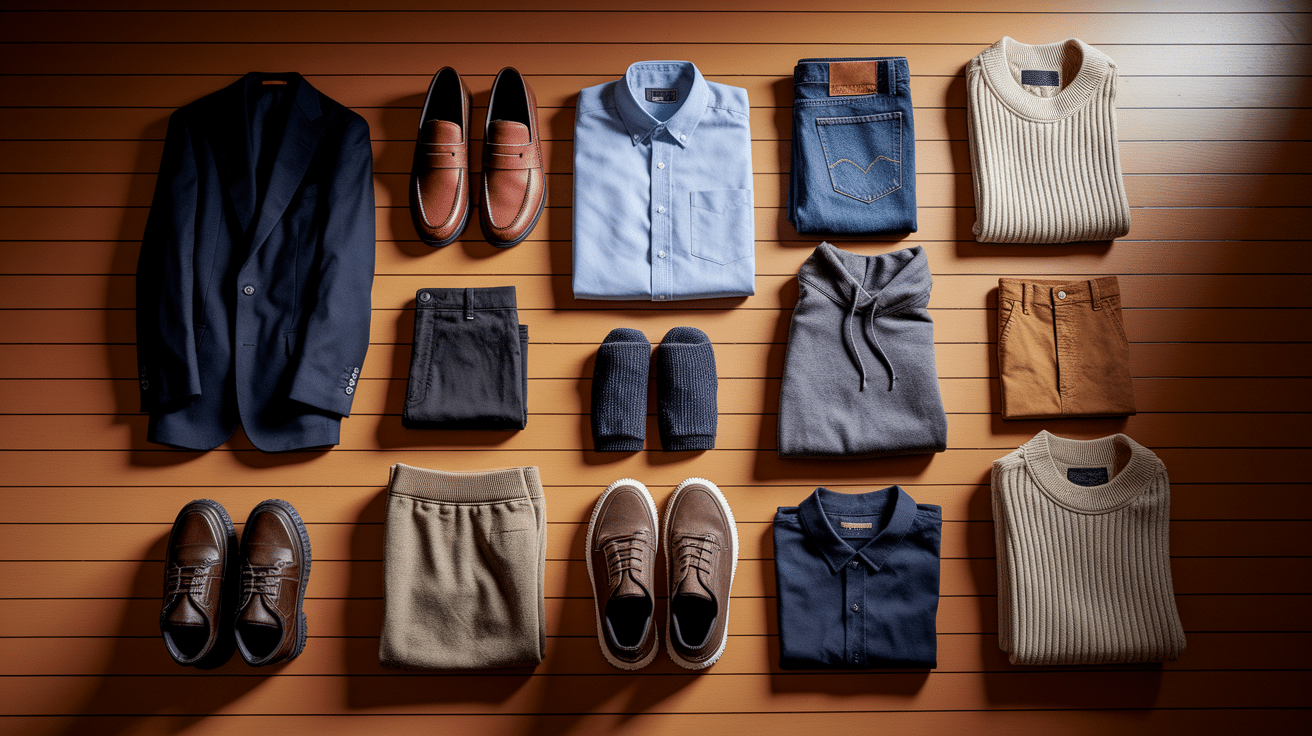
For men, the same pieces apply. Band tees, leather jackets, and worn-in denim pair just as well with looser trousers or utility pants; no separate rules needed.
You do not need a specific body type or music taste to wear this style well, since it rewards personal interpretation over exact copying. Soft layers and rocker edge both fit the same aesthetic.
Make the Indie Aesthetic Your Own
Trends will always come and go, but the indie aesthetic has never depended on staying fashionable.
Its lasting appeal comes from encouraging creativity over conformity, making room for vintage finds, everyday basics, and personal touches that can’t be replicated.
Rather than chasing a perfectly curated look, focus on building a wardrobe that grows naturally with your taste. The best indie outfits are the ones that tell your story, not someone else’s.
Frequently Asked Questions
Can Indie Aesthetic Work for Formal Occasions?
Yes, indie style can work for formal events by pairing classic clothing with vintage-inspired accessories. A simple outfit with one unique indie detail keeps the look stylish.
Does Indie Style Differ Across Genders?
Indie style suits all genders and focuses on personal expression. The main differences are in fit and styling rather than the overall aesthetic.
How Has Social Media Changed Indie Style?
Social media has made indie fashion more popular and easier to discover. It has also increased interest in vintage clothing and thrift shopping.
Which Accessories Break the Indie Look?
Matching accessory sets and flashy designer logos can make an outfit feel less indie. Simple, vintage, or thrifted accessories fit the style better.
Can You Build Indie Style With Only New Clothes?
Yes, but adding a few thrifted or vintage-inspired pieces creates a more authentic indie look. Mixing old and new works best.