
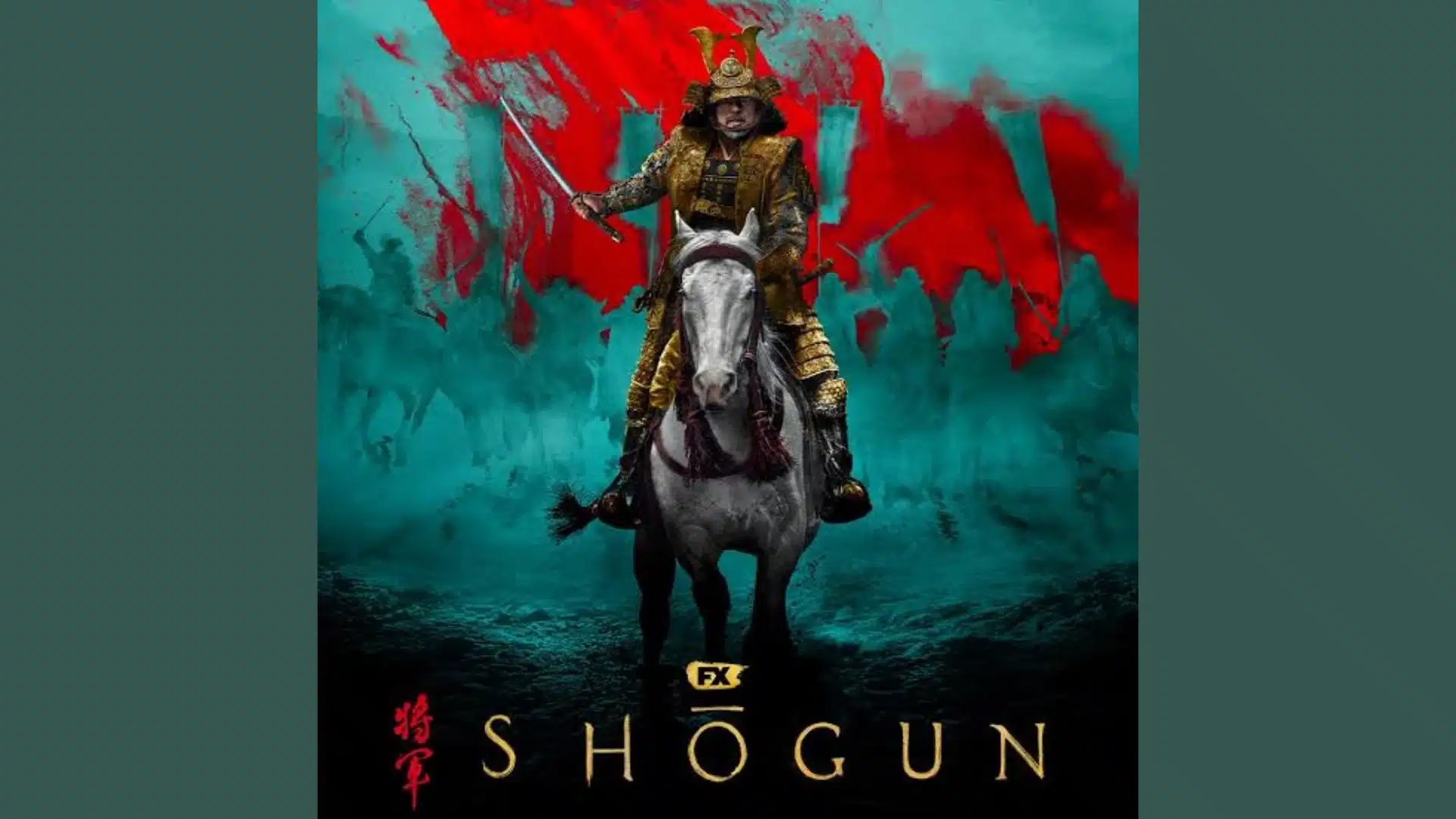

Some shows arrive with hype. Shōgun arrived with pressure.
The FX and Hulu series had a famous name, a massive historical setting, and a story set in 1600s Japan that could have easily felt too heavy.
I went in expecting a polished period drama, but it quickly became something sharper, slower, and far more gripping.
This Shogun review looks at what makes the series exceptional, where it slows down, and whether it deserves the remarkable Shōgun rating it continues to hold.
This is a series that rewards your full attention, especially if you enjoy political tension, layered characters, and serious drama.
What Shōgun is About Without Major Spoilers
Shōgun takes place in 1600, near the end of Japan’s Sengoku Period.
Lord Yoshii Toranaga, played by Hiroyuki Sanada, is trapped in a dangerous political fight with the Council of Regents. His future looks uncertain until John Blackthorne, an English sailor played by Cosmo Jarvis, washes ashore after a shipwreck.
Blackthorne carries knowledge that could change the balance of power.
Between them stands Toda Mariko, played by Anna Sawai. She becomes the translator between two men, two cultures, and two very different ideas of loyalty.
What makes Shōgun different is its confidence. It does not pause every few minutes to explain Japanese customs through a Western point of view.
Instead, it lets the world unfold naturally. That trust makes the story feel richer, sharper, and far more immersive.
Shōgun Rating Explained: Is the Hype Justified?
The Shōgun rating is not built on a single standout review or a viral moment. Instead, it reflects consistent praise across multiple platforms, from professional critics to everyday viewers.
Below is a breakdown of how the series performs across major rating sites:
| Platform | Score | What It Means |
|---|---|---|
| Rotten Tomatoes | 99% (Critics) | Near-universal acclaim from critics, indicating exceptional quality |
| Metacritic | 85/100 | Classified as “universal acclaim,” based on aggregated critic reviews |
| IMDb | ~8.6/10 | Strong audience approval, showing viewers are just as impressed as critics |
These ratings tell a simple story. Critics appreciated the craftsmanship, while viewers stayed invested throughout the season. When both groups agree this closely, it is usually a sign that a show delivers on its promise.
Across reviews, several strengths are consistently highlighted:
- Writing: The story is layered, deliberate, and respectful of its source material
- Performances: The cast delivers nuanced, powerful portrayals that strengthen the drama
- World-building: Feudal Japan feels immersive and richly detailed rather than stylized or artificial
The scores reflect more than impressive production values. Shōgun delivers consistently strong writing, performances, and world-building from beginning to end.
Why Critics are Praising Shōgun
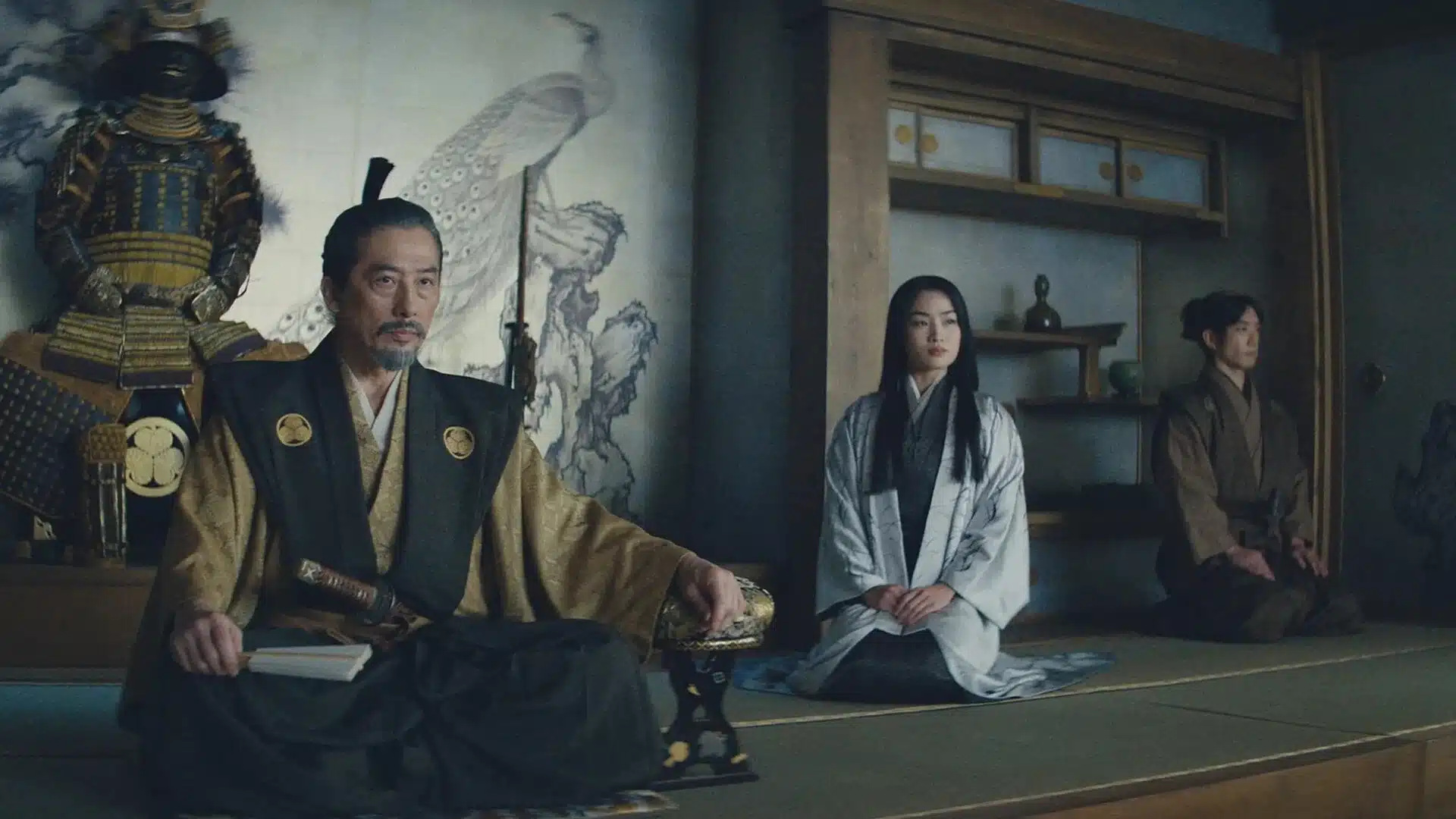
Critics mostly praise three things in Shōgun: its visuals, writing, and performances.
The production design makes 1600s Japan feel detailed and lived-in, not like a polished fantasy setting. Costumes, sets, landscapes, and lighting all support that grounded feeling.
Unlike many prestige dramas, Shōgun rarely relies on shocking twists. It creates suspense through conversations, strategy, and quiet decisions that carry enormous consequences.
Hiroyuki Sanada gives Toranaga quiet authority through small gestures and controlled pauses. Anna Sawai brings emotional depth to Mariko, showing grief, duty, and conflict without overplaying it.
That restraint is a major reason critics see Shōgun as mature, immersive, and unusually powerful.
What Audiences Are Saying About Shōgun
The Shōgun review from regular viewers mostly matches the critic response.
Across platforms like IMDb, Reddit, and various fan discussions, many viewers praise Shōgun for its acting, visuals, historical detail, and slow-burn political tension.
Some Reddit reactions even called it an “absolute masterpiece,” showing how strongly the series connected with early audiences. The main complaint is pacing.
I felt the slower opening ultimately paid off because every later conflict carried more weight.
The first episodes spend time building alliances, customs, and political stakes before the story fully accelerates. Some viewers also found the mostly Japanese dialogue and subtitles harder to follow than a standard English-language drama.
For patient viewers, that slower pace adds depth. For action-first viewers, it may feel demanding.
Common Criticisms in Shōgun Reviews
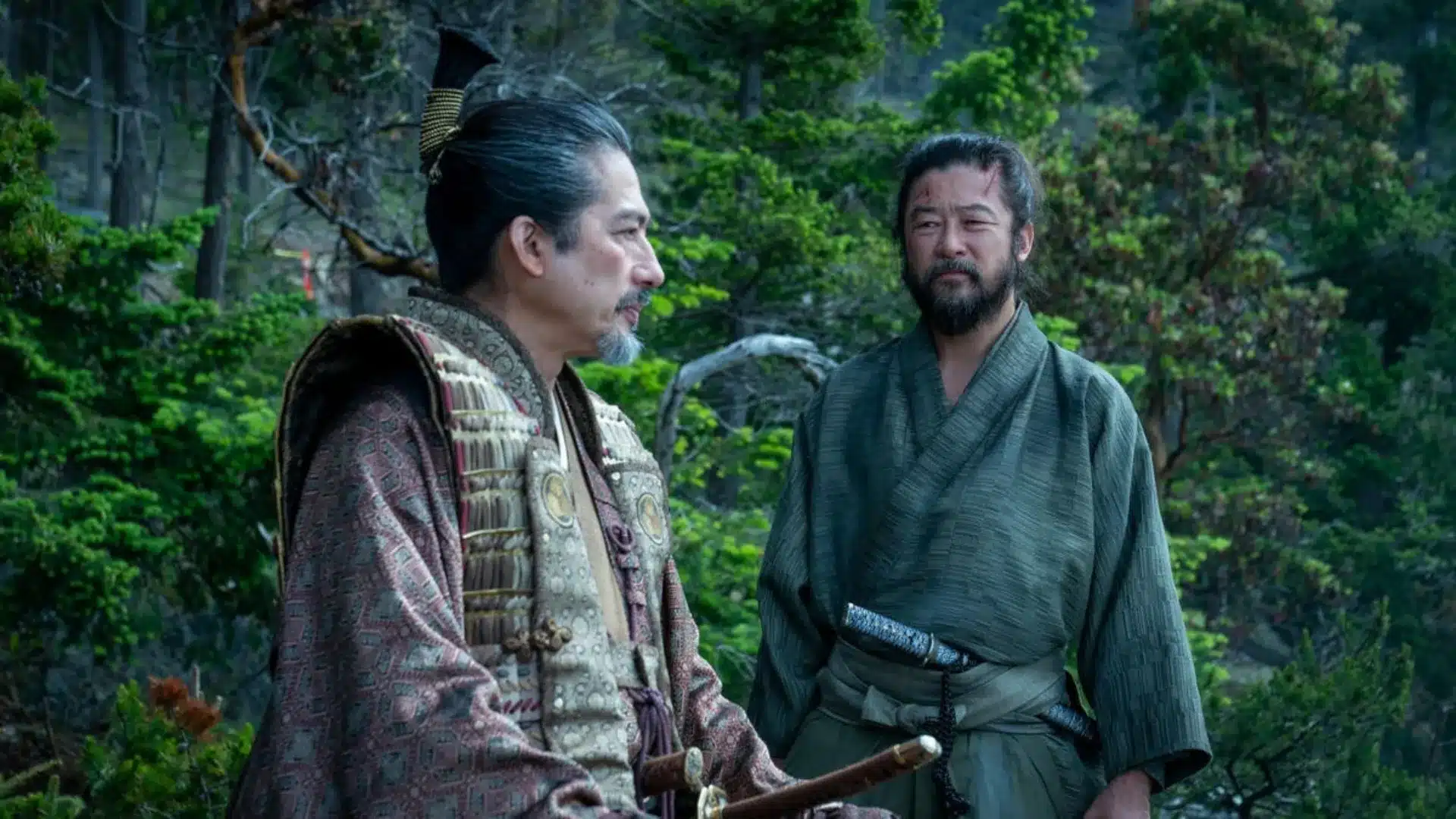
Even with its strong praise, Shōgun is not flawless. Most criticisms are small, but they are worth knowing before starting a ten-episode series.
- Slow Early Pacing: The opening episodes spend a lot of time on politics, customs, and character positions. May feel overly deliberate for viewers expecting a faster pace.
- Blackthorne and Mariko’s Romance: Their relationship works emotionally in key moments, but some reviews feel it is less developed than the political story around Toranaga.
- Subtitle-Heavy Viewing: Much of the dialogue is in Japanese, which adds cultural depth. Still, it demands more attention than a casual English-language drama.
- Dense Political Setup: Names, alliances, and power shifts matter from the start. Missing small details can make the story harder to follow.
These issues do not significantly weaken the overall impact, but they make Shōgun better suited for patient viewers than for casual background watching.
Shōgun’s Emmy Record: Does the Hype Match the Trophies?
Awards are not the only way to judge a series, but Shōgun’s trophy count is hard to dismiss.
The show won 18 Emmy Awards in a single season, breaking the previous record held by HBO’s John Adams. Its wins included Outstanding Drama Series, Lead Actor for Hiroyuki Sanada, and Lead Actress for Anna Sawai.
That also made Shōgun the first majority non-English-language series to win the top drama category. Those wins reinforce what many reviews were already saying rather than changing the conversation.
The recognition extended across acting, directing, production, and writing, showing just how consistently the series excelled. So, the hype was not just online noise.
The industry response matched the conversation about the Shōgun rating almost perfectly.
Who Should Watch Shōgun And Who Might Skip It
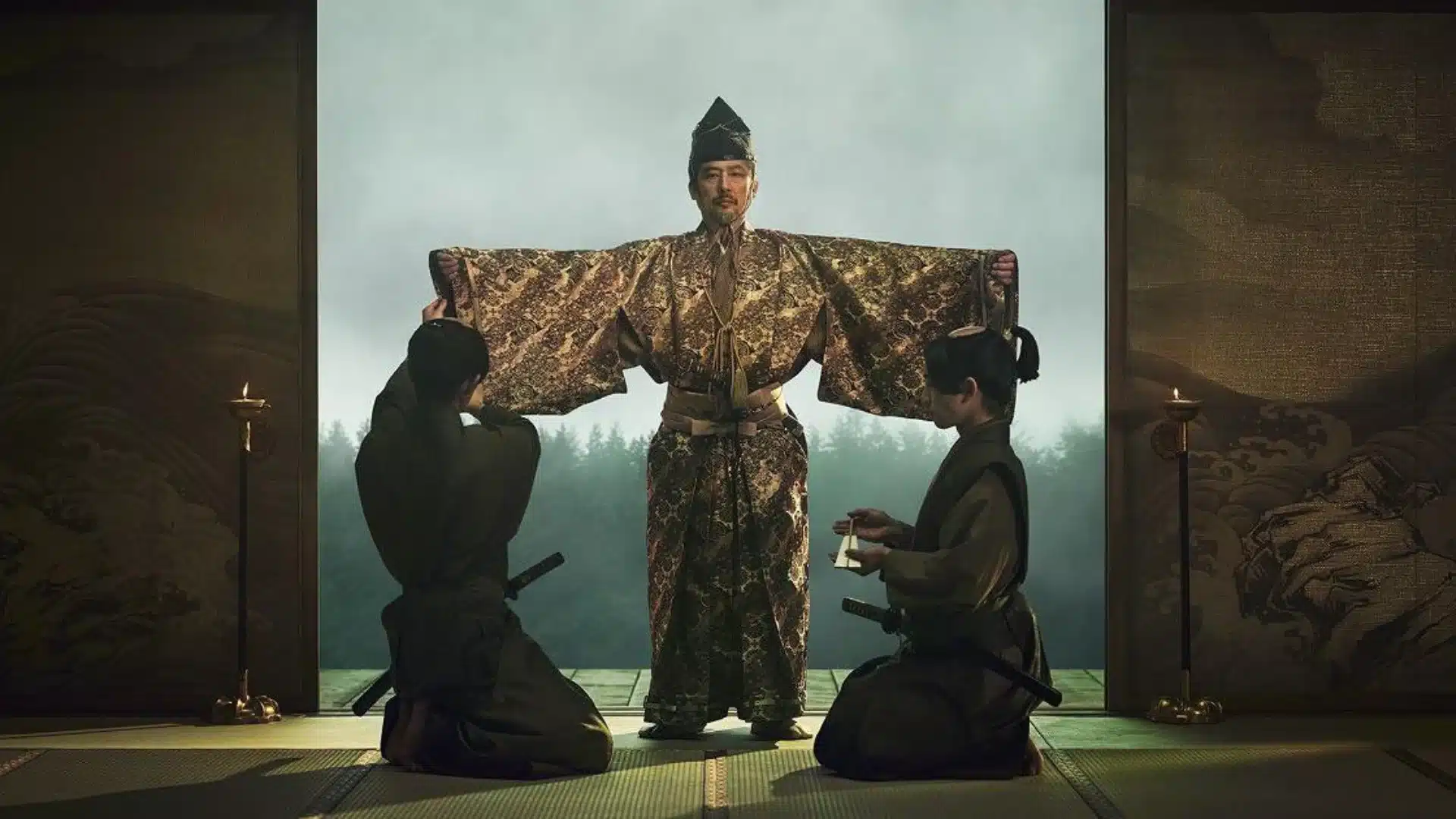
Shōgun is best suited for viewers who enjoy historical fiction, layered storytelling, and political drama that rewards close attention.
If you appreciate strong performances, rich world-building, and character-driven narratives, this series is likely to be well worth your time.
It may not be the right choice if you prefer fast-paced action from the opening episode, lighter entertainment, or straightforward storytelling. The series also relies heavily on Japanese dialogue with subtitles, so it demands more focus than a typical English-language drama.
Shōgun is not casual background TV, but for patient viewers, that is exactly what makes it so rewarding.
Shōgun at a Glance: Pros and Cons
Before the final verdict, here is a quick look at where Shōgun shines and where it asks a little more from its audience.
| Strengths | Weaknesses |
|---|---|
| Outstanding performances from Hiroyuki Sanada and Anna Sawai | Opening episodes require patience |
| Beautiful cinematography and production design | A dense political story can be difficult to follow at first |
| Authentic portrayal of feudal Japan | Heavy use of Japanese dialogue means frequent subtitles |
| Intelligent political storytelling with strong character development | Not ideal for viewers expecting constant action |
| Consistently high quality from beginning to end | Less suited for casual background viewing |
Final Verdict
I would rate Shōgun as one of the strongest TV dramas of the last several years.
This Shogun review comes down to one thing: the praise feels earned. What stayed with me most was not the scale of the production but the restraint.
Shōgun trusts silence, character choices, and political tension more than spectacle, and that confidence is what makes it memorable.
I found every episode rewarding because each conversation and decision carried real weight.
Shōgun is not made for casual background viewing. It asks for patience, attention, and some comfort with subtitles.
But if you enjoy layered drama, powerful performances, and political tension that builds with purpose, Shōgun is absolutely worth watching.
Frequently Asked Questions
Is Shōgun Worth Watching?
Yes. Shōgun is worth watching for its powerful acting, rich visuals, slow-burn tension, and record-breaking Emmy success.
How Long Is Shōgun and How Many Episodes Does It Have?
Shōgun has 10 episodes in its first season, with each episode building its political conflicts, character relationships, and detailed world through a slow-burn storytelling style.
Is Shōgun Based on a True Story?
Shōgun is based on James Clavell’s novel, which loosely draws from real figures and events from Japan’s Sengoku period.
Is Shōgun Getting a Season 2?
Yes. FX confirmed additional seasons, and production for season 2 was set to begin in January 2026.