

You have probably grabbed a product off the shelf, tried it, and ended up with flat, frizzy, or just wrong-looking hair.
The problem was not the product. It was not knowing your hair type. Once you understand your curl pattern, texture, and density, everything changes.
Products start working. Styling takes less time. And your hair actually looks the way you want it to.
The hair type chart breaks all of this down from type 1A straight hair to type 4C coily hair, so you can finally figure out exactly what your hair needs.
What Is Hair Type?
Hair type is the category your hair falls into based on its natural curl pattern. The most widely used system for this was created by Andre Walker, a celebrity hairstylist who worked with Oprah Winfrey.
He developed it in the 1990s to make it easier for people to understand their hair.
The Andre Walker system puts all hair into four main types: straight, wavy, curly, and coily. Each type has three subtypes labeled A, B, and C.
Hair Type vs Hair Texture
These two things are often confused, but they are not the same.
Hair type is about your curl pattern. Hair texture is about how thick or thin each individual strand is.
You can have fine strands with tight coils or thick strands with straight hair. Both matter when choosing products and styling.
Why Knowing Your Hair Type Matters
When you know your hair type, you pick better products. You style your hair in a way that works with it, not against it.
You also reduce damage because you stop trying to force your hair to do something it naturally resists. Overall, your hair gets healthier because you give it what it actually needs.
Quick Hair Type Quiz
If you are not sure where your hair fits on the hair type chart, answer these simple questions first.
- Does Your Hair Dry Completely Straight? If your hair dries straight without any visible wave, curl, or bend, you likely have Type 1 hair.
- Does Your Hair Form an S-Shaped Wave? If your hair forms loose or defined S-shaped waves, you likely fall into the Type 2 category.
- Does Your Hair Form Visible Curls or Ringlets? If your hair naturally forms curls, spirals, or ringlets, you most likely have Type 3 hair.
- Does Your Hair Form Tight Coils or Significant Shrinkage? If your hair forms tight coils, zig-zag patterns, or shrinks noticeably when dry, you likely have Type 4 hair.
How to Identify A, B, and C Subtypes
Within each category, A represents the loosest pattern, B is more defined, and C is the tightest pattern.
For example, 2A has loose waves, 2B has more defined waves, and 2C has strong waves that are close to curls. The same pattern applies throughout the hair type chart.
Complete Hair Type Chart
Understanding your hair type is the first step toward choosing the right products and care routine. The chart below breaks down each hair type and subtype so you can identify where your hair fits best.
Type 1: Straight Hair
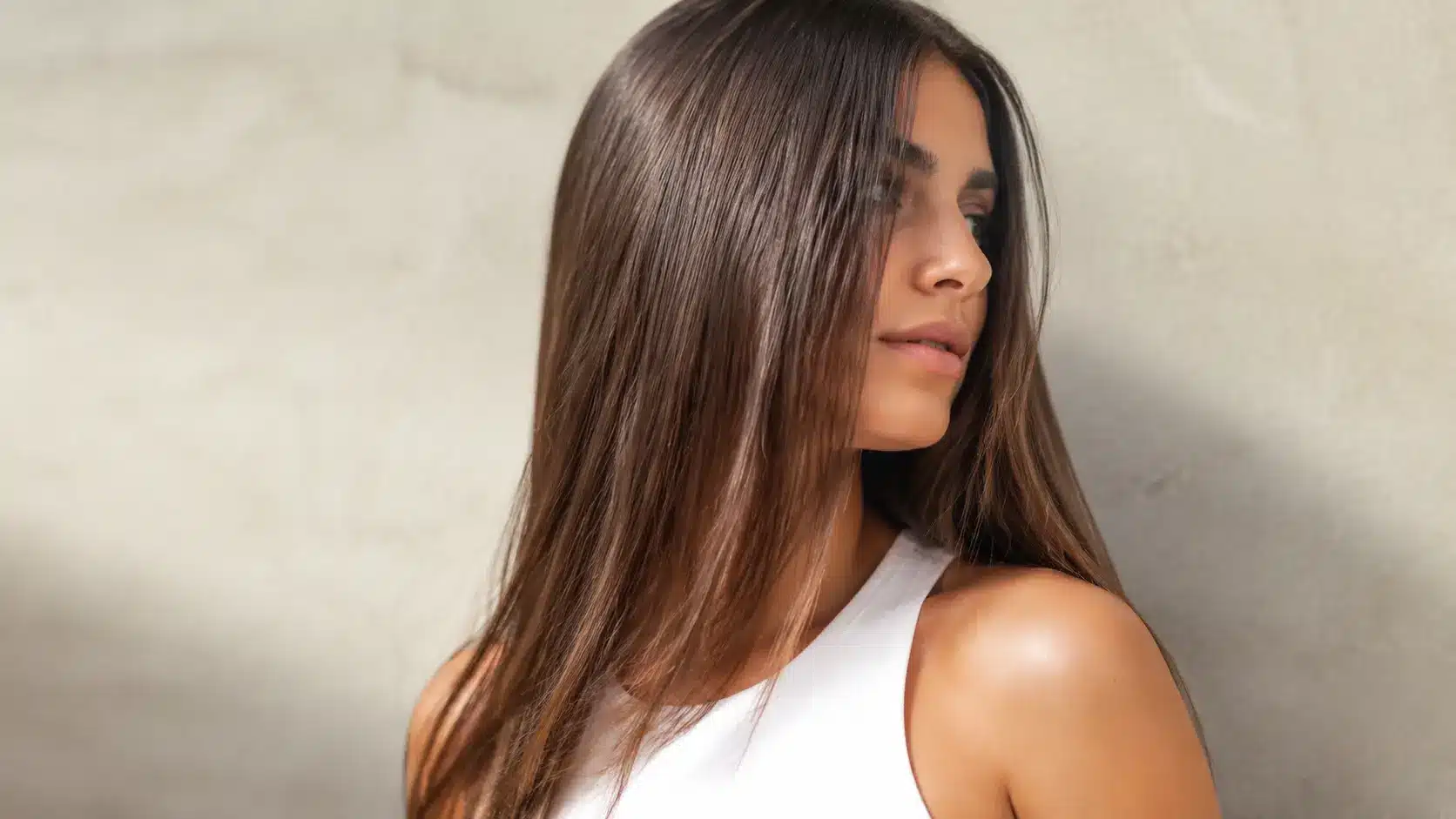
Straight hair has no natural curl or wave. Oil from the scalp travels down the strands easily, which can make it look shiny but also get greasy fast.
- Type 1A Hair: This is the finest and flattest straight hair. It has very little volume and becomes oily quickly. It can be hard to hold a curl or style.
- Type 1B Hair: This type has a bit more body. Strands are slightly thicker and hold styles a little better than 1A.
- Type 1C Hair: This is the thickest of the straight types. It has more natural volume and can resist styling products. It is also more prone to frizz compared to 1A and 1B.
Hair Care Tips: Use lightweight shampoos and conditioners. Avoid heavy oils near the roots. Wash frequently to avoid buildup. A volumizing spray helps add body.
Type 2: Wavy Hair
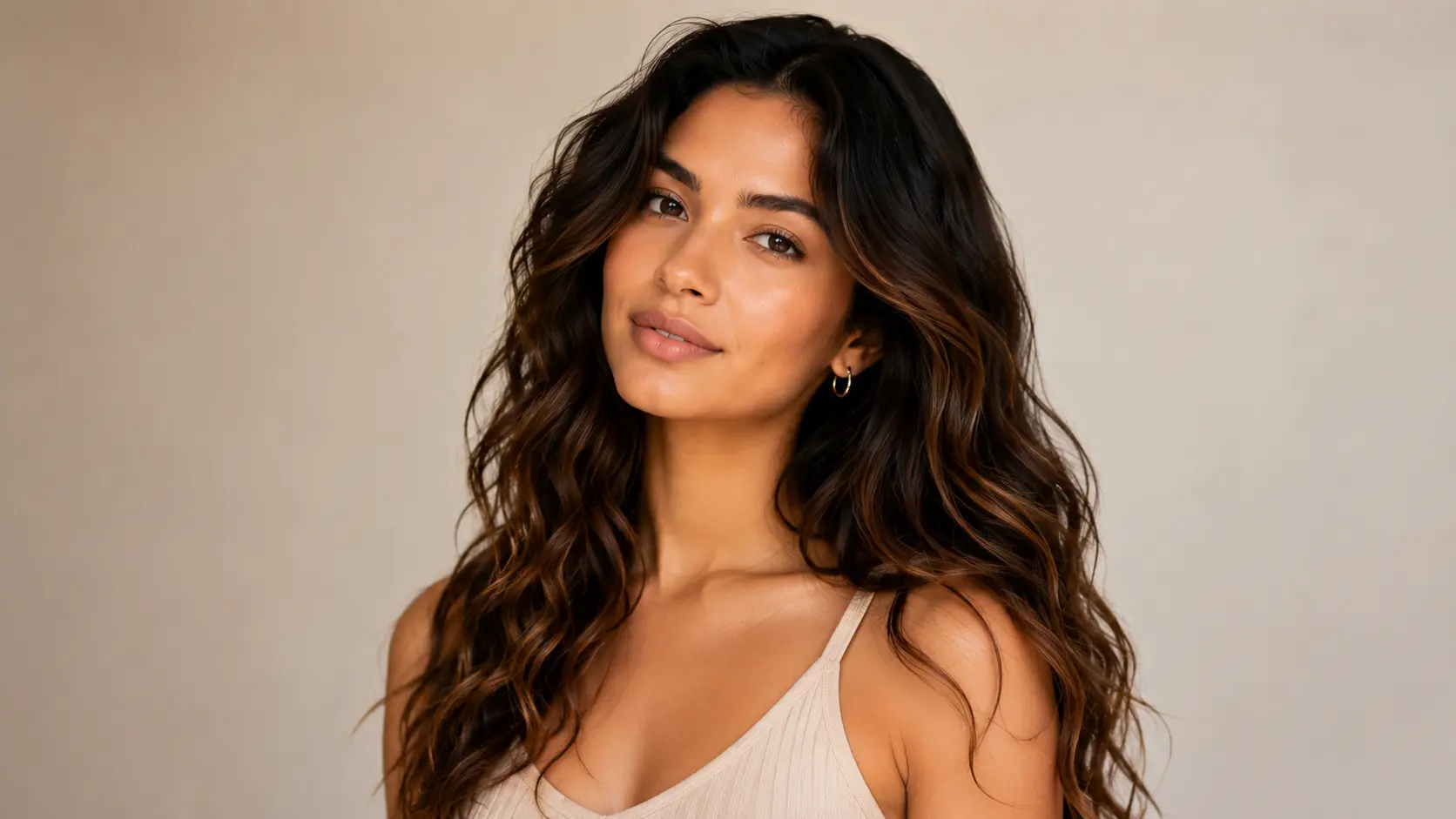
Wavy hair falls between straight and curly. It has a natural S-shape and tends to have more frizz than straight hair.
- Type 2A Hair: Loose, soft waves that lie close to the head. Very easy to straighten but also easy to define with light products.
- Type 2B Hair: More defined waves with a stronger S-pattern. A little more frizzy than 2A and holds shape better.
- Type 2C Hair: Strong, thick waves that are close to curly. High frizz and more volume. Needs more moisture than 2A or 2B.
Hair Care Tips: Use a sulfate-free shampoo and a moisturizing conditioner. Scrunch waves while wet, and air-dry when possible. Avoid brushing dry, wavy hair, as it can create frizz.
Type 3: Curly Hair
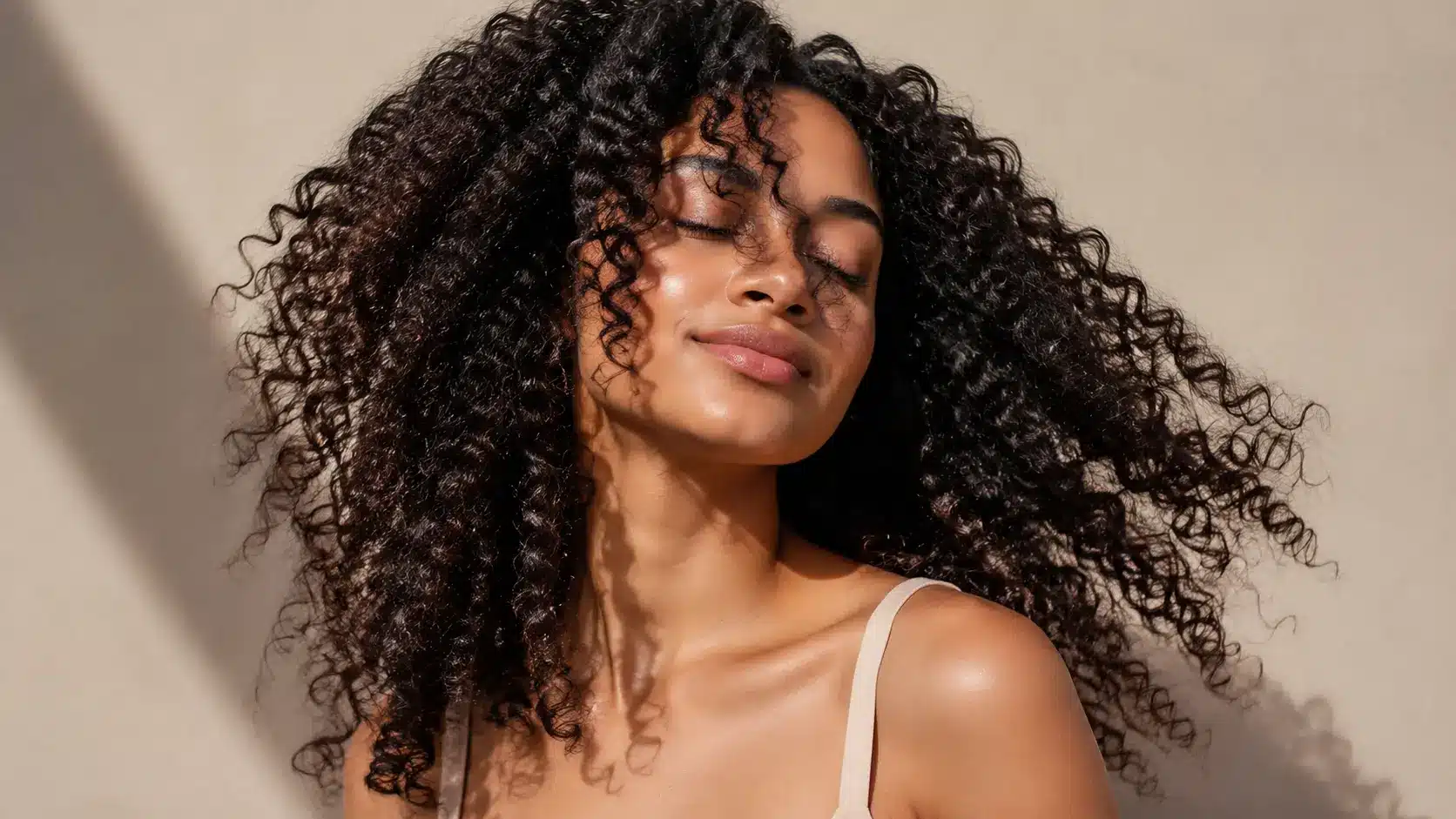
Curly hair has defined ringlets or spirals. It is prone to dryness because natural scalp oil has a harder time traveling down the curl.
- Type 3A Hair: Large, loose curls about the size of a sidewalk chalk stick. Shiny and bouncy when healthy, but frizzes easily when dry.
- Type 3B Hair: Tighter springy curls about the size of a marker. More volume and more frizz than 3A. Needs more moisture.
- Type 3C Hair: Tight corkscrew curls packed closely together. Very dense and can shrink noticeably when dry.
Hair Care Tips: Deep condition at least once a week. Use the LOC method: liquid, oil, then cream. Avoid heat as much as possible and always use a diffuser when blow-drying.
Type 4: Coily Hair
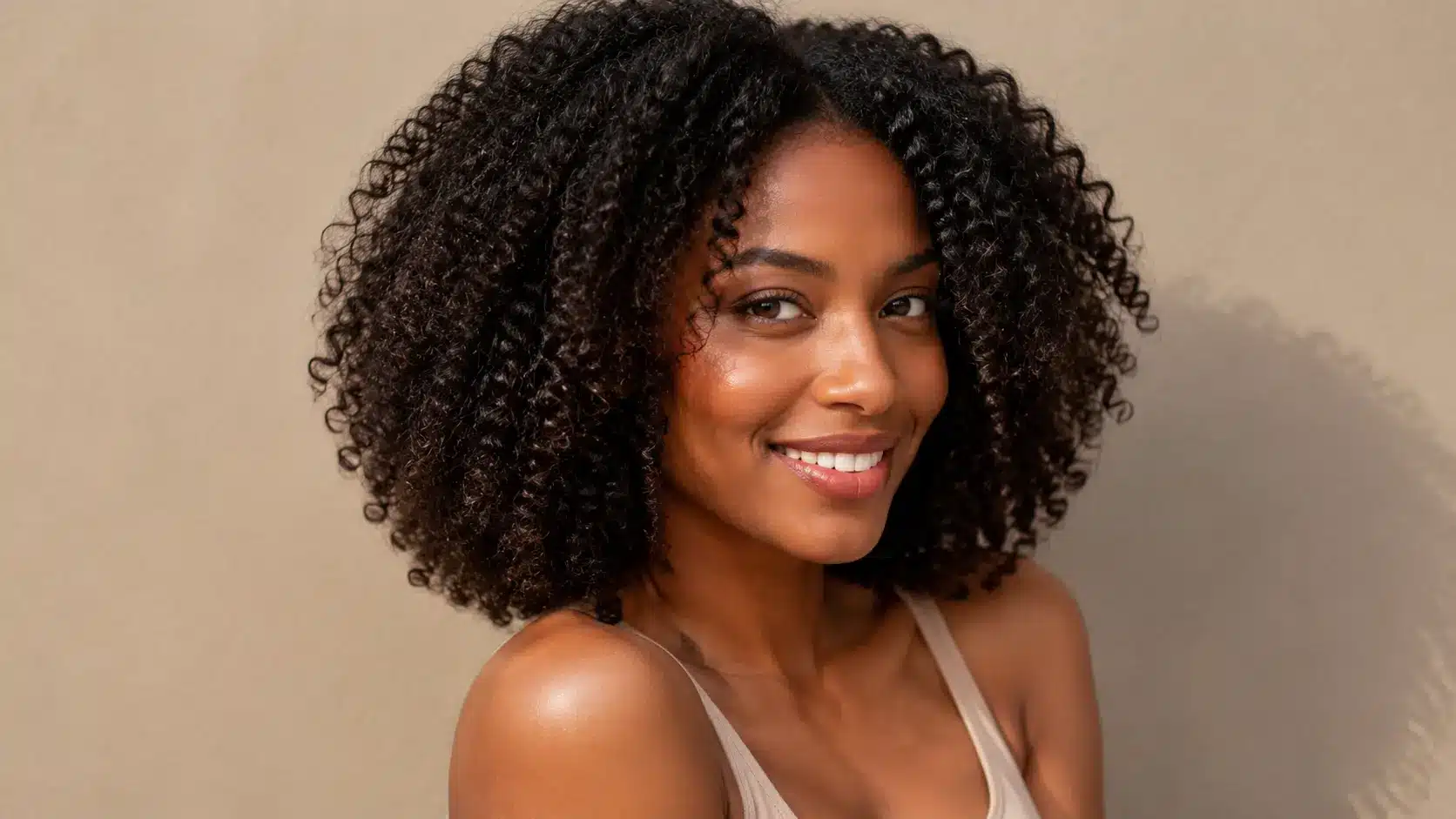
Coily hair has the tightest patterns and the most shrinkage. It also tends to be the most fragile because it is naturally dry.
- Type 4A Hair: Defined S-shaped coils that are tight and springy. Still has a clear curl pattern and holds shape well.
- Type 4B Hair: Z-shaped coils that bend at sharp angles. Less defined than 4A and much more dense.
- Type 4C Hair: The tightest coil pattern with the most shrinkage, sometimes up to 75-80% of actual length. Little to no visible curl definition without product.
Hair Care Tips: Moisture is the most important thing for this hair type. Co-washing (washing with conditioner only) between shampoo days helps. Protective styles like braids and twists help retain length and reduce breakage.
Hair Type Chart Table
This quick chart makes it easy to compare the different hair types at a glance. Use it as a simple reference to identify your hair’s natural pattern and characteristics.
Use the descriptions below to compare your natural hair pattern with each category. If your hair matches multiple types, choose the one that best represents most of your hair rather than a single section.
| Hair Type | Appearance | Pattern | Volume |
|---|---|---|---|
| 1A | Pin-straight, flat | Straight | Low |
| 1B | Straight with a slight body | Straight | Medium |
| 1C | Straight with visible thickness | Straight | High |
| 2A | Loose beach waves | Wavy | Low |
| 2B | Defined S-waves | Wavy | Medium |
| 2C | Strong waves, almost curls | Wavy | High |
| 3A | Large loose curls | Curly | Medium |
| 3B | Springy ringlets | Curly | High |
| 3C | Tight corkscrew curls | Curly | High |
| 4A | Defined coils | Coily | High |
| 4B | Z-shaped coils | Coily | Very High |
| 4C | Tightest coils with shrinkage | Coily | Very High |
While every person’s hair is unique, this chart provides a useful starting point for identifying your hair type. Once you know your category, choosing the right products and care routine becomes much easier.
What are the Three Different Hair Textures?
Hair texture refers to the thickness of a single strand. It has nothing to do with the curl pattern.
Fine Hair: Fine hair has a small strand diameter. It can look flat and gets oily fast. The good side is that it responds well to lightweight products and is easy to style.
The concern is that it breaks more easily and can look limp without volume-boosting products.
Medium Hair: The most common hair texture. It has a moderate strand thickness, holds styles well, and is generally strong.
It is the most flexible when it comes to products and heat styling.
Coarse Hair: Coarse hair has a thick hair strand structure and is very strong and holds styles well. The downside is that it can feel rough, take longer to dry, and need more moisture to stay soft.
How to Determine Your Hair Type
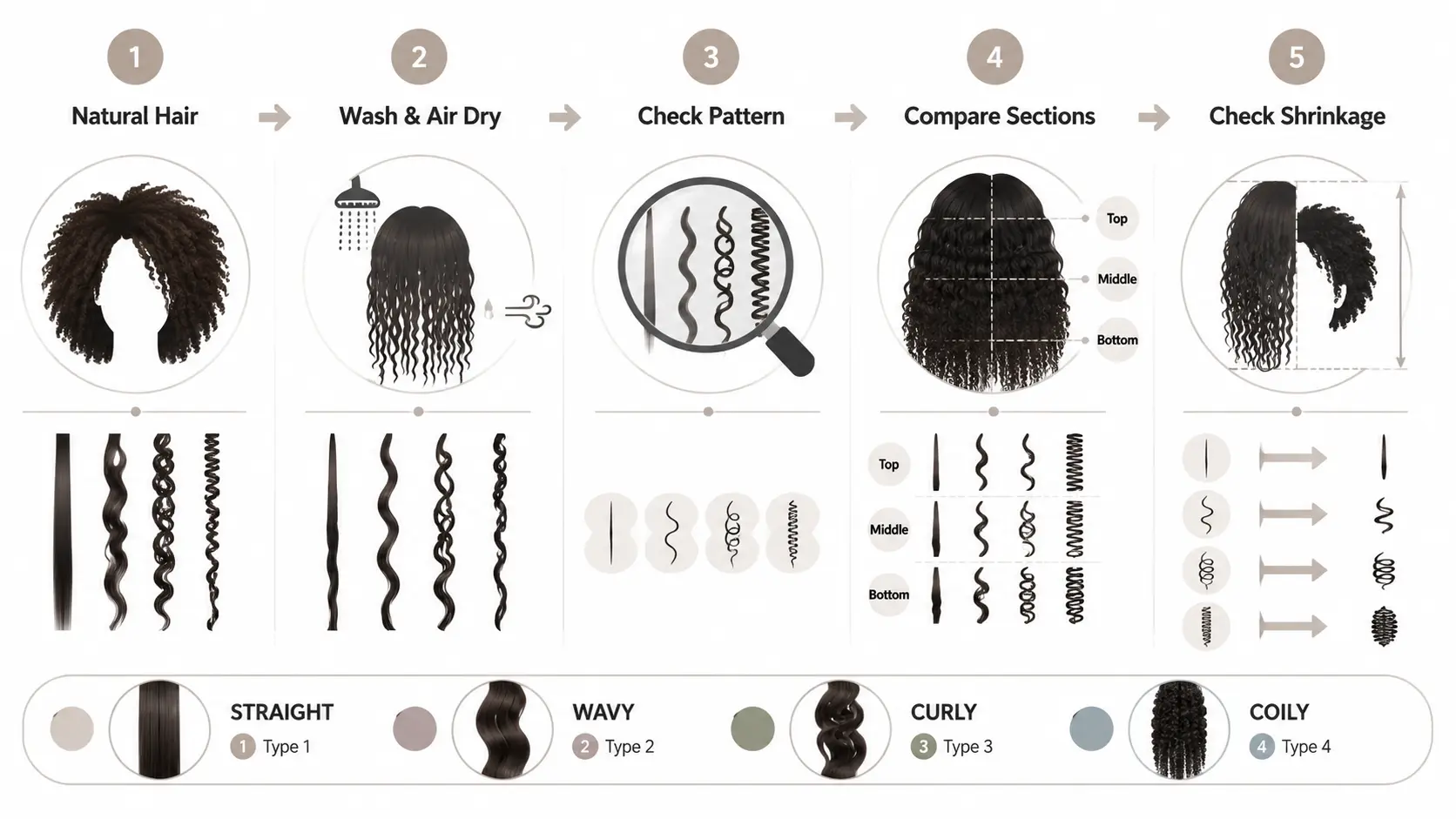
Figuring out your hair type is easier than it might seem. A few simple observations can help you accurately identify your natural pattern.
- Step 1: Examine Your Natural Pattern: Start by looking at your hair in its most natural state. This means no heat, no products, and no manipulation.
- Step 2: Wash and Air-Dry Your Hair: Wash your hair with a regular shampoo and let it air dry completely. Do not use any styling products or diffusers. This is the most accurate way to see your natural pattern.
- Step 3: Compare Your Hair to a Curl Pattern Chart: Once dry, look at your hair from the roots to the ends and compare it to a curl pattern chart like the one above.
- Step 4: Identify Areas With Different Patterns: Most people have more than one pattern. The crown, nape, and hairline often look different. Check each section separately.
- Step 5: Consider Shrinkage and Volume: Coily and curly hair shrinks when dry. If your hair looks much shorter after drying, you likely have a type 3C or type 4 pattern. Shrinkage is a normal and healthy sign of curl elasticity.
Remember that hair type is only one part of the picture. Factors like density, porosity, and strand thickness also affect how your hair looks and behaves.
Common Hair Type Combinations
Many people do not fit perfectly into a single category. In fact, having multiple curl patterns across your head is completely normal.
- Straight roots with loose waves through the lengths often indicate Type 2A hair.
- Defined waves with a few loose curls usually fall between Type 2C and Type 3A.
- Large curls mixed with tighter ringlets often fall between Type 3A and Type 3B.
- Tight coils with significant shrinkage commonly fall between Type 4B and Type 4C.
If your hair seems to match more than one type, focus on the pattern that appears most often throughout your hair.
Curl Pattern Chart Explained
A curl pattern is the natural shape your hair takes when it dries without any product or heat. It is determined by the shape of your hair follicle. A round follicle grows straight hair. An oval or flat follicle grows wavy, curly, or coily hair.
Curl Pattern Chart From 2A to 4C
The curl pattern chart starts at 2A, which is the loosest wave, and goes all the way to 4C, which is the tightest coil.
Each step on the chart represents a slightly tighter pattern, with greater shrinkage and a greater need for moisture.
Can You Have More Than One Curl Pattern?
Yes, and most people do. It is completely normal to have 3A curls at the top and 3B or 3C curls at the nape of your neck.
Different sections of your scalp can grow in different patterns. This is why identifying your hair by zone helps more than picking just one number.
How Hair Density and Porosity Affect Your Routine
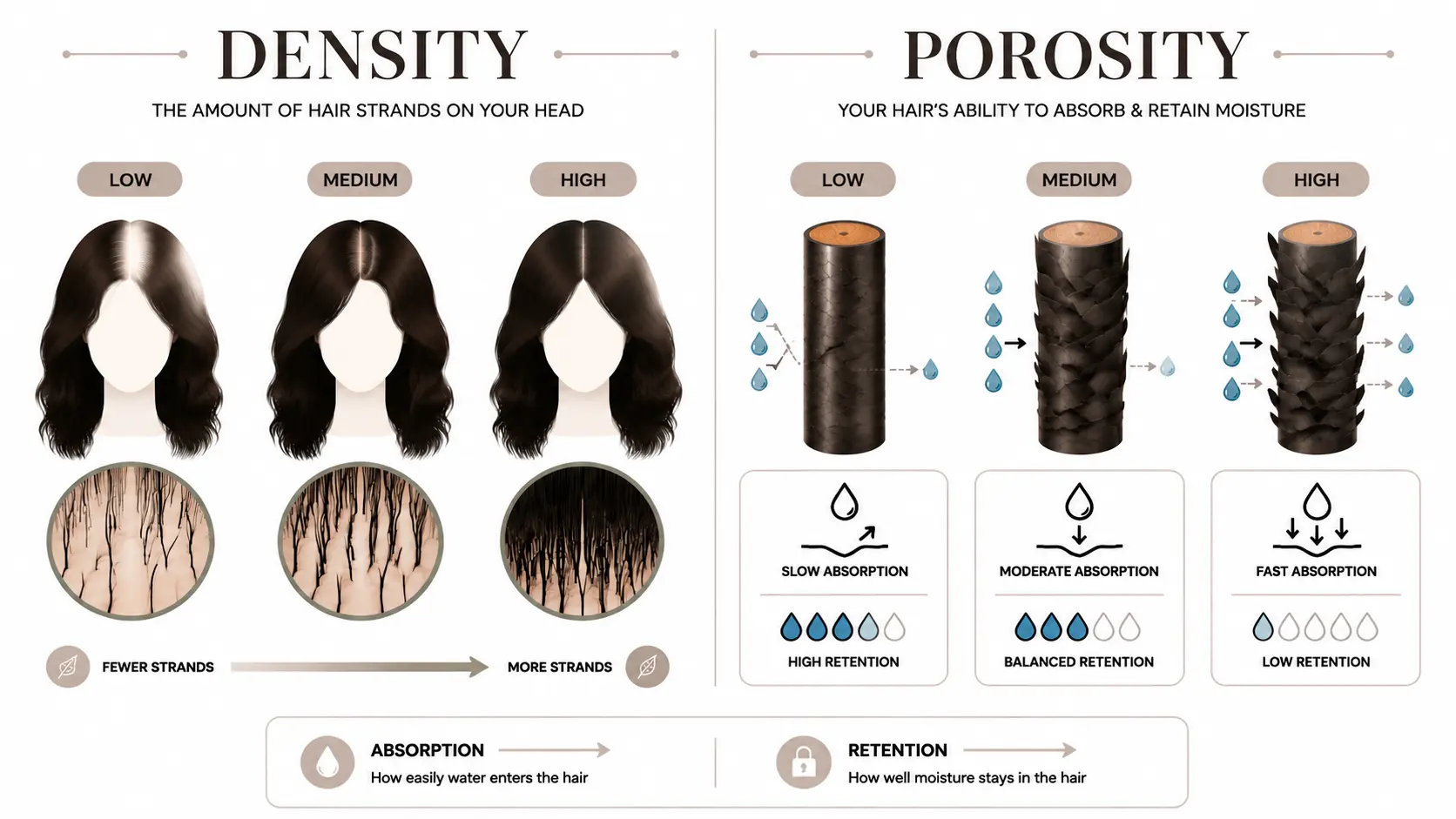
Hair type is only part of the equation when building a hair care routine. Density and porosity play a major role in how your hair responds to products and moisture.
What Is Hair Density?
Hair density is how much hair you have on your head overall. It is different from texture. You can have fine strands, but many of them add to high density.
- Low-Density Hair: The scalp is easily visible. Needs lightweight products that do not weigh it down.
- Medium-Density Hair: Most common. The scalp is slightly visible. Works well with most products.
- High-Density Hair: The scalp is not visible. Needs products that can penetrate thick hair.
What Is Hair Porosity?
Porosity is your hair’s ability to absorb and hold moisture. It depends on how open or closed the outer layer of your strand is.
- Low Porosity Hair: The cuticle is tight. Water and products sit on top instead of being absorbed. Needs heat to help products absorb, such as steaming or warm-water rinses.
- Medium Porosity Hair: The most balanced type. Absorbs and holds moisture well. Responds well to most products.
- High Porosity Hair: The cuticle is open. Absorbs moisture fast but loses it just as fast. Needs heavier creams and sealants to lock moisture in.
Best Haircuts for Each Hair Type
The right haircut can enhance your natural texture and make styling much easier. Choosing a cut that works with your hair type often leads to better volume, shape, and manageability.
| Hair Type | Recommended Haircuts | Why They Work |
|---|---|---|
| Straight Hair | Blunt cuts, layered cuts, side parts, middle parts | Layers add movement and prevent straight hair from looking flat. |
| Wavy Hair | Long layers, shag cuts, textured layers | Removing excess weight helps waves form more naturally and reduces bulk. |
| Curly Hair | Curly cut, DevaCut, layered curly styles | Cutting curls dry allows the stylist to shape the hair based on its natural curl pattern. |
| Coily Hair | Tapered cuts, natural fro shapes, protective styles | Shape-focused cuts enhance volume while regular trims help reduce breakage. |
A haircut that complements your texture can make daily styling much easier. Working with your natural pattern often produces better results than trying to fight against it.
Middle Part Flow Hair by Hair Type
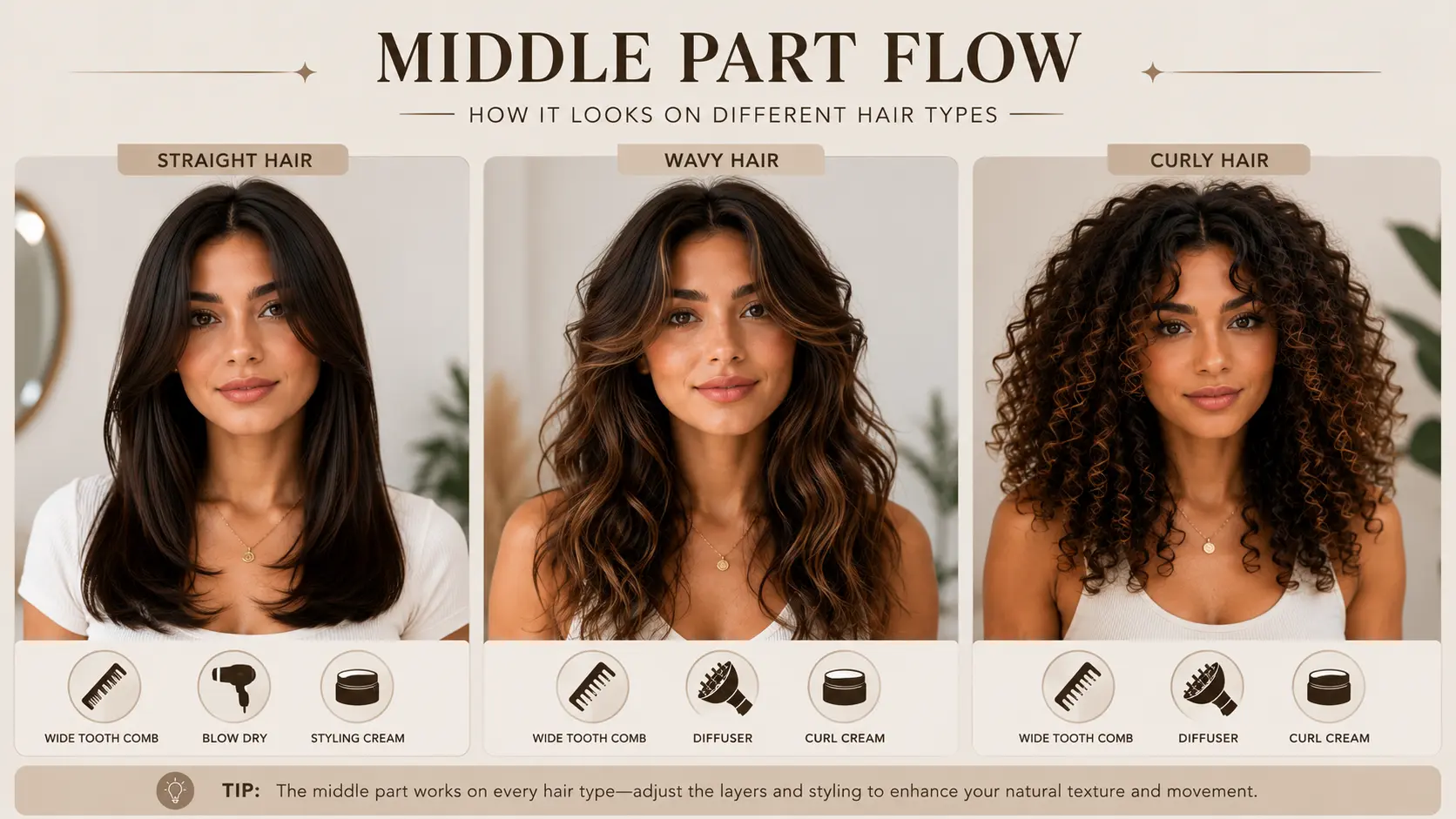
The middle-part flow is a hairstyle in which the hair is parted cleanly down the center and falls naturally to both sides.
It has gotten very popular because it looks clean and works with the natural movement of the hair.
- Straight Hair Middle Part Flow: This is the most classic version. The hair falls flat and smooth on both sides. A flat iron can sharpen the look. A small amount of serum adds shine without a greasy residue.
- Wavy Hair Middle Part Flow: Wavy hair adds more texture and movement to the middle part. It works especially well with medium-to-long lengths. Let it air dry and use a light cream to define the waves without making them stiff.
- Curly Middle Part Flow: Curly hair adds significant volume and bounce to the middle part. Finger coiling the front pieces after washing helps define the shape. A light-hold gel keeps the part clean without a crunch.
- Styling Tips: Use a rat-tail comb to create a sharp, clean center part. Blow-dry from the roots with a diffuser to enhance natural volume. Avoid heavy waxes and pomades if you want the flow to look soft and natural.
Common Hair Concerns by Hair Type
Every hair type comes with its own set of challenges. Understanding the cause of common hair concerns can help you choose the right solutions.
- Oily Hair: Most common in type 1 hair. Wash more often and use a clarifying shampoo once a week.
- Frizz: Affects types 2, 3, and 4 the most. Caused by dryness and humidity. Deep conditioning and sealing with an oil helps.
- Lack of Volume: Common in fine and low-density hair. Lightweight volumizing sprays and avoiding heavy products help.
- Dryness: Most common in types 3 and 4. These hair types need regular deep conditioning and moisturizing products.
- Breakage: Often caused by rough handling, heat damage, or lack of moisture. Protective styling and protein treatments help rebuild the strand.
Most hair concerns can be improved with a routine tailored to your specific hair type and needs. Small adjustments in products and care habits often make a noticeable difference over time.
Can Your Hair Type Change Over Time?
Yes. Hair type is not always permanent.
Hormones: Pregnancy, puberty, and thyroid changes can all shift your curl pattern, and hormonal hair changes are well documented in medical research. Some people notice their hair getting curlier or straighter after major hormonal changes.
Aging: As you get older, strands can become finer and looser in curl pattern.
Heat Styling: Repeated heat use over time can permanently loosen curl patterns.
Chemical Treatments: Relaxers, perms, and color treatments all change the structure of the strand, which changes the pattern.
Conclusion
The hair type chart gives you a solid starting point, but your hair is more than just a number.
Texture, porosity, and density all play a role in how your hair behaves and what it needs. Most people have more than one pattern across different sections of their head, so do not stress about fitting into one single category.
Focus on learning your hair, testing what works, and building a routine that fits your actual strands. The more you understand your hair, the easier it gets to care for it and style it the right way.
Frequently Asked Questions
What is the Rarest Hair Type?
Type 1A is considered the rarest hair type because it is completely flat with zero body or bend. Most people with straight hair fall into the 1B or 1C category instead.
Does Hair Type Affect How Fast Hair Grows?
Hair type does not affect how fast your hair grows, as growth rate depends on genetics, health, and diet. However, coily and curly hair types can appear to grow more slowly because of shrinkage and higher breakage rates.
Can Two People in The Same Family Have Different Hair Types?
Yes, siblings and family members can have completely different hair types, even when they share the same parents. Hair type is determined by the shape of each person’s individual hair follicles, which can vary within the same family.