

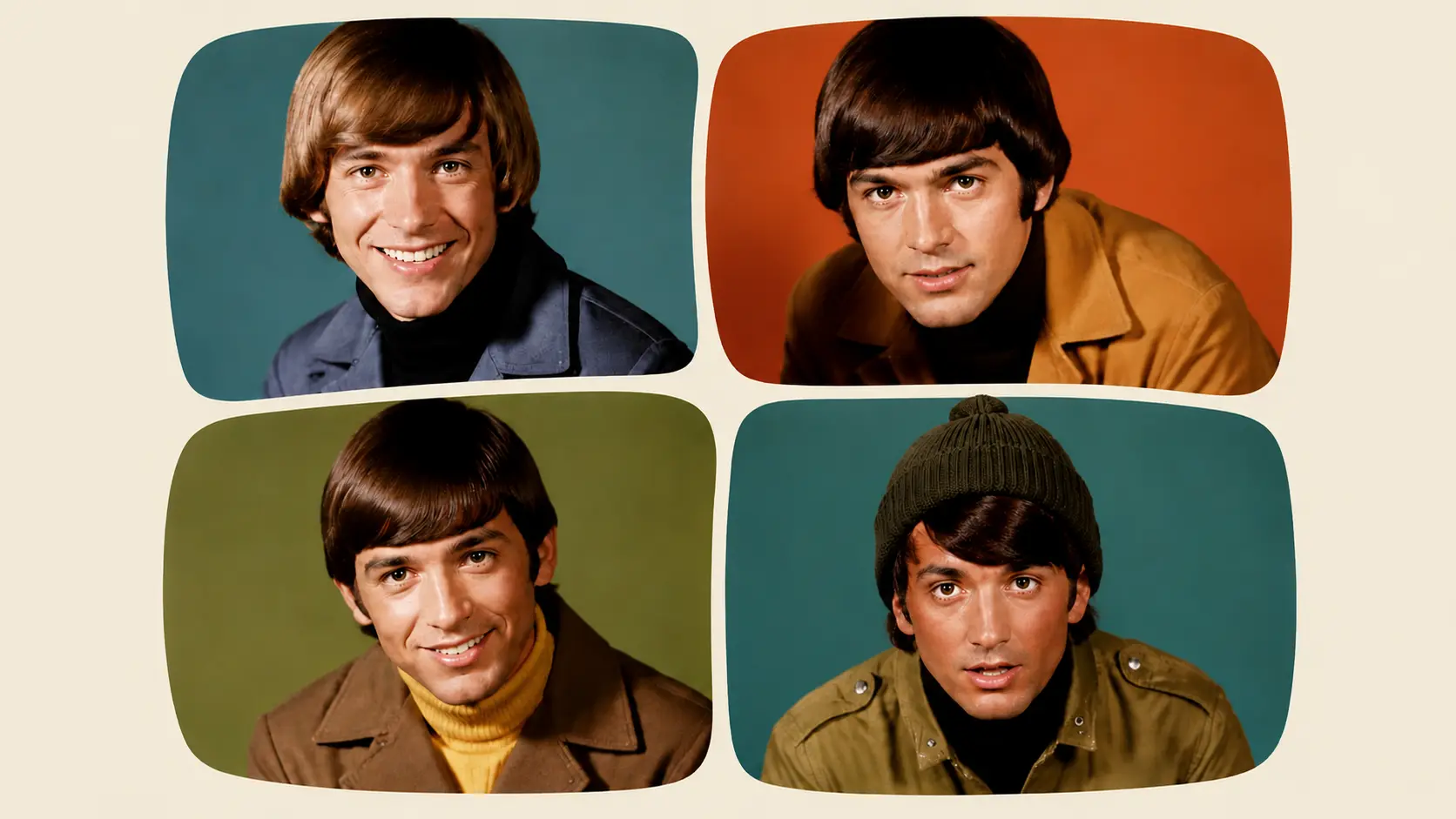
The Monkees were an American pop-rock band formed in Los Angeles in 1966 for an NBC TV sitcom.
The four members of The Monkees, Micky Dolenz, Davy Jones, Michael Nesmith, and Peter Tork, each took turns as The Monkees lead singer on different songs throughout the band’s career.
Though the group started as a TV act, they quickly became one of the most talked-about bands of the 1960s. Their TV show won two Emmy Awards, and their success helped prove that a group built for television could also make a real mark on popular music.
Decades later, their story still shapes how the entertainment world thinks about mixing music with TV.
How The Monkees Came Together
In 1965, TV producers Bob Rafelson and Bert Schneider wanted to make a show inspired by The Beatles’ comedy films, so they placed an ad seeking young musicians who could also act.
Over 430 people tried out, and four were chosen: Davy Jones, Micky Dolenz, Michael Nesmith, and Peter Tork.
Two were primarily actors, and two were trained musicians. When the show aired in 1966, studio musicians handled most of the playing while the four stuck to vocals.
Over time, the group pushed back and gained control of their own recordings. By 1967, they were writing, playing, and touring as a real working band.
Source:Wikipedia
Member Profiles
The Monkees worked well as a group because each of the four artists brought something different to the table.
Some came from acting, others from music, and all had their own lives and stories before the band ever formed. Here is a closer look at each member and the story behind the name.
1. Micky Dolenz
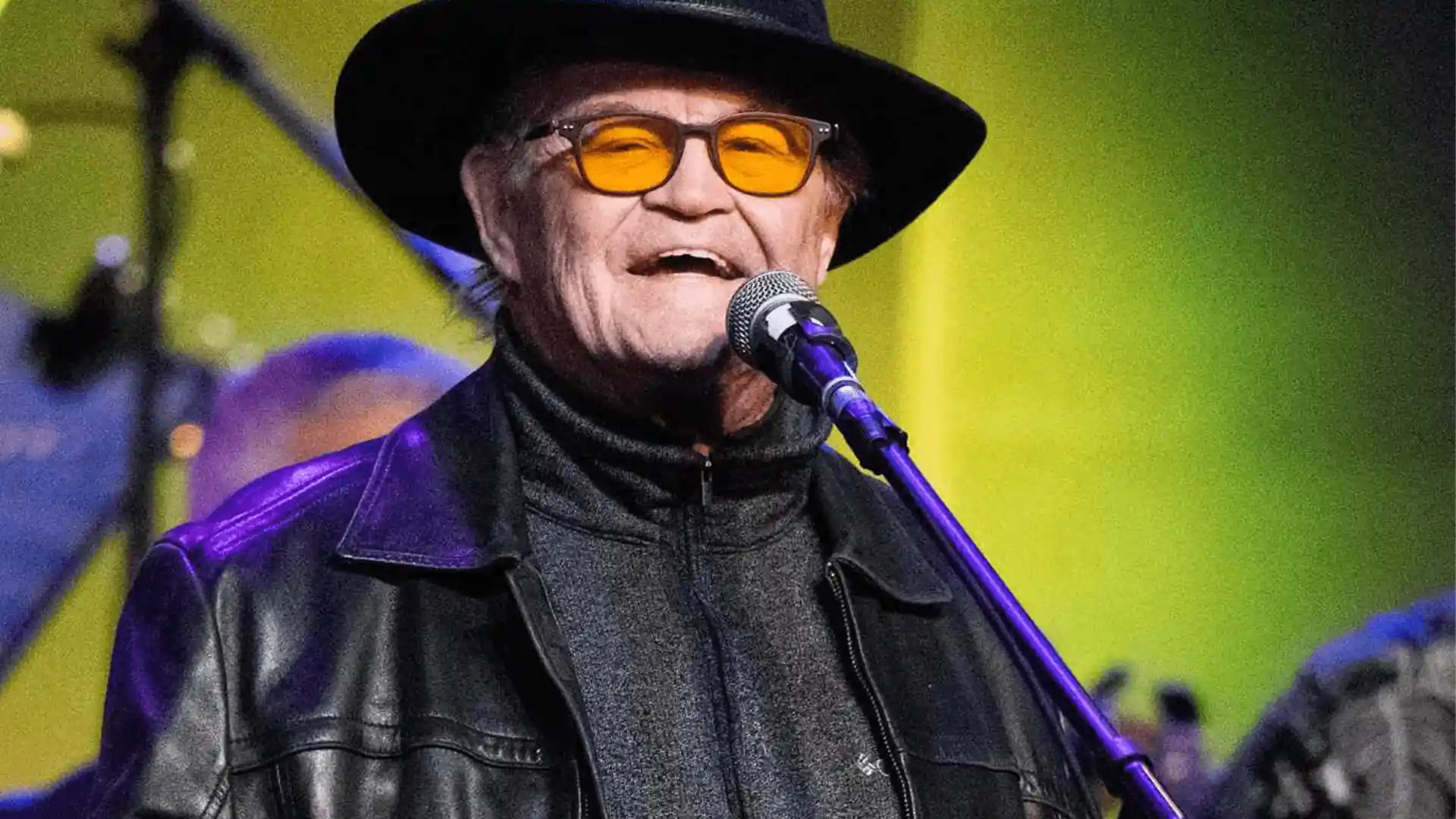
Micky Dolenz started as a child actor in the 1950s TV show Circus Boy. He had no drumming experience when cast, but picked it up fast. His voice became a key part of the group’s sound and led many of their chart hits.
- Full name: George Michael Dolenz Jr.
- Born: March 8, 1945, Hollywood, California
- Role: Drummer and lead vocalist
- Instruments: Drums, guitar, and vocals
- Key songs: “Last Train to Clarksville,” “I’m a Believer.”
- Post-Monkees: Acting, directing, and solo music; the last surviving Monkee
2. Davy Jones
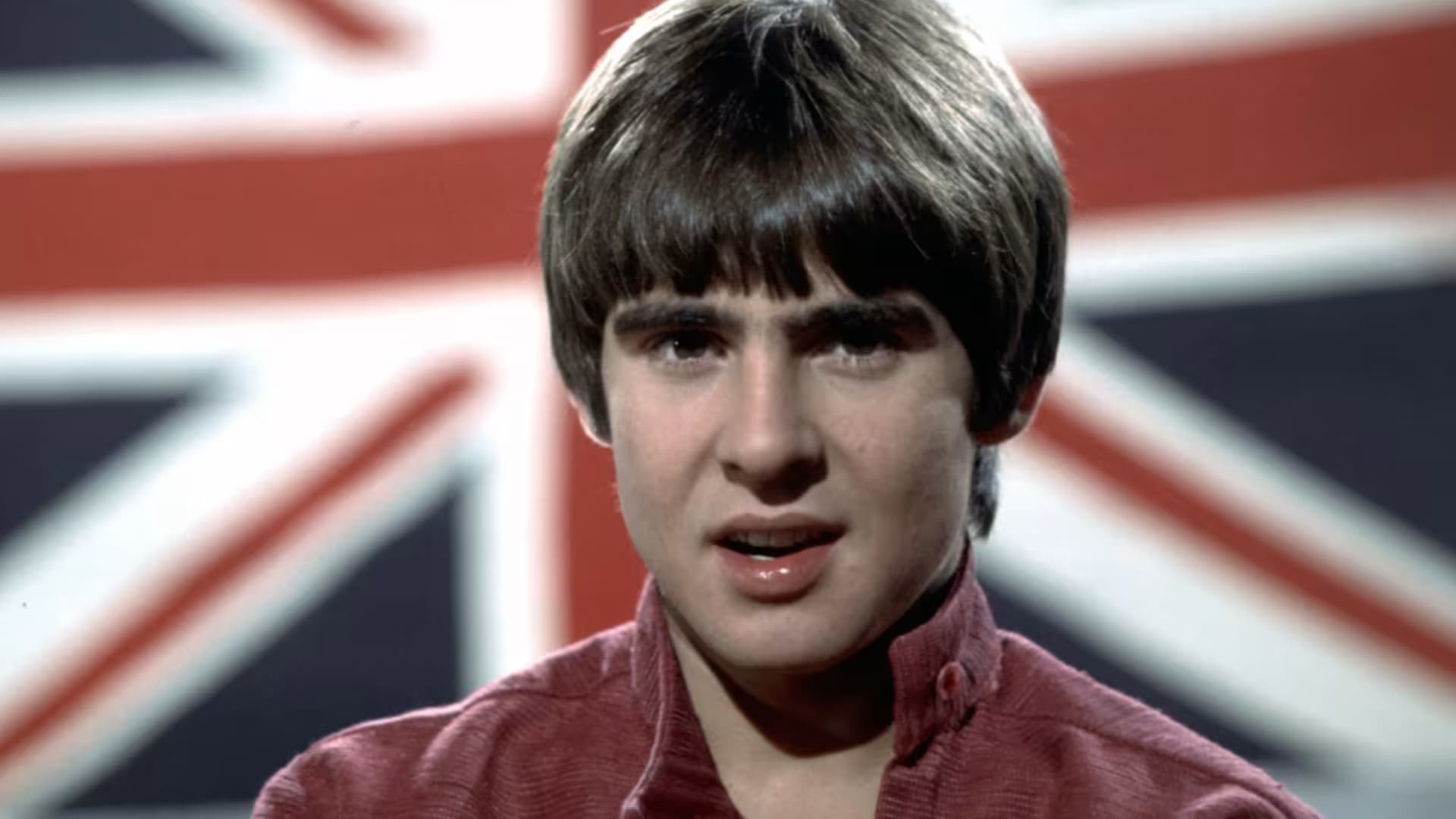
Davy Jones grew up in Manchester, England, and was already a stage star before The Monkees. His Tony-nominated Broadway role in Oliver! in 1963 put him on the map early. His boyish charm made him the group’s frontman and a teen idol throughout the 1960s.
- Full name: David Thomas Jones
- Born: December 30, 1945, Manchester, England
- Role: Lead vocalist and percussionist
- Instruments: Vocals, tambourine, maracas, and assorted hand percussion
- Key songs: “Daydream Believer,” “Valleri.”
- Died: February 29, 2012, heart attack, Stuart, Florida (age 66)
3. Michael Nesmith
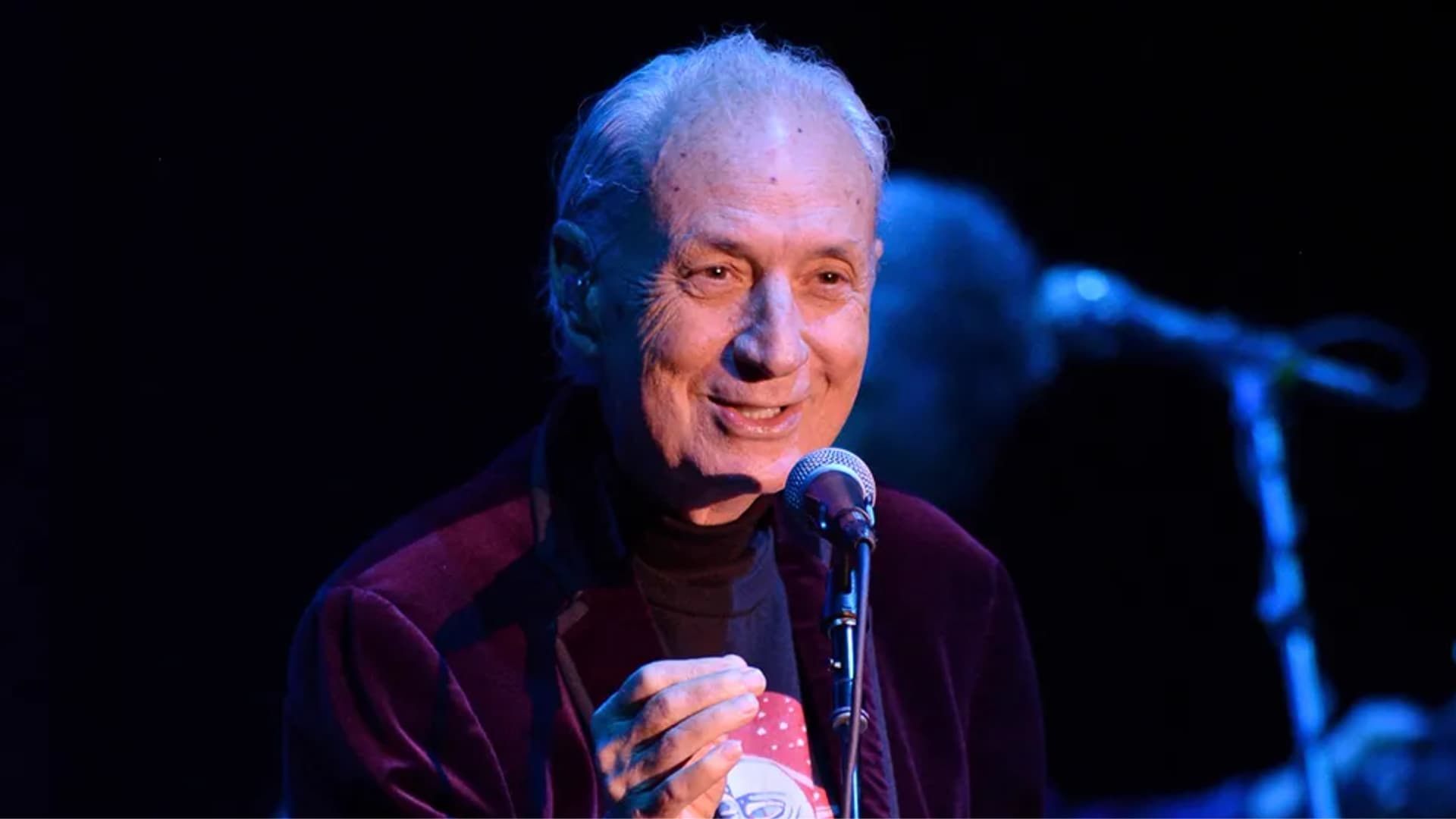
Michael Nesmith was a working folk musician from Houston, Texas, and the most musically serious of the four. He pushed hard for the group to write and record their own songs, which led to the 1967 album Headquarters. He also wrote songs that became hits for other artists.
- Full name: Robert Michael Nesmith
- Born: December 30, 1942, Houston, Texas
- Role: Lead guitarist and songwriter
- Instruments: Guitar (rhythm and lead), organ, and vocals
- Key songs written: “Mary, Mary,” “Different Drum” (hit for Linda Ronstadt)
- Died: December 10, 2021, natural causes, age 78
4. Peter Tork
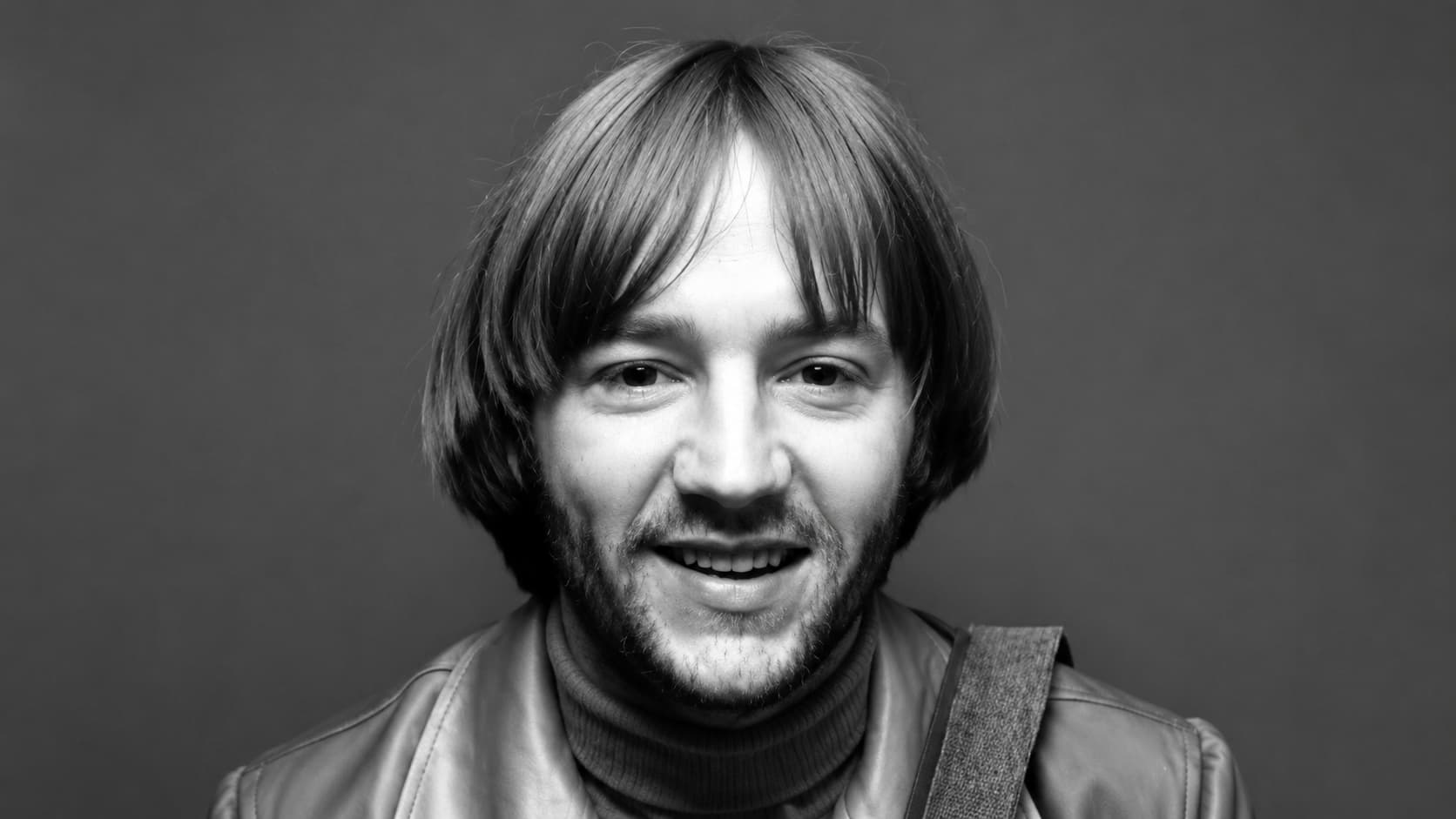
Peter Tork was the most musically experienced Monkee before the band formed, having worked the Greenwich Village folk circuit in New York. A friend of Stephen Stills, he was talked into auditioning and got the part. He could play multiple instruments from the start.
- Full name: Peter Halsten Thorkelson
- Born: February 13, 1942, Washington, D.C.
- Role: Bassist, keyboardist, and multi-instrumentalist
- Instruments: Bass, piano/keyboards, banjo, guitar, French horn
- Contributions: Co-wrote “For Pete’s Sake”; played on Headquarters (1967)
- Died: February 21, 2019, adenoid cystic carcinoma, age 77
Together, these four very different people made The Monkees far more than just a TV act.
Each one left a mark on the group in his own way, whether through songwriting, vocals, or the simple fact of showing up and doing the work.
Three of them are gone now, but the music they made together has stood the test of time for over five decades and continues to find new listeners today.
Monkees Lead Singer
From the start, all four Monkees took turns on lead vocals, though the duties were not equally shared.
Micky Dolenz sang lead on the most songs because producers Tommy Boyce and Bobby Hart felt his voice had the strongest commercial sound.
Davy Jones was a close second, especially on ballads. Michael Nesmith sang on many of the songs he wrote, while Peter Tork had fewer lead moments but stood out on tracks like “Shades of Gray.”
In the early recordings, the four only sang, with session musicians handling the instruments under the supervision of Don Kirshner.
By 1967, the group had pushed back hard enough to gain full control over their recordings, which led to Headquarters, the first album they wrote and recorded themselves entirely.
Each Member’s Standout Moments
The Monkees TV show gave each performer a chance to shine in their own way.
Across its two seasons, certain episodes stood out for putting one artist front and center, whether through a solo scene, a musical moment, or a performance that stuck with viewers long after the episode ended.
The table below highlights key episodes.
| Episode | Air Date | Featured Member | Key Moment |
|---|---|---|---|
| “The Monkees Theme” | 1966 | All | Intro theme performance |
| “Royal Flush” | 1966 | Davy Jones | Solo comedic scene |
| “Monkee vs. Machine” | 1967 | Michael Nesmith | Guitar-focused musical scene |
| “The Monkees on Tour” | 1968 | Micky Dolenz | Drumming showcase |
These moments helped audiences see the four members as individuals, not just as a group.
Over time, fans began picking favorites based on who they connected with most, and these episodes played a big part in building those personal bonds between the show and the people watching it.
Legacy of Lead Voices in Popular Culture
What made The Monkees ’ vocal identity stick was not just the music itself, but the way it was tied to real personalities that audiences already knew from TV.
Each voice belonged to a face people loved, which created a bond between listener and artist that few pop acts of the era could claim.
Their multi-voice approach also helped shape how future pop groups thought about dividing vocal duties.
When MTV aired reruns of the show in 1986, a new generation discovered the music, and the band’s albums returned to the charts.
By 2026, Micky Dolenz was still out performing on the 60 Years of The Monkees tour, keeping those voices alive.
Conclusion
Knowing the story behind the members of The Monkees transforms them from a trivia answer into something genuinely worth your time.
Their music carries more weight once you understand the personalities, conflicts, and creativity that shaped it.
Few bands from that era balanced entertainment and authenticity the way they did, and fewer still have held up across generations of listeners.
Whether you are revisiting a childhood favorite or discovering it for the first time, the reward is the same: music that was built to connect.
Frequently Asked Questions
Who Was the Lead Singer of The Monkees?
The Monkees did not have just one lead singer. Micky Dolenz sang lead on the most songs, with Davy Jones a close second. Michael Nesmith and Peter Tork also took lead vocal duties on various tracks throughout the band’s career.
Are Any Members of The Monkees Still Alive?
As of 2026, Micky Dolenz is the only surviving member of The Monkees. Davy Jones passed away in February 2012, Peter Tork in February 2019, and Michael Nesmith in December 2021.
What was The Monkees ’ biggest hit?
“I’m a Believer,” sung by Micky Dolenz and written by Neil Diamond, spent seven consecutive weeks at No. 1 on the Billboard Hot 100 in late 1966 and early 1967.



72 Responses
How about an actual picture of the Monkees not AI picture that looks nothing like them.
Who are the four photos of, at the header of this article? They certainly are not The Monkees.
That picture is not the Monkees.
I’m glad to see the Monkees being appreciated more lately. For many years they were ridiculed. They have made many songs that stand the test of time. I still listen to them often. They deserve to be in The Rock n Roll Hall of Fame.
They are NOT the Monkees!
Those first 4 pictures are not them. Look-alikes, maybe.
Who is the group in the top picture? Because that is not the Monkees!
MIKE ALSO HAD A GREAT SONG IN
1970..JOANNE
I think the pic is of The Jolly Green Giants without makeup
Great story! I remember the show as a six year old kid! They were just good fun!
They All Got Way Less Credit Then They Deserve.. Very Talented 😎👊💯💯 And Peter was Also a Friend of Hendrix from The Village Days. (And About That Picture 🤣🤣)
Big fan of the Monkees, all the “they are a manufactured band” stuff is nonsensical, so what, if the music sounds good that is all that matters. They had some really good songs, maybe written by others but, well, see above.
Prefer them to the Beatles tbh.
I grew up listening to The Monkees. I watched every episode and I had every album. I know that the picture you are showing is definitely not The Monkees. Why would you put up a fake picture of the group? By the way I got to see The Monkees in concert and they was fantastic.
That group picture is embarrassing. You can’t tell me that you didn’t know that wasn’t The Monkees!!
Glad to see I’m not the only one catching the fake picture. Why do this?
I loved the monkeys got a scrap book full about them from my teens.
I’m fascinated by that lead image. Google image search couldn’t find any match other than this specific article. Though oddly it did match to some images of Bobby Sherman. So maybe it is just poor quality AI slop. Or maybe (admittedly not likely), a bored Bobby Sherman did a photo shoot where he dressed up as each member of the Monkees as a goof. And a photograph from that session is now being seen publicly for the first time.
I agree, those are not The Monkees. Even I can tell.
On ‘The Monkees Theme’, Mickey Dolenz was the lead singer. Davy Jones sang backing vocals, they were the only two Monkees on this track.
I remember watching the show while growing up in Ohio. One of my favorite shows ever. I was 10 and would sit in from of our Black n white TV
Why didn’t you mention that Peter Tork lived in Regina Saskatchewan, Canada as a child and that the home remained as a retreat in adulthood?
The only one that even comes clos is the one who looks more like Moke than the others look like the other 3. Not the Monkees at all.
Why are they not in the Rock & Roll Hall of Fame? Plus, the 4 pics at the top are not them.
Come on…I hate AI show real pics of the Monkees!!
Probably the four actors on the Rhino films “Made For TV”Biopic Daydream Believer.
Rediculous, why bother to write an article with fake pictures at beginning, nobody should read it, and it should be taken off
Why did the writer use FAKE musician’s at the beginning of the article. I thought be I read the article that they were going to have Monkees 2.0. Bad start for an article of the original members.
Daydream Believer was sung by Davy Jones, not Micky Dolenz!
Who are those 4 kids in the pictures? An AI version of them?
I love the Monkees, I could not wait to see them on TV after school! Loved the whole band,the cool buggy, and rolling down the hill being silly !
I was always a Monkee fan, could not wait to come home from school to see the TV episodes. Rolling down the hill being silly. Driving that crazy buggy all over and singing that song , Hey hey with the monkees!
I was always a Monkee fan, could not wait to come home from school to see the TV episodes. Rolling down the hill being silly. Driving that crazy buggy all over and singing that song , Hey hey with the monkees!
I’m glad so many people commented on the horrible “photos” at the top of the article. Sheesh! If you want to do them homage, use ACTUAL PHOTOS of each of them!! Cheap.
Mike was my favorite Monkey. I love this voice too although he didn’t sing lead on many songs. And I too remember watching it after school and before doing y homework. It was on immediately after Dark Shadows. And would end with “In This Generation” sung hauntingly by Mickey Dolenz’s impeccably smooth vocals.
In response to Colin Cronin’s comment, the author DID attribute “Daydream Believer” to Davy Jones and NOT to Mickey Dolenz. He DID however attribute “I’m A Believer” to Dolenz, as is correct. Maybe that’s what confused you.
Sometimes AI is good and sometimes AI sucks and this SUCKS! Come on, there are a bazillion pictures of the real Monkees…why this one?
What a horrible photo of the four to start the story!
Can’t believe you didn’t mention the opening verse of Shades of Grey with Peter Tork on lead vocals. Pretty bad miss.
My apologies. I see you mentioned Shades of Grey later below in the article.
Shades of my childhood growing up, oh how I wish I could bring those days back, what a wonderful time to be a kid, my older sister was a big Monkeys Fan, sadly she’s gone now but memories live on.
I didn’t see any real picture of Mickey. None of those pictures looked like him. The parts of the articles that I read were pretty good.
I took another look at it, and I guess Mickey’s picture is supposed to be the one at the far right top. But I really don’t think it’s him.
Fake pics and inaccurate article. As a young Monkees fan, you have done them a disservice!
I know this be a repeat but it’s really obvious that those are total crap even music lovers who have never heard of the Monkees would probably be able guess that these pictures are fake.
The story is about the Monkees. However, the pictures, except for the older Mickey, are not the Monkees.
Just saw a video of Mickey Dolan’s at Church Studio singing “I’m A Believer”.
He’s still got it. He laid down some good vocals on it.
Keep rocking it Mick!
Michael Nesmith is in the picture, Peter Tork is close but Davey and Mickey absolutely Not
Michael Nesmith is in the picture, Peter is close but Davey and Mickey absolutely Not
Michael Nesmith is in the picture, Peter is close but Davey and Mickey absolutely Not
What in the AI is that group photo? Right outfits, wrong faces. Is this what passes for journalism these days? Come on dude, this is just embarrassing.
Pic is false and bad.no respect?
I discovered the Monkees when I was like 9yrs old i think, back in 1976, I loved watching the show and the first album I ever bought was The Monkees Greatest Hits album and I’ve still got it! That picture is definitely not The Monkees!! I cried when Davy died, I cried when Michael and Peter died! Thank goodness Micky is still rockin the song that are forever in my heart! I am a Daydream Believer taking that Last Train to Clarksville!!
Bottom right looks like Mike Nesmith and the upper left could kind of pass for Peter Tork, but the other two dont look anything like them.
I got to see Davy and Mickey with Boyce and Hart play at our High School in 1975. I was 13 and my best friend and got to go to our first concert lol. My dad was part of the security team and we got to go back stage and actually meet them. I got a kiss on the cheek from Davy and one on my forehead from Mickey… and so did my friend. I don’t remember much else from that time but I’ll never forget that. ❤️
I think that picture came from a movie about how the Monkees got started. But definitely not the original Monkees. 😡
Peter Tork also sang backup on “Words,” the B side of Pleasant Valley Sunday.
I am torn about the pictures. I loved them as a group and loved the show as well.
We can’t have everything and we have to have a healthy imagination, so in my heart I will always sing the songs. I will ALWAYS be ” I’m a believer! ” lol
Great to see The Monkees getting some attention in 2026, but the entire article smells a little like AI.
Very basic.
Pics not the monkees
I thought the pictures was a upcoming biopic on the monkees 🤣
Loved them! Micky was my fave. Finally met him in person at YSU in Youngstown Oh. Only fake photo is Peter!
If you’re going to do a story about The Monkees and include pictures, you should at least get the picture in the header of the four together accurate. What’s pictured is not even them. Very disappointing.
I don’t think Scott (or any human) wrote this article. It all smacks of an AI “written” filler article. (Big clue is the non-Monkees group photo that everyone is referencing).
Still my favorite band ever!!! Davy Jones I miss you. I am a 80s fan. Who stranded the test of time…they were my first concert and last year my last….I love e my Boyz
I hate AI so much. What a lazy and unprofessional thing to do.
I agree with Colin, that is a publicity shot for the Monkees biopic featuring the four actors.
I loved “I believer AND HAS POSTER OF Davey Jones in my room
AND YOU JUST MAY BE DA ONE, MICHAEL NEZ SINGZ IZ ALL DATZ IMPORTANT TA ME AND DA VIDEO 1967 ??
WELL WHAT CAN WE EXPECT WHEN THE PERSON “WRITING” THIS IS A DECADES LONG SPORTS WRITER!!!!!
ATHLETES ARE IS KNOWLEDGE!
SERIOUSLY WTF DECIDED TO POST THE GARBAGE!!!
😒😒😒😒😒😒
I am one of those fans who discovered the Monkess thanks to MTV at the age of 4 years old, I have been a fanatic! And I definitely could write better! Like fact that Peter also sang lead on
“Auntie Grizelda”
And I am gonna leave it at that!!
I think the photo may be from the 2000 biopic about the Monkey’s….”Daydream Believer’s: The Monkey’s Story. Pretty sure those are the actors playing the Monkey’s
You need a photo of the guys, not some random fake.
Why do put the wrong photos & information. ABOUT THE POPCULTURE FROM FAVORITE DECADES 60’S, 70’S AND 80’S? MIKE NESMITH SUNG LEAD ON LOVE IS ONLY SLEEPING, You’re the one, Papa Gene’s Blues ,Red Circle Sky & What am I Doing Hanging Around.
I grew up with the Monkee’s. Loved the show to this day. Love the music…..
I watched every episode of The Monkees. It was so entertaining and funny. I loved the music that played throughout the series during various scenes. I saw Davy Jones, Micky Dolenz, and Peter Tork perform in 2002. Then, Davy passed😪. Then, we saw Michael Nesmith, Micky Dolenz, and Peter Tork perform. We also saw Micky Dolez and Michael Nesmith perform after Peter Tork passed😪. Finally, we just saw Micky Dolenz perform after Michael Nesmith passed😪I think I saw them a total of 6 times! Each one passing was a heartbreak! There music still puts a smile on my face and keeps me dancing.