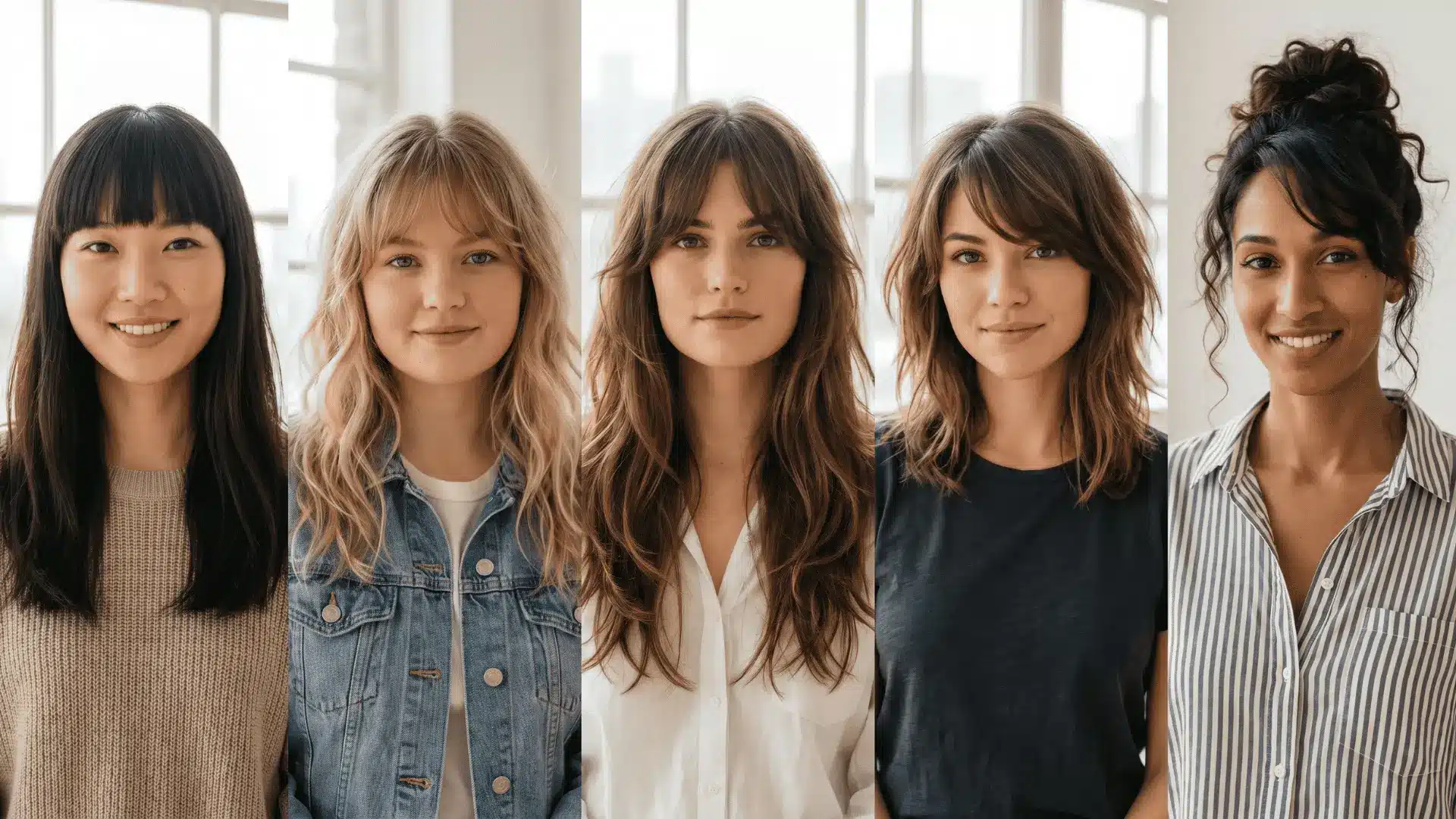

Ugh, I’ve been there scrolling through hundreds of blogs and YouTube videos, still unsure which bangs actually suit my face.
It’s frustrating because every tutorial says something different, and tiny differences in length, thickness, or parting can totally change how your face looks.
Choosing the right bangs can feel like a guessing game, especially if you’re just starting out.
This beginner-friendly helper cuts through all that confusion, giving simple, practical advice so you can finally figure out which bangs will actually work for your face shape without all the stress.
What Bangs Work Best for Oval Faces?
Oval faces are basically the “jack-of-all-trades” for bangs. With your forehead, cheeks, and jawline so balanced, most styles end up looking good without much effort.
Blunt Bangs
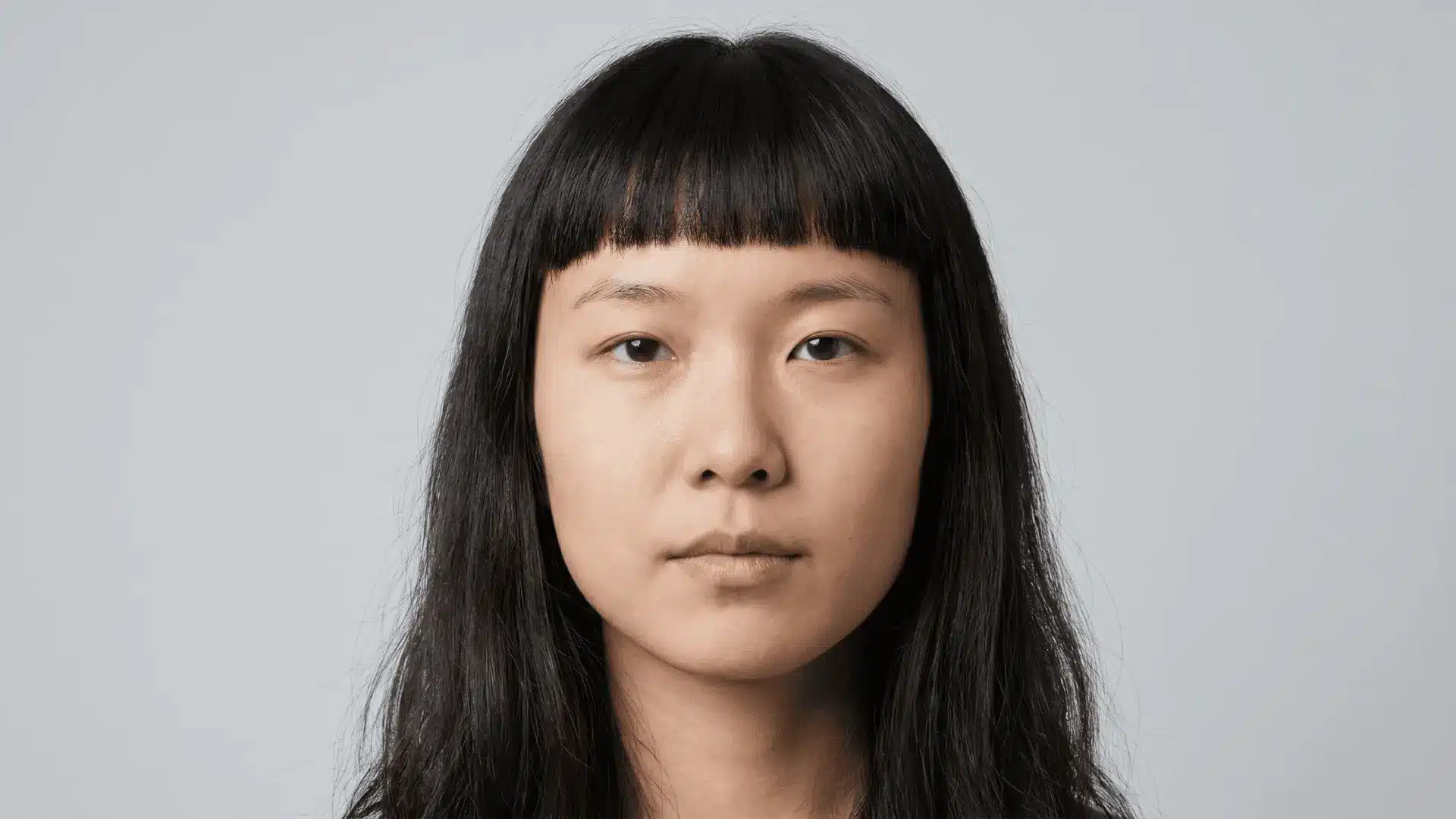
Blunt bangs sit straight across the forehead and highlight symmetry. On an oval face, they can shorten the look of your face slightly, giving a more defined frame.
They work best on finer hair or with some layering if your hair is thick.
Wispy Bangs
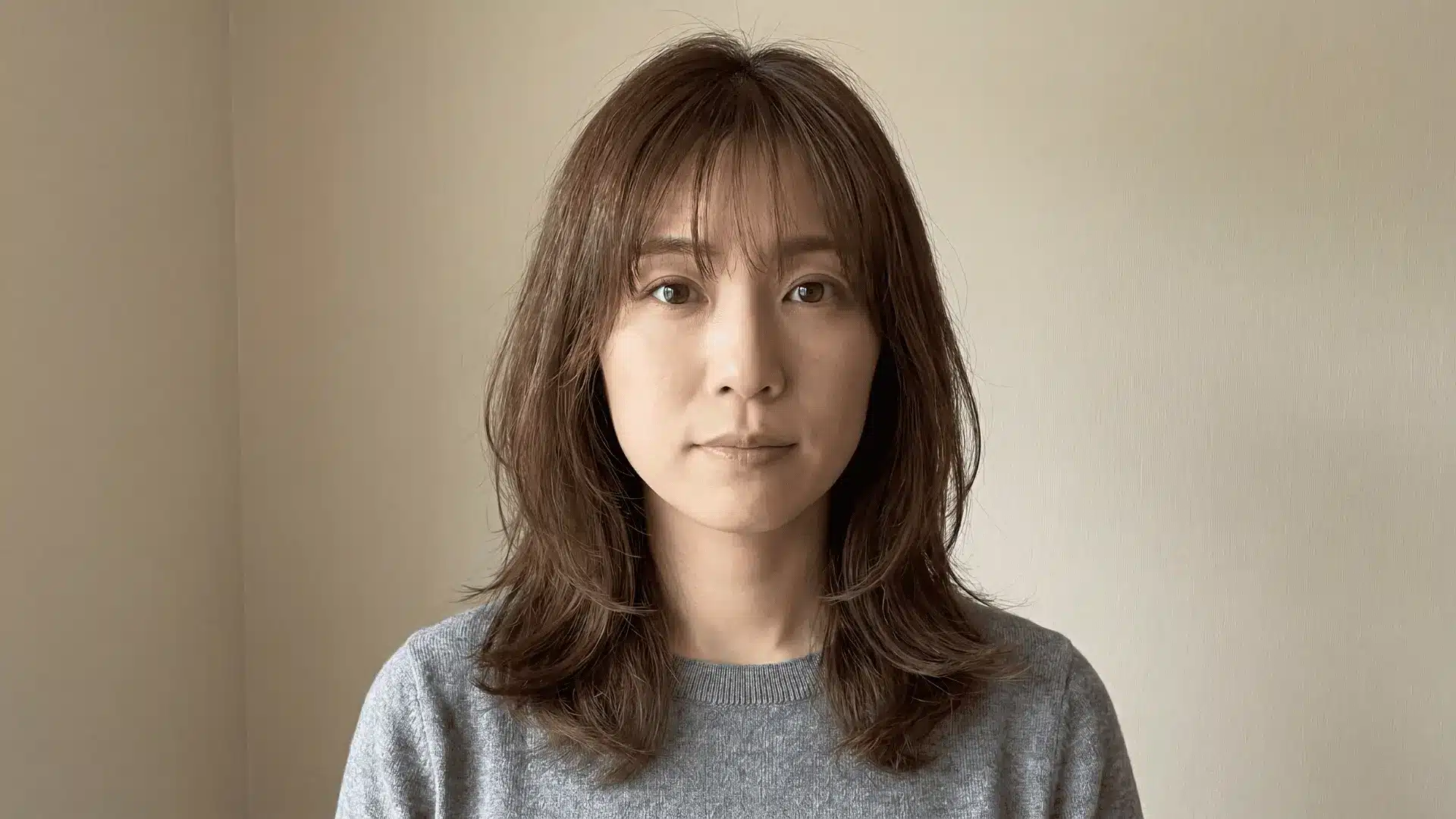
Wispy bangs are light and airy, just brushing the forehead to soften your features without making your hair look heavy.
They give a gentle frame to your face and are really easy to maintain, since a quick trim here and there keeps them looking fresh and natural.
Curtain Bangs
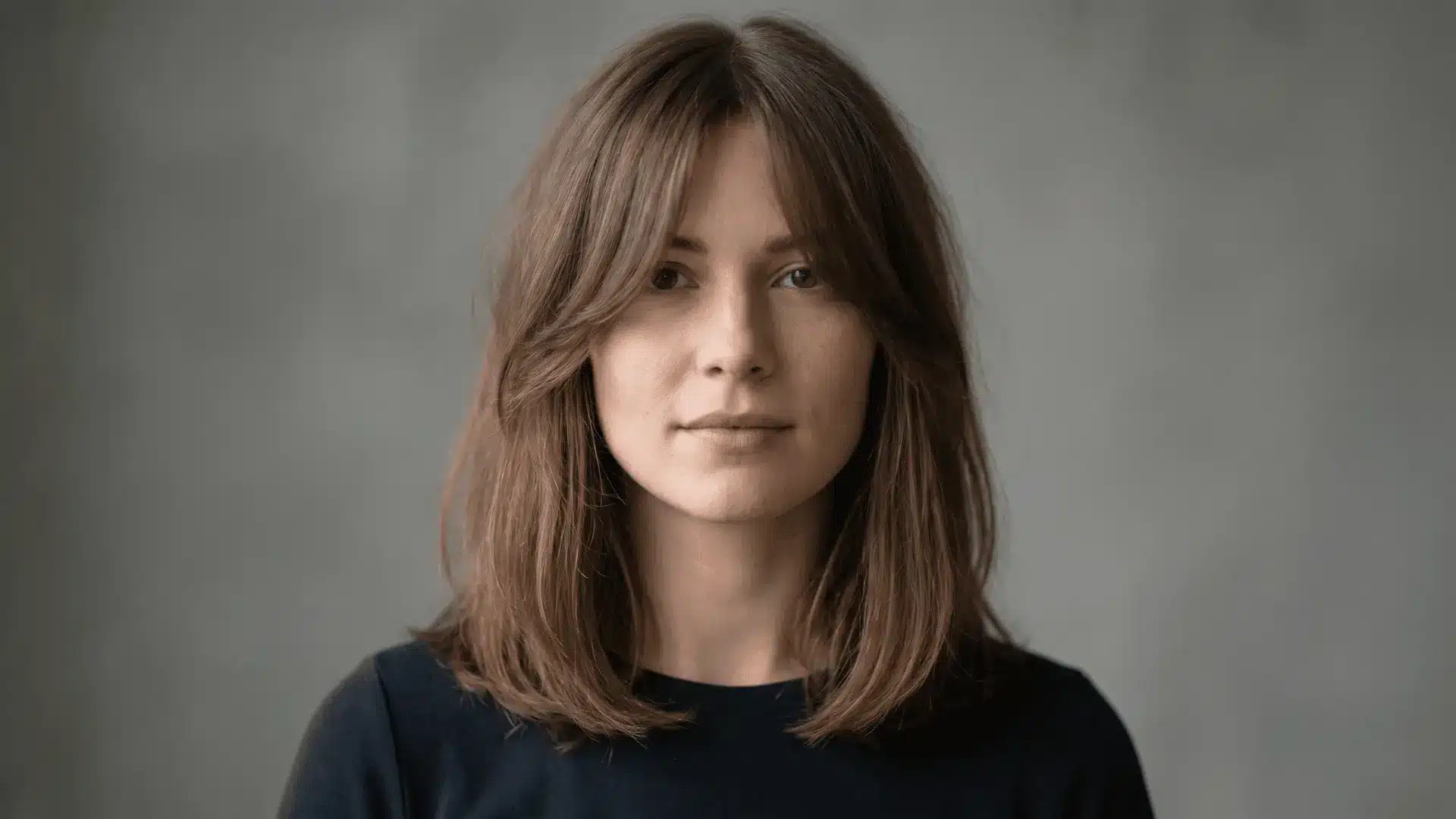
I have this hairstyle, and it’s super easy to style. It works on almost every face shape, even mine, and I have a round face.
They part in the middle and sweep to the sides, gently framing your cheekbones while keeping your forehead open. Something to note is that if your hair is fine, they can make it look even lighter
Tip: if your hair is oily and you’re not up for a full wash, just washing your bangs can make your whole head feel fresh.
How to Style These Bangs
Most oval-face bangs are low-maintenance. A quick blow-dry with a round brush or a gentle curl at the ends can make a big difference. Don’t overloading with product; a little dry shampoo or a light tousle is often enough.
Avoid: extremely short bangs or overly heavy blunt cuts; they can disrupt the natural balance of your face.
What Bangs Work Best for Round Faces?
For round faces, bangs that create angles or vertical lines work best. Wispy and curtain bangs suit too, but angled, layered, or side-parted bangs can slim cheeks and add structure.
Side-Parted Bangs
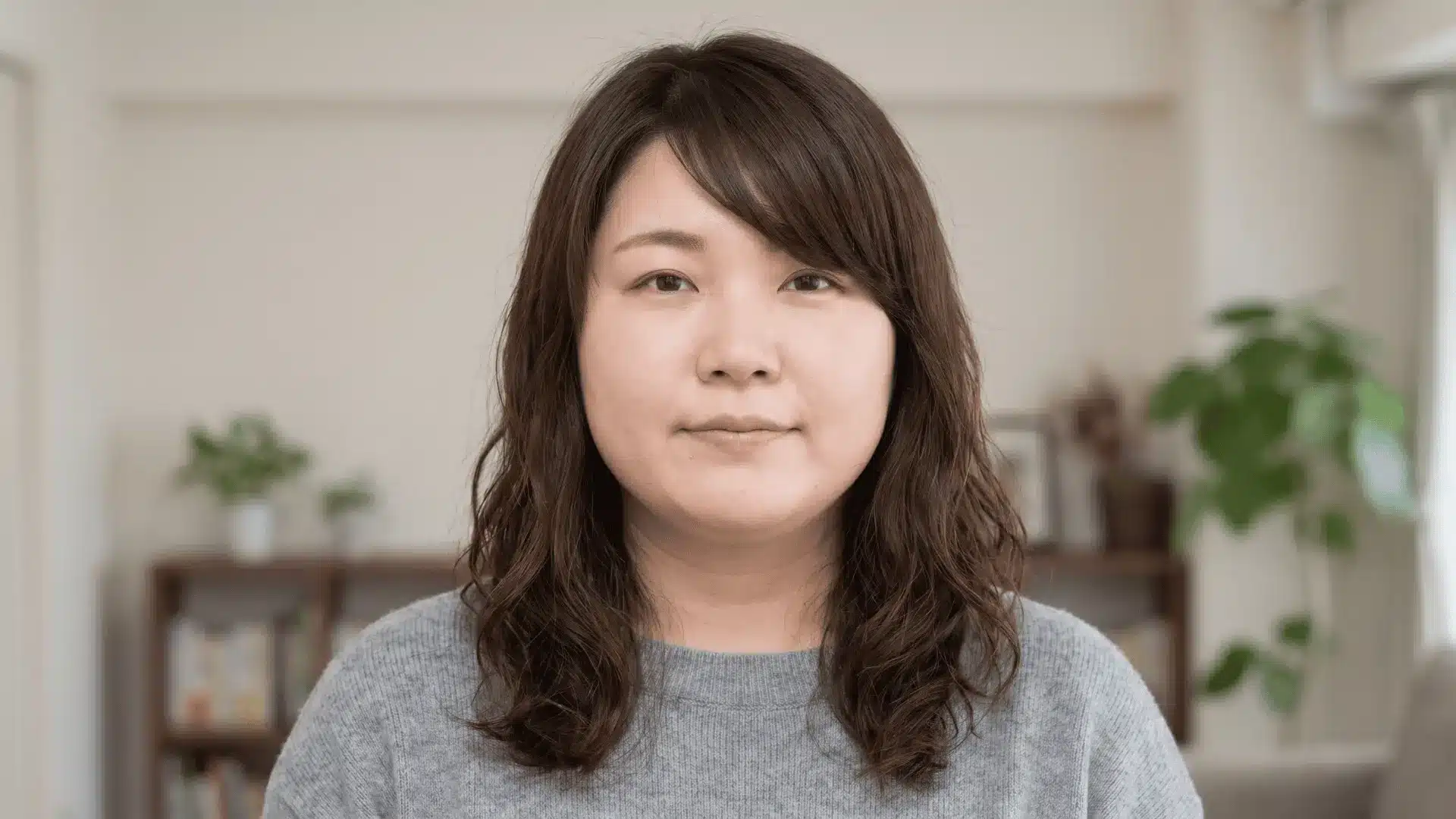
Bangs swept to one side create a diagonal line that visually elongates your face while softening round cheeks.
They’re easy to wear with straight or wavy hair and give a flattering asymmetrical frame.
Layered Bangs
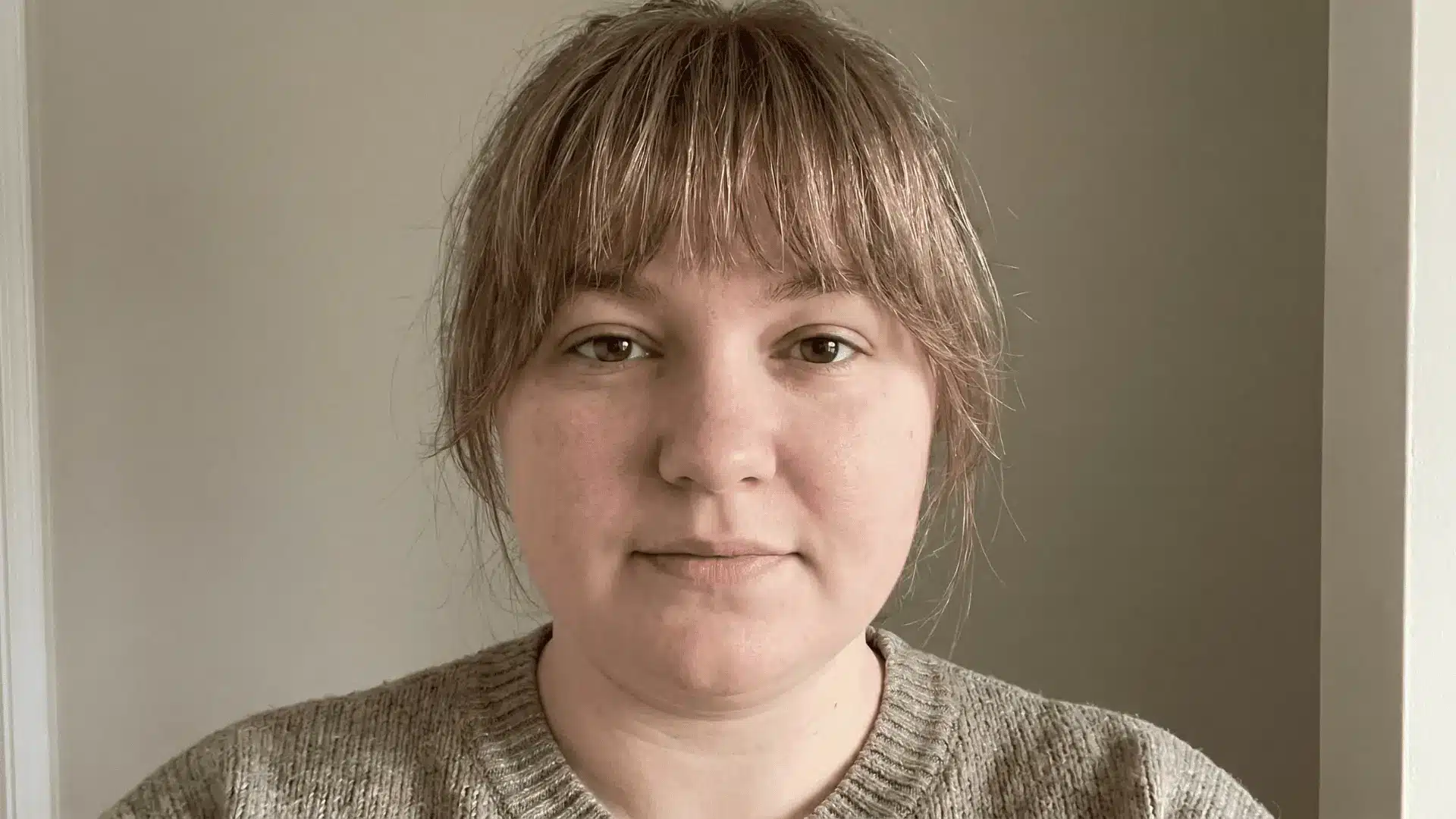
Layered bangs add texture and movement at the front, which prevents the hair from looking heavy across a round forehead. They subtly narrow the face and make styling flexible.
How to Style These Bangs
To style side-parted or layered bangs for a round face, start by blow-drying them at a slight angle or use a round brush to sweep them to the side.
This creates a diagonal line that elongates your face and softens your cheeks. Add a small amount of texturizing product to keep the layers light and airy, maintaining natural movement without weighing them down. This simple routine keeps your bangs looking structured yet flexible.
Avoid: straight-across cuts or very short bangs; they emphasize width rather than slimming the face.
What Bangs Work Best for Square Faces?
For square faces, bangs that add texture or softness are your best bet, they help break up a strong jawline and soften angles. Textured bangs work because they diffuse the sharp lines of the jaw and draw attention upward toward the eyes and cheekbones.
Choppy or asymmetrical cuts add subtle length and movement, making the face appear more balanced without hiding its natural structure.
Choppy Bangs
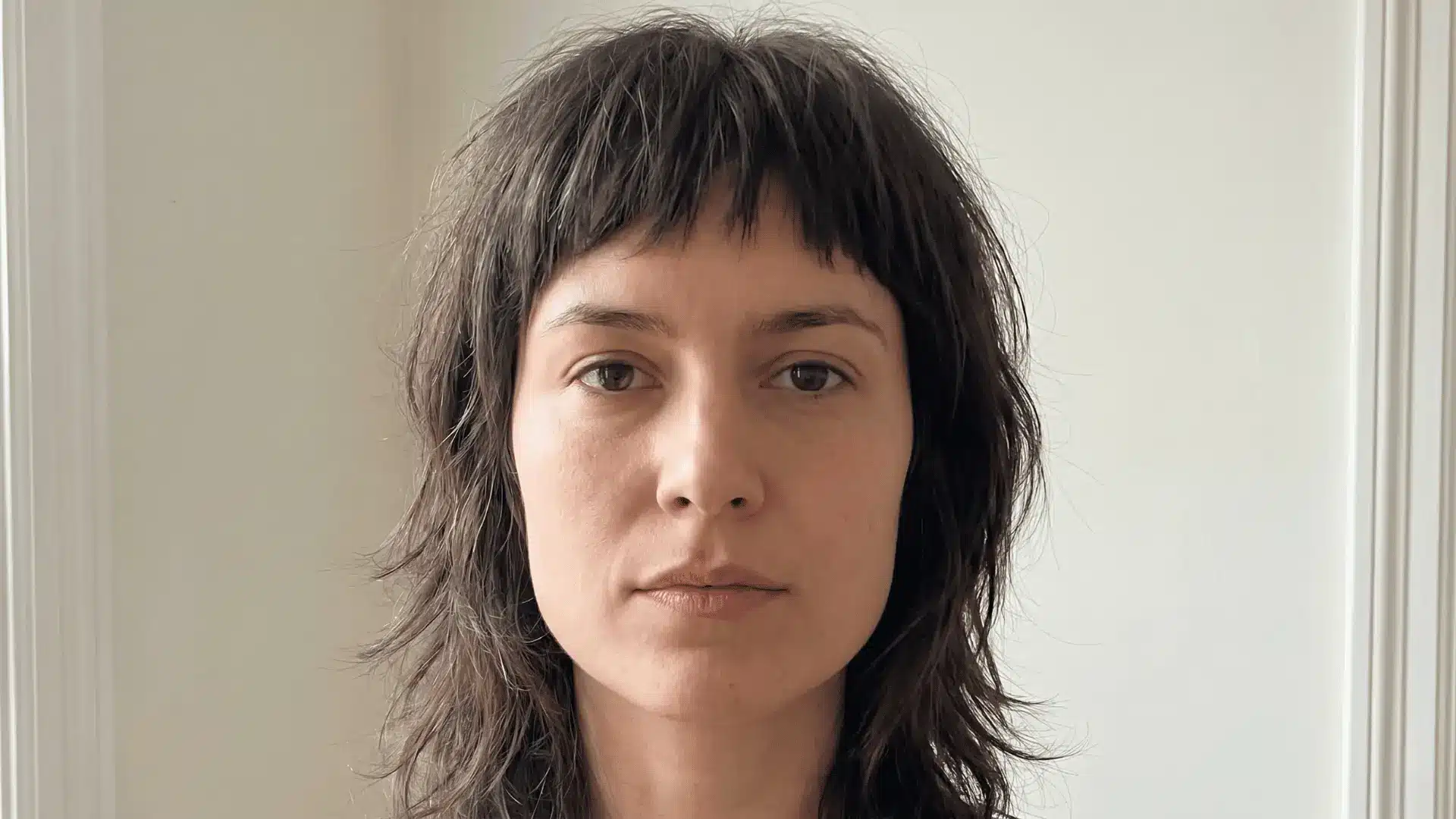
Choppy bangs are cut in uneven layers that soften strong jawlines and add movement at the front.
They prevent the hair from feeling heavy or boxy while keeping a playful, casual look.
How to Style These Bangs
To style choppy, asymmetrical bangs, start by using a round brush or your fingers while blow-drying to enhance the natural texture.
Lightly tousle the layers to keep them airy and soft. You can add a small amount of texturizing product to hold the shape without weighing the bangs down.
Avoid pressing them flat with a straightener, as this removes the intended choppy, effortless look.
Avoid: heavy, straight-across bangs; they make the jawline appear sharper and can create a boxy look
Other bangs that also suit square faces:
-
Curtain bangs
-
Side-swept bangs.
What Bangs Work Best for Heart-Shaped Faces?
For heart-shaped faces, bangs that balance a wider forehead and a narrower chin work best.
Layered curtain bangs are a great option; they softly frame the face, redistribute attention, and prevent the top from looking too heavy.
Bangs help by shifting perceived proportions. Layered cuts add horizontal balance and subtle volume near the cheeks, softening a pointed chin while keeping the forehead in harmony. The result is a more even, gentle look.
Layered Curtain Bangs
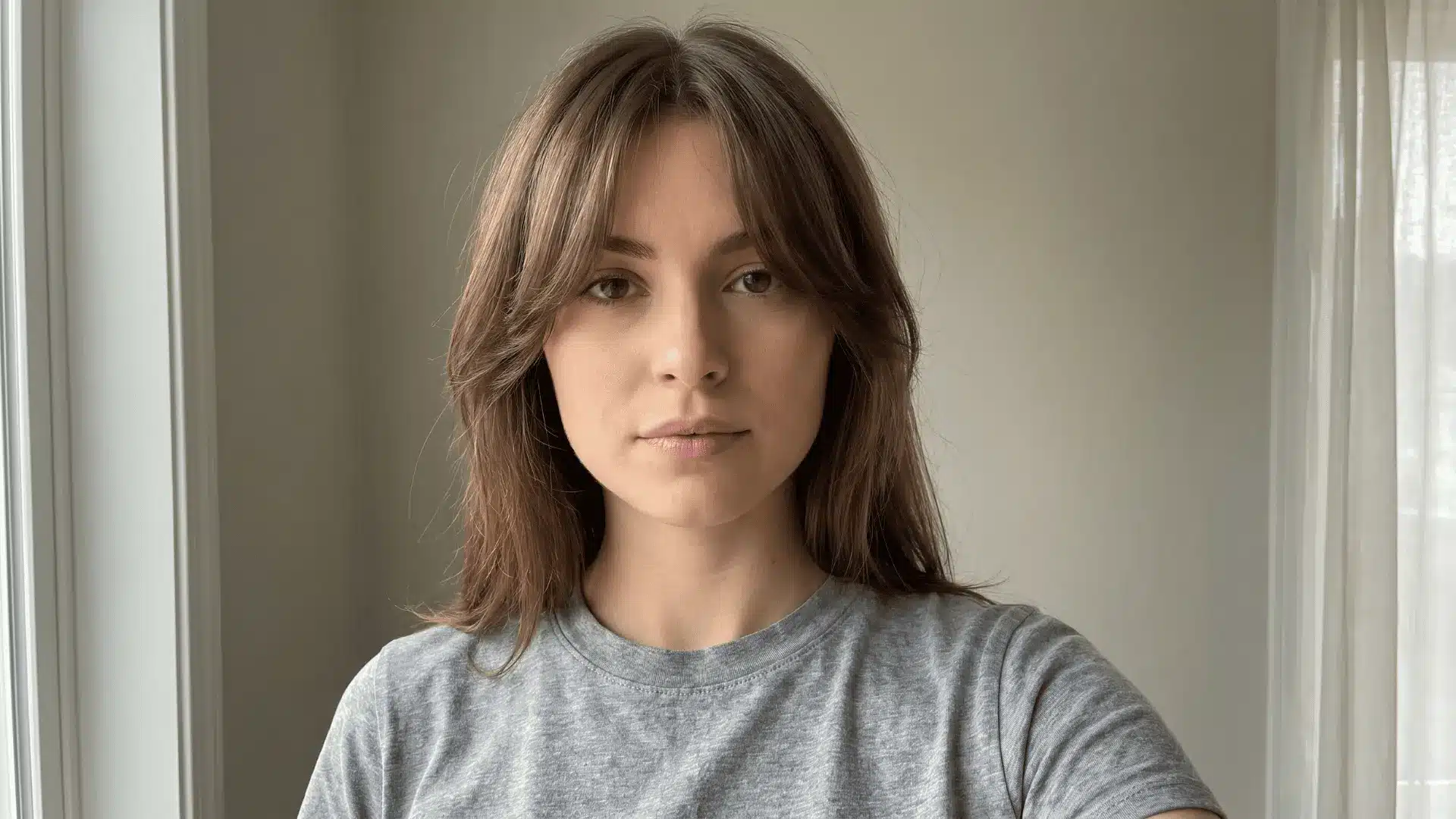
Layered curtain bangs part in the middle or slightly off-center, with light layers that frame the face. They reduce the emphasis on a wide forehead, create movement, and subtly balance the narrow chin.
Other Bangs That Also Suit Heart Faces
- Side-Swept Bangs: Create a soft diagonal line that narrows the forehead.
- Wispy Bangs: Light and airy, they gently frame the upper face.
- Asymmetrical Bangs: Longer on one side, they add a subtle diagonal to soften angles.
How to Style These Bangs
To style your layered curtain bangs, start by parting them slightly off-center to create natural movement. Keep the layers light so your bangs stay soft and flowing—avoid heavy, blunt cuts, as they can make your forehead look wider.
These bangs are low-maintenance, but schedule trims every few weeks to keep them looking fresh and in shape.
Avoid: blunt, full bangs that cover the forehead completely; they can make the forehead appear wider and unbalance the chin.
What Bangs Work Best for Long/Oblong Faces?
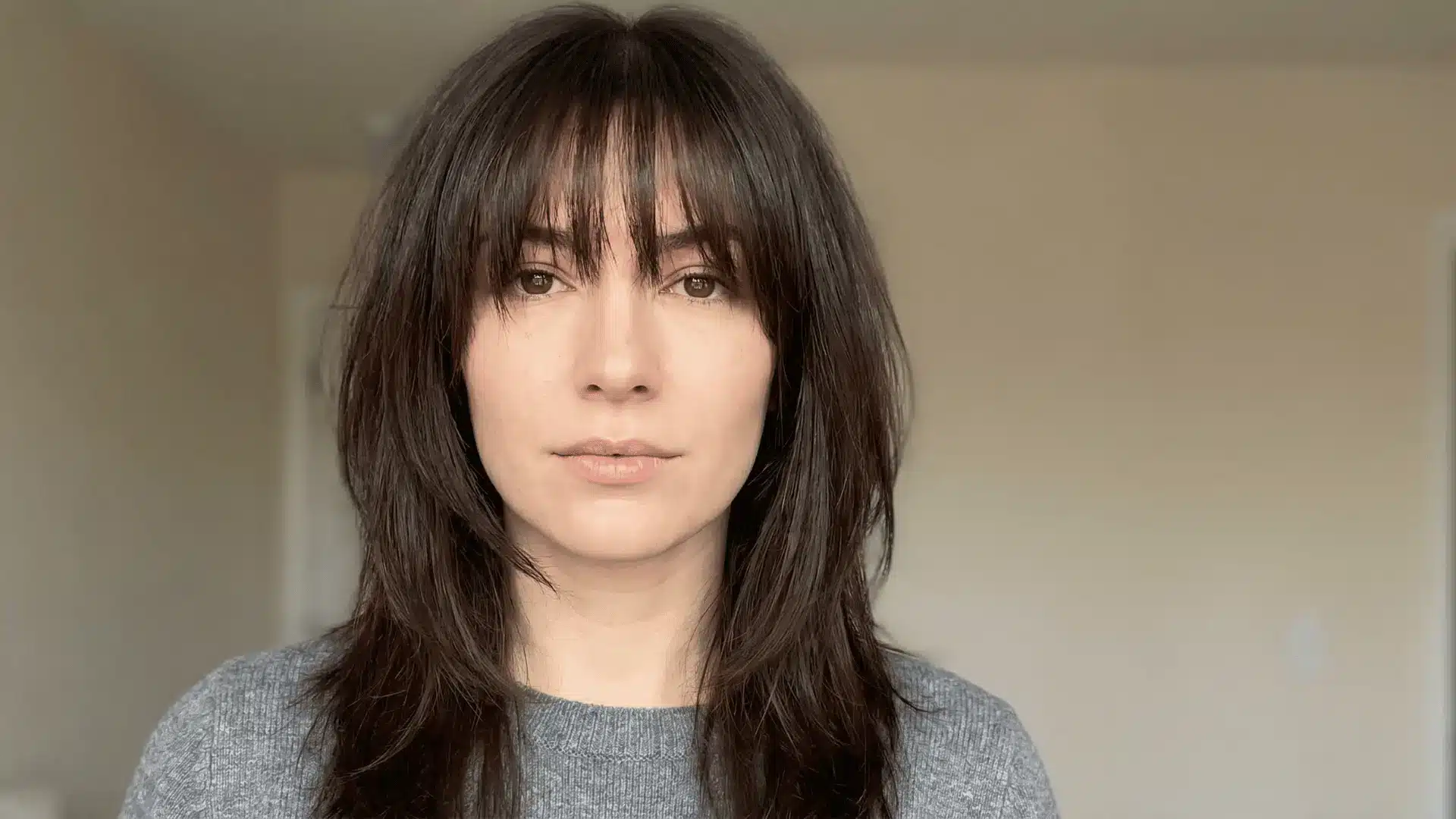
Full or arched bangs work best—they create a horizontal line that shortens the face. Thin bangs usually don’t give the same effect.
- Full/Blunt Bangs: Opt for a slightly textured edge to prevent a heavy, boxy look. Layering at the ends can soften the face.
- Long Curtain Bangs: Part them slightly off-center to balance facial proportions. Curling the ends inward adds width to the cheeks.
- Wispy or Soft Bangs: Keep the density moderate; too thin won’t shorten the face. Use light styling products to maintain shape without flattening.
- Side-Swept Bangs: Angle the sweep toward the cheekbone to reduce vertical emphasis. Volumizing the sides can make the face look wider.
How to Style These Bangs
To style your blunt bangs, start by blow-drying them straight or gently curving the ends with a round brush.
Focus on keeping the line horizontal across your forehead. Add a little root volume to prevent your bangs from lying flat and use light smoothing to keep them neat.
Make sure your bangs aren’t too sparse or thin, because thinner bangs won’t help shorten the look of your face. With a few simple steps, you can keep your bangs looking polished and balanced every day.
Avoid: very thin or sparse bangs; they won’t shorten the face and can accentuate vertical length.
How to Virtually Check if Bangs Suit You
If you’re unsure which bangs to try, AI tools like ChatGPT Image or Gemini can preview styles. A clear, front-facing selfie ensures accurate proportions.
Step 1: Take a Clear Face-Front Selfie
Make sure your hair is pulled back from your face, and your expression is neutral. Avoid tilting your head or using extreme angles.
Step 2: Paste Into ChatGPT/Gemini or Similar Tool
Open your chosen AI tool and upload the selfie. These tools simulate how different bangs might look while keeping your natural features in proportion.
Step 3: Use This Prompt
“Generate a preview of me with [style of bangs] while maintaining my facial proportions and hair texture. Show multiple variations so I can see what suits my face shape best.”
Step 4: Review Results and Compare to Face Shape Advice
Look at the AI previews and compare them with the guidance for your face shape. Remember, this is just for experimentation; it gives a visual guide, not a perfect guarantee.
When Not To Get Bangs
- Hair Texture Issues: Hair that resists styling, grows unevenly, or gets oily quickly can make bangs hard to manage.
- High-Maintenance Lifestyle: Busy schedules may not allow time for daily styling and regular trims.
- Environmental Challenges: Extreme humidity can make bangs frizz or lose shape.
- Uncooperative Hair Patterns: Certain growth patterns can make bangs fall awkwardly.
- Neglect Risks: Skipping trims or styling can cause bangs to look unruly and exaggerate facial features.
- Better to Skip: If maintaining them feels too demanding, it’s often wiser not to get bangs.
Conclusion
Picking the right bangs isn’t just about following trends; it’s about understanding how small details affect your overall look.
Hair texture, forehead shape, and personal style all play a role in how bangs frame your face.
even if your face is a different shape. Experimenting with lighter, side-swept, or layered styles can help you see what feels comfortable and flattering.
Don’t be afraid to test a few variations or ask a stylist for minor adjustments. Take a selfie, compare options, and pick the bangs that actually make you feel confident and happy.
Frequently Asked Questions
What Face Shape Looks Best for Bangs?
Oval faces suit almost any bangs style because their balanced proportions work with blunt, wispy, or curtain bangs without disrupting facial harmony.
Which Face Shapes Should Avoid Certain Bangs?
Very round or square faces need careful styling. Heavy straight bangs can widen features, so angled, side-swept, or textured bangs work better.
Do Bangs Make Your Face Look Slimmer or Wider?
Side-swept, angled, or curtain bangs create diagonal lines that slim the face, while blunt bangs can make it appear wider. Wispy bangs soften features naturally.