

Luxury no longer means excess. It means choosing pieces that stay beautiful, valuable, and relevant for decades while leaving a lighter footprint.
A sustainable high-end wardrobe is built on timeless design, flawless craftsmanship, and materials that feel as good to wear as they do to believe in. You enjoy the pleasure of owning less, wearing more, and never feeling guilty about it.
The seven strategies ahead will guide you to iconic pre-loved treasures, responsible new brands, and daily habits that turn every purchase into a long-term investment. Start here and your closet will thank you for years.
1) Discover Pre-Loved Luxury Icons With Exceptional Longevity
Some designer pieces stay valuable for decades because of their quality and timeless appeal. When we choose pre-owned luxury items, we get access to these iconic pieces at better prices while making a sustainable choice.
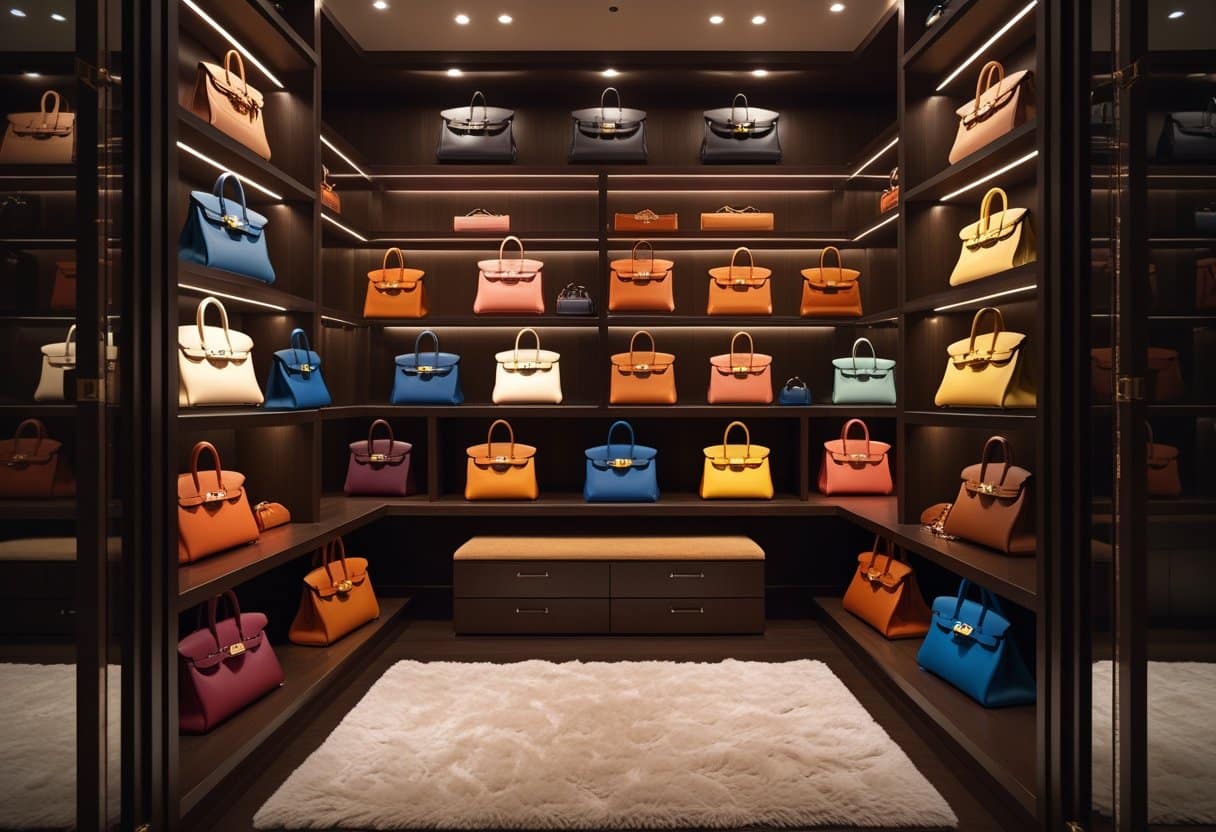
Classic bags from brands like Hermès, Chanel, and Louis Vuitton are known for holding their worth over time. These items are built with superior materials and expert craftsmanship that allows them to last through years of use.
Shopping for pre-loved Hermes handbags means we can own authentic luxury pieces without paying full retail prices.
Pre-owned designer fashion also gives us access to limited editions and discontinued styles that aren’t available in stores anymore. Each piece carries its own history while remaining functional and stylish.
We can build a collection of investment pieces that maintain their appeal and value season after season.
Buying pre-loved luxury helps reduce waste in the fashion industry. We give high-quality items a second life instead of contributing to new production. This approach lets us enjoy premium fashion while supporting a more responsible way to shop.
2) Prioritize High-Quality Pieces That Stand the Test of Time
When we invest in better materials and construction, our clothes last longer. A well-made blazer or pair of trousers can serve us for years instead of months.
Quality pieces use superior fabrics and careful stitching. These details mean our garments resist wear and keep their shape through regular use. We can spot quality by checking seams, buttons, and fabric weight.
Fast fashion items often fall apart quickly or look worn after a few washes. In contrast, thoughtfully crafted clothing maintains its appearance with proper care. This durability reduces how often we need to replace items in our closets.
We should look for natural fibers like wool, silk, and cotton when shopping. These materials age gracefully and feel better against our skin. The initial cost might seem higher, but the price per wear becomes lower over time.
Designer resale shops offer another way to access luxury quality. We can find well-constructed pieces at reduced prices while giving existing garments a second life. This approach combines affordability with our commitment to building a wardrobe that lasts.
3) Choose Eco-Friendly Materials and Responsible Production
When we build a sustainable luxury wardrobe, the materials we choose matter just as much as the style.
Natural fibers like organic cotton and hemp offer durability without harsh chemicals or excessive water use. Hemp grows quickly and needs minimal resources, making it one of the smartest choices available.
We should also look for plant-based leathers and recycled materials that reduce waste. Many luxury brands now use recycled nylon and other eco-friendly alternatives that maintain quality while lowering environmental impact.
Production practices deserve our attention too. We need to support brands that prioritize ethical working conditions and transparent supply chains. This means looking for companies that share where and how their products are made.
The fashion industry produces significant carbon emissions and uses massive amounts of water each year. By choosing brands committed to responsible production methods, we contribute to positive change.
Look for companies working toward net-zero emissions and using renewable energy in their manufacturing processes.
Materials and production methods define whether luxury fashion truly aligns with sustainability values. We have the power to support brands that invest in both quality craftsmanship and environmental responsibility.
4) Invest in Versatile Staples You Can Rewear Often
Building a sustainable luxury wardrobe starts with choosing pieces that work across multiple occasions and seasons. We should focus on classic items that pair well with different outfits rather than trendy pieces that quickly lose their appeal.
A quality blazer, well-fitted trousers, and simple sweaters form the backbone of a functional wardrobe. These staples integrate seamlessly into our daily rotation because they match with various other items we already own.
When we select versatile pieces, we naturally reduce the need to buy more clothes. A classic white button-down shirt can transition from work meetings to casual weekends with minor styling changes. The same logic applies to neutral-colored coats and timeless dresses.
We find that investing in staples with built-in versatility makes getting dressed simpler and more enjoyable. These pieces earn their place in our closets through repeated wear rather than sitting unused.
The goal is to curate a collection where every item serves multiple purposes and genuinely fits our lifestyle needs.
5) Embrace Repair, Care, and Maintenance as Luxury Rituals
Taking care of our luxury pieces extends their life and reduces waste. When we treat maintenance as a valued practice rather than a chore, we protect our investment and help the environment.
Regular care keeps garments looking their best for years. Simple actions like proper storage, gentle cleaning, and prompt stain treatment prevent damage. We should learn the specific needs of different fabrics and materials in our wardrobe.
Professional repair services deserve our attention when items need fixing. A skilled tailor can mend a tear, replace buttons, or adjust fit. These repairs often cost less than buying new pieces and maintain the original quality.
We can create our own care routines at home too. Brushing wool coats, conditioning leather bags, and hand washing delicate items become meaningful rituals. These practices connect us more deeply to our clothing.
Maintenance also includes knowing when to seek expert help. Luxury items often benefit from professional cleaning and restoration services. This investment in upkeep pays off through longer wear and sustained beauty.
6) Build a Curated Collection Instead of Overconsuming
We believe that thoughtful selection beats mindless accumulation every time. A curated collection means choosing each piece with intention, ensuring it works with what we already own and serves multiple purposes in our wardrobe.
When we focus on curation, we naturally reduce decision fatigue. Each morning becomes simpler because our closet contains only items that reflect our personal style and work well together.
The key is editing. We ask ourselves whether a potential purchase fills a genuine gap or simply adds to the noise. This approach stops impulse buying and helps us invest in pieces that truly matter.
Quality pieces in a curated wardrobe get worn more often. Instead of owning fifty items we rarely touch, we build a collection of twenty versatile essentials that we love wearing. This shift reduces waste and maximizes the value of every purchase.
We find that curated collections also make packing easier and getting dressed more enjoyable. When everything coordinates, we create more outfits with fewer clothes.
This mindful approach to building our wardrobe supports both sustainability and personal style without compromise.
7) Support Circular Fashion Through Rentals, Resale, and Swaps
Circular fashion keeps our clothing in use longer instead of sending items to landfills. We can participate by renting pieces for special occasions, buying pre-owned luxury items, or swapping garments with friends.
Renting makes sense when we need something specific for an event. We get access to high-end pieces without the full purchase price. This approach lets us enjoy variety while reducing the demand for new production.
Resale platforms offer authenticated luxury items at better prices. When we buy secondhand, we extend the life of quality pieces that were built to last. We also help reduce the environmental impact of manufacturing new clothing.
Clothing swaps with friends or through organized events refresh our wardrobes without spending money. We trade items we no longer wear for pieces that feel new to us. This practice builds community while keeping garments in circulation.
These circular practices align with luxury values because they emphasize quality and longevity. We invest in pieces designed to withstand multiple owners and years of wear.
By choosing rental, resale, and swaps, we build wardrobes that reflect both our style and our commitment to sustainability.
Frequently Asked Questions
Building a sustainable luxury wardrobe requires understanding quality materials, proper garment care, and how to identify brands that align with environmental values while staying stylish.
What are the essential elements to consider when curating a sustainable luxury wardrobe?
We focus on three core elements when building a sustainable luxury collection. Quality construction and timeless design matter more than fleeting trends. Materials should come from responsible sources that minimize environmental harm.
Versatility sits at the heart of sustainable luxury. Each piece should work across multiple occasions and pair well with other items in our closet. We look for garments that reflect our personal style rather than copying what we see on social media.
The production process tells us a lot about a brand’s values. We research whether companies pay fair wages and use ethical manufacturing practices. Transparency about supply chains helps us make informed choices.
How can one ensure the longevity of high-end fashion pieces?
Proper storage protects our investment in quality clothing. We use padded hangers for structured pieces and fold knits to prevent stretching. Cedar blocks and breathable garment bags keep items fresh between wears.
Following care labels prevents damage that shortens garment life. Many luxury pieces benefit from professional cleaning rather than home washing. We treat stains immediately and avoid overwashing, which breaks down fibers faster.
Regular maintenance catches small problems before they become big ones. We replace buttons when they loosen and fix small tears right away. Building relationships with skilled tailors and repair specialists helps us keep pieces in rotation for years.
In what ways can consumers identify and support eco-friendly luxury brands?
We look for certifications that verify environmental claims. B Corp status, Fair Trade certification, and organic material labels provide proof of sustainable practices. These third-party validations show a brand backs up its promises with action.
Brand transparency reveals commitment to sustainability. Companies serious about environmental impact share detailed information about their supply chains.
We read sustainability reports and check whether brands publish their factory locations and material sourcing.
Supporting brands that offer repair services extends the life of our purchases. Some luxury companies run take-back programs or resale platforms. We prioritize shopping from brands that view their products as long-term investments rather than disposable goods.
What strategies can be adopted to balance current trends with sustainability in luxury fashion?
We choose trend pieces in neutral colors and classic silhouettes that outlast one season. A trendy cut in black or navy works longer than the same style in a color that will feel dated quickly. Accessories let us experiment with trends without filling our closets.
Renting or borrowing statement pieces satisfies our desire for newness without waste. Luxury rental platforms give us access to high-end fashion for special occasions. We swap items with friends who share our size and style preferences.
Buying fewer pieces means we can afford better quality when we shop. We wait at least 48 hours before purchasing trend items to make sure we truly want them. This pause helps us distinguish between real desire and impulse.
Could you explain the importance of fabric choice in maintaining a sustainable luxury wardrobe?
Natural fibers like organic cotton, linen, and wool biodegrade at the end of their life. These materials also breathe better and feel more comfortable against our skin. We avoid synthetic fabrics that shed microplastics during washing.
Durability increases when we select tightly woven fabrics with substantial weight. Thin materials pill and tear more easily than their sturdier counterparts. We check fabric composition labels and feel the material before buying.
Innovative sustainable materials offer luxury without environmental cost. Recycled cashmere, Tencel, and plant-based leather alternatives perform as well as traditional options. We stay informed about new developments in sustainable textile technology.
What are the best practices for maintaining high-quality garments to ensure they last longer?
We give garments a rest day between wears to let fibers recover. Rotation prevents excessive wear on favorite pieces. Airing clothes outside or by an open window refreshes them without washing.
Hand washing delicate items preserves their shape and texture better than machines. We use cool water and gentle detergents designed for fine fabrics. Rolling garments in a towel removes excess water without the stress of wringing.
Investing in proper tools makes maintenance easier. A fabric shaver removes pills without damaging the material underneath. Steaming releases wrinkles more gently than ironing and works better for delicate fabrics.