
Entering the beautiful world of traditional storytelling art is a journey that allows you to connect with deep cultural histories. However, many new buyers feel confused by the large amount of conflicting information regarding how to spot genuine creations. This article will clear up the most common myths surrounding these creations so you can build your collection with total confidence and peace of mind.
1. Believing That True Art Only Features Dot Patterns
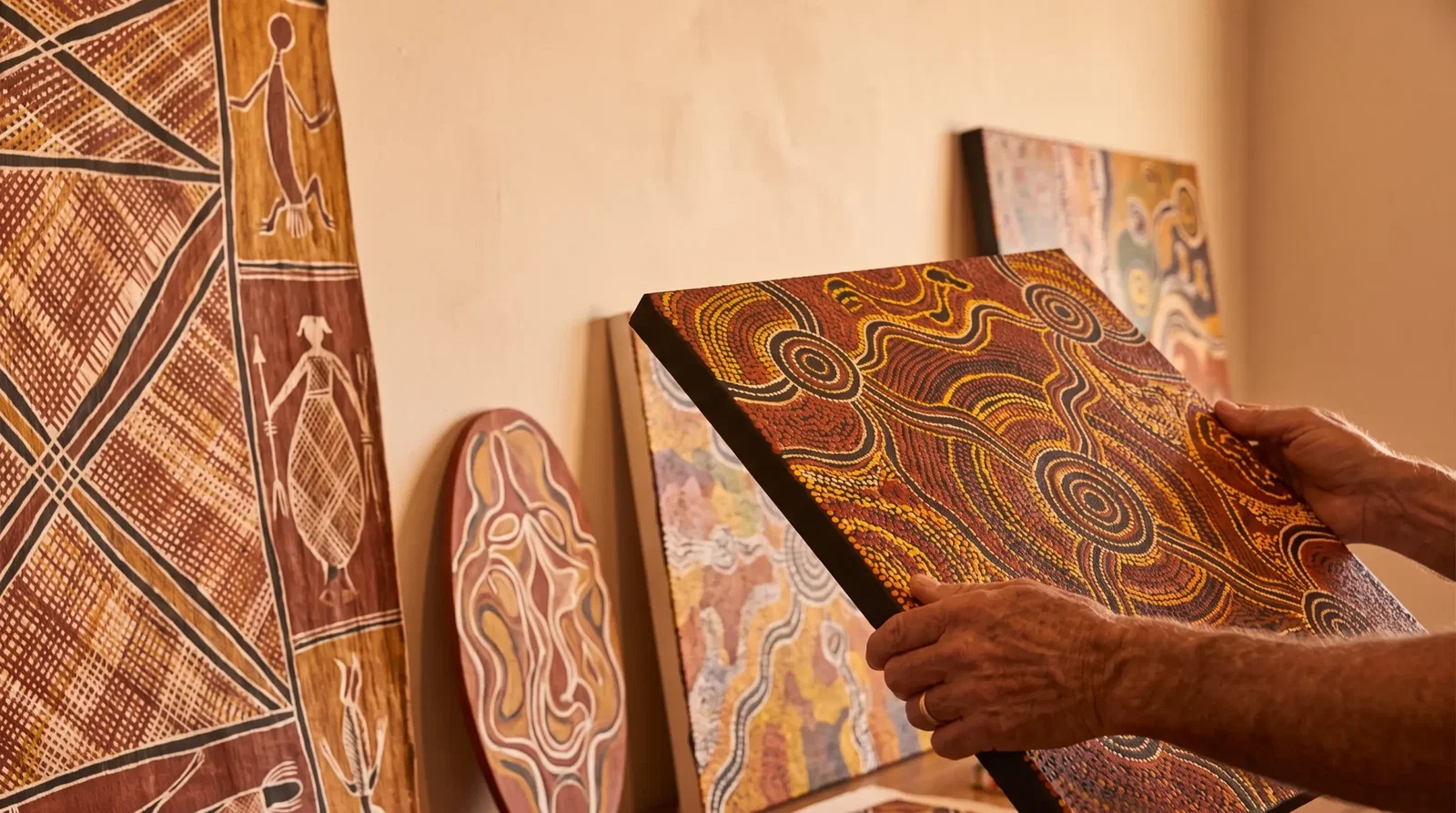
A common mistake among new collectors is assuming that every single piece must be covered in tiny dot patterns. While dotting is a technique used by many talented creators from central desert regions, artists from northern coastal areas use cross-hatching lines. Restricting your view to just one specific style means you will miss out on a massive variety of rich visual traditions that are valid and historic.
2. Assuming That Every Piece Comes With an Official Certificate
It is easy to assume that a real piece of art will be accompanied by a standard piece of paper proving its origin. While modern aboriginal artwork galleries work hard to provide documentation for every sale, many independent elder artists choose to sell their creations to visitors. True authenticity is found by tracking their historical connection to their traditional homelands rather than relying on a printed page.
3. Thinking That Modern Materials Ruin the Traditional Value
Some buyers worry that using modern acrylic paints takes away from the historical value of traditional storytelling pieces. In reality, indigenous creators have always adapted to new tools, and modern paints allow them to express their ancient stories with bright colours that do not fade over time. Using these sturdy materials helps preserve the creator’s cultural message for many generations to come.
4. Trusting Any Seller Who Uses the Label Authentic
Never buy a piece of cultural art simply because the shopkeeper has written a label claiming the item is real. The commercial art world contains many cheap copies that are printed on factory machines overseas without the permission of storytellers. To protect yourself from these fakes, buy from reputable galleries that are proud members of official industry code organisations that protect copyright.
5. Imagining That Price Is the Only Sign of True Quality
Assuming that a piece must cost thousands of dollars to be a piece of cultural expression is a mistake that can limit your journey. Many creators sell their works at affordable prices through local community art centres to help build their names. Finding an affordable piece that speaks to your heart is just as valuable as purchasing an expensive masterpiece from a painter who has been working for decades.
6. Supposing That All Artists Share the Exact Same Stories
It is a misconception to think that all indigenous creators paint the same symbols through their brushwork. Every artist belongs to a distinct language group with its own unique laws and family traditions that they have a strict cultural right to paint. An artist cannot simply paint a story belonging to a different group, making each piece a highly personal expression of the creator’s family heritage.
7. Guessing That Online Galleries Are Always Unsafe to Use
Many believe that you must visit a physical gallery in a big city to ensure you are buying genuine art safely. While visiting a local showroom is an experience, many elite regional art centres run highly secure online shops to help support remote creators. Always remember that buying from a certified digital platform ensures that the financial profits go straight back to the person who made the piece.
Smart Paths Forward for Budding Art Enthusiasts
Learning the truth behind these common myths will help you make respectful and smart choices as you begin selecting beautiful pieces for your home. By looking beyond simple dot patterns and supporting young creators, you help keep ancient storytelling traditions alive. When you approach your collecting journey with an open mind and a desire to learn, you can gather a collection of meaningful art safely.