
Healthcare systems around the world face increasing pressure from rising patient demand, longer life expectancy, and a shortage of primary care physicians.
Communities need providers who can deliver consistent, high-quality care while also building long-term relationships with patients. Family Nurse Practitioners (FNPs) have stepped into this role with confidence and skill.
They blend clinical expertise with a holistic approach that addresses prevention, education, and treatment across all stages of life. As healthcare continues to evolve, FNPs have become central to improving access, outcomes, and patient satisfaction.
This article explains why Family Nurse Practitioners matter now more than ever and how their role continues to shape modern healthcare.
Meeting the Growing Demand for Primary Care
Healthcare systems continue to feel the strain of an increasing patient population, longer life expectancy, and a rise in chronic conditions.
Many communities struggle to secure timely appointments with primary care physicians, which can delay diagnosis and treatment. Family Nurse Practitioners help address this growing demand by delivering high-quality primary care services across diverse settings.
They diagnose illnesses, prescribe medications, and manage treatment plans, allowing patients to receive care without long wait times. By filling critical gaps in primary care, FNPs ensure that more individuals can access consistent and reliable healthcare when they need it most.
Expanding Access to Care in Underserved Communities
Access to healthcare remains uneven, particularly in rural areas, low-income neighborhoods, and medically underserved regions. Family Nurse Practitioners play a vital role in extending care to these communities.
Many FNPs work in clinics, community health centers, and remote practices where physician shortages are common. Their presence helps reduce travel burdens for patients and increases the availability of routine and preventive care.
As the demand for FNPs continues to grow, education pathways have evolved as well. Many top universities now offer family NP online degree programs, making it easier for working nurses to advance their education and serve communities that need them most.
Providing Comprehensive, Lifespan-Based Care
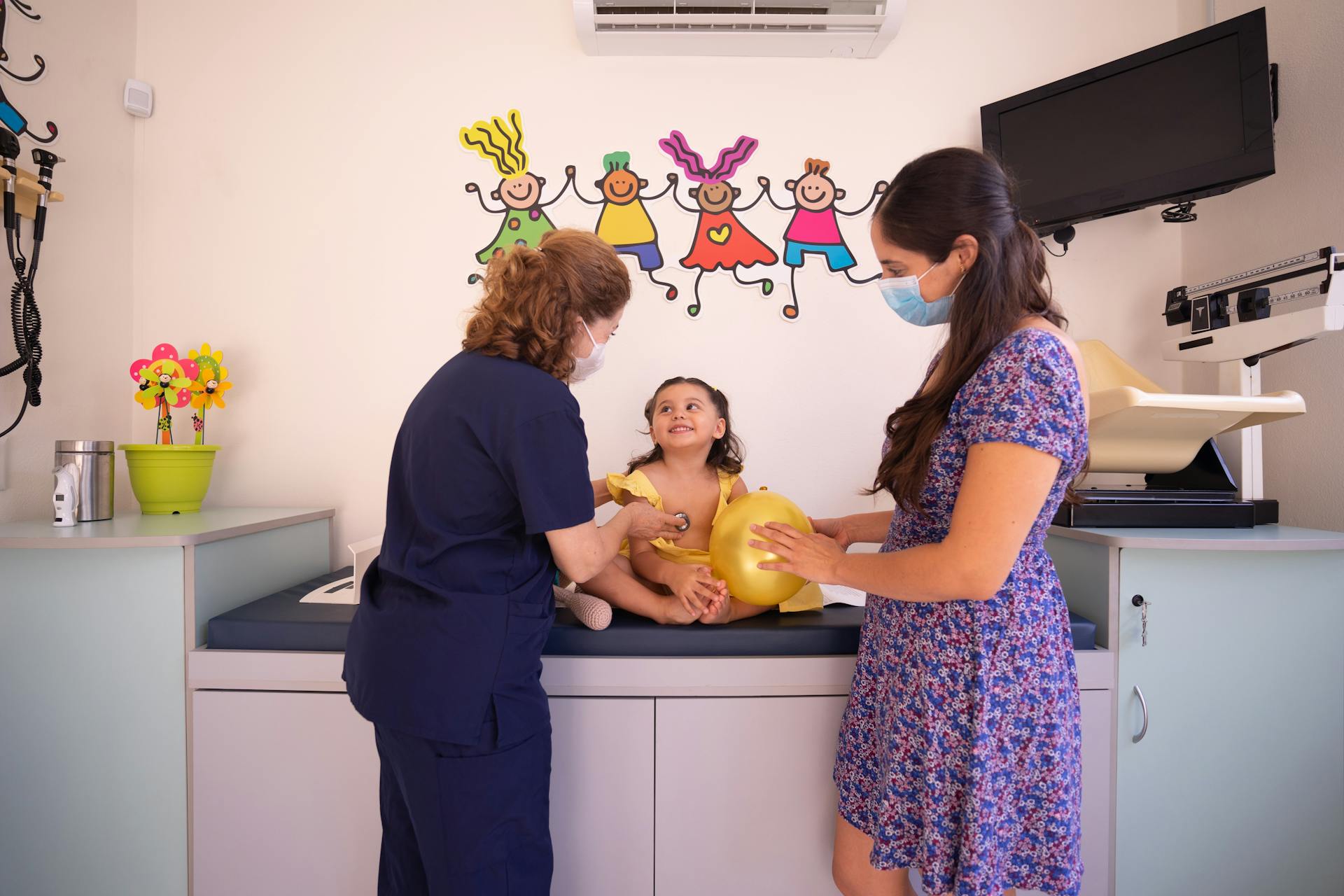
One of the defining strengths of Family Nurse Practitioners is their ability to care for patients across the entire lifespan. From pediatric checkups to adult wellness visits and geriatric care, FNPs provide continuity that benefits both patients and families.
This broad scope allows them to understand family health histories and recognize patterns that may affect long-term outcomes. Patients often value having a single provider who understands their medical background and evolving needs. This continuity supports better care coordination and helps patients feel more comfortable seeking medical advice early.
Supporting Preventive Care and Early Intervention
Preventive care plays a crucial role in improving public health and reducing healthcare costs. Family Nurse Practitioners emphasize routine screenings, vaccinations, and wellness visits that help detect health concerns before they become serious.
They also educate patients about nutrition, physical activity, and lifestyle habits that support long-term well-being. By focusing on prevention and early intervention, FNPs help reduce hospital admissions and lower the risk of complications. This proactive approach benefits patients and eases pressure on healthcare systems that already face heavy demand.
Managing Chronic Conditions Effectively
Chronic illnesses such as diabetes, heart disease, and asthma require ongoing attention and personalized care. Family Nurse Practitioners excel in managing these conditions through regular monitoring, medication management, and patient education.
They work closely with patients to develop realistic care plans that fit daily life. Consistent follow-up visits allow FNPs to adjust treatments as needed and address concerns early. This hands-on approach helps patients maintain better control over their conditions and improves overall quality of life.
Improving Patient-Provider Relationships
Strong patient-provider relationships play a key role in health outcomes, and Family Nurse Practitioners often excel in this area. FNPs typically take a patient-centered approach that values listening, clear communication, and shared decision-making. By spending adequate time with patients, they gain a deeper understanding of concerns that may not surface during brief appointments.
This trust encourages patients to speak openly about symptoms, lifestyle challenges, and treatment barriers. When patients feel heard and respected, they are more likely to follow care plans and stay engaged in their health.
Reducing Strain on Physicians and Hospitals
Healthcare systems face ongoing pressure from physician shortages, overcrowded emergency departments, and increasing administrative demands. Family Nurse Practitioners help relieve this strain by managing routine and complex cases within their scope of practice. Their involvement allows physicians to focus on specialized or acute cases that require advanced intervention.
In many settings, FNPs help reduce unnecessary emergency room visits by providing timely outpatient care. This balanced distribution of responsibilities improves workflow efficiency and supports a more sustainable healthcare system.
Enhancing Care Through Education and Advocacy
Education remains a core part of the Family Nurse Practitioner role. FNPs guide patients through diagnoses, treatment options, and preventive strategies using language that feels clear and approachable.
They also advocate for patients when navigating referrals, insurance concerns, or follow-up care. This support helps patients make informed decisions and feel confident in managing their health. By acting as both educators and advocates, FNPs bridge gaps that can otherwise lead to confusion or missed care.
Adapting to Modern Healthcare Settings
Healthcare delivery continues to change, and Family Nurse Practitioners adapt quickly to new models of care. They work in traditional clinics, hospitals, urgent care centers, and telehealth platforms. This flexibility allows FNPs to reach patients who may face mobility challenges or limited access to in-person care.
As technology becomes more integrated into healthcare, FNPs use digital tools to monitor progress, conduct virtual visits, and maintain continuity of care. Their adaptability helps healthcare systems stay responsive to patient needs.
Strengthening the Future of Healthcare
Family Nurse Practitioners play an important role in shaping a more resilient healthcare system. Their focus on accessible, patient-centered care aligns with long-term goals to improve outcomes and manage costs.
As healthcare policies and delivery models evolve, FNPs bring a balance of clinical skill and holistic care that supports sustainable growth. Their contributions help ensure that communities remain supported even as demands increase.
The importance of Family Nurse Practitioners extends beyond filling gaps in care. Their work influences how healthcare systems grow, adapt, and respond to real-world challenges. By prioritizing connection, education, and accessibility, FNPs help create a system that feels more responsive and human. As healthcare continues to change, the role of the Family Nurse Practitioner offers a forward-looking path that supports both patients and providers in meaningful ways.