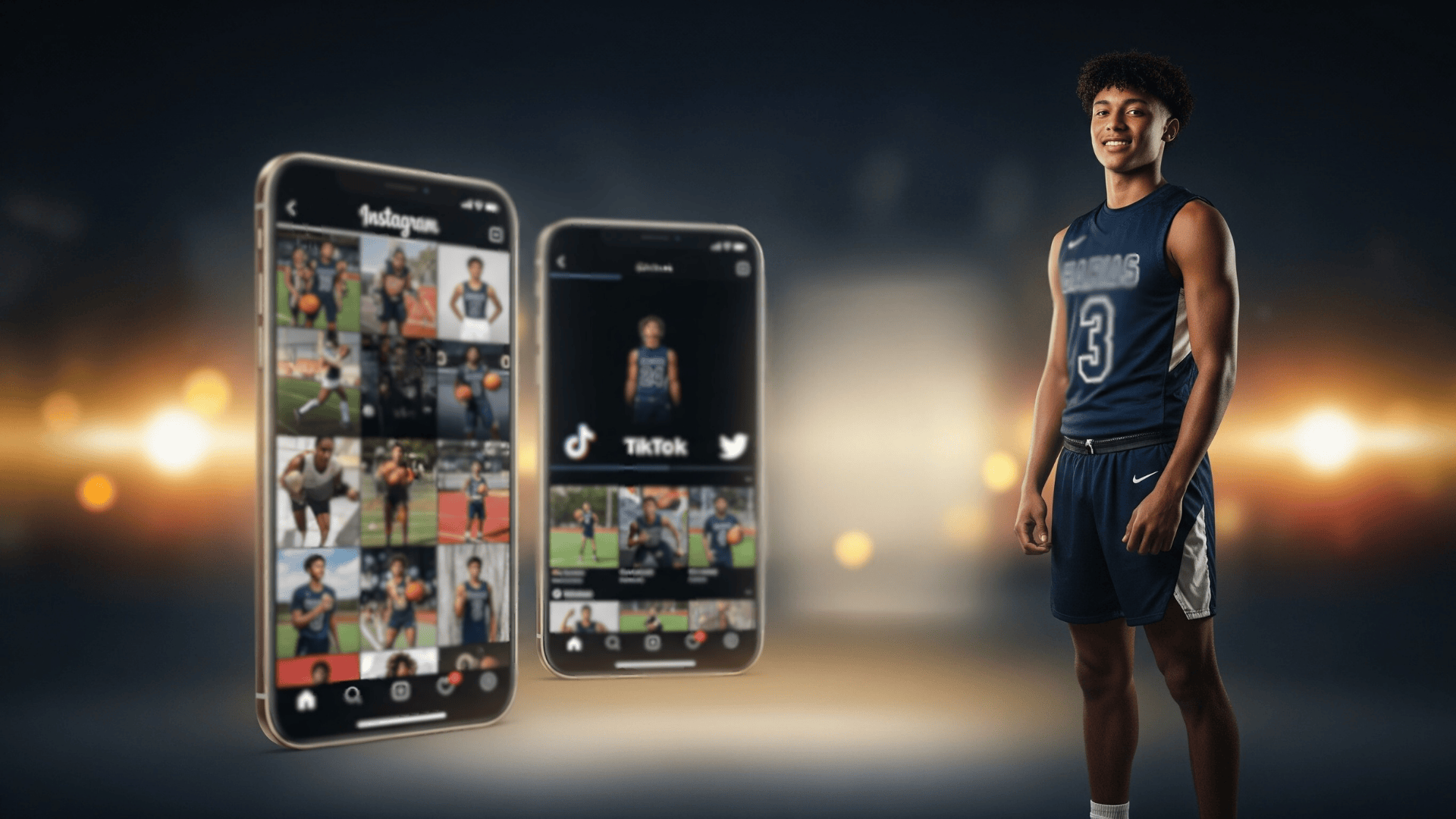

In today’s digital age, social media is one of the most powerful tools for student-athletes looking to get recruited.
Platforms like Instagram, TikTok, and X (formerly Twitter) allow athletes to showcase skills, connect with coaches, and build a personal brand.
But while these platforms create opportunities, they also come with risks. Oversharing, weak security, or inappropriate content can hurt an athlete’s chances of being recruited.
This guide will show you how to create a secure, professional, and recruiter-friendly social media presence that highlights your strengths while keeping your information and eligibility safe.
Why Security Matters
College coaches often review recruits’ social media before making decisions. They look beyond stats, focusing on how players conduct themselves online.
A strong, secure profile demonstrates maturity. An unprotected account can expose personal data or create a negative impression.
Your social media presence serves as a digital resume. Every post, follower, or comment contributes to your online story.
By keeping your accounts safe and professional, you protect your reputation and adhere to NCAA guidelines.
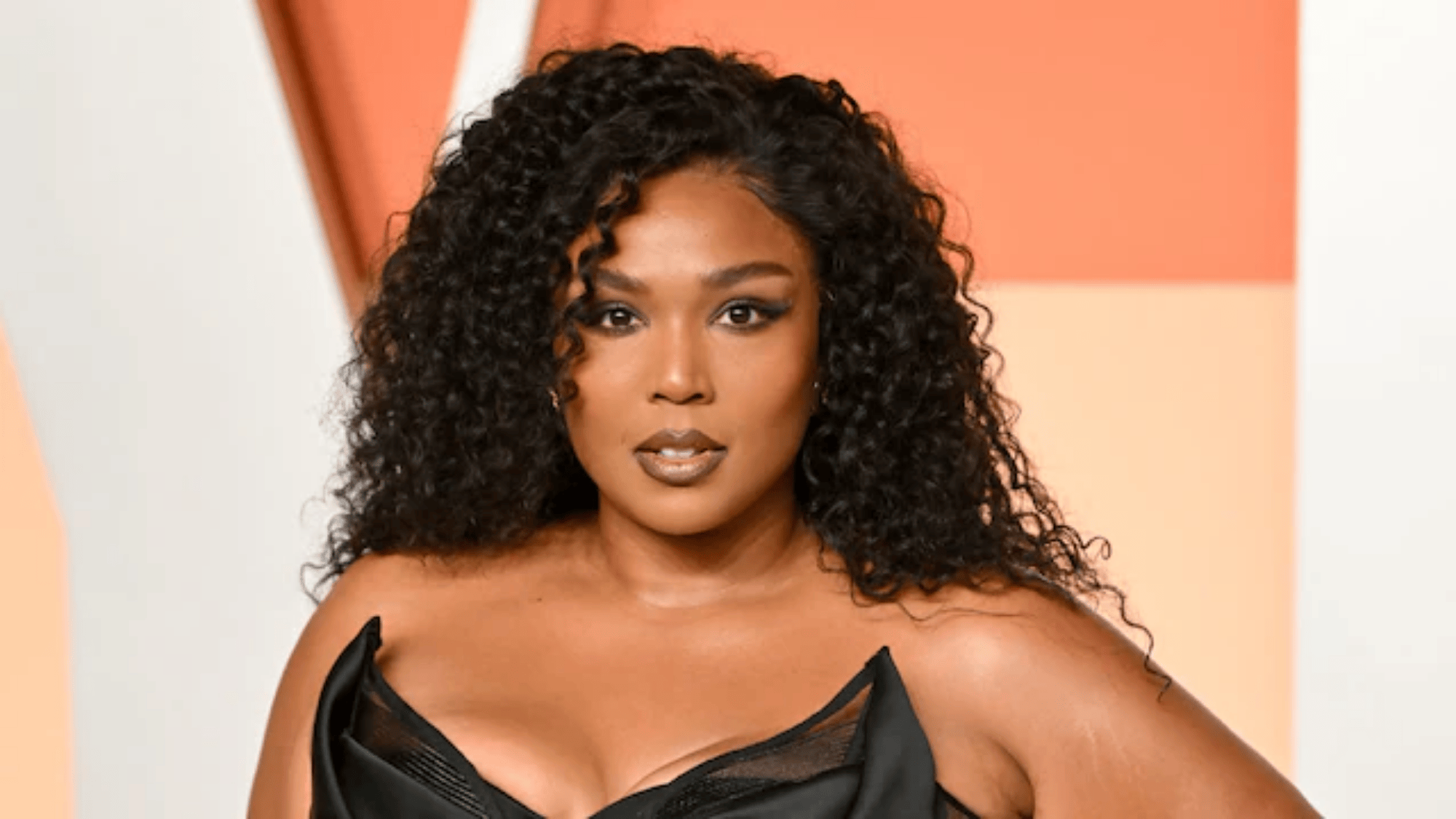
Even well-known athletes, such as those profiled in Keilani Ricketts, show how important it is to balance visibility with professionalism.
Privacy and Account Protection
Your first step should be locking down privacy and security settings. This ensures that only the right people see your content.
| Step | Why It Matters | Example Action |
|---|---|---|
| Set privacy levels | Prevents strangers from accessing personal posts | Keep your personal Instagram private while using a public “athlete page” |
| Strong passwords & 2FA | Stops hackers from stealing your account | Create unique passwords and enable two-factor authentication |
| Audit followers | Keeps your network professional | Remove suspicious or unknown followers |
| Clean old posts | Avoids future embarrassment | Delete posts with slang, offensive jokes, or controversial topics |
Regularly checking your accounts prevents small issues from turning into big problems.
Building a Recruit-Friendly Profile
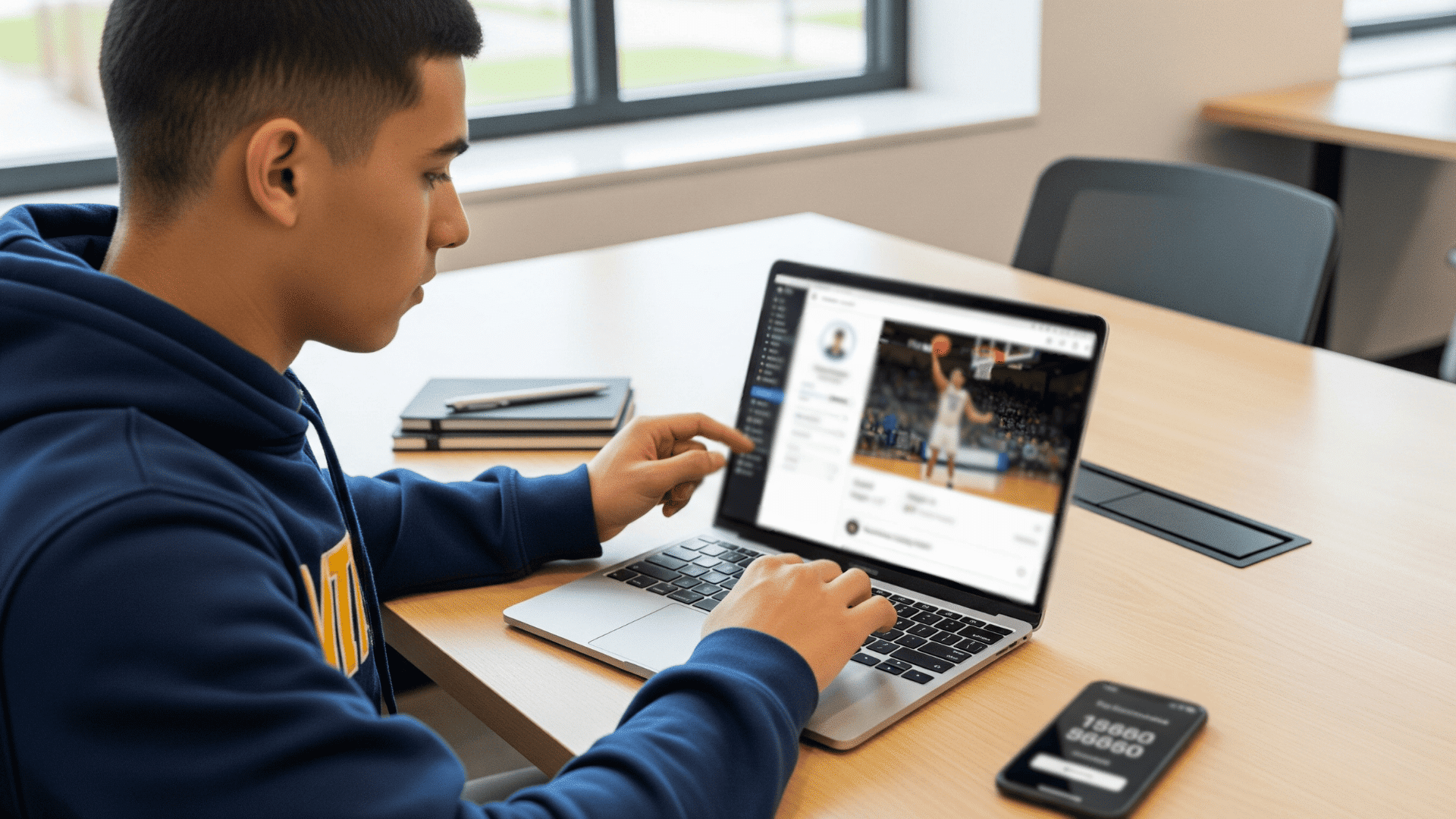
Once your accounts are secure, the next step is making them coach-ready. Think of your profile as a digital handshake; it’s often the first thing recruiters will see.
A good profile includes:
|
When a recruiter clicks on your page, they should immediately know who you are, what sport you play, and how to evaluate your skills.
What Content to Share
The content you post should balance professionalism with personality. Coaches want to see skills, but they also look for character, leadership, and consistency.
Game highlights and training sessions demonstrate athletic ability, while celebrating academic or athletic awards shows dedication.
Posting about team and community involvement highlights leadership and maturity. Sharing motivational content and conditioning drills reflects resilience and focus.
At the same time, avoid controversial topics, offensive language, or anything that could raise questions about your maturity. What you choose not to share is just as important as the content you do.
Platform-Specific Tips
Each social media platform works differently for athletes. Here’s how to use the big three effectively:
| Platform | Best Practices | Avoid |
|---|---|---|
| Post reels and highlights, tag teams and events, use hashtags like #studentathlete or sport-specific tags. Keep your feed polished and professional. | Inconsistent or messy feeds | |
| X (Twitter) | Follow and engage with coaches and programs. Pin your highlight reel. Share updates about tournaments or visits. Keep direct messages short and respectful. | Overposting or using slang when contacting coaches |
| TikTok | Share short skill clips and participate in sports-related trends. Use it to highlight your passion and personality in creative ways. | Trends or content unrelated to sports that could seem unprofessional |
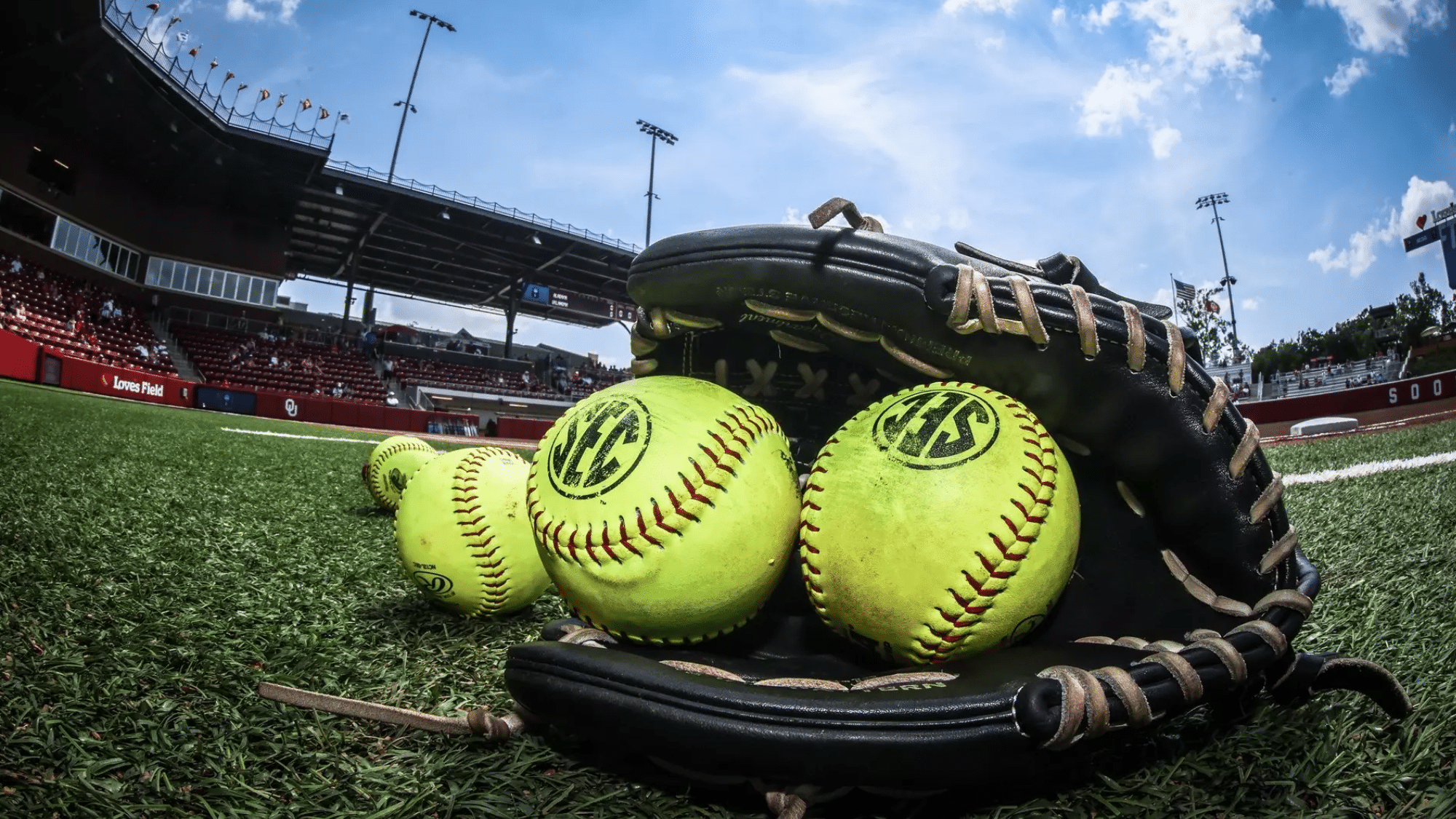
Softball players can also share equipment reviews or recommendations, such as posts about top fastpitch bats, which show expertise and help build connections with other players. Keep your feed polished and professional.
Communicating with Coaches
Reaching out directly can feel intimidating, but clear and professional communication is key. When messaging a coach, introduce yourself with your name, position, graduation year, and team.
Provide a link to your recruiting profile or highlight video, and keep the message short and respectful.
Instead of asking about scholarships immediately, focus on sharing progress such as new game footage or improved stats.
Consistency matters more than frequency. Coaches prefer athletes who update them occasionally with meaningful information rather than those who flood their inboxes.
Monitoring Your Digital Footprint
Even if you are careful with what you post, your name may appear in other places online. Regularly search your name on Google to see what recruiters will find.
Setting alerts or using monitoring tools helps you keep track of mentions.
Reviewing old posts across all platforms ensures your accounts stay professional over time.
Remember that once something is online, it is rarely gone forever. Proactive monitoring allows you to control your digital story.
NCAA Rules to Remember
NCAA guidelines determine how and when coaches can engage with recruits on social media. Coaches are not allowed to publicly comment on your posts before you officially commit.
They can only respond to direct messages during designated contact periods.
The general rule is simple: coaches can click but not type. They may like or follow your posts, but commenting is not permitted until commitments are official.
Understanding these rules ensures you remain compliant and protects your eligibility.
Final Thoughts
Creating a secure and professional social media profile is one of the most effective steps a student-athlete can take in the recruiting process.
By protecting your accounts, curating your content carefully, and communicating with coaches in a professional way, you present yourself as both skilled and mature.
Recruiting is about more than athletic ability. It is also about character, consistency, and discipline. Your online presence can either strengthen your opportunities or limit them.
Have you started building a secure athlete profile yet, or are you working on improving your current one? Share your experience and thoughts in the comments below.