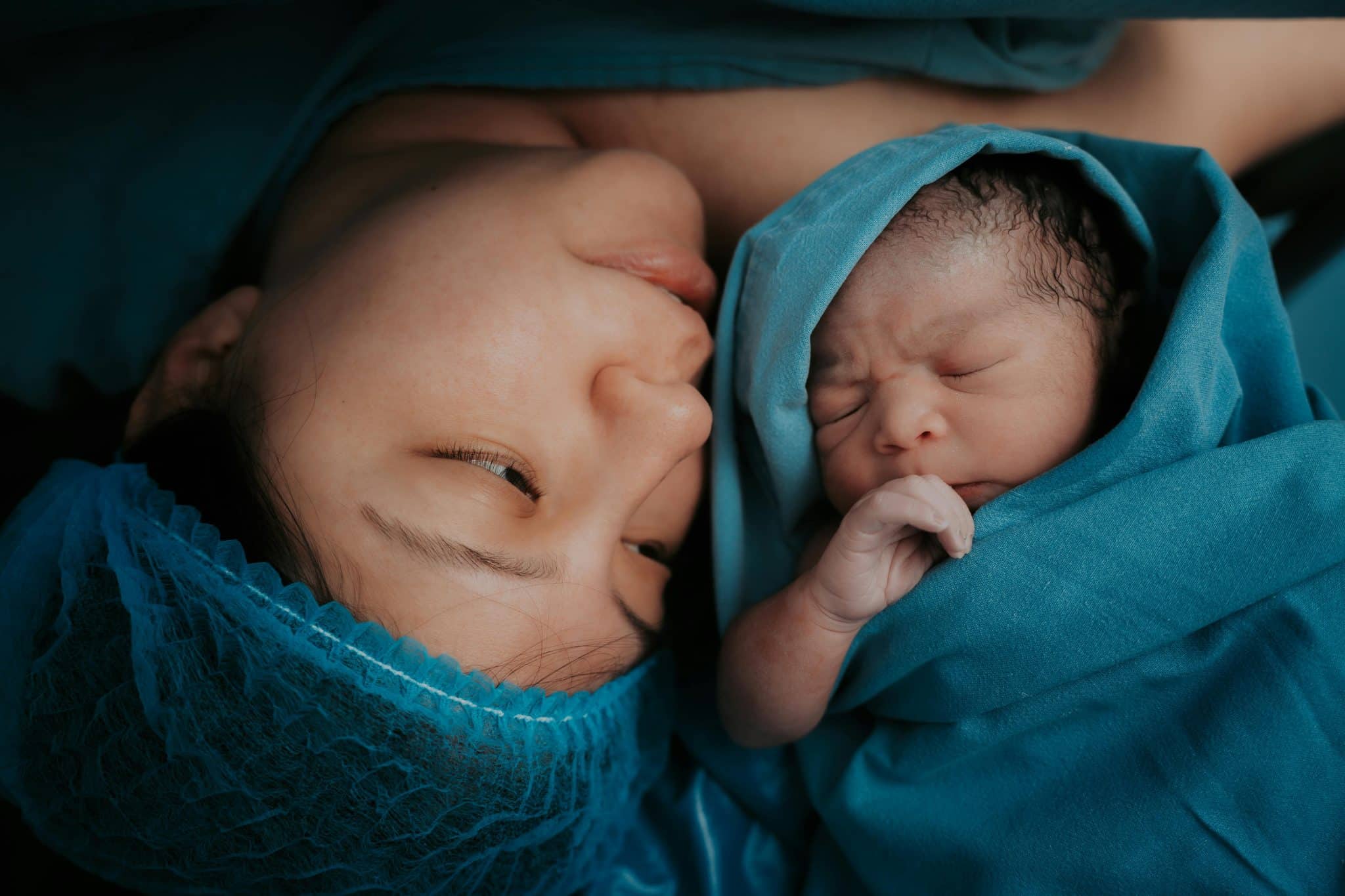

Your body just built a human. It deserves more applause and fewer expectations. Postpartum self-care ideas start with permission. Permission to rest without guilt.
Your body just performed a literal miracle. Nine months of creation, hours of strength, and now a brand-new human to love (and lose sleep over). Postpartum recovery isn’t just about bouncing back. It’s about slowing down, tuning in, and giving yourself the same care you so freely give your baby.
From gentle body rituals and nourishing rest to journaling your feelings and leaning on stress-relief aromatherapy products that calm the chaos, this chapter deserves softness, patience, and intention. Because healing after birth isn’t selfish. It’s essential.
Understanding Postpartum Recovery
Physical healing is only one aspect of postpartum recovery. Your identity may be changing, your sleep cycle is disturbed, and your body is adjusting hormonally. Instead of a one-time six-week visit, postpartum care should be a continuous process, according to the American College of Obstetricians and Gynecologists.
While recovery times differ, most women go through:
- Bleeding (lochia) and uterine contractions
- Healing of perineal or C-section incisions
- Variations in hormones
- Modifications to the breasts and lactation
- Mood swings or emotional sensitivity
There is a discernible difference when deliberate postpartum wellness practices are used to support this stage.
Postpartum Body Care: Physical Healing Tips

Your body has performed an amazing feat. Making postpartum body care a priority can ease discomfort and encourage a gradual recovery.
Rest Without Guilt
Although lack of sleep is common, rest is still essential for postpartum recovery.
- Even quick naps can be beneficial. Sleep when the baby sleeps.
- Accept assistance from friends or family.
- Reduce unnecessary commitments.
One of the most effective self-care strategies for busy moms is getting enough sleep.
Nourish for Healing
A balanced diet supports energy levels, hormone balance, and tissue healing.
- Pay attention to: meals high in protein for muscle regeneration
- Foods high in iron to replace lost blood
- Hydration, particularly for nursing moms
- Omega-3 fats to promote mental and emotional well-being
In the early stages of parenting, small, frequent meals are more practical.
Gentle Movement and Relaxation Techniques
Stiffness is lessened, and circulation is enhanced by light movement. After your provider has cleared it:
- Short daily walks
- Exercises for the pelvic floor
- Gentle stretching
- Postnatal yoga
To soothe the nervous system, combine breathing-based relaxation techniques with movement. Lowering cortisol levels and promoting mental and physical healing are two benefits of slow diaphragmatic breathing.
Comfort-Based Body Support
Simple comfort measures can greatly enhance the postpartum body care.
- Sitz baths to promote healing of the perineum
- Cooling pads or ice packs
- belly wraps that provide support (if recommended)
- Maintaining healthy breasts to avoid blocked ducts
These minor routines strengthen long-term postpartum wellness.
Postpartum Mental Health: Supporting Your Mind
Sleep deprivation and hormonal changes can have a significant impact on postpartum mental health. Although mood swings are normal, proactive care preserves emotional stability.
Normalize Emotional Changes
Many women experience the “baby blues” during the first two weeks of pregnancy. On the other hand, postpartum depression or anxiety may be indicated by persistent melancholy, anxiety, or intrusive thoughts.
Asking for help is not a sign of weakness.
Stress Relief for Moms: Practical Daily Strategies
It doesn’t take hours of spare time for mothers to find regular stress reduction. Your nervous system can be regulated with even 5- to 10-minute resets.
Try these deep breathing techniques.
- Quick meditations with a guide
- Gradual relaxation of the muscles
- Journaling gratitude
- Reducing exposure on social media
These easy relaxation methods promote long-term mental wellness after giving birth.
Aromatherapy for Anxiety and Emotional Reset
Aromatherapy for anxiety is an alternative wellness approach that many moms find comforting. During stressful times, essential oils may assist create a relaxing environment.
Lavender is one of the most researched choices for stress relief. Essential oils from the Lavandula angustifolia plant are frequently used to promote relaxation.
How to safely use lavender after giving birth:
- Diffuse in a space with adequate ventilation.
- To a warm bath, add a drop.
- After obtaining physician clearance, apply diluted oil to the wrists.
- Apply pillow sprays with lavender before bed.
New Mom Self-Care: Emotional and Identity Recovery
Your identity can change significantly after becoming a mother. For new mothers, deliberate self-care facilitates self-reconnection.
Practice Self-Compassion
Your body might feel strange. Your feelings could change. Remember:
- Healing is not a linear process.
- The objective is not productivity.
- Rest is beneficial.
- You are gaining knowledge.
Self-compassion greatly enhances postpartum mental health and emotional resilience.
Stay Connected
Anxiety can be exacerbated by isolation.
- Make having open discussions with your partner a priority
- Mom groups, either local or virtual
- If necessary, therapy or telemedicine assistance
For mothers, community offers natural stress relief and improves overall postpartum wellness.
Set Realistic Expectations
Pressure is increased by perfectionism. Flexible routines should take the place of unattainable norms. This is particularly crucial for self-care for working mothers who are juggling other obligations with caring for their newborns.
Focus on:
- One daily priority
- When feasible, delegating
- Making meals simpler
- Cutting back on unnecessary tasks
Self Care for Busy Moms: Time-Efficient Wellness Habits

A lot of moms believe they don’t have enough time for self-care. However, integration, not addition, is the goal of self-care for working mothers.
These useful suggestions can be completed in less than ten minutes:
- Five-minute breathing reset
- While the infant is sleeping, stretch
- Lavender diffuser for reducing stress
- Before looking at your phone, sip some water
- Get some fresh air by going outside
When to Seek Professional Support
Even while self-care is effective, some symptoms call for medical intervention. Speak with a medical professional if you encounter:
- Prolonged melancholy or despair
- Attacks of panic
- Intrusive ideas
- Extreme sleeplessness
- Severe hemorrhage or fever
Both mother and child are protected by early intervention. Long-term postpartum mental health and postpartum rehabilitation depend heavily on professional care.
Build a Sustainable Postpartum Wellness Routine
Burnout can be avoided by establishing a practical self-care routine.
A well-rounded weekly framework for postpartum wellbeing could consist of:
Daily
- Hydration
- Gentle movement
- One relaxation technique
- Emotional check-in
Weekly
- Support group or therapy session
- Longer bath with aromatherapy
- Meal prep support
- Outdoor time
The Connection Between Relaxation and Hormonal Balance
Cortisol affects mood, sleep, and milk production. It is impacted by stress. Frequent relaxation methods lessen the stress on the nervous system.
Effective choices consist of:
- Box breathing
- Meditation with body scans
- Using guided imagery
- Stretching lightly
- Anxiety relief with aromatherapy
Mothers can experience multilayer stress alleviation by combining physical and emotional strategies, which improves full-spectrum postpartum wellness.
Final Thoughts
Physical healing is only one aspect of true postpartum recovery. It includes taking care of your body, safeguarding your mental health after giving birth, and developing long-lasting self-care routines as a new mother.
You should be patient with your postpartum body care. You should take care of your emotional health. And it’s okay that you need to relax.
Small, deliberate efforts have a significant long-term influence, whether it’s practicing quick relaxation techniques, using lavender for stress relief, investigating aromatherapy for anxiety, or streamlining routines for self-care for working mothers.
The goal of postpartum healing is to move ahead with compassion, support, and long-term postpartum wellness, not to bounce back.
You’re not in the rear. You’re getting better. And that healing is important.
Frequently Asked Questions (FAQs)
How much time does it take to recover after giving birth?
The body takes roughly 6 to 8 weeks to recuperate from childbirth, but it might take up to 18 months to fully recover.
Which self-care practices are most effective for new mothers?
Prioritizing sleep, eating a healthy diet and staying hydrated, engaging in mild physical activity like walking, and asking for help from others are all important components of effective self-care for new mothers.
With a newborn, how can I take care of myself?
Prioritizing support, food, and relaxation is essential to taking care of yourself while caring for a newborn. Take short daily walks, drink lots of water, eat wholesome, fast meals, accept assistance with tasks, and go to bed when the baby goes to sleep. It’s important to take care of your emotions, so discuss your sentiments with your partner or pals.
What symptoms indicate that I require expert postpartum support?
If you have significant physical symptoms, intense, long-lasting emotional changes, or problems bonding with your infant that interfere with your everyday life, you should seek professional postpartum support.