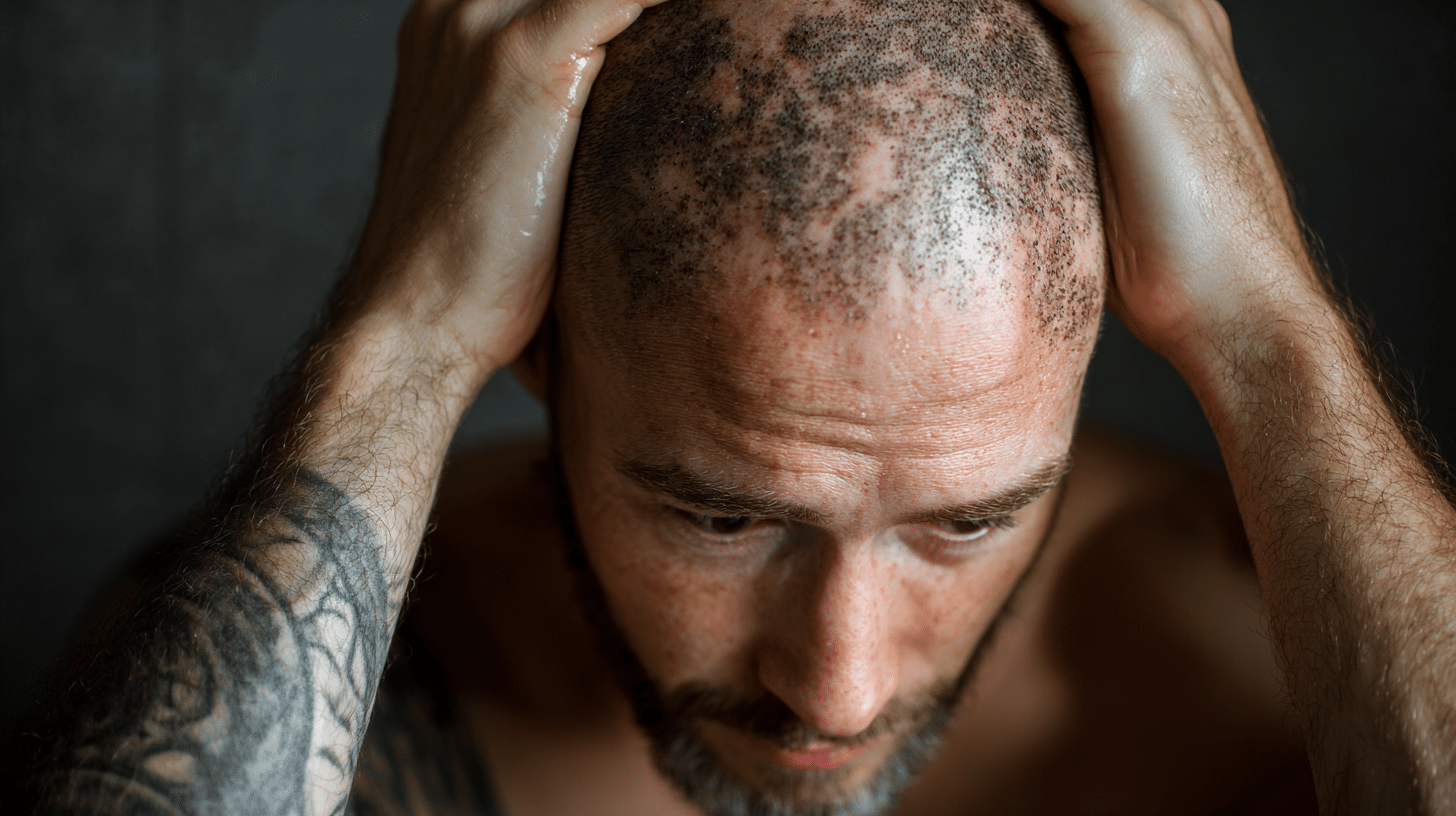

Seeing more hair in the shower or noticing your hairline changing?
If you are in your 20s and worried about hair loss, you are not alone.
It can feel scary, but the good news is that catching it early gives you more ways to deal with it.
However, knowing the signs and taking the right steps can really help.
In this guide, we will walk you through what to look for, what to avoid, and how to take care of your hair with confidence.
Major Signs of Balding at 20 That You Should Know
Here are some major signs that you might be balding way before your age:
1. Thinning Temples
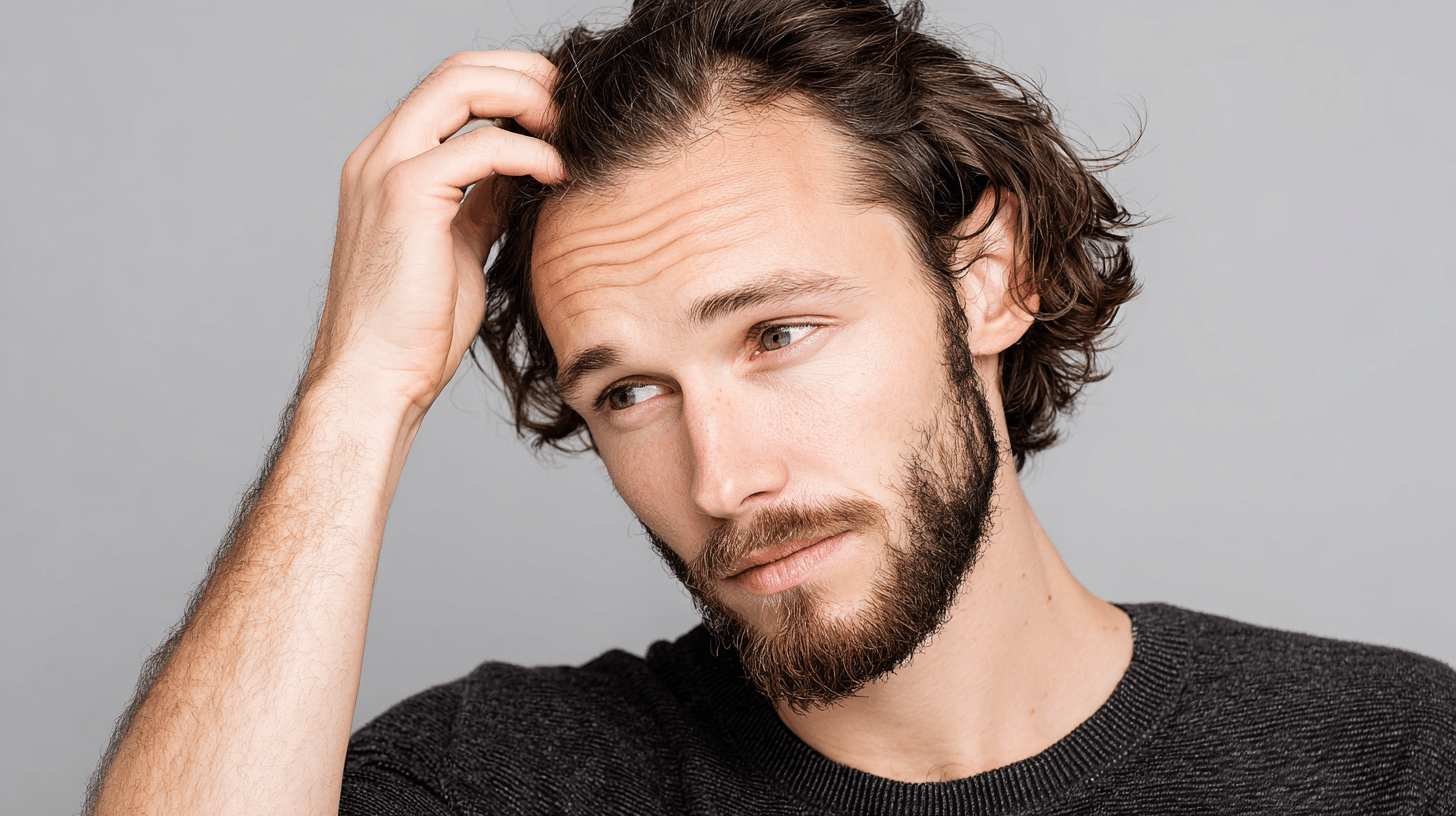
This is often one of the first places people notice changes in their hair.
At first, it’s barely visible, maybe you only catch it in certain lighting, like the bathroom mirror in the morning or when taking selfies in bright daylight.
Over time, you notice more scalp peeking through at the temples, and the hair in that area starts looking finer and shorter than before.
It can make your face appear slightly older or change the way hairstyles frame your face.
Once you notice it, you may find yourself checking it constantly, which can cause unnecessary stress.
Home Remedy:
- Massage your temples daily with warm coconut oil mixed with a few drops of rosemary essential oil. Do this for 5–10 minutes to stimulate blood flow and nourish hair follicles.
2. Receding Hairline
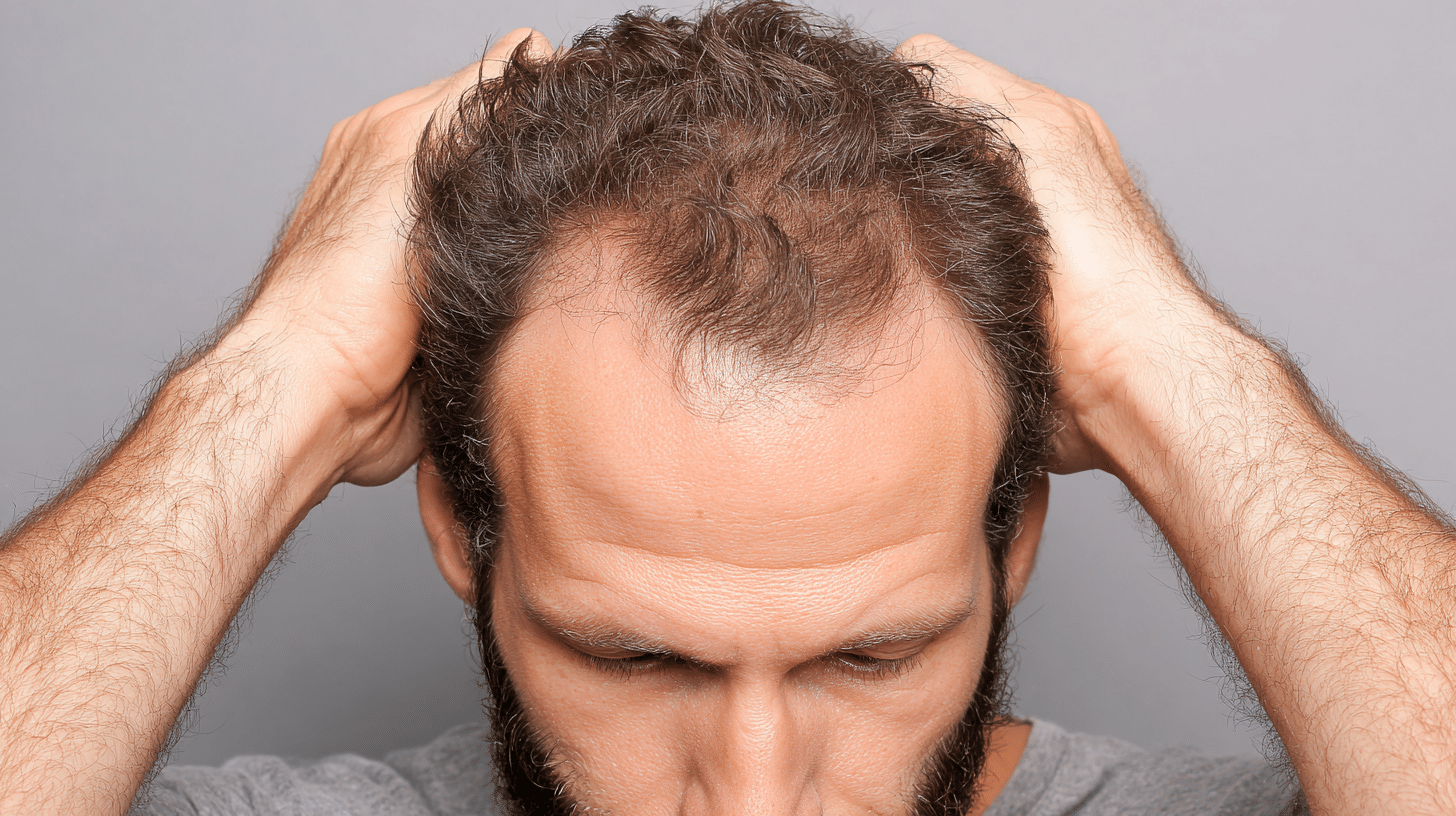
Your hairline slowly starts creeping backward, most noticeably near the temples, creating an “M” or widow’s peak shape.
Sometimes one side recedes faster, leaving your hairline uneven. This can be especially frustrating if you prefer wearing your hair pulled back, as it becomes more visible.
Many people start experimenting with bangs, layers, or hats to mask the change. If not addressed early, the hairline can continue moving back and become much harder to restore naturally.
Home Remedy:
- Aloe vera gel works wonders for soothing the scalp and promoting new growth at the hairline.
- Apply fresh aloe gel directly to the hairline, leave it on for 30 minutes, then rinse with lukewarm water.
3. Thinning on Top or Crown
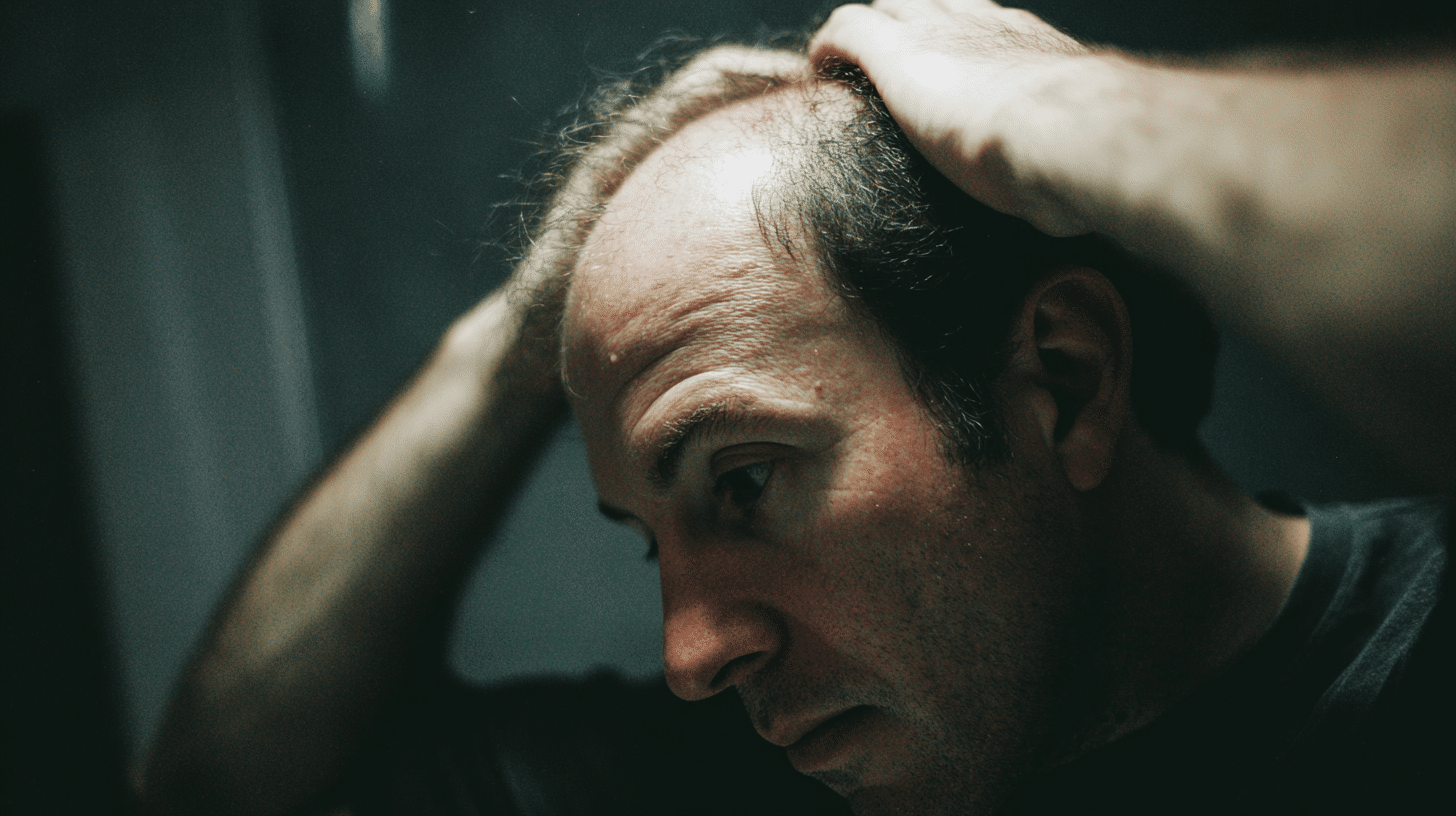
This is the spot you often don’t see until you catch your glimpse in a store security camera or someone points it out in a photo.
The top and crown areas start showing more scalp, especially in bright light. The hair here can become limp and flat, making it harder to style with volume.
However, thinning at the crown can also make you self-conscious when sitting under overhead lights in offices, classrooms, or restaurants.
Home Remedy:
- Use an onion juice scalp mask once a week.
- Blend an onion, strain the juice, and apply it to your scalp, focusing on the crown.
- Leave for 20–30 minutes before washing with a mild shampoo.
4. Widening Part
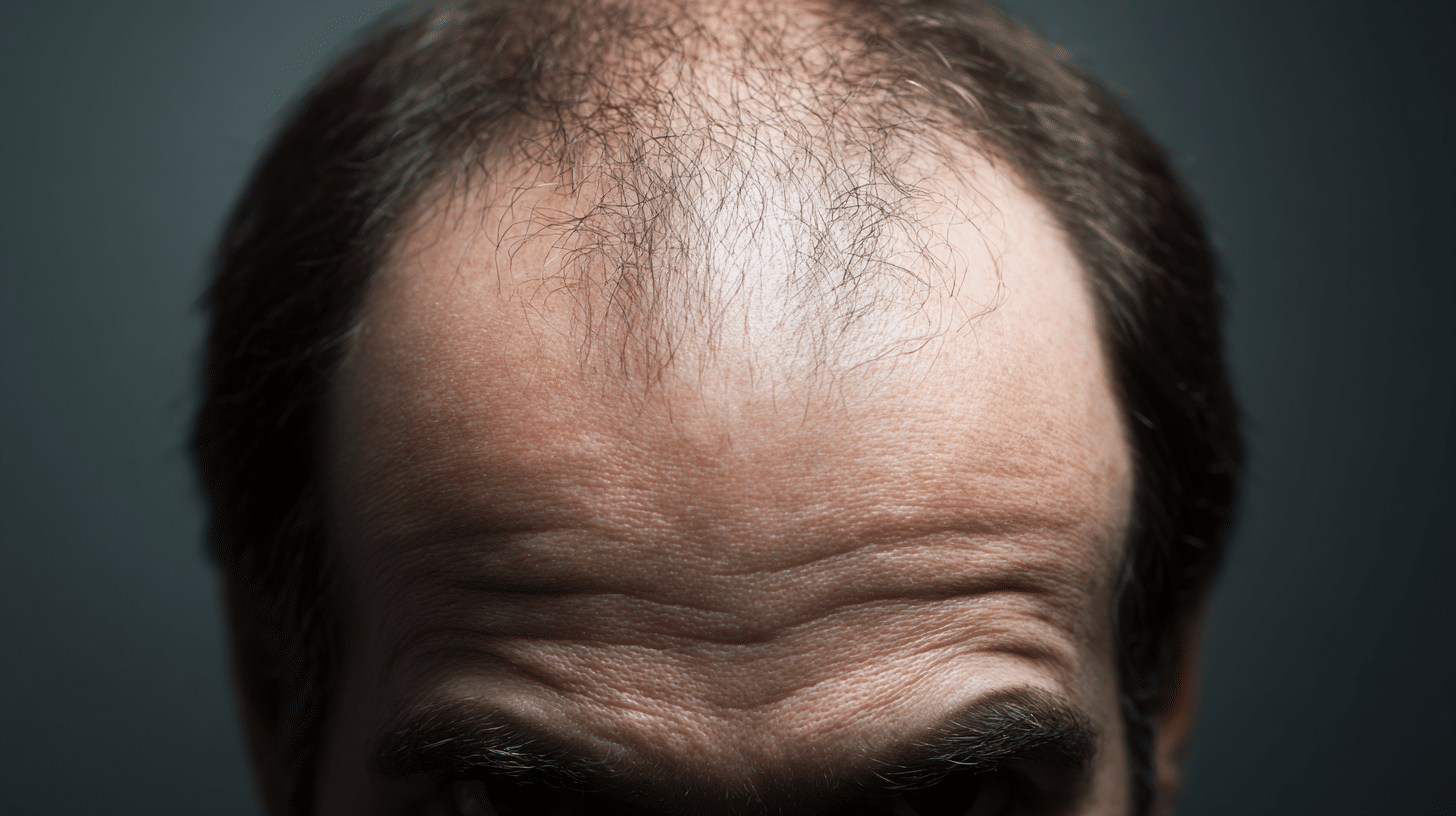
A once-thin part line starts looking broader and less tidy.
You may notice more scalp showing along the part when you style your hair or see photos from above.
This can make hair look less dense overall and force you to switch your part to another side, only for the same thing to eventually happen there, too.
It’s one of the clearest indicators that hair density is decreasing.
Home Remedy:
- Soak 2 tablespoons overnight, grind into a paste, and apply to your scalp, especially along the part.
- Leave for 30 minutes before rinsing.
- Do this once a week to promote thicker growth.
5. Excessive Daily Shedding
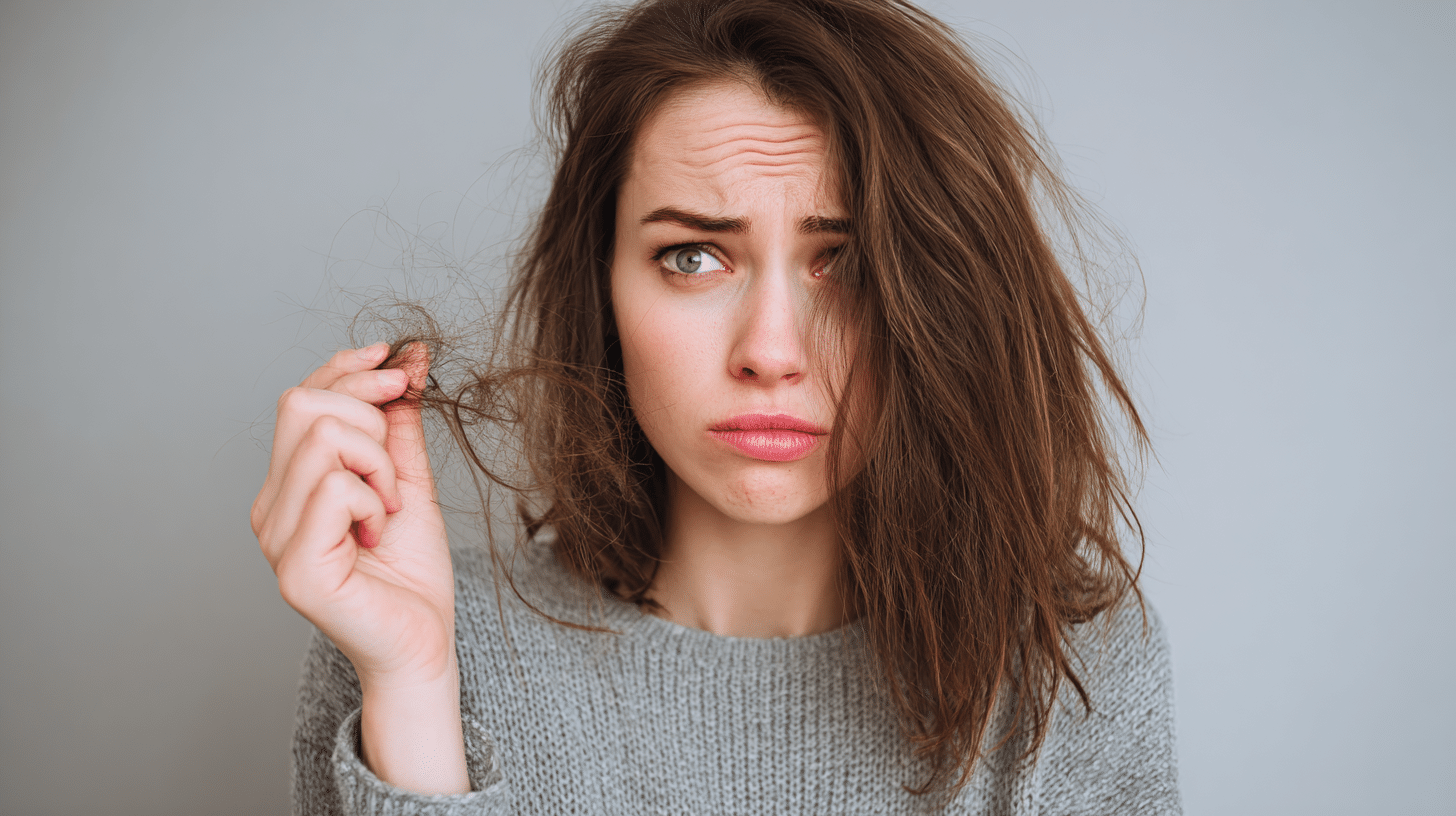
It’s normal to lose up to 100 hairs a day, but if you start finding clumps on your pillow, in your shower drain, or tangled in your brush, it’s a sign of trouble.
You may notice your ponytail feels thinner or that your hairbands wrap around more times than before.
Excessive shedding often points to nutritional deficiencies, hormonal changes, or high stress levels.
Home Remedy:
- Make a nourishing hair mask using yogurt, honey, and a few drops of lemon juice.
- Apply to your scalp and hair, leave for 20–25 minutes, and rinse.
6. Slow Hair Growth & Weaker Hairs
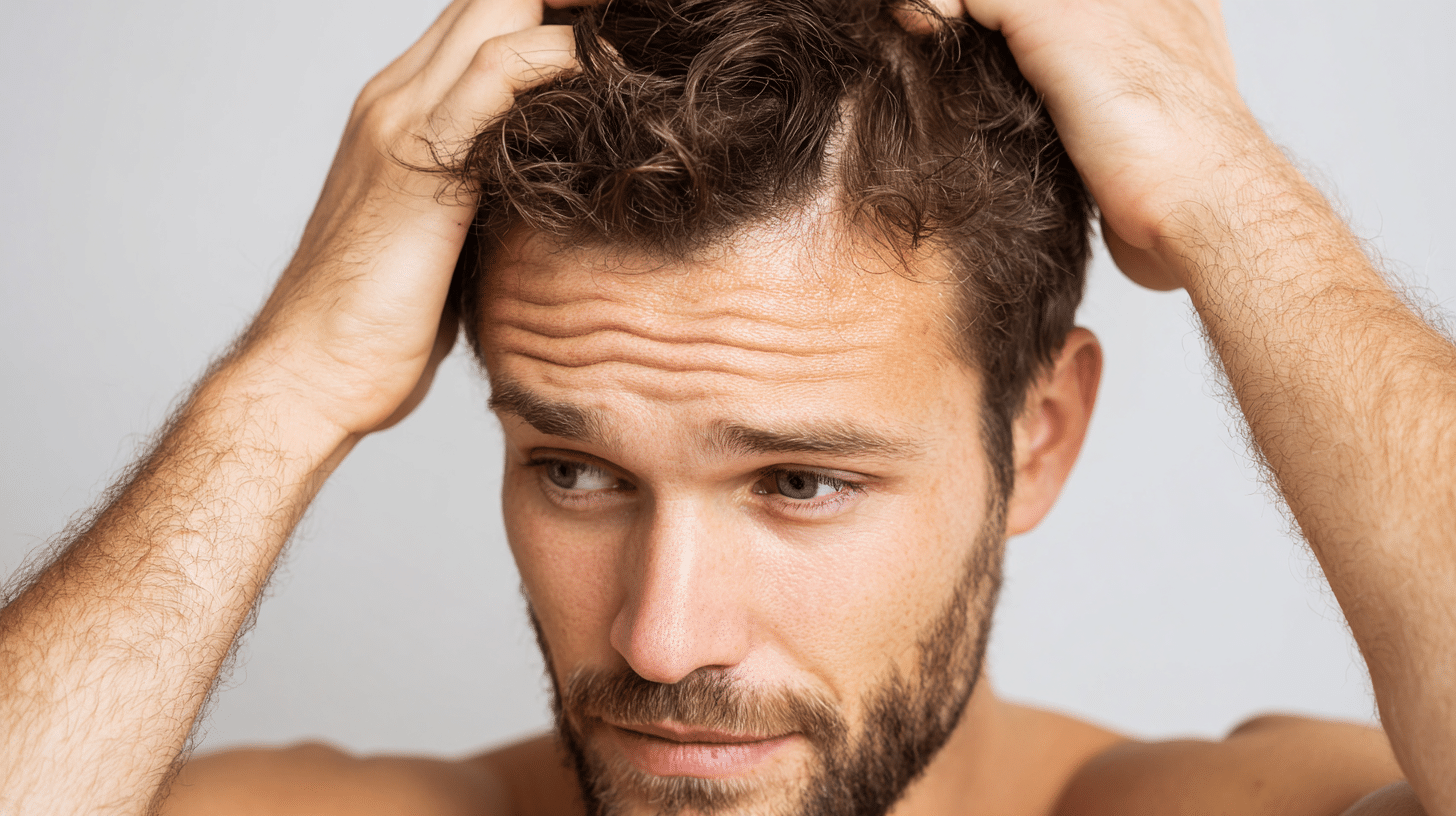
Your hair doesn’t seem to grow as quickly as before, and when it does, it feels finer, weaker, and breaks easily.
Split ends may appear more often, and the strands lack the shine and thickness they once had.
This often happens when hair follicles enter a prolonged resting phase or when your scalp isn’t getting enough nourishment.
Home Remedy:
- Massage castor oil mixed with almond oil into your scalp twice a week.
- Leave overnight for deep conditioning.
7. Bald Patches or Clumping
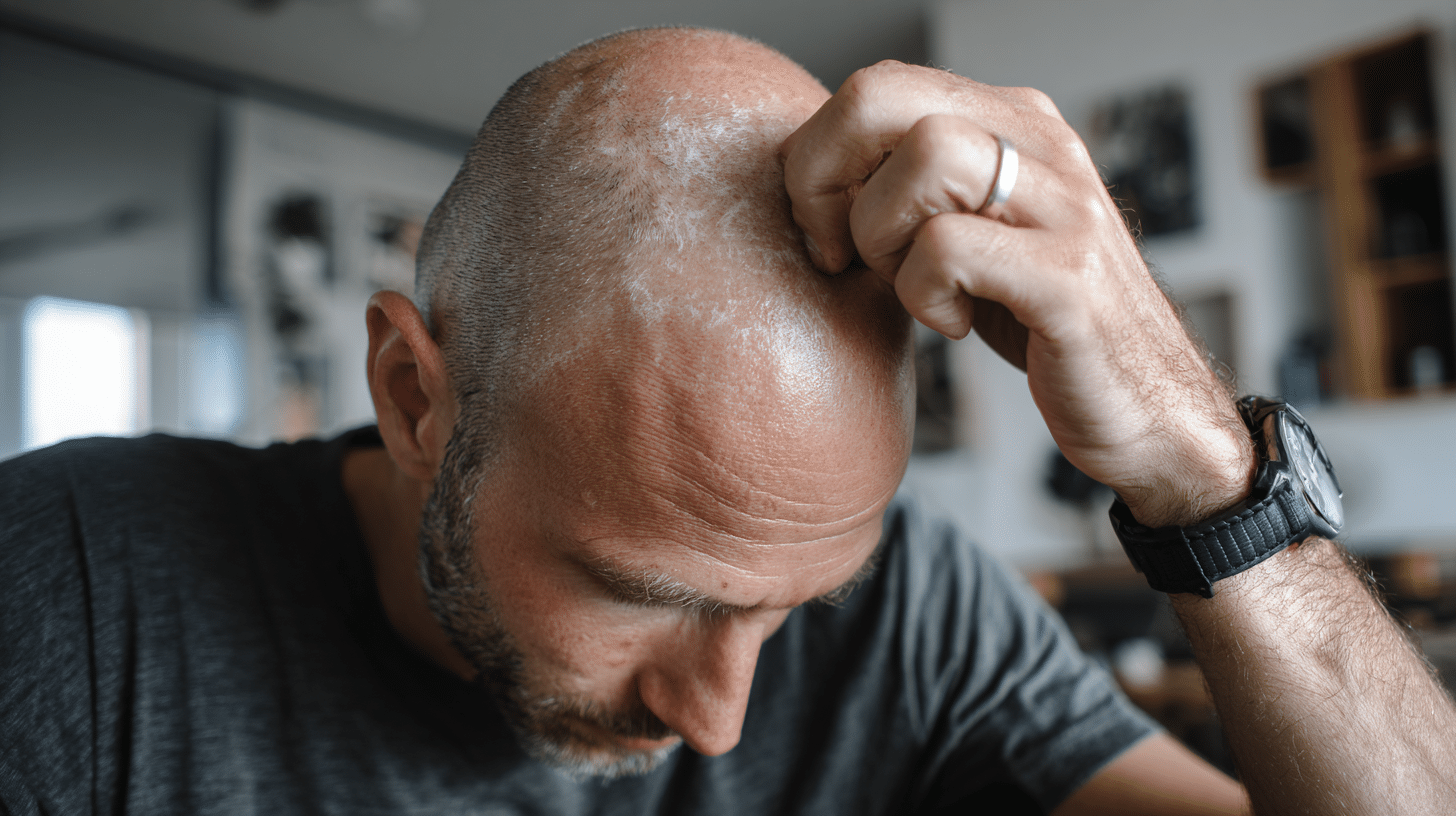
Instead of gradual thinning, you might see sudden bald spots or lose hair in large clumps.
This can be shocking because it often happens quickly, sometimes due to stress, illness, or autoimmune conditions like alopecia areata.
These patches can appear anywhere but are especially noticeable at the crown, sides, or back of the head.
Home Remedy:
- Green tea contains antioxidants that promote hair growth.
- Brew a strong cup, let it cool, and massage it into your scalp.
- Leave for 30–45 minutes before rinsing.
- Repeat twice a week for best results.
8. Increased Scalp Sensitivity
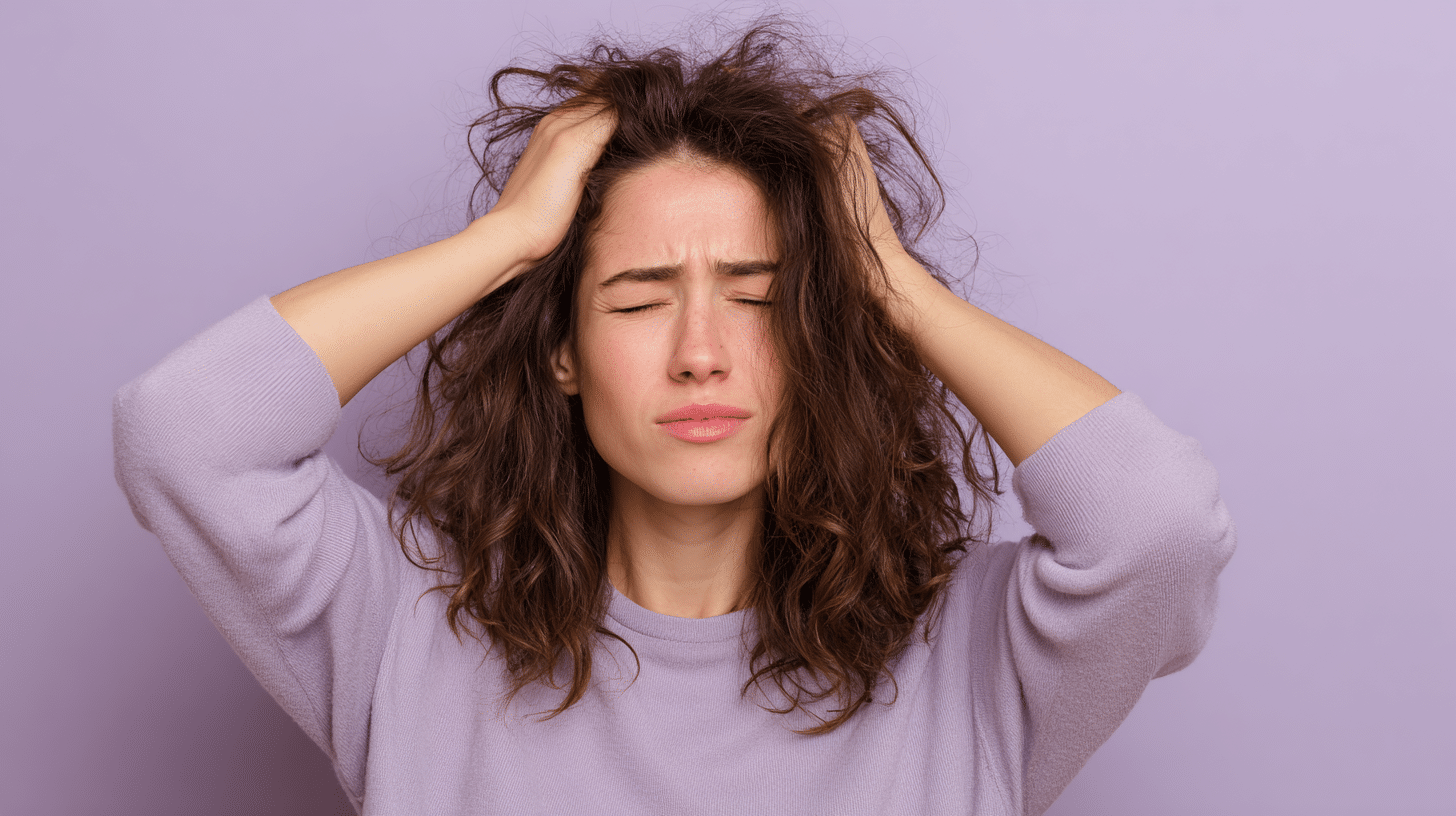
With less hair acting as a shield, your scalp becomes more sensitive to temperature changes, friction from hats, and even sun exposure.
You may notice mild irritation, tenderness, or dryness in certain areas. Sometimes, you might even feel a slight burning sensation when exposed to sunlight for too long.
Home Remedy:
- Blend half a cucumber with 2 tablespoons of aloe gel, apply to the scalp, and leave for 20 minutes before rinsing.
Why Does Early Balding Happen?
- Genetics are usually the Main Culprit: If your dad, grandpa, or uncles started losing hair young, there’s a good chance you inherited those genes. It’s not fair, but it’s the most common reason for early hair loss.
- Your Hormones Are Going Wild: Hormonal changes, especially sensitivity to DHT (dihydrotestosterone), can trigger hair loss. Sometimes other hormonal imbalances play a role, too.
- Life Is Stressing You Out: Major stress, big life changes, trauma, or even chronic everyday stress can push your hair into “shedding mode.”
- Your Diet Needs Work: Crash diets, inadequate protein intake, iron deficiency, or poor nutrition can significantly affect your hair health.
- Medical Issues or Medications: Thyroid problems, autoimmune conditions, or certain medications can cause hair loss as a side effect.
- You’re Being Too Rough with Your Hair: Tight hairstyles, constant heat styling, harsh chemicals, or aggressive brushing can damage your hair follicles over time.
- Environmental Factors: Smoking, pollution, and other environmental stressors can contribute to hair loss, too.
Do’s & Don’ts for Premature Balding
| Do’s: Smart Hair Habits | Don’ts: What to Avoid |
|---|---|
| Eat nutrient-rich foods (protein, iron, vitamins). | Ignore early hair loss signs; early help works better. |
| Manage stress with healthy outlets. | Overusing heat or chemicals can damage weak hair follicles. |
| Be gentle with your hair (shampoo, towel, etc.). | Avoid tight hairstyles, as they can lead to traction alopecia. |
| Massage your scalp regularly. | Don’t trust miracle fixes; most products online are scams. |
| Live a healthy lifestyle (sleep, water, no smoking). | Skipping meals or a crash diet, your hair needs steady nutrition. |
When to Seek Professional Help?
- Hair falling out in clumps or sudden bald patches appearing
- Your scalp is red, swollen, painful, or has scaling
- Your hair loss pattern changes dramatically or gets much worse quickly
- You’re losing hair along with other symptoms like unexplained weight changes, fatigue, or feeling unwell
Even if it’s “just” gradual thinning, talking to a dermatologist or your doctor can give you peace of mind and options you might not know about. They can help figure out if there’s an underlying cause and discuss treatments that might work for you.
Wrapping It Up
Hair loss at 20 can feel scary, but there are a lot of ways to deal with it.
The important thing is catching it early and taking action, whether that’s trying treatments or just learning to feel confident with your new look.
Don’t let hair loss get you down or stop you from enjoying life.
Focus on staying healthy, look into your options, and remember that confidence matters more than anything.
What tips have worked for you? Let us know in the comments below!