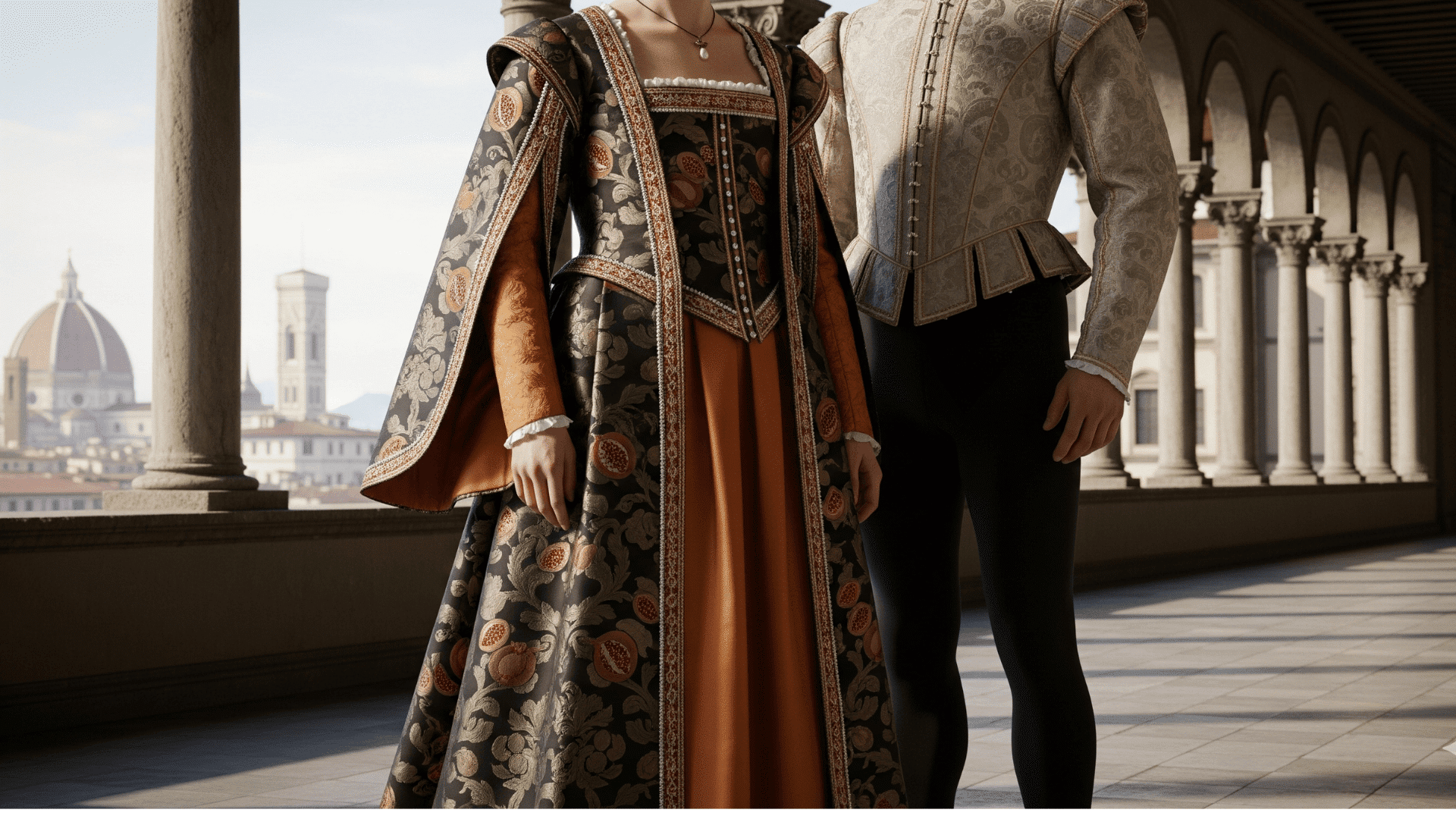

Want to understand how people dressed during Italy’s most stylish period? This guide breaks down everything about Italian Renaissance fashion from 1400 to 1600.
You’ll learn about the fancy layered outfits, strict dress codes, and why Italy became Europe’s fashion capital.
We’ve studied paintings from famous artists like Botticelli and checked out collections from top museums like The Met and V&A.
These sources show us exactly what people wore and how they styled their clothes. You’ll see how fashion worked as a status symbol and social tool.
Ready to step back in time and explore Renaissance wardrobes? Let’s start with the basics of this fascinating fashion era.
What Italian Renaissance Fashion Actually Means
The Italian Renaissance ran from about 1400 to 1600. During this time, Italy led fashion trends across all of Europe. Italian courts had money, style, and the best textile workers in the world.
Most of what we know comes from painted portraits and museum pieces. Artists painted wealthy people in their finest clothes to show off their status. These paintings work like fashion photos for historians today.
Italy dominated because it controlled the silk trade and had skilled craftspeople. Cities like Florence, Venice, and Milan became fashion capitals. What started in Italy spread to royal courts everywhere.
Social Display & Dress Codes (Sumptuary Laws)
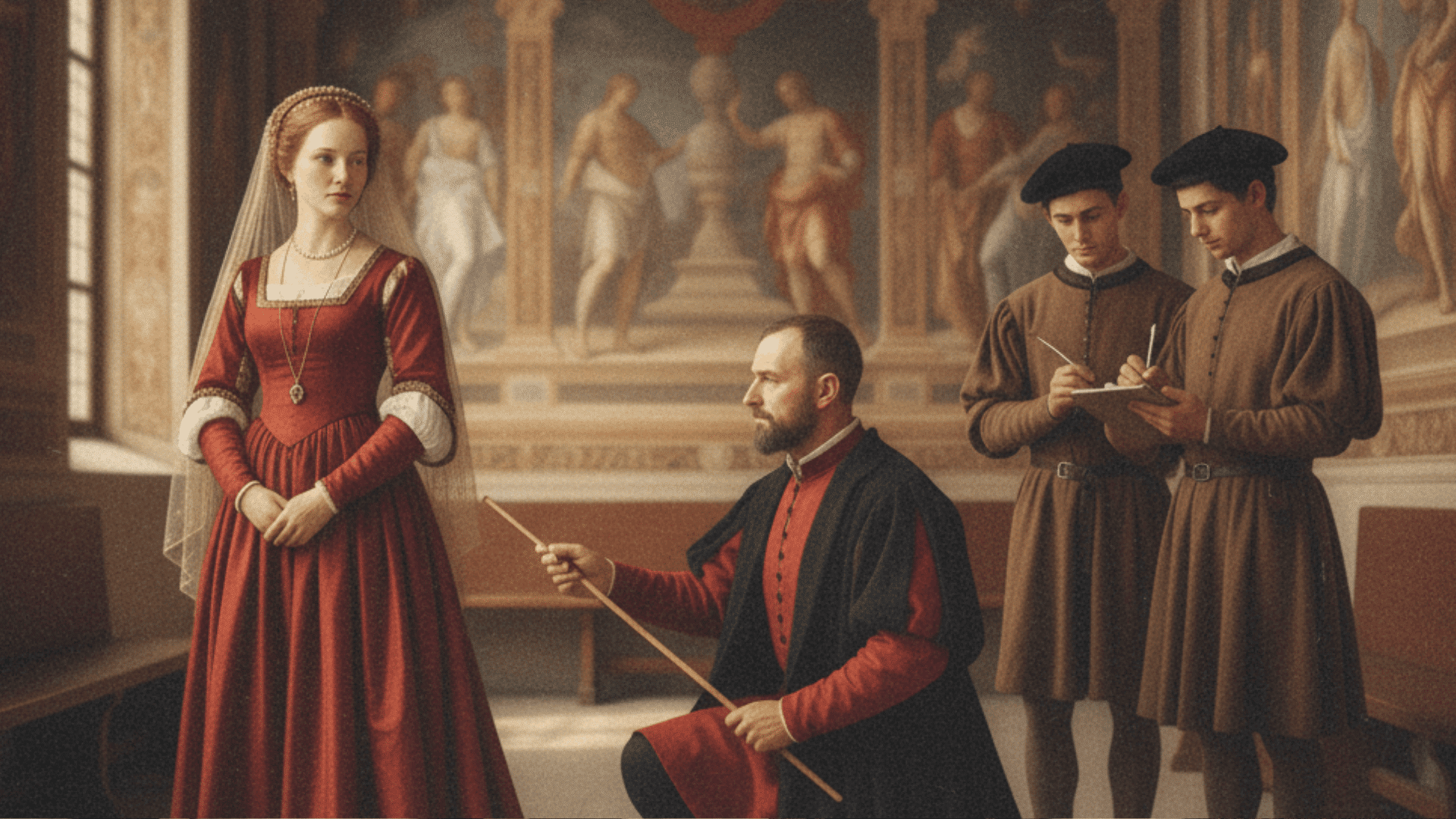
Your clothes told everyone exactly who you were in Renaissance Italy. Rich people wore silk and jewels while poor people stuck to wool and linen. The government even made laws about who could wear what.
These laws were called sumptuary laws. They controlled fabric types, jewelry amounts, and even how long dress trains could be. Only brides got special permission to go overboard on their wedding day.
Here are some actual laws from different Italian cities:
| City | Year | Law | Who It Applied To |
|---|---|---|---|
| Florence | 1472 | No gold or silver thread in clothing | All citizens except nobles |
| Venice | 1514 | Dress trains cannot exceed 3 feet | All women |
| Milan | 1498 | Maximum 4 rings per person | Everyone except royalty |
| Florence | 1433 | No pearls larger than a chickpea | Women under 45 years old |
| Venice | 1562 | Only black or dark colors for daily wear | Married women |
| Genoa | 1449 | Wedding dress budget limit: 100 florins | Brides and families |
| Florence | 1415 | No fur trim except ermine for nobles | All social classes |
| Venice | 1504 | Chopine shoes are limited to 3 inches high | All women (later ignored) |
Cities hired “fashion police” to enforce these rules. People found ways around them by reselling fancy wedding clothes or hiding expensive items. The laws shaped how people shopped and dressed for centuries.
Women’s Garments: Layering Logic
Women wore three main layers that worked together like a system. Each piece had a job to do – keeping you modest, comfortable, and stylish all at once. The layers let women show off expensive fabrics while following social rules.
- Camicia: White linen undershift worn closest to skin – kept you clean and cool
- Gamurra: Main fitted dress with tight bodice and full skirt – showed your figure and status
- Giornea/Cioppa: Sleeveless overdress with open sides – displayed rich underlayers through gaps
- Smart design: Side openings created visual interest while maintaining proper coverage
Artists like Botticelli painted these outfits perfectly. You can see how the side openings created visual interest. The system also helped with Italy’s hot climate while maintaining proper coverage.
Men’s Dress: Courtly Style Changes
Men’s fashion went through a major shift during the Renaissance. Early styles were colorful and showed off the male figure, but Spanish influence later made everything darker and more structured. The change happened gradually as political power shifted across Europe.
- Early period (1400s): Doublets (fitted jackets) with hose (tight leg coverings) in bright colors
- Short mantles: Decorative cloaks that showed wealth and regional style
- Late period (1500s): Spanish-influenced dark colors and stiffer, more formal silhouettes
- Status accessories: Chains, fancy caps, and styled armor pieces worn as fashion statements
Different regions had their own twists on these basic styles. What started as Italian court fashion eventually mixed with influences from Spain and other European powers.
Materials & Techniques: Why Italy Ruled Fashion
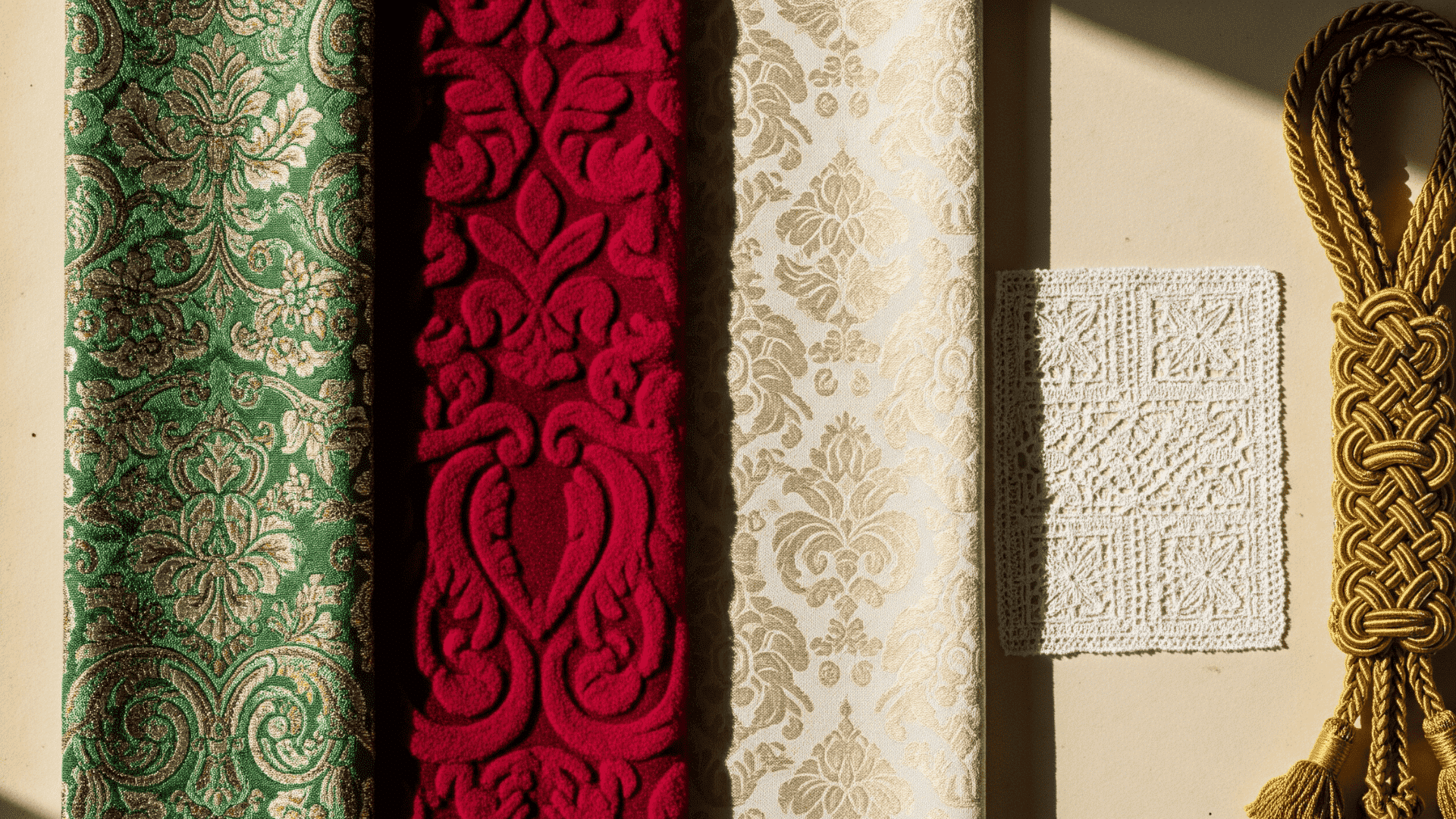
Italy dominated fashion because it controlled the best materials and techniques in Europe. Their textile cities became powerhouses that supplied luxury fabrics to royal courts everywhere.
| Material/Technique | Production Center | What Made It Special |
|---|---|---|
| Silk brocade with gold thread | Venice, Florence | Imported silk + local goldwork = unmatched luxury |
| Velvet | Genoa, Milan | Secret weaving techniques created the softest textures |
| Reticella lace | Venice, Burano | Early needle lace that started the lace craze |
| Passementerie trims | Florence, Milan | Decorative braids and fringes for high-end details |
| Damask silk | Lucca | Complex woven patterns that showed technical skill |
| Cloth of gold | Venice | Real gold threads woven into silk fabric |
| Embroidered silks | All major cities | Hand-stitched designs that took months to complete |
Guild systems and trade networks made this dominance possible – Italian workshops turned raw materials from Asia and Africa into luxury goods everyone wanted.
Regional Signatures
Florence loved the layered look with gamurra and giornea combinations. Their portrait culture meant everyone wanted to look good in paintings. Bridal jewelry was especially important for showing family wealth.
Venice went for maximum luxury with their famous chopines (platform shoes) and rich brocades. Their sea trade connections brought in the most expensive materials. Venetian women towered over everyone else.
Milan and Ferrara focused on court fashion. They mixed military style with luxury clothing. These northern cities influenced how armor and fashion worked together.
Accessories, Hair & Jewelry
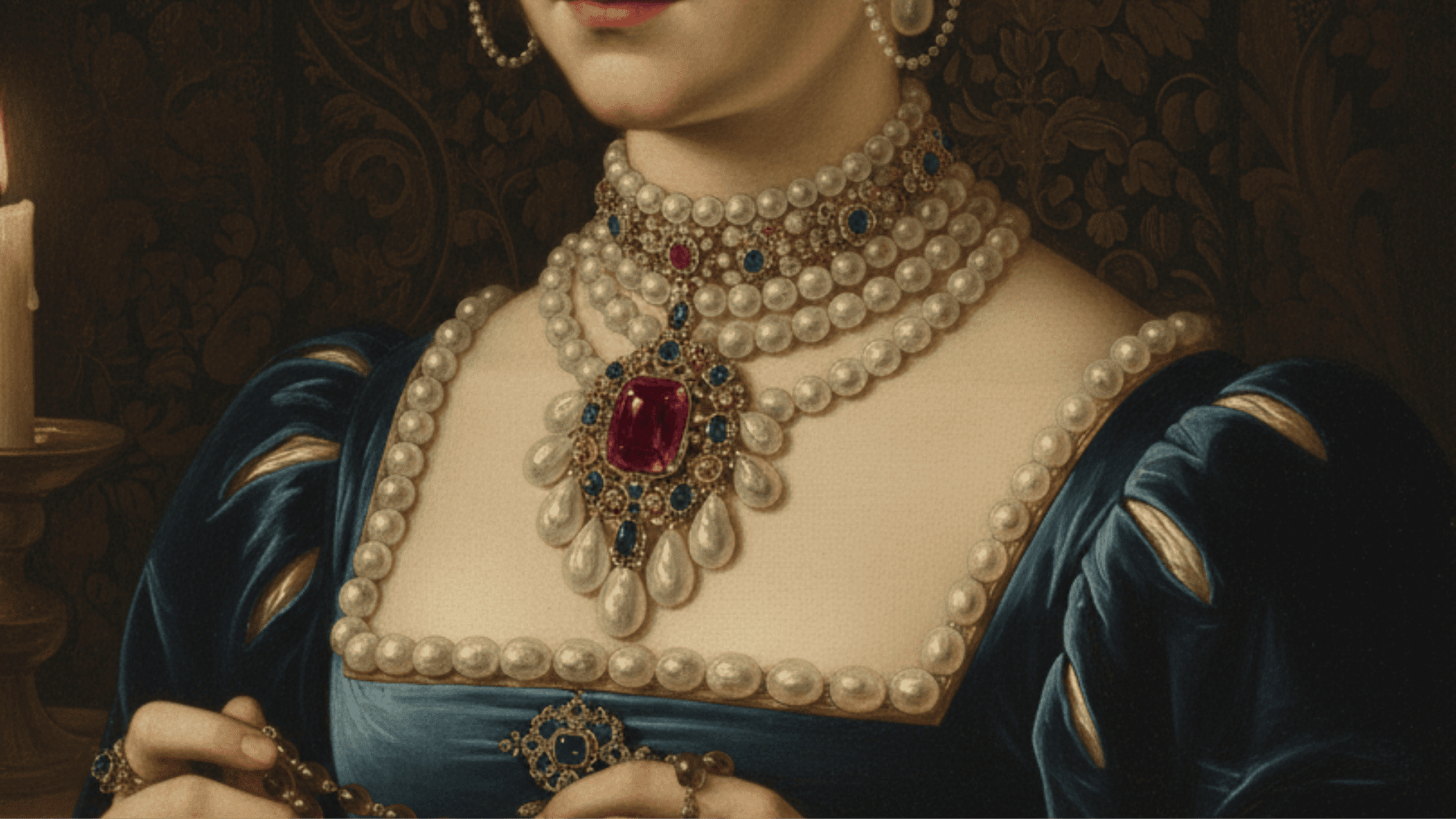
Hair accessories were just as regulated as clothes. Women wore nets, pearls, and forehead jewels. Bridal sets with pearls and precious stones showed off dowry wealth.
Laws controlled gem sizes and how much fabric you could use in accessories. Portrait painters had to show what was legal versus what families actually owned. Sometimes they bent the rules for better paintings.
Reading old portraits helps us understand these rules. You can spot who was breaking laws or showing off special occasion pieces.
Timeline of Change (1400s to 1500s)
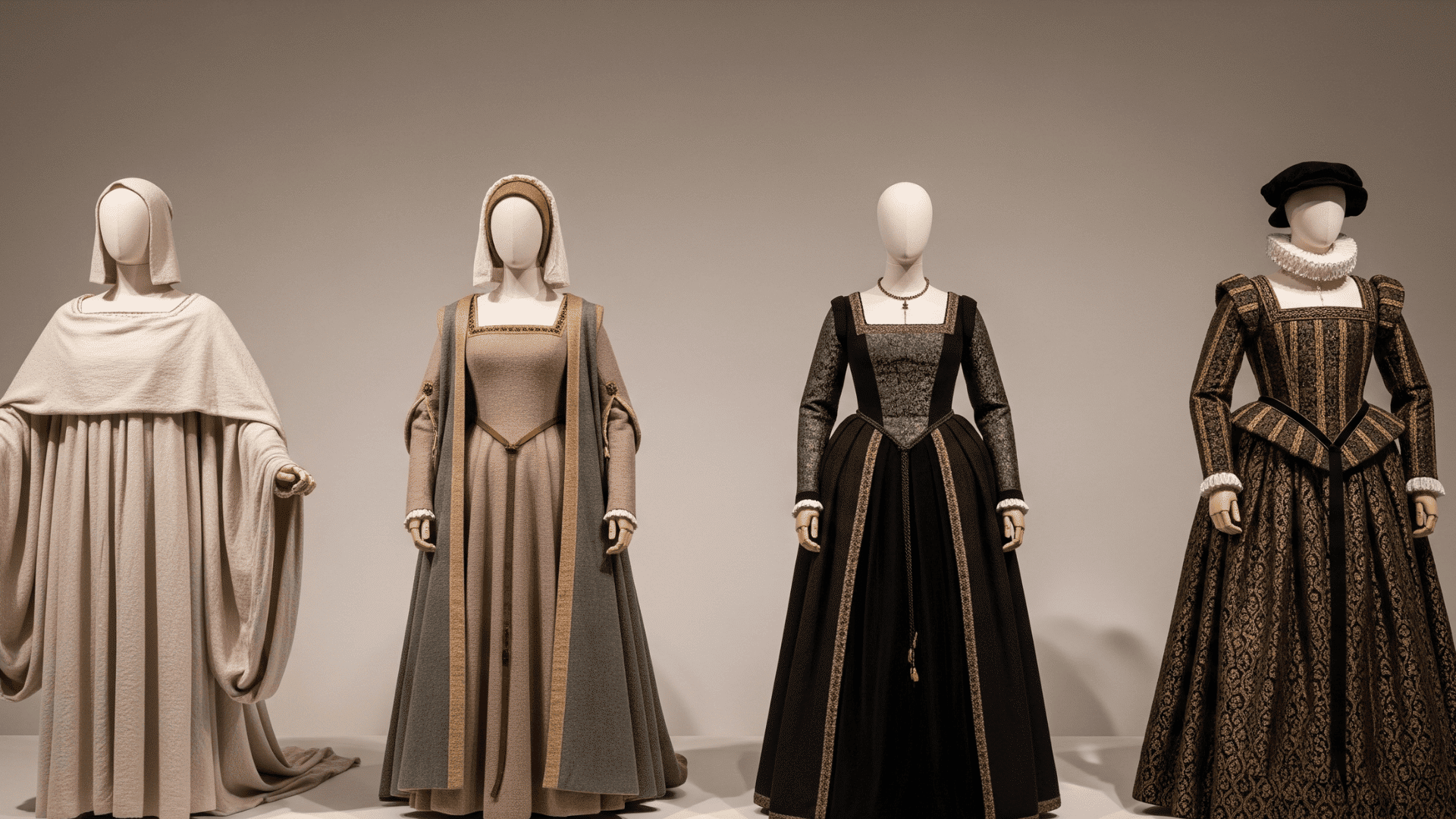
Fashion evolved dramatically over 200 years as political power shifted and trade routes changed. Here’s how Italian style transformed from flowing medieval looks to structured Renaissance elegance.
1400-1420: Early Quattrocento
- Women wore simple fitted dresses (cotte) with flowing lines
- Bright colors dominated: deep reds, blues, and greens
- Men’s doublets were short with pointed shoes (poulaines)
1420-1450: High Quattrocento
- Introduction of the gamurra (fitted bodice + full skirt)
- Open-sided giornea overdresses became popular
- The first sumptuary laws appeared in major cities
1450-1480: Late Quattrocento
- Sleeves became detachable and interchangeable
- Portrait culture boomed – fashion became an art subject
- Venice emerged as a luxury textile center
1480-1520: Early Cinquecento
- Spanish influence began appearing in darker colors
- Men’s doublets got longer and more structured
- Chopines (platform shoes) reached extreme heights in Venice
1520-1550: Mid Cinquecento
- Black became the fashionable color for the wealthy classes
- Ruffs and partlets added formality to necklines
- Armor-inspired tailoring appeared in men’s fashion
1550-1600: Late Cinquecento
- Full Spanish influence: rigid silhouettes and dark palettes
- Farthingales (hoop skirts) arrived from Spain
- Court fashion became heavily regulated and ceremonial
This timeline shows how Italian fashion went from medieval softness to Renaissance structure, influenced by changing politics and international connections.
Understanding Renaissance Fashion Beyond Clothing
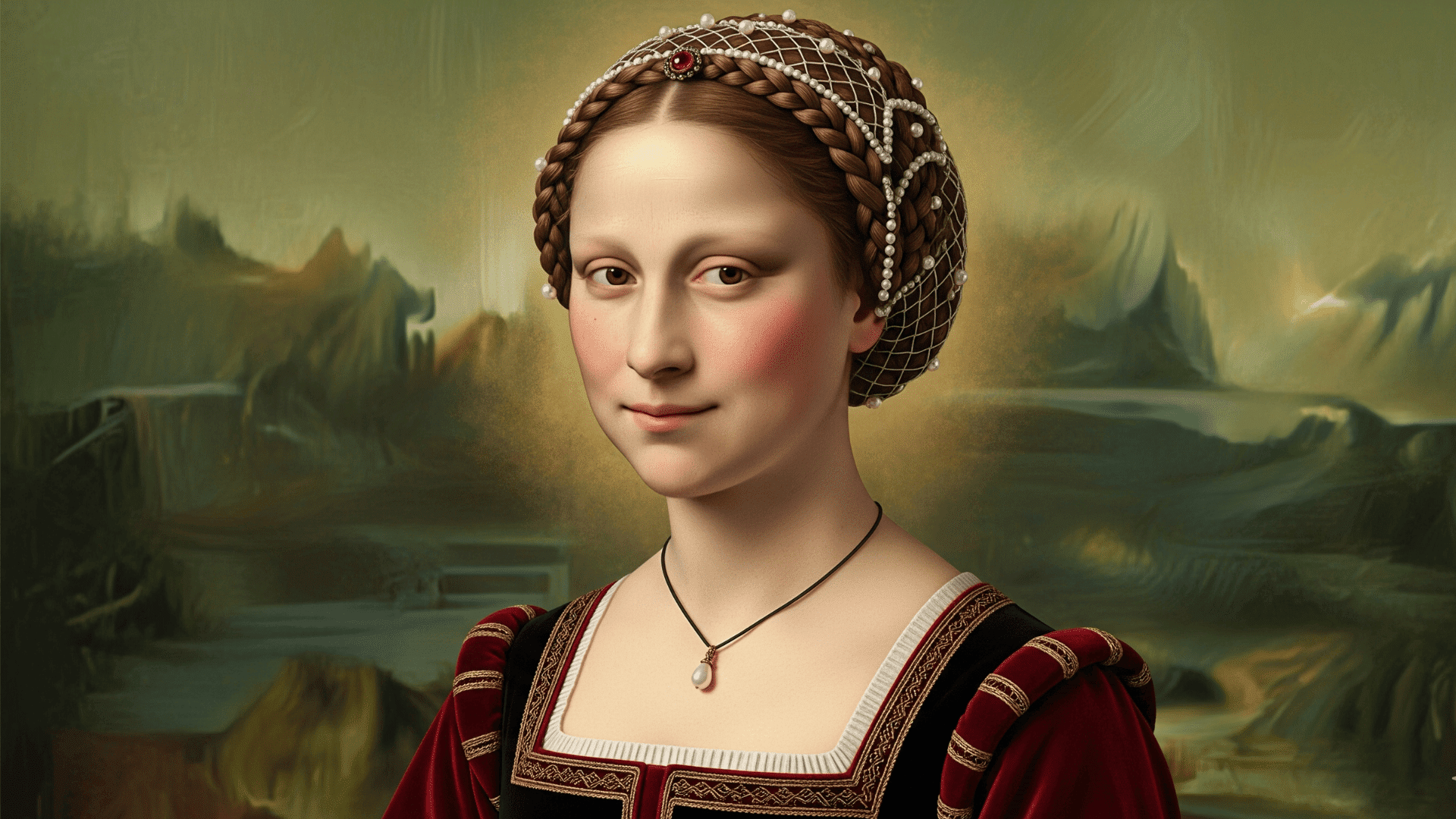
Fashion history comes alive when you look at the complete picture – from painted evidence to economic systems. These three areas show how clothing is connected to art, daily life, and business in Renaissance Italy.
1. Portraits as Primary Sources
Paintings work like fashion magazines for historians. Look for seam placement, sleeve attachments, and lacing details. The way fabric falls tells us about construction methods.
Artists painted jewelry types, fabric weaves, and color combinations accurately. Museums like The Met and V&A have online collections you can study. Botticelli and Ghirlandaio are great painters to start with.
Learning to “read” these paintings helps you understand both fashion and social history. Every detail had meaning in Renaissance society.
2. Footwear: From Simple to Spectacular
Most people wore simple flat shoes for daily life. But Venetian chopines turned footwear into performance art. These platform shoes could be over a foot tall.
Chopines served practical and social purposes. Venice had muddy streets, so height helped keep dresses clean. But they also became status symbols and made women need escorts to walk safely.
The higher your chopines, the wealthier you appeared. Some women needed servants to help them move around. Fashion sometimes beat practicality in Renaissance Italy.
3. Commerce & Craft: The Fashion Economy
Guilds controlled textile production and maintained quality standards. The Arte della Seta (Silk Guild) had enormous power in cities like Florence. These organizations linked craftspeople, merchants, and artists.
Italian textile exports spread their fashion influence across Europe. Churches and royal courts everywhere wanted Italian fabrics. This trade network made cities wealthy enough to sponsor more art and fashion innovation.
The connection between commerce and craft created a feedback loop. More trade meant more money for better techniques and materials.
Quick Fashion Glossary
| Term | Description |
|---|---|
| Camicia | White linen undershift worn by women |
| Gamurra | Main fitted dress with bodice and full skirt |
| Giornea / Cioppa | Sleeveless overdress with open sides |
| Partlet | Decorative chest covering, often with ruffs |
| Reticella | Early form of Italian needle lace |
| Chopines | Platform shoes, especially popular in Venice |
| Passementerie | Decorative braids and trims on clothing |
These terms pop up in museum descriptions and historical texts. Knowing them helps you understand Renaissance fashion better.
Where to Learn More
The Metropolitan Museum of Art has excellent online collections and essays about Renaissance dress codes. Their Heilbrunn Timeline explains how fashion is connected to social status.
The Fashion History Timeline at FIT offers decade-by-decade guides. The Victoria and Albert Museum’s Renaissance collections show real garments and accessories you can study online.
Start with these museum resources to see actual pieces and learn from expert research. Many have Zoom features so you can examine construction details closely.
Wrapping Up
Italian Renaissance fashion was about much more than pretty clothes. It was a complex system of social signals, economic power, and artistic expression.
Understanding these connections helps us appreciate both the beauty and the rules of the time.
The next time you see a Renaissance painting, you’ll know what to look for. Those carefully painted fabrics and accessories tell stories about wealth, status, and personal identity. Fashion was serious business in Renaissance Italy.
Ready to spot these details in your next museum visit? Keep this guide handy and start reading those portraits like a fashion expert.