
You’re not getting any younger, and your skin won’t hesitate to remind you of that.
Over time, it stops being springy as it once was, and it seems thinner and more fragile (because it is). Most people get overfocused on products to handle those fine lines, and that’s not a bad thing; retinoids, peptides, vitamin C, and actives in general are your friends if you know how to use them properly.
But what about the skin on the rest of your body?
It’s not like you have skin only on your face.
The skin on the rest of your body goes through the exact same aging process, and yet it’s usually neglected.
The good news is that you can still keep it healthy without spending thousands of dollars on products, and if you want to see how, keep reading.
What Happens to Your Skin as You Age
Do you have a favorite pair of jeans that are a few years old?
If you do, then you know exactly what we’re talking about. Remember how they used to fit perfectly and they’d bounce back into shape every time, but over the years, as you’ve washed and worn them, they simply… Worn out. That’s kind of what your skin does.
As you age, your body produces less collagen, which is what keeps your skin firm. Because of that, your skin starts to sag, and wrinkles show up, and you’ll probably notice your skin feels thinner, too.
Moisture is a whole different story, as well.
Aging skin can’t hold onto water as easily, so you’ll have more dry, itchy patches that lotion won’t be able to fix. Healing will slow down, so acne scars will take longer to heal, as will cuts and bruises. This happens because cell turnover isn’t what it used to be, so your skin becomes more vulnerable to sores and infections.
Another thing that gets weaker is your skin barrier.
It’s less effective at keeping away pollution, UV rays, and other irritants, which is why your skin might get more sensitive. Ceramides can be a big help here, but you should know they break some people out, so make sure your skin can tolerate them in products.
Tips on How to Keep Your Skin Healthy
You can’t prevent your skin from aging, but there are things you can do to keep it healthy and looking its best.
Here are a few tips on that.
Hydrate, Hydrate, Hydrate
One of the easiest ways to keep your skin healthy is to drink a lot of water.
Water helps keep your skin elastic, which means it’s more supple and less prone to wrinkles. Hydration also prevents it from getting dry and irritated, which is what makes your skin feel tight and uncomfortable.
Aside from water, you can also get hydration from fruits and vegetables, plus nourishment.
If you keep your skin hydrated, it’ll be glowy and bouncy; it’s as simple as that.
Regular Movement and Exercise
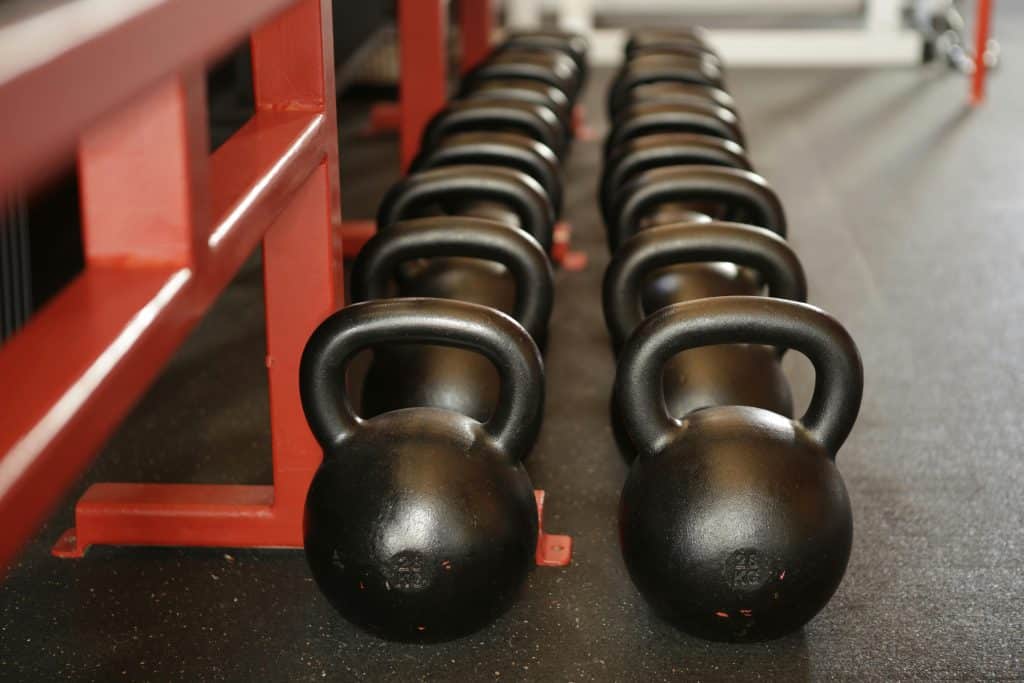
Exercise does wonders for your skin; it helps improve circulation and allows more oxygen and nutrients to reach your skin cells.
This process is important for a healthy, glowing complexion, and it promotes collagen production. Collagen prevents sagging and maintains the structure of your skin.
Not moving can be very hard on the entire body, including the skin. People who are forced to stay immobile for long periods develop serious skin damage, and they might even notice stage 4 pressure ulcer signs. These ulcers (wounds/ruptures on your skin) happen when your skin breaks down due to prolonged pressure, like when you’re bedridden for too long, and you aren’t moving at all.
And these sores (which are very painful) can lead to life-threatening complications, such as infections.
|
Extra tip: If this happened because of someone’s negligence, then it’s also a good idea to consult a lawyer who specializes in these types of cases, because you might have a legal case on your hands. |
|---|
Proper circulation and activity are key here.
So get off your butt and go work out.
Sun Protection
This one is absolutely non-negotiable.
You absolutely must protect your skin from the sun because UV rays are one of the biggest contributors to premature skin aging. It can even cause skin cancer!
Always, ALWAYS wear sunscreen, even if it’s Christmas and there’s 6 feet of snow outside. You want both UVA and UVB protection with SPF of at least 30 (although 50 is better!).
Sun protection is an all-year necessity, especially if you use retinoids and/or acids.
Gentle Skin Care
Be gentle with your skin.
This basically means that you should get rid of any mechanical exfoliators you have and opt for gentle chemical ones (and make sure you gradually build up tolerance with these). Cleansers also need to be mild and preferably sulfate-free.
And does anyone even need to mention that you need to follow everything up with a moisturizer?
When it comes to the skin on your body, you also want a gentle cleanser and a rich lotion afterwards to lock in moisture and keep your skin healthy and soft.
Conclusion
The uncomfortable truth is that your skin will show signs of aging no matter what you do.
You’ll get wrinkles, you’ll get saggy parts, you’ll notice it’s thinner, more sensitive, etc. But that doesn’t mean your skin can’t still be beautiful.
Be gentle to it, protect it from the sun, and most importantly, be realistic. If you’re 60 and your skin isn’t as tight and as glowing as it was 30 years ago – that’s okay.
It’s normal.
Keep it healthy and enjoy the kind of beauty that comes with aging. It’s there, and you’ll see it once you start being kinder to yourself.