In this day and age, people all over the world are becoming more conscious of the impact we are having on our beautiful green earth. Smart initiatives have already seen plastic bags removed from supermarkets and recycling schemes introduced to reduce the amount of waste that ends up in landfill. While big changes matter, there are also many smaller changes you can make at home that add up over time. If you are looking to make a change and do your bit for the environment, you are in the right place. These environmentally friendly home upgrades are kinder to the planet and your wallet too.
Lighting
We are all aware of how much our energy costs have increased over the last decade, but the reality is that lighting is something we cannot do without. Whether it is evening family time or leaving a light on in the hallway for the kids, it all adds up. Installing dimmer switches is a great way to save energy while also creating a softer and more relaxed atmosphere in your home. Dimmer switches allow you to control how much light you actually need instead of blasting full brightness every time. They also help create cosy spaces in the evenings without wasting electricity. If installing dimmers is not an option, especially in rented homes, switching to energy saving bulbs is still a positive step. Modern energy efficient bulbs last longer and use far less power, which is better for the environment and your energy bills.
Vegetable patch
Building a vegetable patch or even a small greenhouse can make a huge difference to both your lifestyle and the planet. Growing your own fruit and vegetables means fewer food miles and less packaging waste. It also helps you become more self-sufficient and connected to where your food comes from. There is also something very satisfying about eating produce you have grown yourself. Many people notice that homegrown vegetables taste better because they are grown naturally and picked when ripe. While pests can be an issue, there are plenty of non harmful ways to manage them. Netting, companion planting, and keeping plants protected in a greenhouse can dramatically reduce the problem without using chemicals that damage the environment.
Windows
If your home still has older windows, upgrading to double glazing is one of the most effective eco friendly improvements you can make. New windows help keep heat inside during colder months and reduce overheating in the summer. This means you rely less on heating and cooling systems, which lowers your overall energy use. Double glazing also reduces draughts and noise, making your home more comfortable year round. While the upfront cost can feel significant, the long term savings on energy bills and the reduced environmental impact make it a worthwhile investment. It also improves the look of your home and can increase its value.
Solar panels
Solar panels are now a familiar sight on rooftops, and for good reason. They capture sunlight and turn it into energy that can be used to power your home. This reduces your reliance on traditional electricity sources and lowers your carbon footprint at the same time. While installing solar panels can feel like a big commitment, many homeowners find that their energy bills drop significantly, especially during sunnier months. Some people choose to speak with a trusted solar power company to understand their options and potential savings. Over time, solar panels can pay for themselves and continue producing clean energy for years to come.
Log fire
Replacing gas fireplaces with a log burner is another way to reduce your reliance on fossil fuels. Log burners use wood as a fuel source, which can be more sustainable when sourced responsibly. They also provide a comforting warmth that makes a home feel cosy and inviting. Maintenance is important, but once you understand how to use and care for a log burner properly, it can become an efficient way to heat your home. Many people also love the visual appeal, as log burners can suit both rustic and modern interiors depending on the design.
https://www.pexels.com/photo/woman-selecting-glass-into-plastic-container-7512859/
Water saving habits
Saving water is just as important as saving energy. Simple changes like fitting low flow shower heads or fixing dripping taps can make a big difference over time. Even being mindful of how long you spend in the shower helps reduce water waste. Collecting rainwater for garden use is another effective option. Using rainwater instead of treated tap water to water plants reduces strain on water systems and supports a more sustainable garden. Small habits like these are easy to adopt and quickly become second nature.
Insulation
Good insulation keeps your home warmer in winter and cooler in summer, which reduces the need for heating and cooling systems. Loft insulation, wall insulation, and even draught proofing around doors can help prevent heat loss. A well insulated home not only feels more comfortable but also uses less energy overall. This lowers your bills and reduces emissions. Insulation is one of those upgrades you do not always see, but you definitely feel the benefits.
Eco friendly appliances
When it is time to replace appliances, choosing energy efficient models can have a long lasting impact. Modern appliances are designed to use less water and electricity while still performing well. Look for appliances with high energy ratings and features like eco modes. Washing machines and dishwashers, for example, often have settings that use less water and energy without compromising results. Over time, these choices reduce both environmental impact and running costs.
Reduce waste
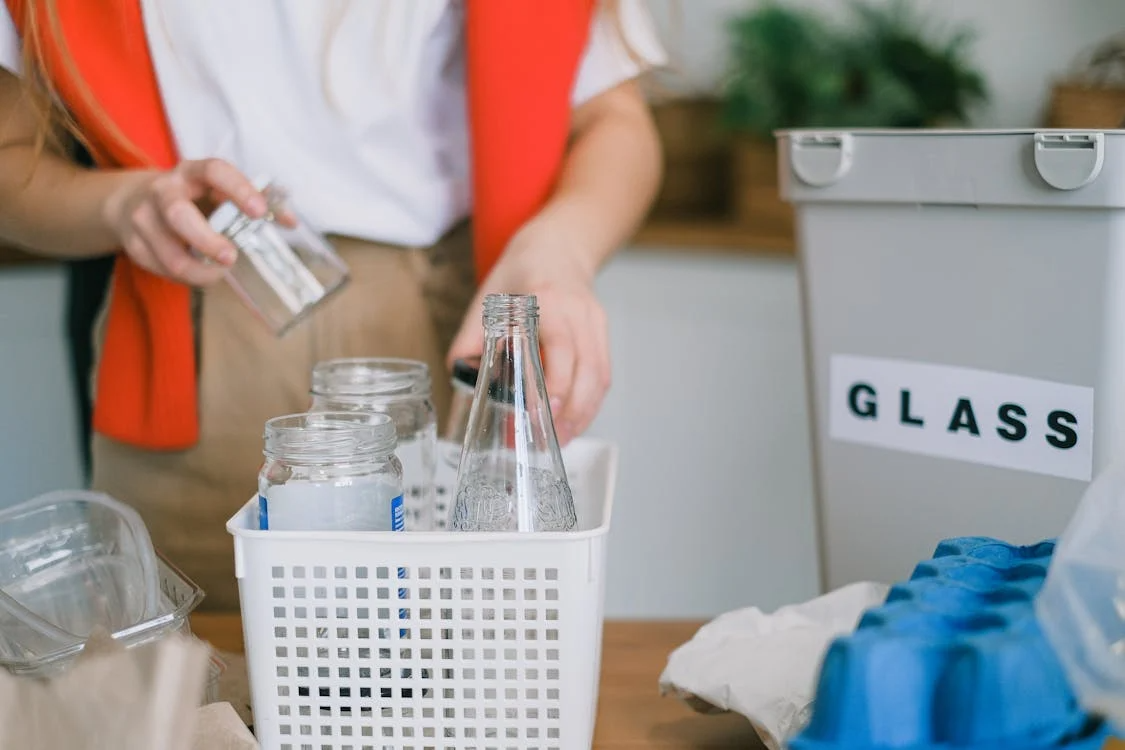
Reducing waste at home starts with being mindful of what you buy and how you dispose of it. Recycling properly, composting food scraps, and avoiding single use plastics all help reduce landfill waste. Buying reusable items like water bottles, food containers, and cleaning cloths cuts down on unnecessary waste. Even small changes in daily habits can make a meaningful difference when done consistently.
Making your home more environmentally friendly does not require one massive change overnight. It is about making thoughtful choices and taking steps that suit your lifestyle and budget. Over time, these changes add up and create a home that is kinder to the environment and more comfortable to live in. By starting now, you are helping protect the planet for future generations while enjoying the benefits yourself