
Do you ever wonder why your scalp feels itchy, tight, or uncomfortable?
The answer might surprise you! Many everyday habits that make your scalp sensitive are hiding in plain sight.
From the way you wash your hair to the products you use daily, small choices can have big effects on your scalp health.
Understanding these common habits is the first step toward a happier, healthier head of hair.
Let’s find out what might be causing your discomfort and uncover simple ways to fix these problems for good. Get ready to learn some eye-opening facts!
Understanding the Scalp Sensitivity
The scalp is rich in nerve endings and blood vessels, making it particularly vulnerable to irritation. Scalp sensitivity can show up as itching, burning, tingling, tightness, or pain – sometimes without visible redness or flaking.
If you’ve ever wondered why your scalp hurts, the answer may lie in everyday habits like stress, tight hairstyles, and over-processing. These factors can cause discomfort even without visible inflammation.
While conditions like seborrheic dermatitis or hormonal imbalances can play a role, it’s often small, overlooked habits that have the biggest impact. Reassessing your hair care routine may help reduce scalp sensitivity over time.
Habits that Make Your Scalp Sensitive
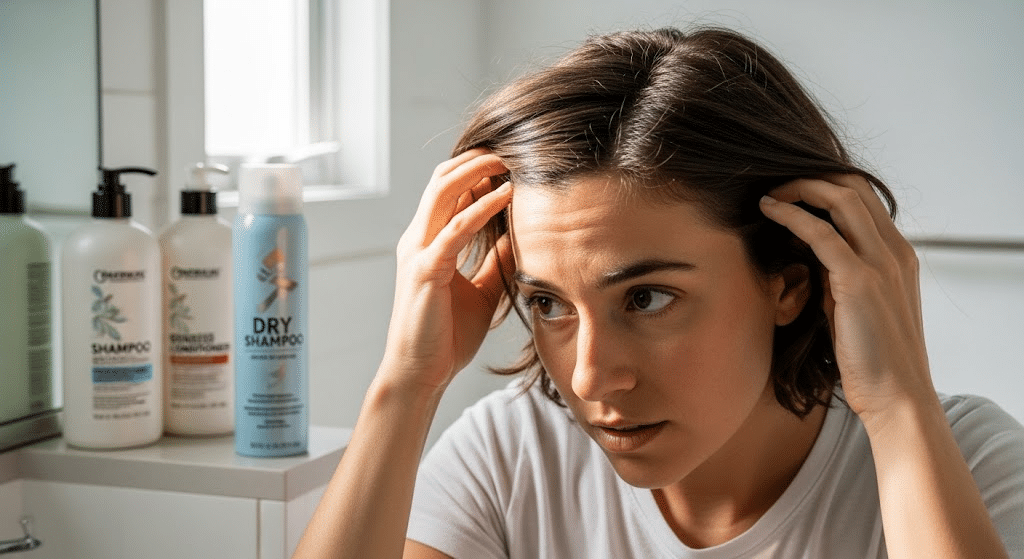
Many people don’t realize that everyday hair care habits can slowly damage the scalp. Here are some common things you might be doing that could be making your scalp more sensitive.
1. Overwashing Your Hair
Washing your hair too often strips away natural oils that protect your scalp. This leads to dryness, irritation, and increased sensitivity. Try spacing out washes to every 2–3 days, depending on your hair and lifestyle needs.
2. Using Harsh Shampoos
Shampoos with sulfates, parabens, and synthetic fragrances can disrupt your scalp’s natural barrier. These ingredients may cause inflammation, itching, or dryness over time. Look for gentle, sulfate-free products designed for sensitive or dry scalps instead.
3. Relying Too Much on Dry Shampoo
Dry shampoo is great occasionally, but overusing it causes buildup that clogs pores and irritates your scalp. Use it sparingly, and always follow up with proper washing to cleanse your scalp and hair thoroughly.
4. Washing with Hot Water
Hot showers may feel soothing, but they strip essential moisture from your scalp, making it dry and sensitive. Switch to lukewarm water when washing your hair to help preserve natural oils and reduce irritation.
5. Excessive Heat Styling
Blow dryers, straighteners, and curling irons generate high heat that dries out the scalp and weakens its protective barrier. Limit your use of heat tools and always apply a heat protectant before styling.
6. Tight Hairstyles
Wearing your hair in tight ponytails, braids, or buns every day puts constant tension on the scalp, leading to tenderness or even hair loss over time. These issues are commonly linked to tight hairstyles, so try switching to looser styles whenever possible.
7. Not Rinsing Products Thoroughly
Leaving conditioner or styling products on your scalp can clog hair follicles and cause itchiness or breakouts. Always rinse thoroughly after applying any hair products to ensure your scalp stays clean and balanced.
8. Skipping Scalp Care
The scalp is skin, too – it needs just as much care. Skipping exfoliation, moisturizing, or massage can lead to buildup, dryness, and poor circulation. Add a gentle scalp scrub or hydrating serum to your routine once a week.
9. Poor Diet and High Stress
Lack of essential nutrients like zinc, omega-3s, and iron can impact scalp health, while chronic stress raises inflammation levels. Eating a balanced diet and managing stress helps support a healthier, more resilient scalp from within.
10. Scratching or Over-Brushing
Aggressively scratching an itchy scalp or brushing too roughly can cause micro-tears and irritation. Always use a soft-bristle brush, be gentle when detangling, and resist the urge to scratch – even when your scalp feels uncomfortable.
How to Soothe a Sensitive Scalp
When your scalp feels sore, itchy, or irritated, it’s best to stop using harsh shampoos and strong hair products.
Choose a gentle, fragrance-free shampoo that’s made for sensitive skin. Avoid using heat tools like straighteners or blow dryers.
You can also use natural ingredients like aloe vera, tea tree oil, or chamomile to calm your scalp. Gently massage your scalp with your fingertips to help increase blood flow and make it feel more relaxed and comfortable.
Wrapping It Up
Now you know the everyday habits that make your scalp sensitive and how to avoid them completely.
Small changes, such as using gentler products, washing with cooler water, and being careful with styling tools, can make a huge difference in how you feel.
These simple switches will help you enjoy healthier, more comfortable days ahead.
Ready to start your path to better scalp health? Share your own scalp care tips in the comments below – we’d love to hear what works best for you and help others learn from your experience too!