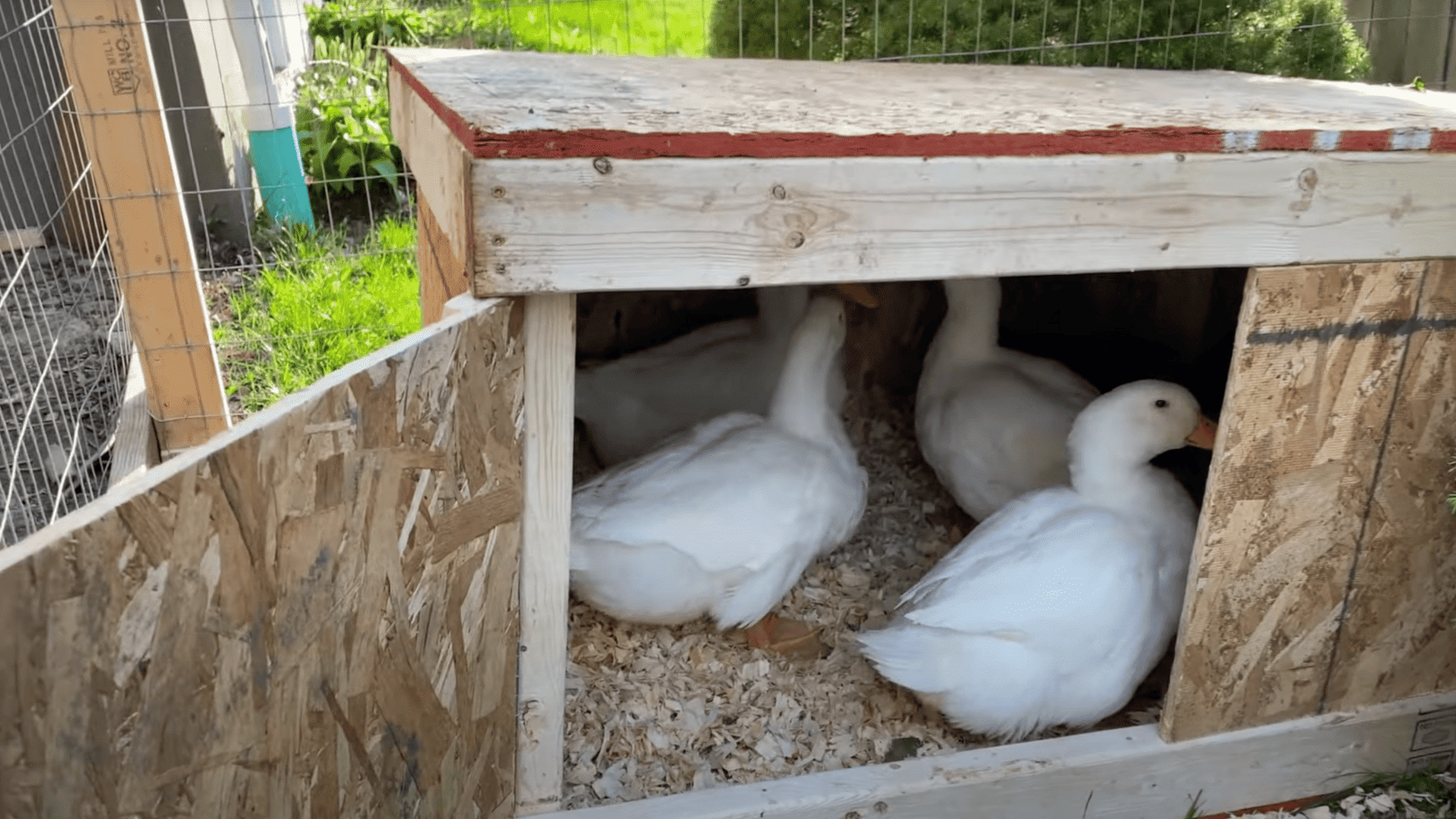

Keeping ducks is rewarding, but one of the first challenges new keepers face is providing safe and comfortable housing for them.
Ducks aren’t like chickens; they have different needs for space, ventilation, and access to water. If you’re considering building a DIY duck house, you’re in the right place.
This comprehensive guide covers everything you need to know: planning, choosing a design, step-by-step construction, maintenance, and variations.
By the end, you’ll be ready to build a secure and affordable home, or duck shelter, that your flock will love.
Why Build a DIY Duck House?
Before you pick up a hammer and nails, it’s worth noting why building a duck house is such a smart choice.
Store-bought coops often come with a hefty price tag, but when you make your own, you can use affordable materials like pallets, plywood, or reclaimed wood.
Beyond saving money, a homemade design allows you to customize the layout to suit your flock size, backyard space, and local climate.
A well-constructed shelter also offers durability, lasting for years with proper care, while providing full control over predator protection, from sturdy latches to secure fencing.
Understanding Duck Housing Needs
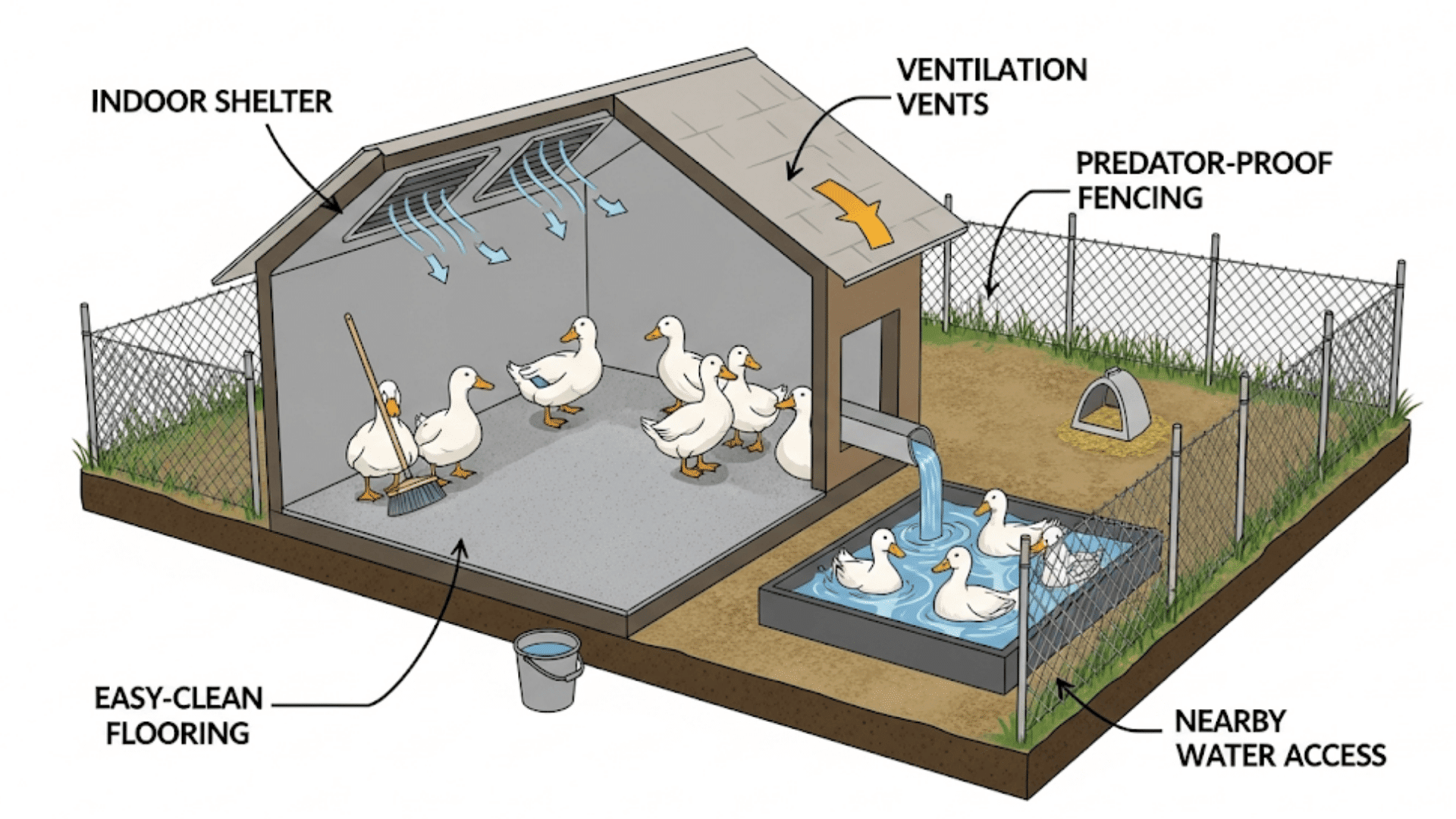
Ducks have unique needs that should shape your plan:
- Space Requirements: Provide 4–6 square feet per duck indoors and 15–25 square feet outdoors to reduce stress and disease.
- Protection from Predators: Use hardware cloth instead of chicken wire, secure double-action latches, and bury fencing to keep out raccoons, foxes, and dogs.
- Ventilation & Moisture Control: Ducks produce a significant amount of moisture, so consider adding screened vents high on the walls to keep their bedding dry and prevent respiratory problems.
- Easy to Clean: Designed with hinged doors or panels, smooth vinyl flooring, and straw or wood shavings for bedding.
- Access to Water: Ducks need water for both drinking and preening, so provide a small pond, kiddie pool, or trough near the house.
A well-built house ensures safety, comfort, and durability, giving your flock a secure and happy home.
Tools & Materials Used
Gather these basic tools and materials to build a sturdy house that’s safe, durable, and easy to maintain.
| Item | Purpose |
|---|---|
| 2×4 Lumber | Frame structure and posts |
| OSB/Plywood | Floor, roof, and wall panels |
| Screws & Drill | Assembly of all parts |
| Saw | Cutting lumber and panels |
| Hinges & Latch | Secure double doors for easy access |
| Roofing Material | Optional weather protection |
| Straw/Shavings | Bedding inside |
Step-by-Step Guide to Build a DIY Duck House
Building a house doesn’t have to be complicated.
With just a few materials and basic tools, you can create a sturdy duck shelter that’s predator-safe, easy to clean, and comfortable for your flock.
Follow these six simple steps for a beginner-friendly build.
Step 1: Cut Lumber
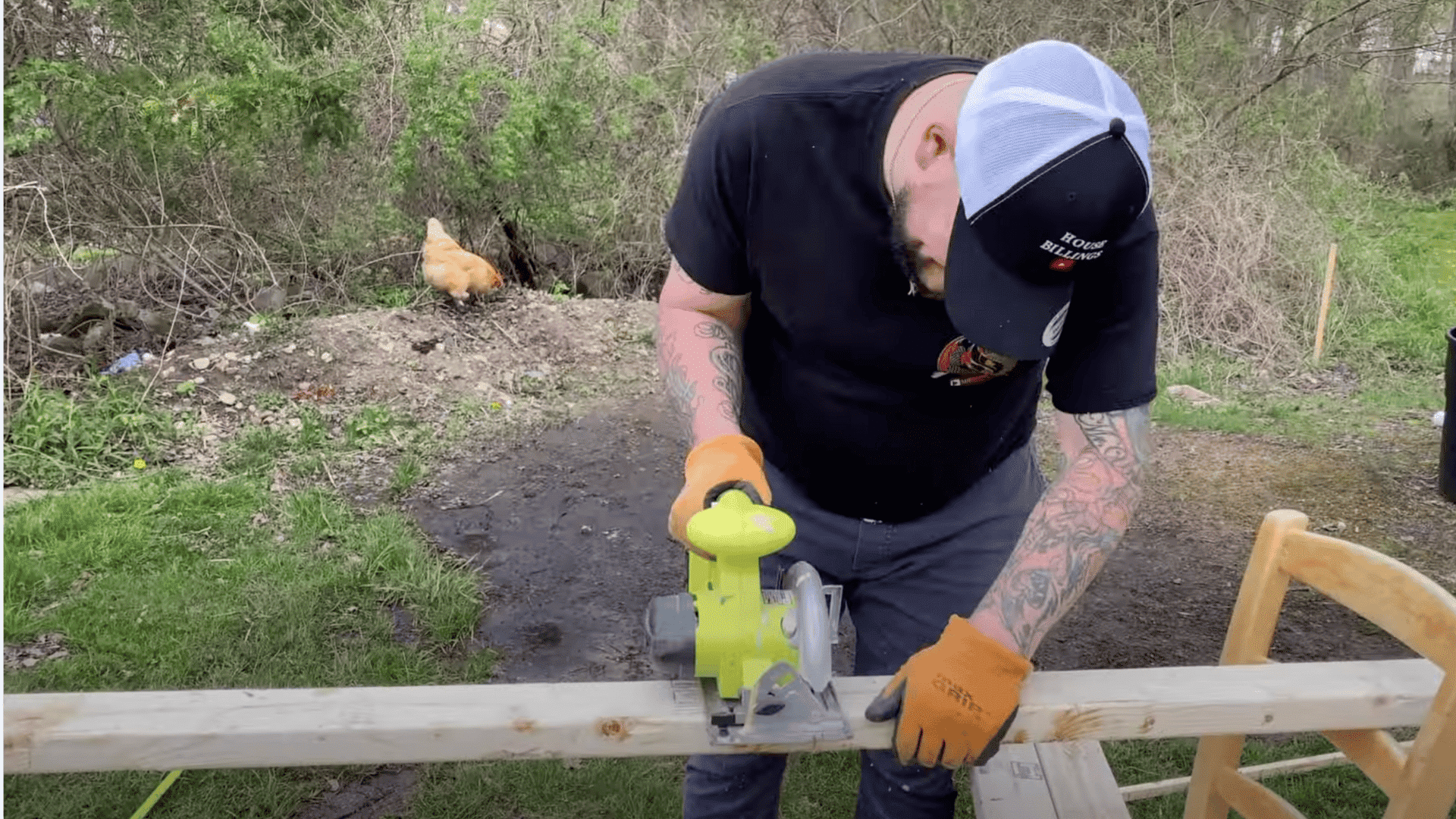
Start by cutting your 2×4 lumber. You’ll need four pieces at 4 feet, four pieces at 33 inches, two posts at 24 inches, and two posts at 22 inches.
The slightly shorter back posts create the necessary roof pitch for proper water runoff.
Step 2: Build Frames
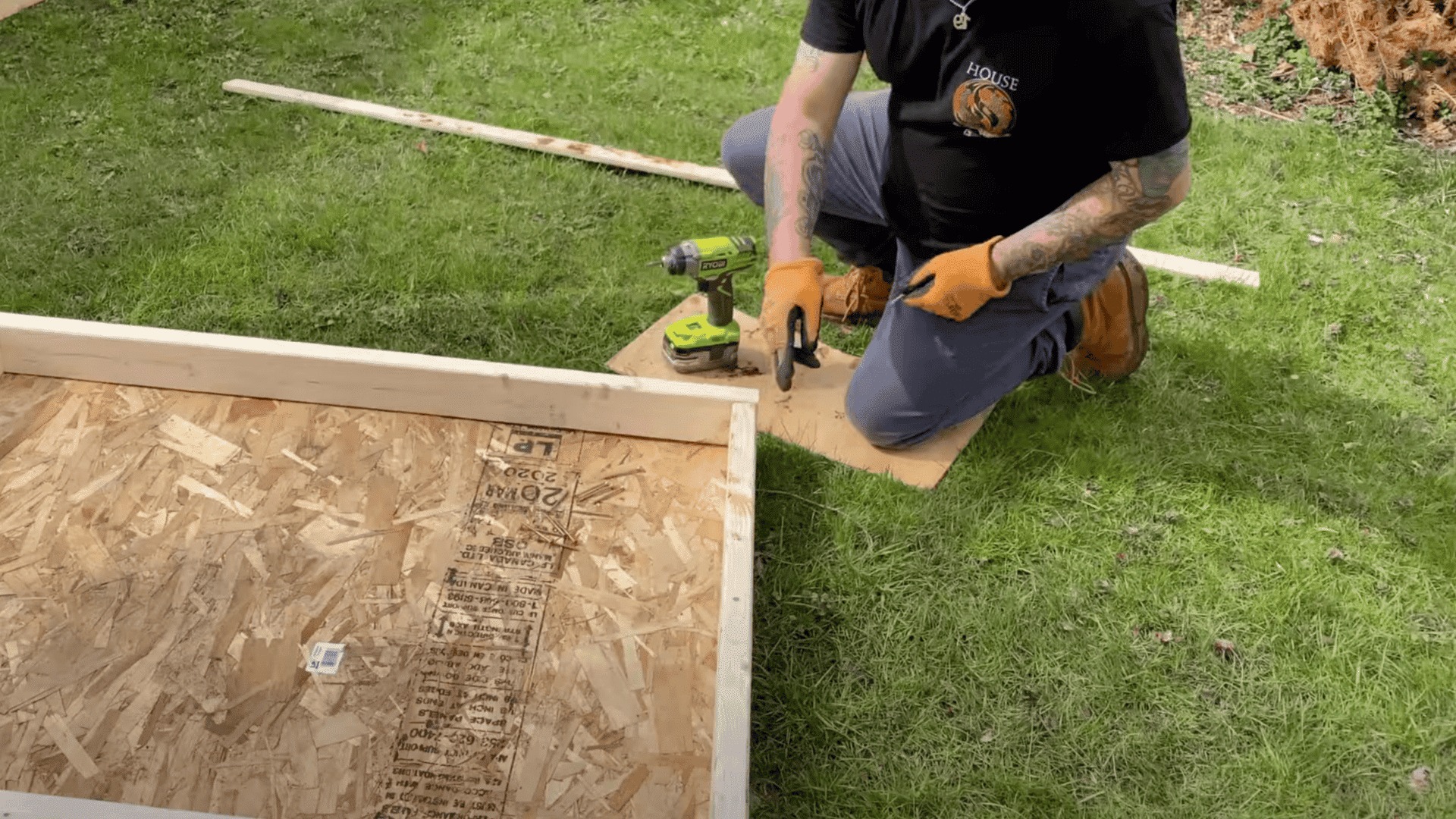
Assemble two rectangular frames using the 4-ft and 33-inch rails. Attach the taller posts at the front and the shorter ones at the back.
This framework gives your duck shelter both stability and a slanted roofline that helps keep the interior dry.
Step 3: Add Floor & Roof
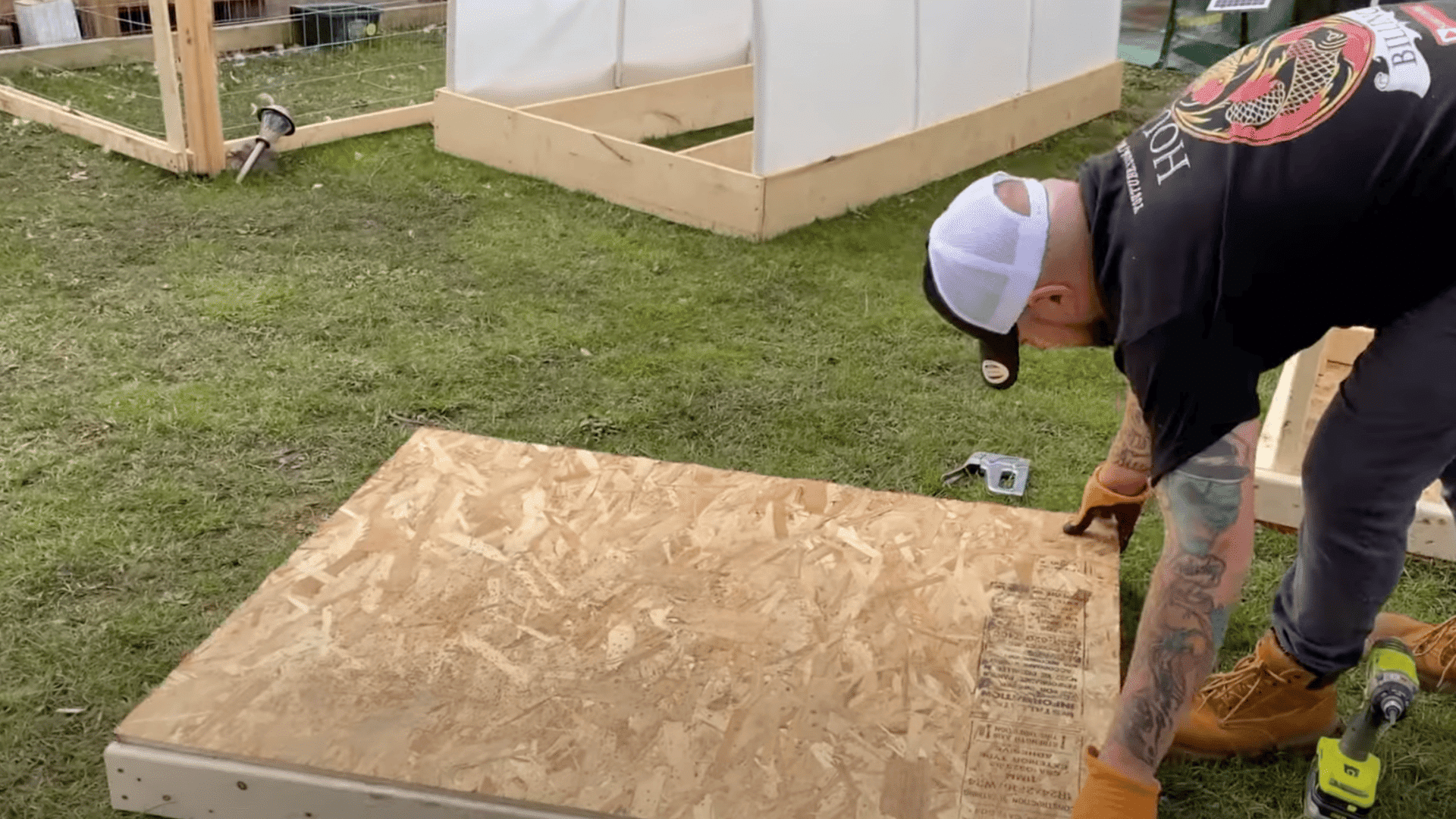
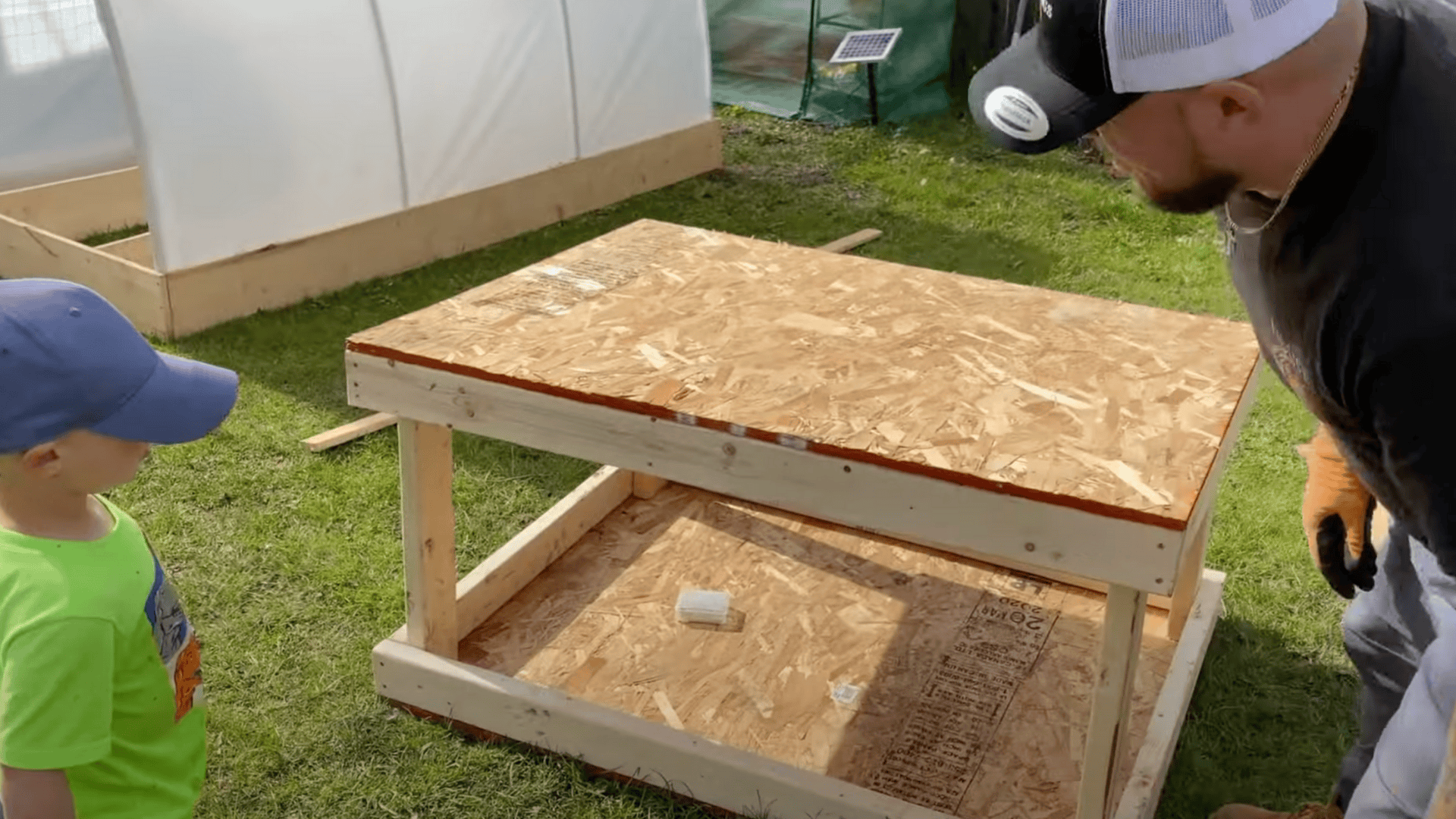
Secure an OSB panel to the bottom frame to create a sturdy foundation for the floor. Then, place another panel on top of the frame to form the roof.
This setup ensures your house has a solid foundation and provides weather protection from above.
Step 4: Install Side & Back Panels
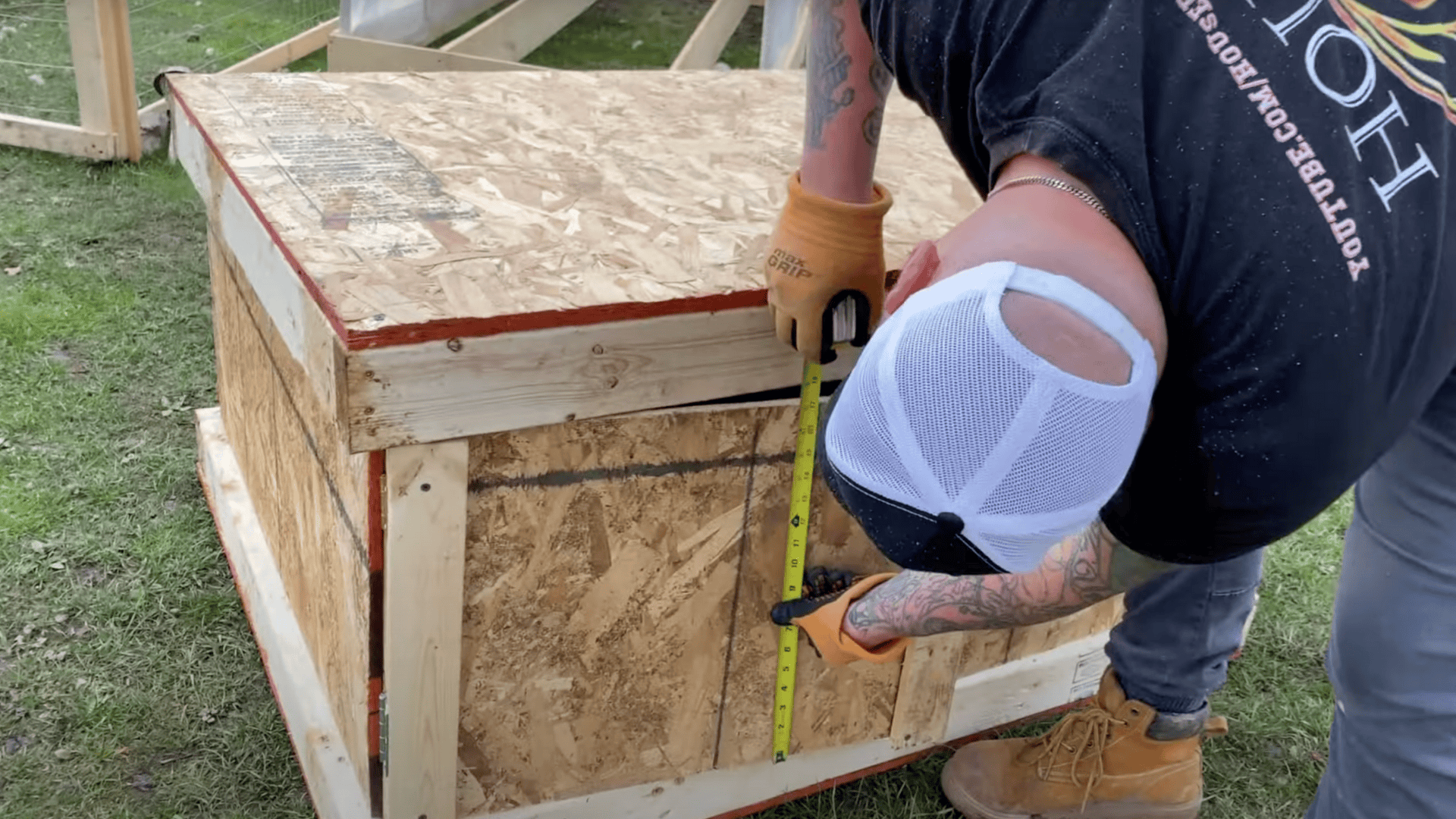
Measure and cut slanted side panels, 32 ¾ inches long, 17 inches high in front, and 15 inches at the back.
Secure them to the frame, then add a 45-inch by 15-inch back panel. This closes off the shelter and adds rigidity.
Step 5: Build Front Doors
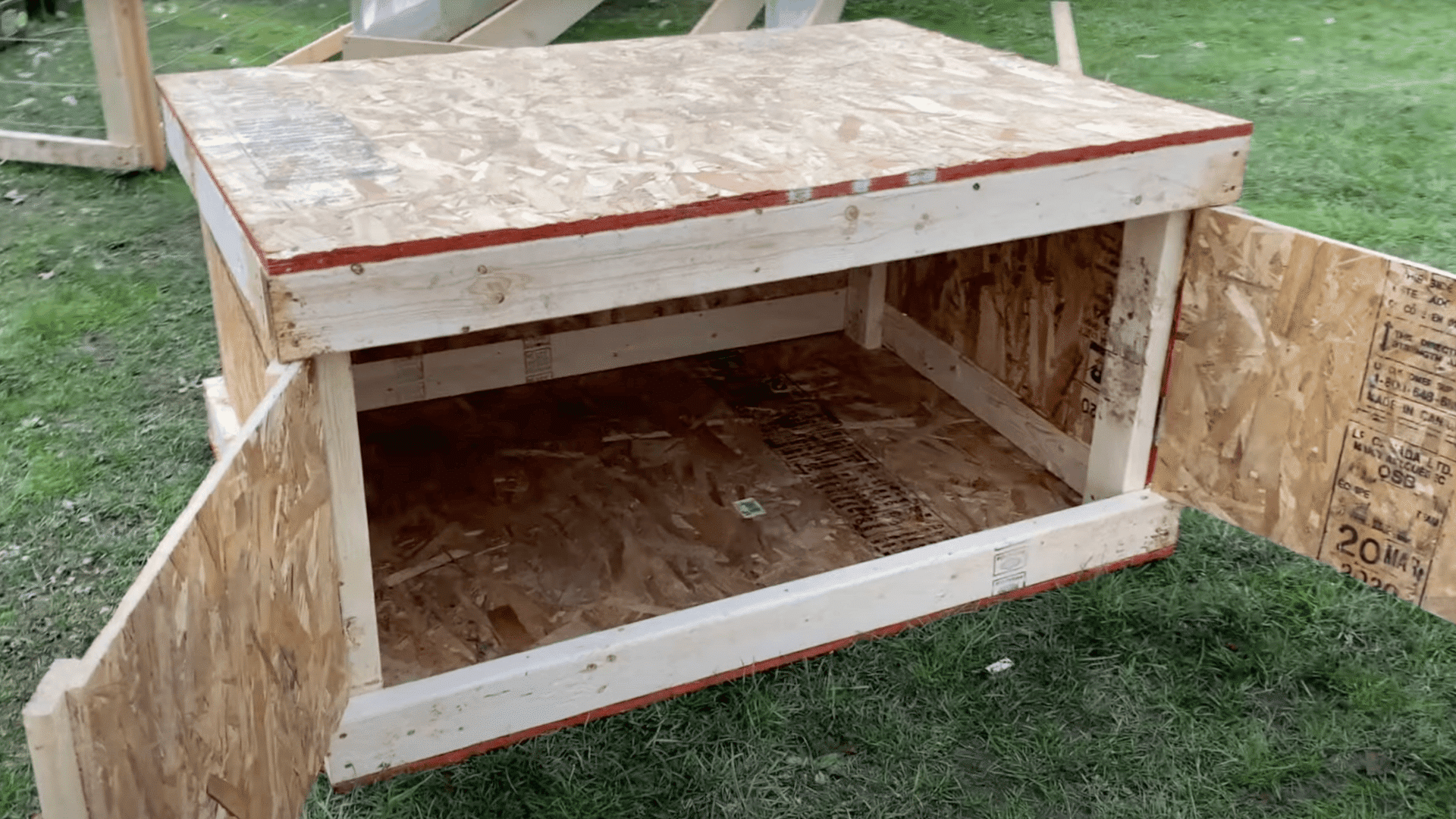
Cut a 45-inch by 17-inch panel for the front wall, then split it down the center to create double doors.
Attach hinges on both sides and add a latch or handle. This design makes cleaning simple and gives you easy access to your ducks.
Step 6: Finish & Customize
Once the structure is complete, add roofing material, paint or stain for weatherproofing, and spread straw or shavings on the floor.
Your ducks will now have a safe, comfortable, and easy-to-clean, that fits perfectly in your backyard space.
Choosing the Right Design
The design impacts safety, comfort, and durability. From A-frame builds to upcycled shelters, options are available to suit every skill and budget.
| Design Type | Pros | Cons |
|---|---|---|
| A-Frame Duck House | Easy to build, slanted roof sheds rain, lightweight | Limited vertical space |
| Lean-to / Barn-Style | More headroom, plenty of nesting space, good for flocks | Requires more lumber and time |
| Pallet / Recycled | Cheap, eco-friendly, rustic charm | Less durable if not sealed properly |
| Floating Shelters | Great for ponds, keeps ducks safe from land predators | Not practical without water access |
| Upcycled Shelters | Creative reuse of dog houses, dollhouses, or crates | Size limitations, less durable |
Each style has pros and cons, but the right one will keep your ducks safe, comfortable, and well-protected year-round.
Common Mistakes to Avoid
Even experienced keepers make mistakes. Here’s what to watch out for:
- Poor Ventilation → Leads to damp, smelly housing.
- Using Chicken Wire → Too weak to stop predators.
- No Easy Cleaning Access → Daily upkeep becomes a chore.
- Building Too Small → Ducks need more space than chickens.
- No Water Nearby → Ducks become unhealthy without access to bathing water.
Duck House Inspiration, Ideas & Costs
Looking for inspiration before starting your duck house? There are plenty of creative styles to fit any budget and backyard.
Some popular options include rustic pallet builds with green roofs, painted barn-style coops with flower boxes, floating platforms with ramps, minimalist A-frames, and even upcycled dog houses turned into duck coops.
These designs strike a balance between functionality and charm, and numerous examples can be found on Pinterest and homesteading forums.
Building costs vary depending on materials: a basic pallet build can cost $50–$100, a standard plywood build ranges from $150–$250, and a premium barn-style design can run $300 or more.
Using reclaimed or recycled materials can significantly lower expenses while adding a rustic touch.
Final Thoughts
A well-designed DIY duck house provides security, comfort, and joy for your flock.
Whether you build a simple pallet structure or an elaborate barn-style home, the key is to focus on ventilation, predator protection, and ease of cleaning.
By creating your own duck shelter, you’ll not only save money but also give your ducks a safe, cozy space that fits your yard and lifestyle perfectly.
So grab your tools, sketch a plan, and start building. The ducks are waiting!
Frequently Asked Questions
Do Ducks Need Nesting Boxes Like Chickens?
No. Ducks prefer to lay their eggs on the ground in quiet, secluded corners. A soft bed of straw is enough.
Do Duck Houses Need Perches?
No. Ducks don’t roost like chickens, they sleep on the floor.
Should I Insulate The Duck Shelter?
In cold climates, yes. Use safe insulation and ensure ventilation remains open.
Can Ducks And Chickens Share The Same Coop?
It’s possible, but ducks are wetter and messier. A separate shelter is recommended.
Do Ducks Need A Run?
Yes, if free-ranging isn’t an option. An enclosed run with access to water is ideal.