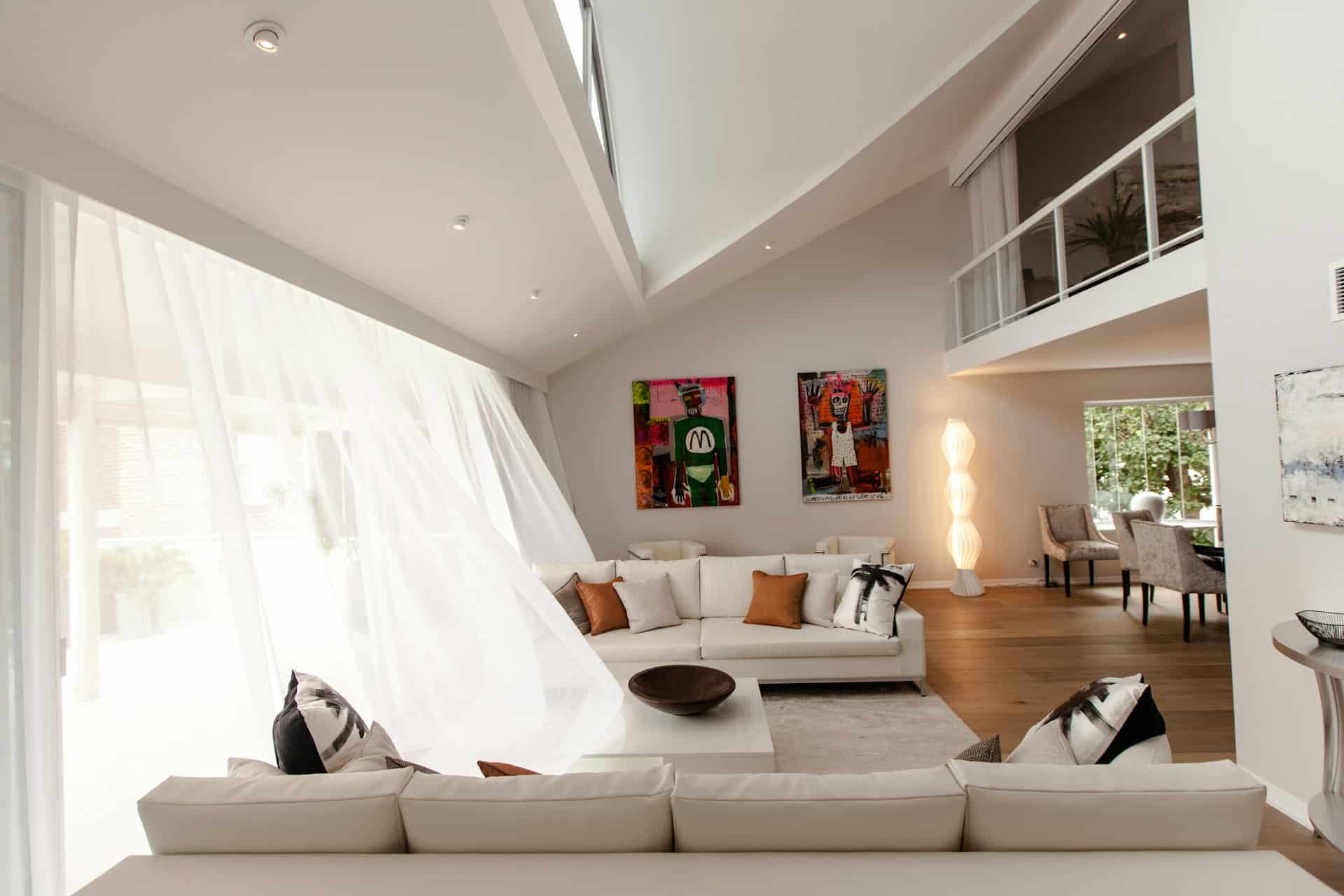

Modern living isn’t just about having more, it’s about doing more with what you already have. As housing costs climb and space becomes a premium, homeowners are reimagining how they live. The era of oversized homes and unused rooms is fading fast. In its place comes a smarter, more intentional way of designing: one that values creativity, function, and personality over sheer square footage.
Whether you live in a city apartment, a compact starter home, or a shared space, creating a home that feels fresh, functional, and yours doesn’t have to mean draining your savings. With a bit of strategy and imagination, anyone can build a space that reflects modern living: smart, personal, and beautifully efficient.
The New Meaning of Smart Living
When we think of “smart homes,” technology often takes center stage, automated lighting, underfloor heating, digital thermostats, voice-activated everything. But smart living today goes deeper. It’s about designing spaces that work intelligently for your lifestyle, adapting to your needs without unnecessary clutter or cost.
For many modern homeowners, that means multifunctional rooms. Dining areas that double as workstations. Living rooms that convert into guest spaces. Even balconies transformed into cozy outdoor offices. Every square foot serves a purpose.
It’s not just about efficiency, it’s about flexibility. Smart design embraces change, allowing a home to evolve as life does. That adaptability makes modern living not just practical, but also empowering.
Designing with Intention: Every Detail Counts
Intentional design starts with asking a simple question: What do I really need from my space?
When you identify how you use each room daily, you begin to see what adds value and what takes it away. A wall-mounted desk may free up room for exercise. A mirror might make a tight space feel open and airy. Even rearranging existing furniture can make a room flow better.
Color plays an understated but powerful role. Lighter tones amplify natural light, while accent walls add personality without major cost. Layering textures, like soft fabrics against sleek surfaces, creates balance and warmth.
Intentional design is not about copying trends; it’s about reflecting your rhythm. Whether you thrive in clean minimalism or cozy maximalism, the goal is a space that feels cohesive and honest to who you are.
Small Changes, Big Impact
You don’t need a massive renovation to transform your home. Small upgrades can have a surprisingly large effect on how a space feels and functions.
Swapping outdated light fixtures for modern, energy-efficient ones can immediately lift a room’s atmosphere. Repainting cabinets in the kitchen or adding new hardware gives a refreshed look without the expense of remodeling. Even rearranging your art or replacing bulky curtains with sheer panels can change a room’s entire mood.
Sustainability is also shaping how people approach upgrades. Thrifting, repurposing, and upcycling aren’t just eco-friendly, they’re creative outlets. Mixing new and vintage pieces adds character that store-bought décor often can’t replicate.
A smart space isn’t measured by its price tag, but by how well it reflects your identity. When every corner tells a story, even small changes feel significant.
Funding Transformations Wisely
Of course, not every home improvement project fits into a weekend budget. When larger updates, like adding a home office, updating flooring, or renovating a kitchen, are on the horizon, financial planning becomes part of the design process.
While some homeowners save and renovate gradually, others explore flexible financing options that allow them to start sooner. Many choose to apply for a HELOC loan to fund substantial improvements using their home’s equity. It’s a practical way to invest in their property while maintaining control over their financial timeline.
Regardless of the approach, the focus remains the same: improving quality of life and making the space feel aligned with the homeowner’s evolving needs.
Emotional Design: How Space Impacts Well-Being
Beyond function and aesthetics, the spaces we live in deeply affect how we feel. Cluttered rooms can amplify stress. Dark corners can make a home feel smaller or closed in. On the other hand, open layouts, natural light, and personal touches tend to boost mood and calm the mind.
Design psychologists often note that environments influence behavior. A thoughtfully designed workspace encourages focus; a cozy reading nook invites relaxation. Creating designated “zones” for different activities helps structure daily life, especially when home doubles as an office, gym, and social hub.
The key is balance. A home that feels good to live in isn’t necessarily perfect, it’s lived-in, evolving, and filled with elements that inspire comfort and creativity.
Community Inspiration and Shared Creativity
Across cities and college towns, communities are embracing shared spaces and collaborative creativity. From co-living setups with communal kitchens to neighborhood makerspaces, the idea of “home” is expanding beyond personal walls.
These collective environments encourage connection and exchange, sharing tools, ideas, and even design tips. They show that home design doesn’t have to be a solitary project; it can be a shared journey toward better living.
For modern homeowners and renters alike, the message is clear: your environment should support your goals and your community. The more intentional the space, the more fulfilling the experience of living in it.
Bringing It All Together: The Art of Living Smart
Designing a smart, stylish, and affordable home isn’t about following rigid rules, it’s about aligning your space with your values. It’s choosing authenticity over excess, creativity over conformity.
Start with what you have. Add pieces that mean something. Invest thoughtfully when you can. And most importantly, allow your space to change as you do. The smartest living isn’t just efficient, it’s deeply personal.
Your home should tell your story, one intentional choice at a time. And when it does, even the smallest apartment or simplest renovation feels like a masterpiece in progress.