
Planning bridesmaid dresses is one of the most important—and sometimes most delicate—parts of wedding coordination. From deciding who covers the cost to choosing colors that suit everyone, bridesmaid dress etiquette is really about balance: respecting the bride’s vision while making sure the bridal party feels comfortable, confident, and included.
Modern weddings are more flexible than ever, and today’s bridesmaid dress etiquette reflects that shift. Rather than rigid rules, the focus is on communication, thoughtful planning, and smart coordination.
Who Pays for Bridesmaid Dresses?
One of the most common questions around bridesmaid dress etiquette is simple: who pays?
While traditions vary, current guidance emphasizes clarity and affordability over strict expectations. In many weddings today, bridesmaids purchase their own dresses, which makes transparency around budget especially important.
Best Practices Around Payment
When bridesmaids are paying for their own dresses:
- Choose styles that are reasonably priced
- Offer flexibility in silhouettes or fabrics
- Communicate expectations early
Brides who want to reduce stress often select dresses that balance style and budget, ensuring everyone can comfortably participate without financial pressure.
Some couples may choose to cover the cost fully or partially, but regardless of who pays, the key etiquette principle is clear communication before shopping begins.
How to Pick Bridesmaid Dress Colors
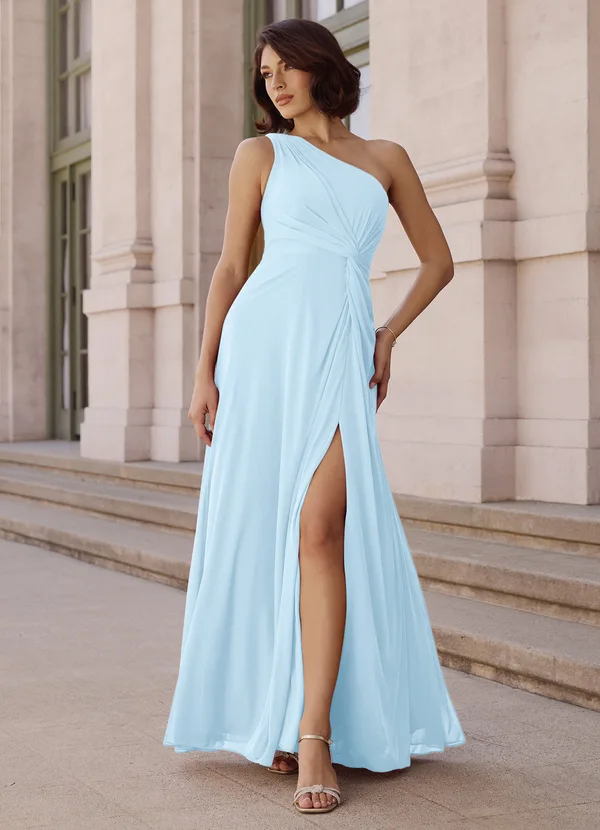
Color selection plays a major role in the overall wedding aesthetic. Bridesmaid dress etiquette encourages choosing shades that complement the wedding theme, venue, and season—while still flattering a diverse bridal party.
Classic and Timeless Color Choices
Certain colors consistently appear in bridesmaid collections because they work across many settings:
- Black for formal or evening weddings
- Blush and champagne for classic or romantic themes
- Dusty blue and sage green for outdoor, garden, or beach weddings
These tones photograph well, pair easily with florals, and feel cohesive without overpowering the bride’s look.
Seasonal Color Considerations
Color choices often reflect the time of year:
- Spring and summer weddings lean toward softer, lighter shades
- Fall and winter weddings often feature deeper tones like emerald, burgundy, or navy
Matching color to season helps the bridal party look intentional and well coordinated.
The Rise of Mismatched Bridesmaid Dresses
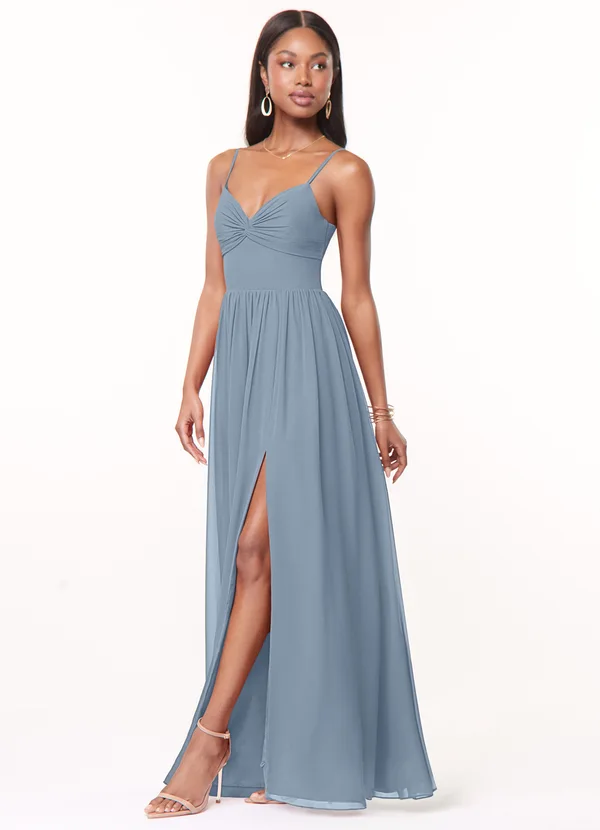
One of the most noticeable changes in modern bridesmaid dress etiquette is the popularity of mismatched bridesmaid dresses.
Instead of every bridesmaid wearing the same dress, mismatched styling allows:
- Different silhouettes
- Slight variations in color
- Individual comfort and body-type consideration
How to Do Mismatched Dresses Correctly
Successful mismatched bridesmaid dresses still follow a cohesive plan:
- Keep the color palette consistent
- Choose one fabric across all dresses, or coordinate complementary fabrics
- Set guidelines for length (all long or all short)
This approach creates visual harmony while allowing each bridesmaid to choose a style that suits her best.
Choosing Silhouettes That Suit Everyone
Bridesmaid dress etiquette encourages selecting silhouettes that make the bridal party feel confident and comfortable.
Popular, Universally Flattering Styles
Certain styles appear frequently because they work well on a wide range of body types:
- A-line dresses, which flatter most figures
- Wrap dresses, known for adjustable fit
- Convertible styles, offering styling flexibility
Sheath and mermaid silhouettes can also be beautiful when paired thoughtfully with the right fabric and fit.
Fabric Choices Matter More Than You Think
Fabric selection affects not only how dresses look, but how they feel throughout the day.
Common Bridesmaid Dress Fabrics
Bridesmaid collections often include:
- Chiffon, lightweight and flowing
- Satin, smooth with a refined sheen
- Tulle, layered and romantic
- Velvet, rich and ideal for cooler seasons
- Mesh, soft and breathable
Choosing fabric based on venue and season is a key part of good etiquette. Outdoor weddings benefit from breathable materials, while formal indoor venues allow for more structure.
What to Avoid When Choosing Bridesmaid Dresses
Bridesmaid dress etiquette isn’t just about what to do—it’s also about what to avoid.
Common Pitfalls to Skip
- Setting a dress style without considering body diversity
- Choosing colors that clash with the wedding theme
- Ignoring comfort for long ceremonies or receptions
- Leaving dress decisions too late
Avoiding these issues helps ensure a smooth planning process and a happy bridal party.
Sizing, Fit, and Inclusivity
Inclusive sizing is a core part of modern bridesmaid etiquette. Bridesmaid dresses should accommodate:
- Petite sizes
- Plus sizes
- Maternity styles
Offering a wide size range ensures every bridesmaid feels considered and confident.
Many brides also choose free custom sizing, allowing dresses to be made to exact bust, waist, and hip measurements. This reduces alterations and improves comfort on the wedding day.
Ready-to-Ship and Timeline Planning
Timing matters just as much as style. Bridesmaid dress etiquette recommends planning early, but flexible options help when schedules shift.
Helpful Timeline Solutions
- Look for “Ships Now” dresses when timelines are tight
- Use at-home try-on programs to finalize choices
- Order swatches early to confirm color accuracy
These tools reduce stress and prevent last-minute issues.
Shopping Coordination Made Easy
Coordinating bridesmaid dresses is much easier when everyone shops from the same central hub. A shared collection allows:
- Consistent color matching
- Easy comparison of silhouettes
- Clear budget visibility
The bridesmaid dresses hub from Azazie offers a wide range of styles, colors, fabrics, and sizes, making coordination simpler for brides and bridesmaids alike.
This centralized approach supports both traditional matching looks and modern mismatched bridesmaid dresses.
Final Thoughts
Bridesmaid dress etiquette today is less about rigid rules and more about thoughtful coordination. Clear communication, inclusive sizing, flexible styling, and realistic budgets all contribute to a positive experience for everyone involved.
Whether you choose perfectly matched dresses or embrace mismatched bridesmaid dresses, the goal remains the same: creating a cohesive, beautiful bridal party where every bridesmaid feels confident and comfortable on your big day.