


Nothing feels better than climbing into a cozy bed at the end of the day. The right bedding can transform a bedroom into a serene retreat or a stylish focal point.
But when it comes to choosing, things can get confusing. Bedspread? Comforter? Quilt? Duvet? Coverlet? They all sound similar, yet each has its own purpose.
Some are light and breezy, others thick and snug. Some focus on decoration, while others prioritize warmth and comfort. Knowing the difference makes shopping easier and helps you get a better night’s sleep.
This guide breaks it all down, making the choice feel simple. By the end, finding the perfect layer for comfort, climate, and style will feel effortless.
What is a Bedspread?
A bedspread is a single-layer covering that drapes over the entire bed and usually reaches the floor. It is lightweight and mainly decorative.
Bedspreads are best suited for warmer climates or when you want a sleek, tidy look for your bed. They provide only a modest amount of warmth, so they’re more about style than insulation.
What is a Comforter?
A comforter is a thick, fluffy blanket filled with down, synthetic fibers, or down alternatives. It is designed to keep you warm and cozy, especially in colder weather.
Comforters cover the top and sides of the bed, but not all the way to the floor. They are plush, inviting, and often used as the primary source of warmth in winter.
Bedspread vs Comforter: At a Glance
Here’s a quick comparison if you want the essentials in seconds:
| Feature | Bedspread | Comforter |
| Weight | Lightweight | Medium to heavy |
| Warmth | Low to moderate | High |
| Coverage | Floor-length | Mattress-sized |
| Best Season | Summer / warm climates | Winter / cold climates |
| Care | Easy to wash at home | May require a large washer or dry cleaning |
| Best For | Sleek, decorative finish | Cozy warmth and volume |
Choose a bedspread for a neat look in warm weather, or a comforter for plush warmth during chilly months.
Bedspread vs Quilt vs Comforter vs Duvet vs Coverlet
With numerous bedding options available, it’s helpful to understand how each differs in terms of style, warmth, and intended use. Here’s a quick guide to the most common types.
Bedspread

A lightweight, decorative cover that drapes to the floor. Best for warm weather or a polished, hotel-style look. Provides minimal warmth and is often used for style rather than insulation.
Quilt
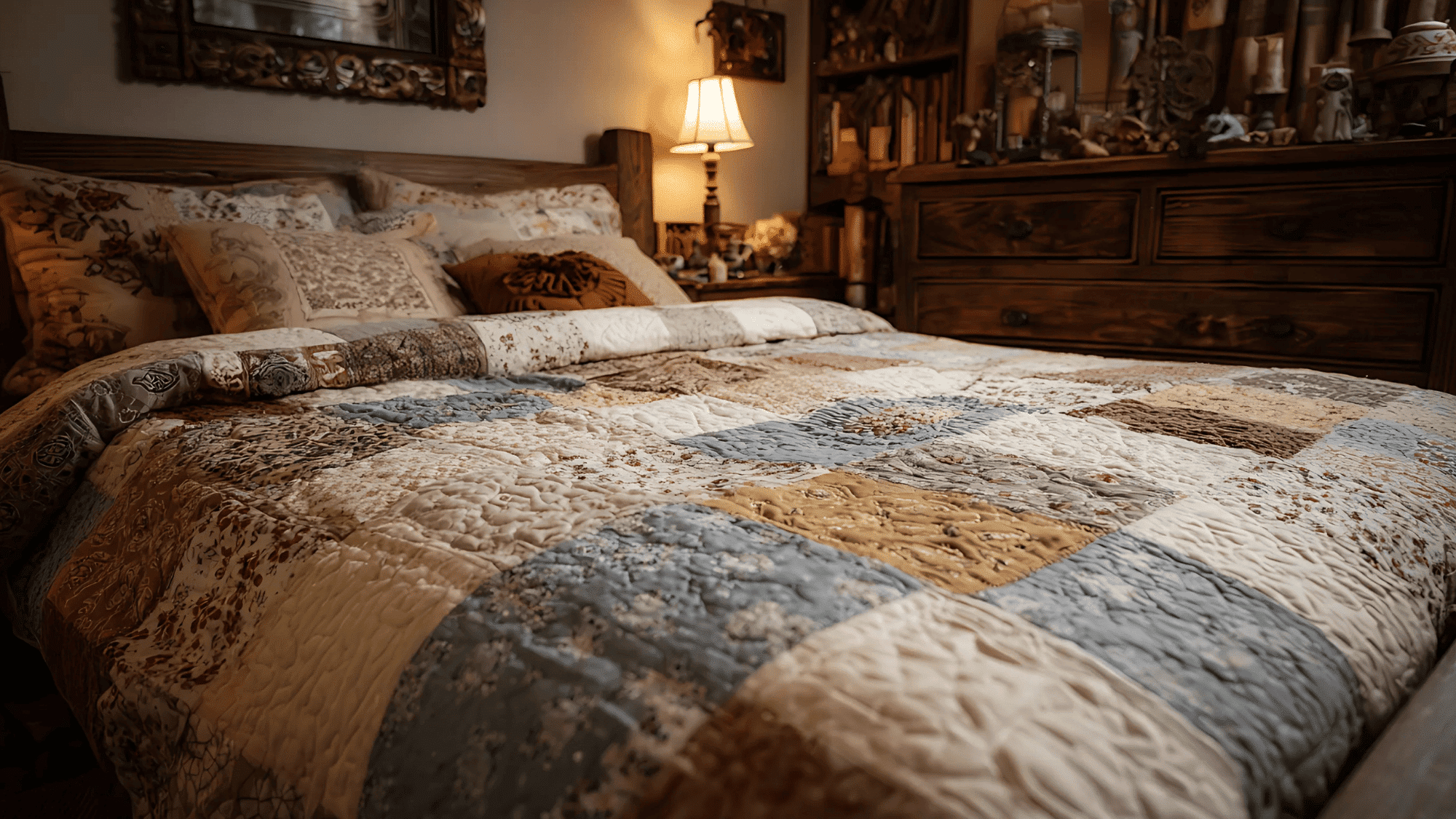
Made from three stitched layers: top, batting, and backing. Thinner than comforters but warmer than bedspreads. Often decorative with patchwork or stitching, these pieces are suitable for mild climates or layering.
Comforter

Thick, fluffy, and filled with down or synthetic fibers. Designed to provide warmth and coziness, making it ideal for cold climates and often sold as part of a bedding set.
Duvet
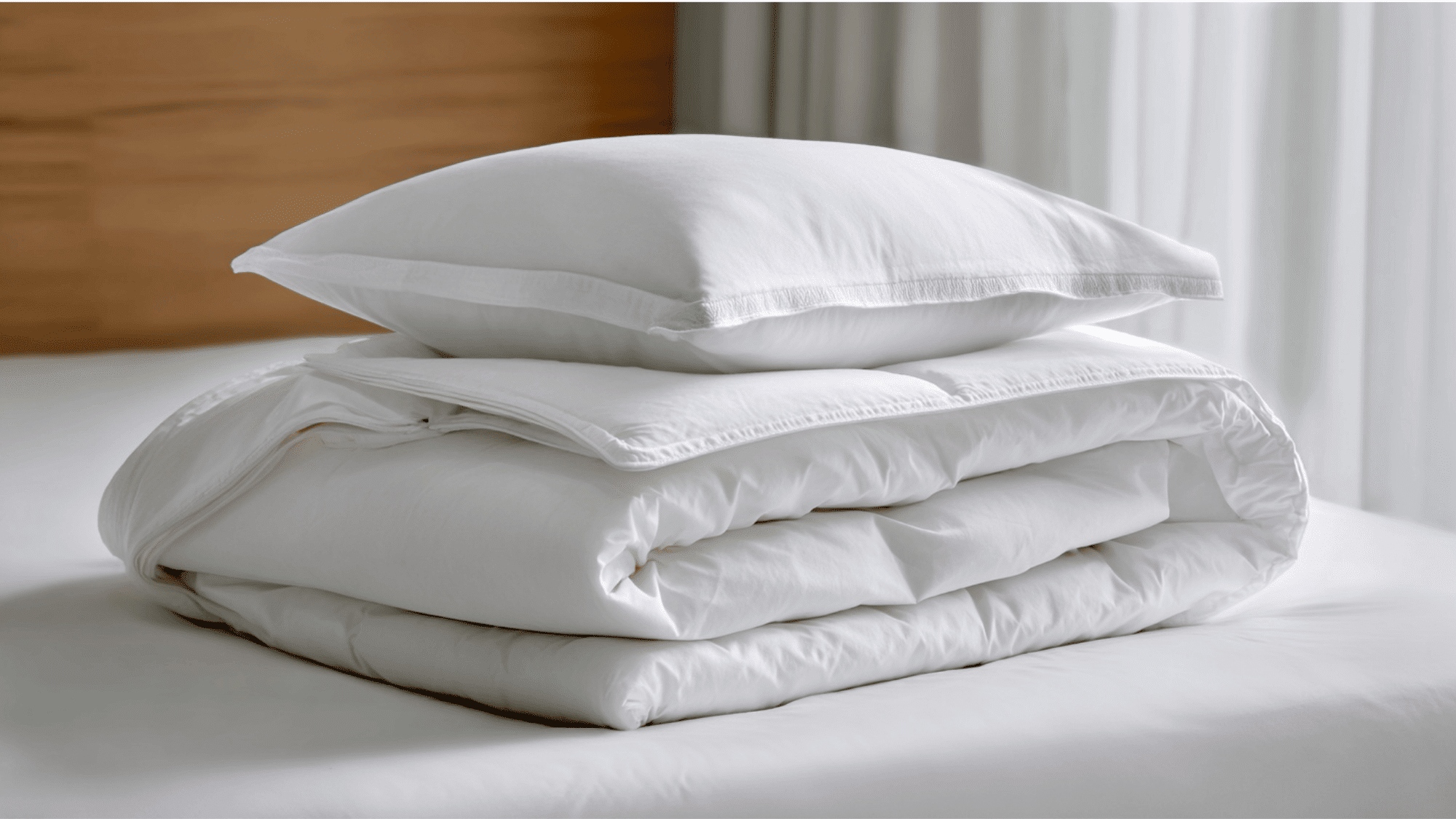
Similar to a comforter, but always used with a removable cover. Easy to clean and change styles by swapping covers. Lofty, warm, and perfect for winter.
Coverlet
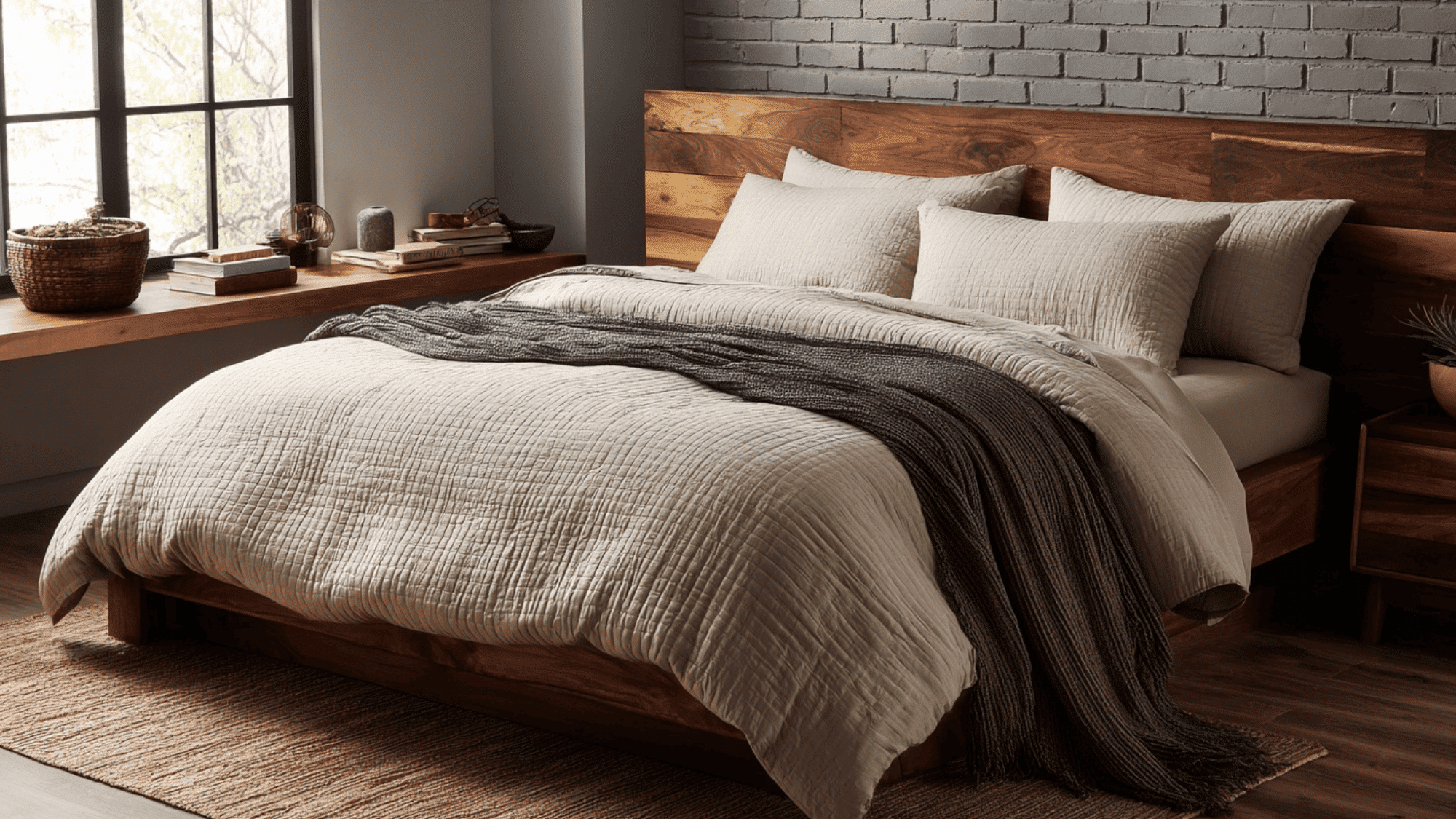
A smaller, lighter version of a bedspread that doesn’t reach the floor. Mostly decorative but useful for layering. Works well in warmer climates or as an accent piece.
Bedspreads and coverlets focus on style and light coverage, while quilts strike a balance between decoration and moderate warmth. Comforters and duvets. Your choice depends on the climate and the desired look for your bedroom.
Pros and Cons of Bedspreads vs Comforters
When deciding between a bedspread and a comforter, it helps to weigh their strengths and drawbacks side by side. Each offers unique benefits depending on your climate, comfort needs, and style preferences.
Bedspreads
- Pros: Lightweight and breathable, making them ideal for warmer seasons or hot climates. They are easy to wash at home in a standard machine and provide a polished, hotel-like look with their floor-length coverage.
- Cons: Bedspreads offer little insulation, so they are not warm enough on their own in colder months. Their light fabric can wrinkle easily, which may require extra care to keep it looking smooth and wrinkle-free.
Comforters
- Pros: Thick and fluffy, designed to provide warmth and coziness during cold nights. They add a soft, inviting, layered appearance to the bed and come in a wide variety of fabrics, fills, and styles to suit different décor.
- Cons: Comforters are bulkier, which makes them harder to clean and often requires a large-capacity washer or dry cleaning. They can also feel too hot in warm climates or for people who naturally sleep warm.
Bedspreads excel in warm-weather style and simplicity, while comforters shine in warmth and coziness. Choosing the right one comes down to matching your bedding with your climate, care routine, and the desired look for your space.
Detailed Feature Breakdown
From weight and warmth to style and upkeep, each has its own strengths and limitations. Here’s a breakdown of the key features to consider before making your decision.
- Price Range: Bedspreads are usually more affordable, ranging from $40 to $150, depending on the fabric and design. Comforters can cost anywhere between $50 and $250, with higher prices for premium down fillings or luxury fabrics.
- Design and Style: Bedspreads drape neatly to the floor, creating a tailored and elegant look that’s often compared to hotel-style bedding. Comforters add volume and fluff, giving the bed a relaxed, cozy, and layered appearance that feels inviting.
- Maintenance and Care: Bedspreads are easy to wash at home using a standard machine and typically require little effort to maintain. Comforters, on the other hand, often need larger washers or dry cleaning.
By weighing these features, you can determine which option best suits both your comfort needs and your bedroom style.
Maintenance Tips
| Bedding Type | Cleaning | Storage |
| Bedspread | Machine wash on a gentle cycle | Fold and store in a cool, dry spot |
| Comforter | Dry clean or use a large washer; wash less often | Store in breathable bags to avoid moisture |
| Duvet | Wash cover regularly; insert only occasionally | Easy to swap covers for style |
| Quilt | Machine washable (unless handmade) | Folded or displayed |
| Coverlet | Low-maintenance, machine washable | Compact and easy to store |
Buying Guide: Quick Overview
In warm climates, lighter options such as bedspreads or quilts are often more practical. Their breathable fabrics make them suitable for hot weather and easy daily use.
For colder climates, heavier bedding like comforters and duvets plays a bigger role. Their insulated design helps retain warmth, creating a cozy sleeping environment.
Some bedding, such as duvets with interchangeable covers, works well across different seasons. The ability to swap covers allows for both flexibility and easier care.
When the focus is on style, bedspreads and coverlets stand out. Their neat drape and decorative finish bring a polished, elegant look to the bedroom.
Final Thoughts
Every type of bedding brings something different to the table. Bedspreads and coverlets keep things light and stylish. Quilts add charm and a little warmth.
Comforters and duvets wrap you up in softness when the nights turn cold. There is no single correct choice; it depends on the season, the climate, and the feel you want for your room.
Think about whether style, coziness, or flexibility matters most, and let that guide your decision. The best bedding is the one that makes your bed look inviting and helps you sleep soundly.
FAQs
Can I Use a Bedspread and Comforter Together?
Yes, layer a bedspread over a comforter for added style and warmth.
Is a Duvet the Same as a Comforter?
Not quite. A duvet typically requires a removable cover, whereas a comforter is a single piece of fabric.
Which is Easier to Maintain?
Bedspreads are generally easier to clean, while comforters may require dry cleaning or a large washing machine.
Which is Best for Kids?
Bedspreads are lighter, washable, and less bulky than comforters.