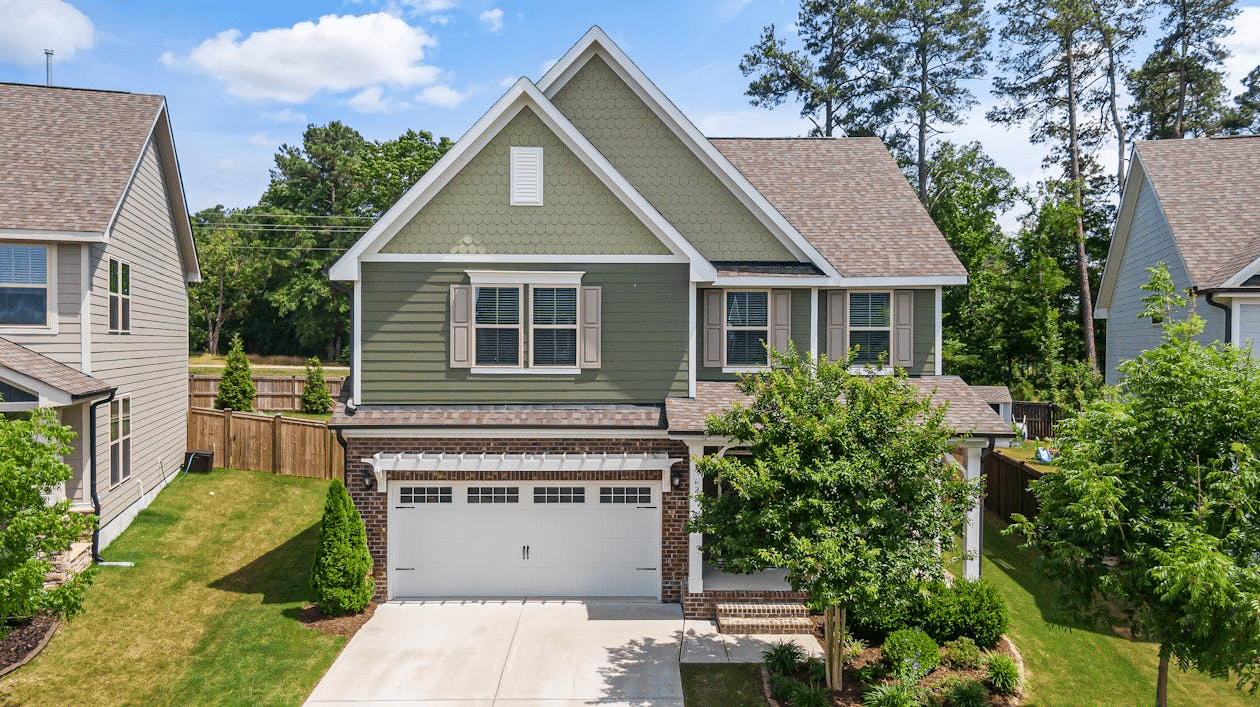
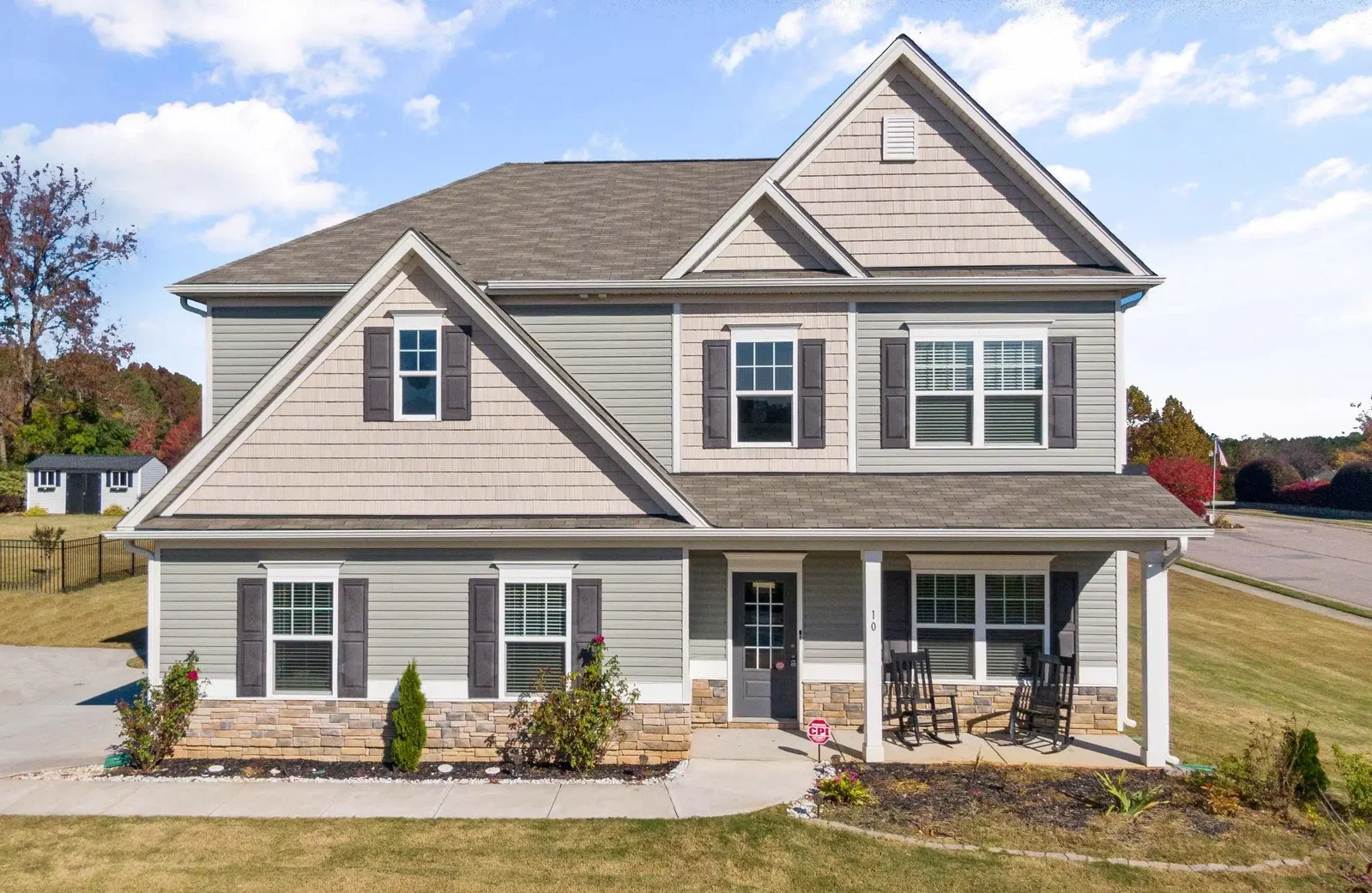

A new roof can strengthen a home’s resale position, but the value comes from more than having fresh shingles. Buyers care about whether the roof removes a near-term expense, reduces uncertainty during inspection, and is built to handle Denver’s hail, snow, strong sun, and temperature swings.
For homeowners considering Denver roofing before a sale, trusted roofers serving Denver should be able to explain whether replacement actually solves a problem buyers are likely to notice. The best return usually comes when the existing roof is clearly worn, storm-damaged, repeatedly repaired, or likely to become a negotiation issue.
A New Roof Can Remove a Major Buyer Objection
An aging roof can make buyers hesitate even when it is not leaking. They may immediately start estimating replacement costs, wondering about prior hail damage, or worrying about what an inspection will uncover. Denver roofing replacement can remove that uncertainty when the existing roof already has widespread granule loss, brittle shingles, several repair areas, or recurring leaks.
The benefit is not necessarily that buyers will pay the full replacement cost on top of the asking price. More often, the roof makes the home easier to evaluate and reduces the chance that buyers use expected roofing work to negotiate a larger discount.
Condition Matters More Than the Roof’s Age
Replacing a roof simply because it has reached a certain age can be poor use of money. A Denver roofing system with flexible shingles, sound flashing, dry decking, and only limited wear may still have useful service life. A younger roof with repeated hail exposure, cracked ridge caps, heavy granule loss, and several patched areas may be a bigger concern.
Before deciding on replacement, document actual condition by slope and identify whether damage is isolated or spread throughout the system. That gives homeowners a stronger basis for deciding whether targeted repair will support the sale or whether replacement is more likely to remove a future inspection problem.
Denver Weather History Can Influence Buyer Confidence
Denver homes regularly face hail, strong UV exposure, snow, and freeze-thaw cycles, so buyers may pay closer attention to storm history than they would in a milder climate. A Denver roofing system that has gone through several hail events without documented inspections or repairs can create questions even if it looks acceptable from the ground.
If the roof has been inspected after major storms, keep those reports and repair records. If replacement is completed, document the material used, installation date, and any impact-resistant features. Clear records give buyers something concrete to review instead of leaving them to assume the worst about past weather exposure.
Inspection Findings Can Change a Sale Quickly
Roof issues discovered during a buyer’s inspection can lead to repair requests, closing credits, price reductions, or delays. Missing shingles, active leaks, deteriorated flashing, soft decking, and widespread hail damage can become negotiation points late in the process when sellers have less time to compare options.
Denver roofing homeowners preparing to list can reduce that risk by having the roof assessed before the property goes on the market. If the problems are small, they can be addressed ahead of time. If replacement is likely, homeowners can make the decision without working against a closing deadline.
Material Choice Should Support Resale, Not Overcomplicate It
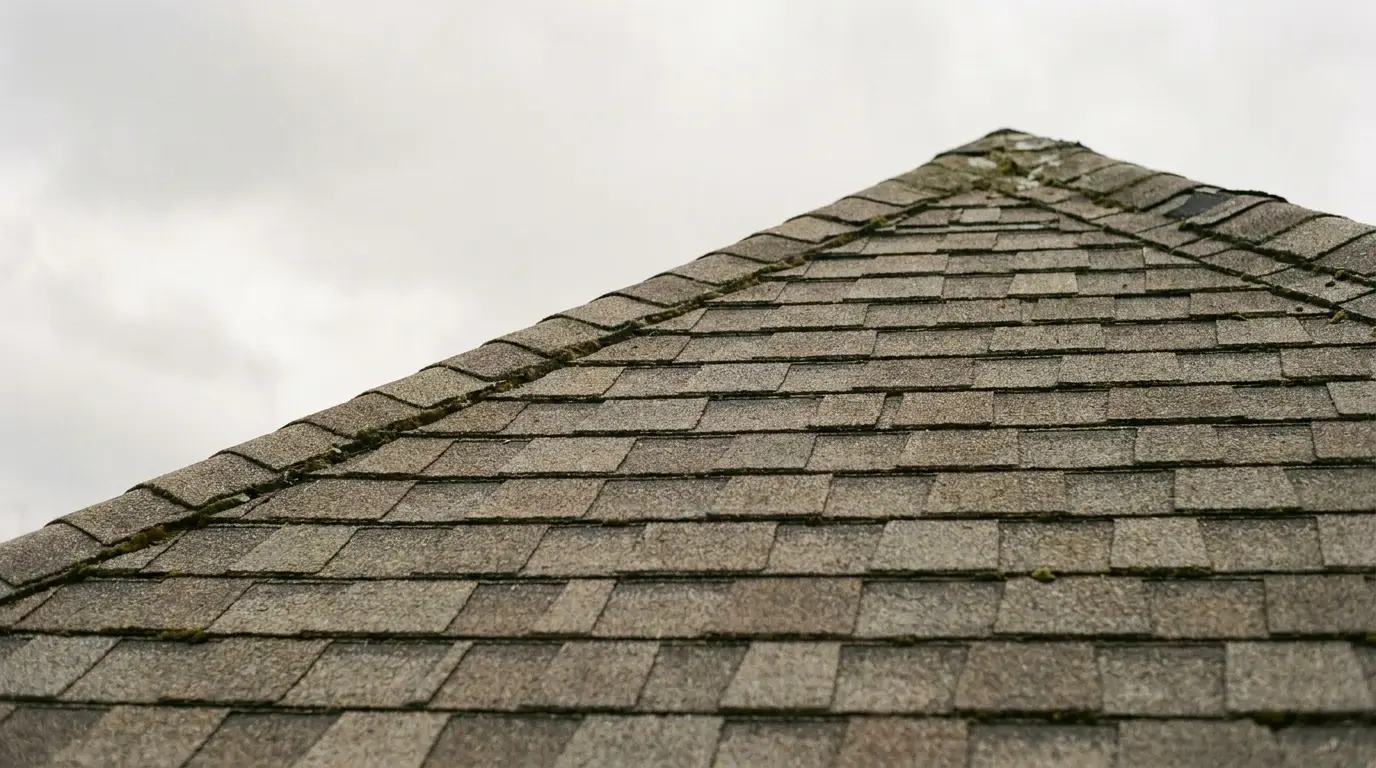
If replacement makes sense, choose materials that fit the home and Denver conditions rather than paying for features buyers may not value. Architectural asphalt shingles with appropriate wind and impact performance are often easier for buyers to understand than highly specialized upgrades.
For Denver roofing, impact resistance can be worth comparing because hail is a real local concern, but homeowners should still evaluate the added cost, warranty terms, and installation requirements. Neutral colors that work with the home’s brick, siding, and trim usually provide broader appeal than unusual designer colors that may limit future exterior choices.
Hidden Roof Details Matter During Inspection
A new roof does not create much resale confidence if flashing, decking, or ventilation problems remain underneath it. During Denver roofing replacement, the contractor should inspect the deck after tear-off, replace damaged wood where necessary, review flashing at walls and penetrations, and confirm that attic ventilation is functioning properly.
These details may not appear in listing photos, but they can surface during inspection or create problems for the next owner. If homeowners are already investing in replacement, correcting the hidden weaknesses at the same time usually provides more value than spending the same money on cosmetic upgrades.
Documentation Makes the New Roof More Valuable
Buyers are more likely to trust a recent roof when the paperwork is complete. Denver roofing homeowners should keep the final invoice, installation date, manufacturer and product information, workmanship warranty, manufacturer warranty, permit records where applicable, and photos of completed work. If warranty coverage can transfer to the next owner, confirm the transfer process before listing.
This documentation helps buyers understand exactly what was installed and gives them a clear contact point if a problem develops later. A seller who can prove the roof was completed properly is in a stronger position than one who can only say it was “recently replaced.”
Do Not Expect Every Roofing Dollar Back in the Sale Price
Roof replacement can improve marketability without returning every dollar directly through a higher sale price. The financial value may come from avoiding concessions, reducing buyer objections, shortening negotiations, or preventing the roof from disrupting closing.
That is why Denver roofing replacement makes the most sense when the existing roof is already a likely liability. Replacing a healthy roof purely to advertise it as new may produce limited return. Homeowners should compare the expected cost of leaving the roof as-is, including likely repair requests or buyer discounts, against the cost and benefits of replacing it before listing.
Use Your Sale Timeline to Decide What Makes Sense
The right choice changes depending on when you expect to sell. If the home will be listed within months, Denver roofing work should focus on removing known inspection problems and making the roof easy for buyers to understand. If you plan to stay several more years, replacement may provide value both through current ownership and eventual resale.
In either case, compare remaining roof life, repair history, storm exposure, material condition, and likely inspection findings. A roof with one repairable flashing issue is very different from one with brittle shingles and recurring damage across multiple slopes.
Turn the Roof Into an Asset, Not a Negotiation Problem
A new Denver roofing system can support home value when it solves a problem buyers would otherwise inherit. The strongest projects replace a genuinely worn or damaged roof, correct hidden weaknesses during installation, use materials suited to Denver weather, and leave behind clear documentation for the next owner.
If the current Denver roofing system is still healthy, maintaining it may be the better financial decision. If repairs are becoming frequent or the roof is likely to raise concerns during inspection, replacement can remove one of the largest uncertainties in the transaction. The goal is not simply to advertise a “new roof,” but to give buyers confidence that the Denver roofing system is unlikely to become their first major expense after moving in.