

Space in a small student apartment or room often fills up quickly. With all your textbooks, clothes, electronic devices, kitchenware, etc. and other items from home, a small area can quickly become overcrowded even with the smallest amount of furniture and personal items.
Whether you live alone or share an apartment with fellow students, we have some words of wisdom for students of all ages studying in the Houston area. Even if you live near campus or are a home study student, these simple ideas to better organize your space will make a big difference to your lifestyle.
It’s not necessary to create the perfect room but rather a room to study, to rest, to sleep, and to have leisure time in. And all this without having to move tons of stuff around all the time.
Start With What You Actually Use
Take stock of what you already have at home.
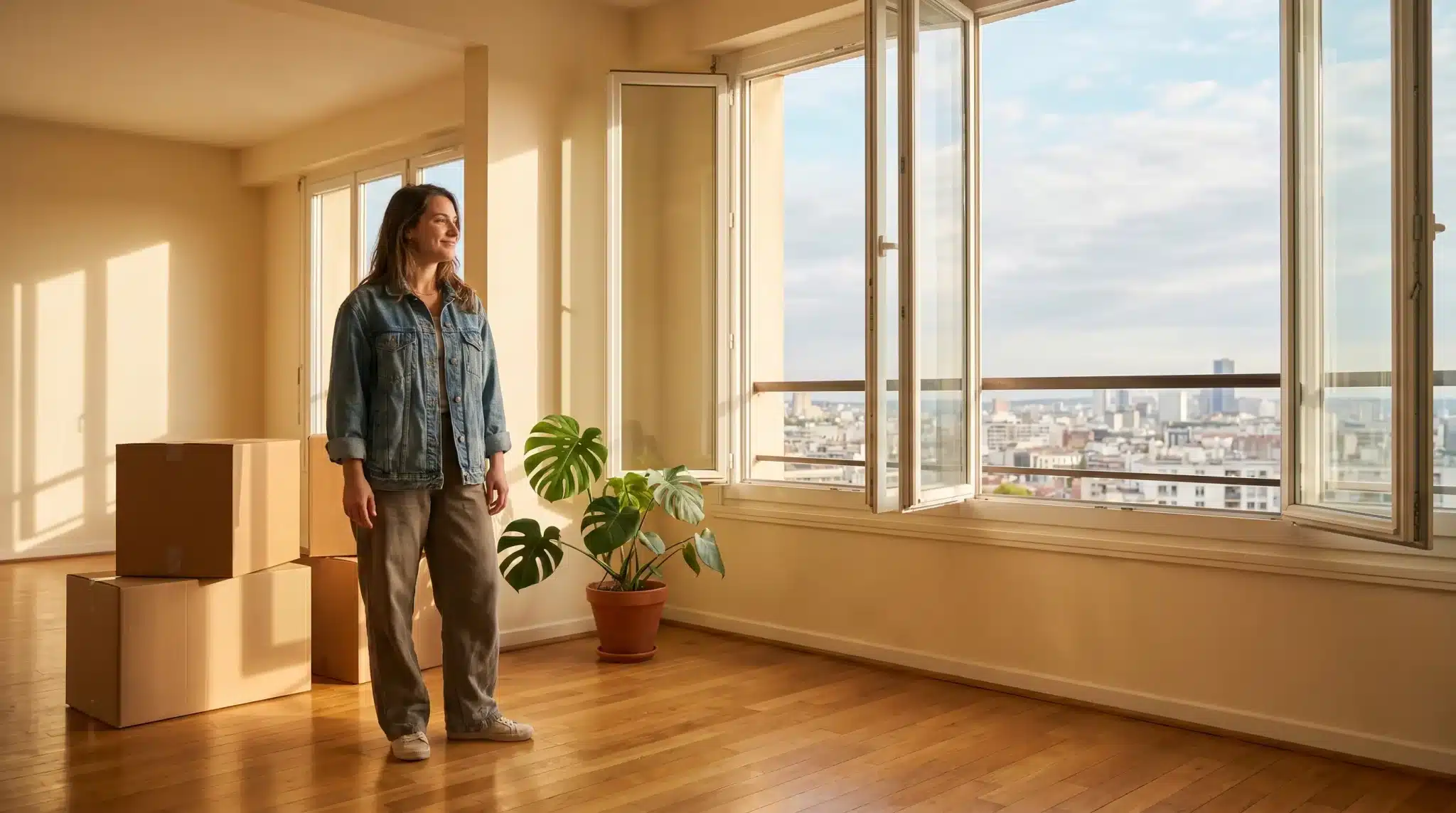
Moving to a new place can mean students bringing a lot of items to their home. For example, they might bring winter and summer clothes, old school books and additional items for the kitchen that their parents bought at home.
First, sort all items into three categories: items you use regularly, items you use from time to time, and items you no longer need.
Daily used articles should be stored in the easiest to reach positions in the room and less frequently used articles can be placed higher up on shelves in the room or even in storage spaces under the bed. Items which you no longer need should be thrown away and donated to others who might also need them or even sold.
Being a minimalist is not necessary but it is helpful to remember that everything in your home is something you want or need..
Make Every Inch Count
When floor space is limited, look upward.
Walls can provide valuable storage without taking up floor space. Shelves can hold books, school supplies, toiletries, or personal items, while hooks can keep backpacks, jackets, and headphones off chairs and floors.
The space underneath your bed can also be useful. Low containers can hold extra bedding, shoes, seasonal clothing, or other belongings you do not need every day.
Do not overlook doors. Over-the-door organizers can provide space for shoes, accessories, cleaning supplies, and smaller items.
At the same time, do not fill every empty corner. Some open space can make a small room feel larger and easier to navigate.
Create a Dedicated Study Zone
Even in bedrooms or apartments with other functions, it is best to create a study area.
You do not have to have a big desk to create a study space. A small table or even a corner with a desk can be sufficient to study with your laptop and notebooks.
Place frequently used supplies in the same area. This will prevent pens, chargers, headphones, etc. from becoming part of the mess on your desk or floor.
Students at the University of Houston-Downtown have access to academic support and other student resources, while a well-organized study area at home can provide a convenient place to work between classes.
Try to clear your desk after each study session. Starting with an organized surface can make it easier to concentrate the next time you sit down.
Keep Seasonal and Rarely Used Items Out of the Way

In small living spaces, it can be challenging to decide what to keep in the apartment and what to bring in.
It’s surprising how extra items such as extra bedding, luggage, sports equipment, additional furniture and decorations, old textbooks, and items left at home can easily fill up a small space even when you intend to use them from time to time.
When you are a student, you can move many times between semesters, between apartments or even go back home for a while. You can easily accumulate everything from your closet in one small space, and then it becomes really hard to decide what you really need and what you just keep because you want to.
When a small apartment doesn’t have room for everything you want to keep, secure self storage in Houston Heights can provide a practical solution for belongings you don’t need every day. Students living in or around Houston Heights can use separate storage for seasonal clothing, luggage, extra furniture, or other occasional-use items, leaving more room in their apartment for everyday life.
The important thing is to choose storage based on your actual needs. Moving clutter elsewhere only helps if you first decide which belongings are worth keeping.
Give Everyday Belongings a Permanent Home
Small spaces get messy quickly when belongings don’t have designated places.
Decide where you will put your keys, your backpack, and your shoes. Charge your devices together in one place, like a drawer, instead of having them spread out across your desk and on your nightstand.
For school supplies, the same rule can apply with a small drawer organizer that holds pens, highlighters, sticky notes, and cables, etc. in separate sections.
Make sure it is easy to put away. The easier something is to put away the more likely you are to do it.
It’s especially important to organize areas used by roommates. Establish simple ways to store items such as kitchen supplies, cleaning materials, and other shared items to avoid conflicts.
Make One Space Serve Multiple Purposes
Students rarely have enough room to give every activity its own area.
Think about how one piece of furniture can serve several purposes. A desk can be used for studying during the day and eating in the evening. An ottoman can provide seating while holding blankets or other belongings. A bed can become a comfortable reading spot, while the space underneath provides storage.
Furniture with built-in storage can be useful, but choose pieces that fit comfortably into the room and serve a purpose you genuinely need.
Keep Your Kitchen Simple
A small kitchen can become crowded almost as quickly as a bedroom.
Keep the things you use most often within easy reach. Plates, mugs, utensils, and basic cooking tools should not be buried behind items you rarely use.
Try not to collect duplicate appliances and gadgets unless you genuinely use them. Students sharing a kitchen can also agree on which items should be communal and which belong to individual roommates.
If cabinet space is limited, shelf risers can create additional levels without requiring major changes.
Keeping counters relatively clear will make a small kitchen feel more spacious and make meal preparation easier.
Create a Ten-Minute Reset
Organization doesn’t have to become another major task on your schedule.
End your day with a 10 minute ‘tidy up’ to stop things getting out of hand and becoming a massive cleaning task. Get your clothes put away, wash any dishes and return them to the kitchen, wipe down your work surface and put away anything that’s been used and left out to collect dust.
Set yourself a small organization goal for each week, i.e., clear out and organize your closet one week and then sort out your desk or your bathroom cabinets the following week.
It is easier to make small changes to your home on a regular basis rather than waiting until your whole home needs a clear-out.
Make the Space Feel Like Home
An organized room should still have personality.
Add some personal touches to your newly organized space such as photographs, plants, posters, books and more. For students living away from home for the first time, it can really help make their space feel more like home.
Your study environment can also benefit from natural elements. Research on nature in student study environments has found promising associations with student well-being, although the evidence is not strong enough to draw firm conclusions.
You do not need to fill your room with plants. A small plant, some natural light, or simply a less cluttered desk can make the space feel more inviting.
Final Thoughts
It is possible to create a small study space that contains space for relaxation, sleep and for socializing with friends.
Begin with the thought that you only wish to keep items which you actually use or which are of value to you. Utilize your walls and mask away hidden storage spaces to put away things that you rarely use. Ensure that all items left in everyday use are left in their ‘designated homes’ and opt for ‘multi-functional’ furniture wherever possible.
You can choose to keep items that you don’t use often but would like to keep, and find alternative storage for them to free up space for more frequently used items.
Last but not least: When choosing your organization system, opt for one that is suitable for you and that does not make your student life even more complicated.