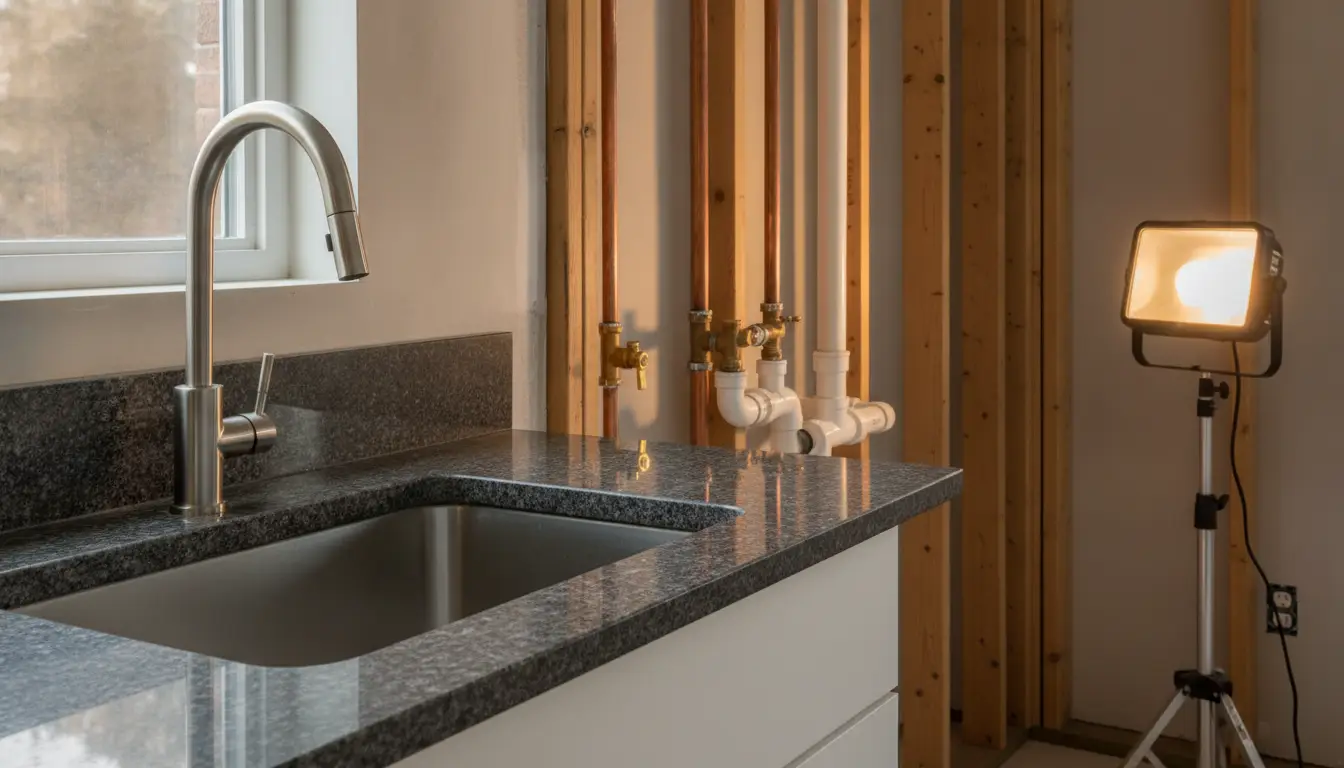


If you’re planning a renovation, the exciting part usually gets all the attention: new floors, fresh paint, upgraded fixtures, maybe even a kitchen that doesn’t look frozen in 2009. The expensive part often sneaks in later. Small planning errors can trigger delays, budget creep, and repairs that undo your hard work. If you want your project to look good and hold up, it helps to know where renovations commonly go sideways before you swing the first hammer.
Starting Without a Real Scope of Work
A renovation can fall apart fast when you only have a loose idea of what you want. “Update the bathroom” sounds clear until you realize that could mean tile, plumbing, lighting, ventilation, waterproofing, and layout changes. Each piece affects cost, timing, and who you need to hire.
Choosing Materials Based Only on Looks
A material can look amazing in a showroom and perform terribly in your actual home. Glossy surfaces show every fingerprint. Trendy open shelving collects dust like it’s a side hustle. Delicate flooring may not survive pets, kids, or heavy foot traffic.
When you compare materials, think beyond color and style. Ask how they handle moisture, impact, sunlight, stains, and regular cleaning. Quartz counters, for example, can be easier to maintain than natural stone. Luxury vinyl plank may make more sense than hardwood in a basement or mudroom.
Good renovation choices balance aesthetics with use. If you cook often, your kitchen needs surfaces that can take heat, spills, and constant wiping. The same logic applies to the roof, where shingle choice is judged on how it handles wind, ice, and years of sun rather than how it photographs.
Picking the wrong material there shows up as leaks and premature replacement instead of a dated look. Homeowners weighing those options often consultResnick Roofing & Contracting to assess the existing roof before committing to a product. A proper inspection tells you whether you are replacing the whole system or repairing what is already there.
Underestimating the Budget Buffer
A tight budget looks efficient on paper, but renovations rarely behave like spreadsheets. Once walls open up, surprises tend to appear. Old wiring, hidden water damage, uneven subfloors, or outdated framing can turn a straightforward job into a deeper repair project.
Set your target budget, then add a contingency buffer of at least 10 to 20 percent. For older homes, lean toward the higher end. If your house has seen decades of patchwork fixes, you’re not being dramatic by expecting a few plot twists.
You should also separate wants from must-haves before work begins. New cabinet hardware is easy to delay. Structural repair is not. A realistic budget gives you room to handle the unglamorous but necessary parts of renovation without sacrificing the whole project halfway through.
Ignoring Permits and Building Codes
Permits feel annoying until you need to sell your house, file an insurance claim, or fix unsafe work. Then they become very important, very quickly. Not every project requires one, but anything involving structure, electrical, plumbing, roofing, or major mechanical changes often does.
Check your local building department rules before work starts. Code requirements can affect stair dimensions, outlet placement, ventilation, insulation, egress windows, and more. Skipping this step may lead to fines, failed inspections, or forced rework.
You also want licensed professionals for jobs where mistakes carry real safety risks. DIY has its place. Repainting cabinets? Go for it. Rewiring a panel with confidence and a YouTube tab open? That’s a hard no. A legal renovation usually runs smoother because the work has to meet standards from the start.
Overlooking Moisture and Ventilation Problems

A beautiful renovation won’t last long if moisture control is poor. Bathrooms, kitchens, basements, laundry rooms, and attics are especially vulnerable. Steam, leaks, and trapped humidity can damage paint, flooring, drywall, and framing long before the room starts looking “off.”
You should check for existing moisture issues before cosmetic work begins. Look for peeling paint, musty smells, warped trim, staining, or condensation. Then plan proper ventilation, waterproofing, and drainage into the remodel itself.
In bathrooms, that may mean a correctly sized exhaust fan vented outside, not into an attic. In basements, it could mean vapor management and waterproof flooring. On the exterior, roofing and flashing details are major players.
Prioritizing Trendy Layouts Over Daily Function
Open concepts, floating vanities, oversized islands, and minimal storage can look great online. Living with them is a different test. A smart renovation should match how you actually move through your home, not just what’s popular for six months on social media.
Think about traffic flow, noise, storage, lighting, and maintenance. If multiple people cook at once, leave enough clearance around work zones. If you work from home, removing every wall may not feel so chic once conference calls meet blender noise.
Hiring Based on Price Alone
The lowest bid can be tempting, especially when renovation costs stack up fast. But a cheap quote may leave out prep work, cleanup, permits, disposal, or quality materials. In some cases, it reflects rushed labor or limited experience rather than real savings.
Ask contractors for detailed estimates, timelines, proof of insurance, and references from similar projects. Review photos of completed work, not just staged highlights. If a bid is far lower than the others, ask what’s missing.
You’re not only paying for labor. You’re paying for planning, coordination, craftsmanship, and accountability when something needs adjustment. Good contractors communicate clearly, flag potential issues early, and don’t vanish when the punch list appears.
Rushing the Final Inspection and Punch List
The last stretch of a renovation can make you impatient. You want your space back, the dust gone, and your furniture out of temporary exile. That’s exactly when details get missed.
Before you sign off, walk through the project slowly. Test outlets, switches, plumbing fixtures, doors, windows, drawers, appliances, and ventilation. Check paint edges, tile lines, caulking, transitions, and hardware alignment. Run water. Turn lights on and off. Open and close everything like you mean it.
Create a punch list of unfinished or flawed items and agree on a timeline for completion. Keep product warranties, receipts, permit records, and contractor information organized in one place. A renovation isn’t done when it looks finished from ten feet away. It’s done when the details work properly up close, every day, without excuses.