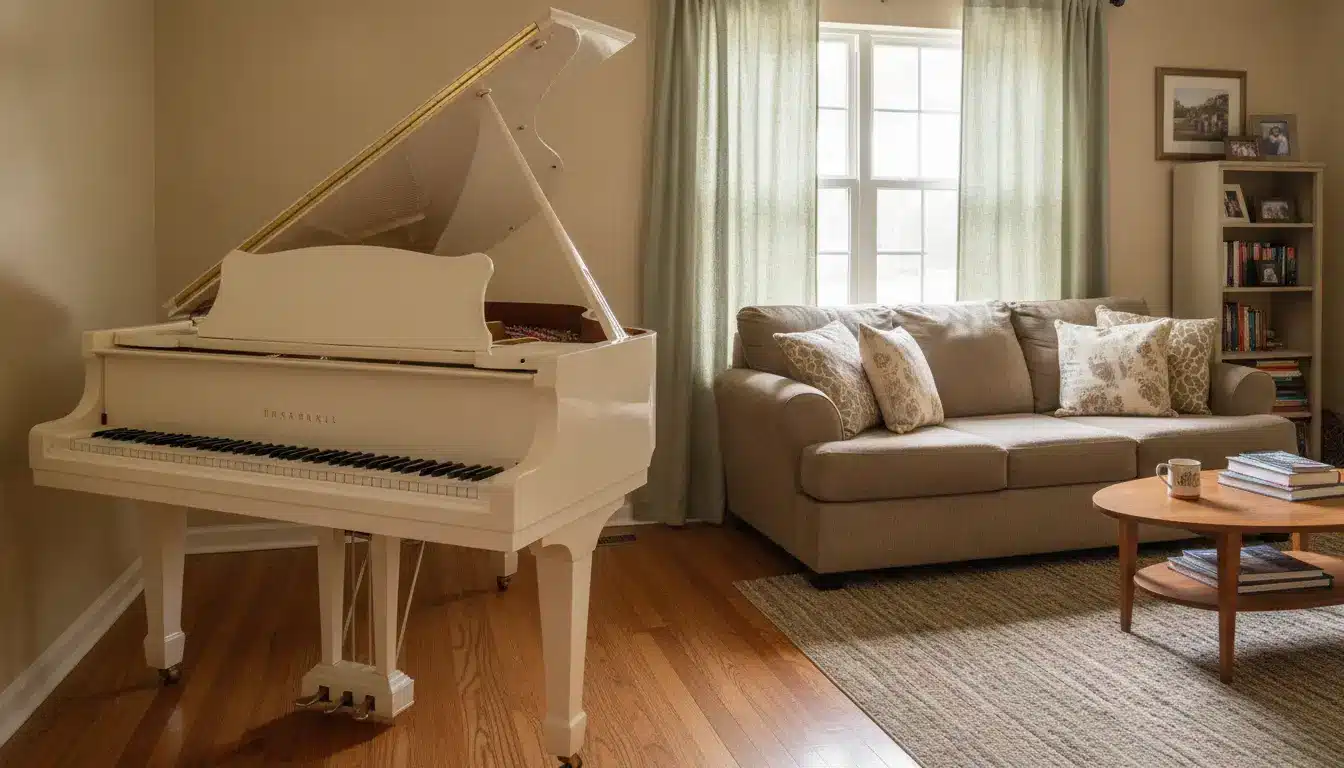

There is a persistent belief that grand pianos belong only in concert halls, mansions, and the homes of the very wealthy. It keeps a lot of people from ever seriously considering one, which is a shame, because the reality is far more welcoming. Plenty of ordinary homes accommodate a grand piano beautifully, and the experience of living with one changes a space in ways an upright, for all its virtues, simply cannot match. The trick is understanding the options, being realistic about space, and approaching the whole thing with clear eyes rather than intimidation.
This is a practical guide for anyone who has quietly wondered whether a grand piano could work in their home. It covers the sizes that fit real rooms, what to think about beyond the instrument itself, and how to approach the decision sensibly, so that a beautiful instrument becomes an achievable reality rather than a permanent fantasy.
Rethinking What a Grand Piano Requires
The image of the enormous concert grand dominates people’s imaginations, and it does a disservice to the whole category. Concert instruments are indeed huge, built to project sound across a large hall, but they represent only one end of a broad range. Most homes were never candidates for that kind of instrument, and comparing your living room to a concert stage sets up a false conclusion before you have even begun.
Smaller grand pianos exist precisely because most people do not live in concert halls. These instruments deliver the essential grand piano experience, the distinctive action, the horizontal soundboard, the visual presence, in a footprint that fits genuine homes. Once you set aside the concert-grand image, the question shifts from whether you have room to which size makes the most sense for your particular space.
Approaching the decision this way removes much of the intimidation. Rather than asking whether you are the kind of person who can own a grand piano, you ask a practical question about square footage and layout. That reframing turns an emotional barrier into a solvable logistics problem, which is exactly what it should be for most people considering the leap. Logistics can be measured, planned, and solved, whereas an emotional barrier tends to stop people before they even pick up a tape measure.
The Appeal of the Baby Grand
For the majority of homes, the smaller end of the grand range is where the magic happens. Considering baby grand pianos for sale opens up the grand piano experience for spaces that could never accommodate a larger instrument. These pianos capture much of what makes a grand special while remaining realistic for a living room, a study, or a family space of ordinary dimensions.
The experience of a smaller grand is genuinely different from an upright, and the difference is felt as much as heard. The horizontal action responds in a way vertical instruments cannot fully replicate, giving players a level of control and repetition that serious pianists notice immediately. For anyone who cares about how an instrument feels under the fingers, that distinction alone can justify the choice.
Then there is the presence. A grand piano, even a modest one, transforms a room into something more, becoming a focal point that invites people to gather and play. That visual and social dimension is part of what people are really buying, and it is easy to underestimate until you have lived with it. An instrument that draws people toward music has value beyond its sound. It shapes the character of a room and the habits of the people in it, becoming a gathering point in a way few pieces of furniture ever manage.
Being Honest About Space and Placement
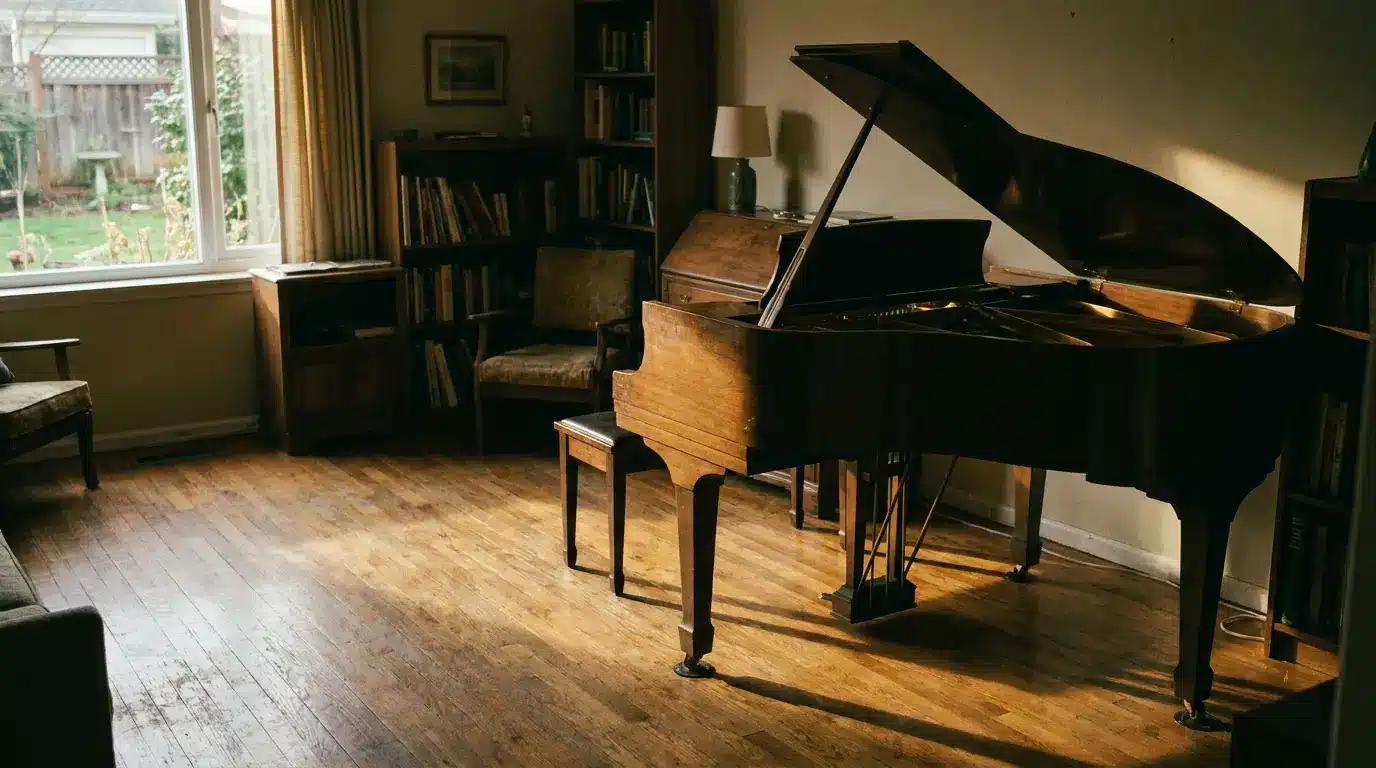
Before falling in love with a particular instrument, it pays to measure carefully and think through placement. A grand piano needs not just its own footprint but room around it for the bench, for the lid to open, and for people to move comfortably. Sketching the space and marking out dimensions on the floor gives a concrete sense of what will actually fit before any commitment is made.
Placement affects more than aesthetics, since where an instrument sits shapes how it sounds and how long it lasts. Keeping a piano away from direct sunlight, heating vents, and exterior walls protects it and helps it perform its best. Thinking about these factors alongside the pure question of fit ensures the instrument thrives in its new home rather than merely squeezing into it.
Delivery deserves a thought too, because getting a grand piano into a home is a real operation. Doorways, staircases, and tight corners can complicate the process, and it is far better to identify potential obstacles in advance than to discover them on delivery day. Professionals handle this routinely, but a little forethought about access saves everyone stress and protects the instrument during its journey inside.
Don’t Forget the Extras
An instrument is the centerpiece, but a handful of accessories make the experience complete and protect the investment. Practical music keyboard accessories and piano-related items, from benches to covers to care products, round out ownership in ways that are easy to overlook when focused entirely on the instrument itself. These small additions genuinely improve daily life with a piano.
Some extras serve comfort and health directly. A proper bench at the right height supports good posture and makes long practice sessions sustainable rather than punishing. Adequate lighting over the music makes reading easier and reduces strain. These are not luxuries so much as sensible provisions that make the difference between an instrument that gets played and one that sits admired but neglected.
Other accessories protect the instrument over the long term. Covers guard against dust, care products keep surfaces looking their best, and proper humidity management preserves the wood and action. Thinking about these protective measures from the start extends the healthy life of the instrument, turning a significant purchase into a lasting one rather than something that slowly degrades through simple inattention.
New Instruments and Peace of Mind
For many buyers, starting with a new instrument offers a reassurance that appeals strongly. A brand new grand piano arrives in known, pristine condition, without the uncertainty that can shadow a used purchase. For a significant investment like a grand, that certainty carries real value, especially for buyers who lack the expertise to evaluate a used instrument confidently.
New instruments also reflect current craftsmanship and typically come with warranty support. Refinements accumulate over time, and a recently built piano benefits from a maker’s latest work, while the backing of a warranty provides a safety net that older instruments cannot offer. For a buyer who wants to minimize risk and start fresh, these advantages make a compelling case.
The emotional appeal of a new instrument should not be dismissed either. There is a particular pleasure in being the first to play an instrument, in knowing its entire history is yours to write. For a purchase meant to last decades and perhaps pass to the next generation, beginning that story from the very start holds a meaning that resonates with many buyers well beyond the practical considerations.
Making the Numbers Work
A grand piano is a considerable purchase, but the range of options is wider than many assume, and there are paths to fit various budgets. Being clear about what you can comfortably spend, and matching that to the right size and condition, keeps the decision grounded. The goal is finding the best instrument within your means, not stretching painfully for the largest possible piano.
Thinking about the purchase over its lifespan reframes the cost in a helpful way. Spread across the decades of music a quality grand can provide, the investment often looks far more reasonable than the sticker price suggests at first glance. A well-made instrument that serves a household for a generation delivers value that a cheaper, short-lived alternative never could.
Guidance from knowledgeable people makes the financial side less daunting. Rather than navigating an unfamiliar market alone, a buyer can describe their space, goals, and budget and receive grounded recommendations. That expertise helps match the instrument to the situation without overspending, turning what could be an intimidating negotiation into a clear, confident decision the buyer feels good about.
Living With a Grand Day to Day
Owning a grand piano is not only about the moment of purchase; it is about the years of daily life that follow. An instrument that sits in a shared living space becomes part of the household’s rhythm, present for practice sessions, casual playing, and the occasional gathering around music. Thinking ahead about how the instrument will fit into everyday routines helps ensure it becomes a joy rather than an obstacle in the flow of the home.
The presence of a grand tends to encourage more playing than people expect, which is one of its quiet rewards. An instrument that stands as a beautiful focal point invites people to sit down and play in a way a tucked-away upright rarely does. That visibility, far from being mere decoration, actively draws family members toward the keyboard and keeps music a living part of the home rather than an occasional event.
Maintenance settles into a manageable routine once the instrument is in place. Regular tuning and periodic care keep a grand performing at its best, and building these into the household’s calendar prevents neglect from creeping in. Treated as a natural part of caring for a cherished possession, this upkeep is modest, and it preserves both the sound and the value of an instrument meant to last for decades.
Your Home Might Be Ready
The barrier to owning a grand piano is far lower than the concert-hall image suggests, and many ordinary homes are perfectly suited to one. By setting aside the intimidation, understanding the smaller options, and thinking practically about space, budget, and the extras, the dream of a grand piano becomes an achievable plan for a great many people.
The most useful step is simply to explore the possibility seriously rather than dismissing it out of hand. Measure your space, consider the smaller instruments, and talk to people who know the field. You may well discover that the grand piano you assumed was out of reach fits your home, your life, and your budget more comfortably than you ever expected, ready to fill your space with music for years to come.