

What is indie music, really? For many listeners, the word gets thrown around loosely, often mixed up with soft vocals or acoustic guitars. But indie music is not tied to one sound at all.
It comes down to independence, meaning artists making and releasing songs without a major label calling the shots. That single idea shapes everything else, from how albums get funded to how fans find new names.
Once that distinction clicks, terms like indie pop or indie rock start to make a lot more sense, since they describe style rather than the independence that defines the wider indie world.
Understanding Indie Music
Indie music refers to songs created and released by independent artists or labels without backing from major record companies. The answer comes down to who controls the work and how it gets made, along with the choices behind releasing it to listeners.
Independence sits at the heart of the term. It is less about a fixed sound and more about creative freedom, since indie artists write, record, and release music on their own terms rather than following a label’s direction, giving them room to build their music around their own vision rather than someone else’s.
|
Why People Often Misunderstand Indie Music Many assume indie music refers to a certain sound, but the term is actually tied to how the music is produced and distributed. Genre labels like indie pop or indie rock describe style, while indie itself refers to the artist’s independence from major label control, funding, and distribution deals. |
The Story Behind Indie Music and How It Came to Be
Indie music has its roots in artists stepping away from major label control to gain more freedom over their sound and career choices.
As more musicians grew tired of rigid contracts and limited creative input, an independent movement took shape, shifting how music was made and shared with listeners.
This eventually led to a DIY era, in which artists and small labels began recording, producing, and distributing songs on their own terms.
Instead of relying on big studios or industry backing, musicians began building home setups and small networks to release their work directly, laying the groundwork for the independent culture that continues to define indie music today.
|
How Streaming and Digital Tools Reshaped Indie Music Streaming platforms and digital tools have changed the way indie artists share their work, making it easier to reach global audiences without relying on traditional gatekeepers such as record labels or radio stations. Musicians can now upload songs directly to listeners everywhere, build a following independently, and manage their entire release process without outside approval or support. |
What Defines Indie Music in Today’s Music Landscape
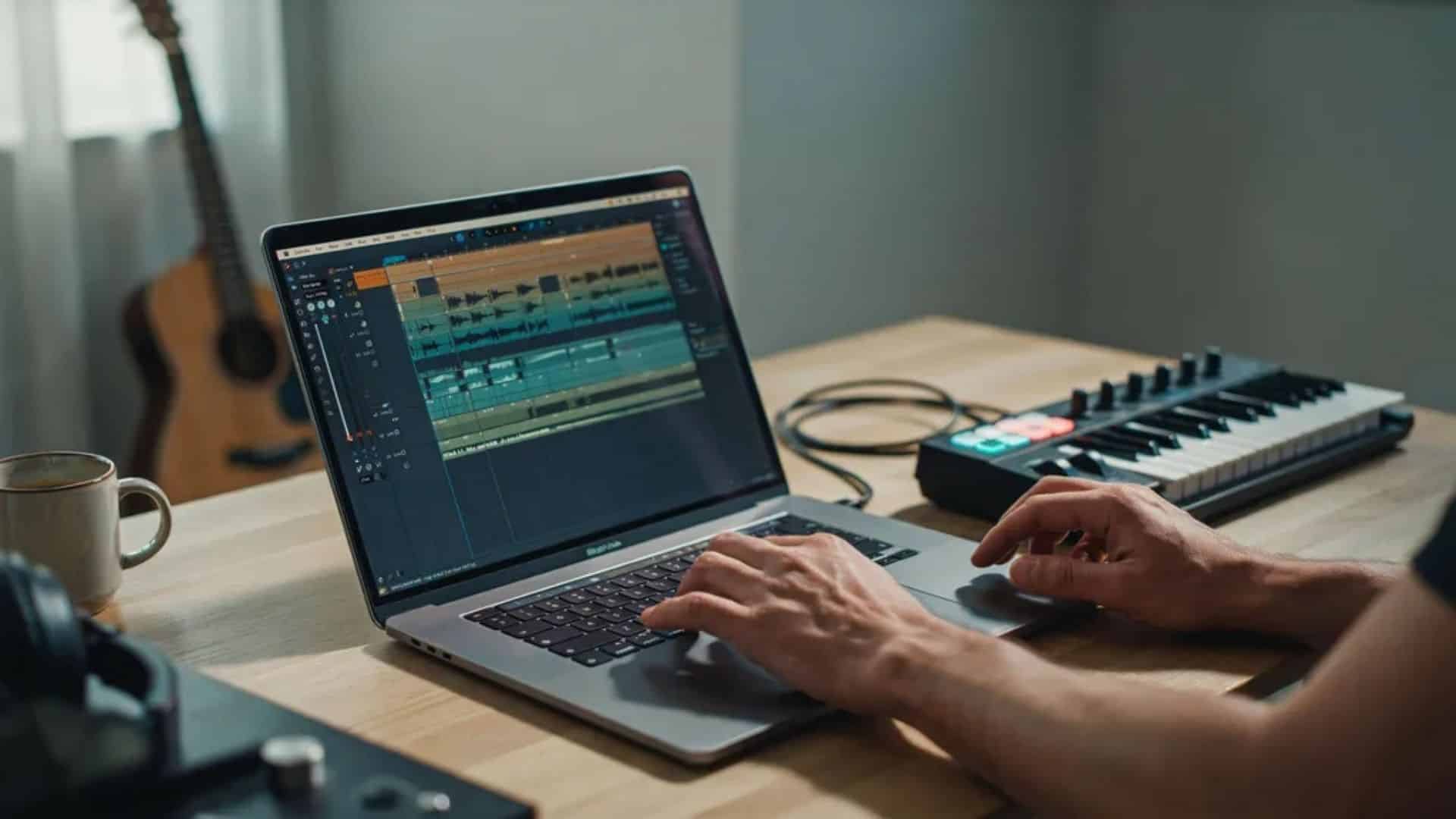
Indie music today is defined less by sound than by independence, creative control, and the ways artists choose to produce and release their work outside major-label systems.
1. Independence From Major Record Labels
An artist is generally considered indie when they are not signed to a large commercial label.
Without major backing, indie musicians handle their own funding, release schedules, and business decisions, giving them more say over how their music reaches listeners.
This kind of control stands in sharp contrast to major acts, where rights to an artist’s entire catalog often sit with a label rather than the musician.
2. Creative Ownership and Artistic Direction
Indie musicians often handle their own writing and branding, as well as the kind of work a producer would typically take on, rather than relying on outside teams.
This hands-on approach lets artists shape their sound, image, and message the way they want, without label input steering creative decisions or pushing music toward a particular commercial direction.
3. Why Indie Music Does Not Follow One Fixed Sound
Indie spans many styles, from folk to electronic, making it more of a label for independence than a genre boundary.
What connects indie artists is not a shared sound but a shared approach to making and releasing music outside traditional industry structures and major label involvement.
Indie Pop Explained and Its Place in Indie Music
Indie pop is a melodic, softer style within indie music, known for its catchy and accessible sound compared to heavier or more experimental indie styles.
So when people search for what indie pop is, it usually points to this lighter, more radio-friendly side of the genre.
Compared to indie rock, indie pop leans toward smoother tones and simpler arrangements rather than raw or heavy instrumentation.
Common traits include soft vocals, clean production, and relaxed upbeat rhythms, giving the style an easy, feel-good quality that keeps it approachable while still carrying that independent, do-it-yourself spirit.
Indie Pop vs Indie Rock: A Quick Comparison
Indie pop and indie rock share the same independent roots but sound quite different. This table lays out their tone, instruments, energy level, and lyrical themes so the contrast is easier to see.
| Element | Indie Pop | Indie Rock |
|---|---|---|
| Tone | Soft, bright, and melodic | Raw, gritty, and edgy |
| Instruments | Synths, clean guitars, light percussion | Electric guitars, drums, bass-driven sound |
| Energy Level | Relaxed, upbeat, and easy listening | Higher intensity, more dynamic shifts |
| Lyrical Themes | Feel good, everyday emotions | Introspective, personal, or rebellious themes |
Both styles fall under the wider indie umbrella, yet each offers a distinct listening experience shaped by tone, energy, and songwriting approach.
Main Styles Found Within Indie Music

Indie music covers a wide range of sounds, from guitar-driven rock to electronic production. Each style retains the same independent spirit while offering its own tone, instrumentation, and overall listening experience.
Indie Rock Sound and Characteristics
Indie rock centers on guitar-focused arrangements with an expressive, often raw emotional tone.
Vocals tend to carry personal or heartfelt lyrics, while the instrumentation stays stripped back compared to mainstream rock, giving the sound a genuine, unpolished quality that feels closer to the artist and truer to their own voice.
Indie Pop Direction and Feel
Indie pop leans into catchy melodies with a simple, emotional, and accessible structure.
The production stays clean and light, making songs easy to enjoy on first listen while still retaining a personal, handmade quality that sets it apart from mainstream pop releases and keeps the sound feeling genuine rather than overly polished.
Indie Folk and Indie Electronic Variations
Indie folk relies on acoustic storytelling, often built around gentle guitar work and honest lyrics.
Indie electronic takes a different route, using synth-driven production and layered beats, borrowing some of the same energy found among well-known names in house music, showing just how differently indie artists can approach sound while staying independent and committed to doing things their own way from start to finish.
How Listeners Can Find Indie Music Today
Finding indie music has never been easier, thanks to a mix of digital tools and real-world spaces where independent artists connect directly with their audience.
- Streaming platforms use algorithm-based recommendations and curated playlists to help listeners find new indie artists based on their listening habits.
- Social media, especially short videos and direct artist posts, has become a major space for finding fresh independent music.
- Live performances at small venues remain one of the strongest ways to experience indie music up close and support artists directly.
Between digital platforms and local shows, listeners today have more ways than ever to reach and connect with independent music.
Famous Indie Artists Worth Knowing

Indie music has produced artists across generations who shaped its sound and reputation. Early acts like The Smiths and R.E.M. helped define the independent scene, showing that music made outside major labels could still reach wide audiences and leave a lasting mark.
Later, bands like Arctic Monkeys and Vampire Weekend and the lineup behind The Strokes carried indie rock into the mainstream while keeping their creative roots intact. Their success proved that independence and popularity could coexist without losing the personal touch that made the genre stand out.
Today, artists such as Phoebe Bridgers, Clairo, and Mac DeMarco represent the current generation of indie musicians. They continue to build loyal fan bases through streaming platforms and social media, proving that indie music remains relevant.
Ways to Support Indie Musicians
Supporting indie artists goes beyond simply streaming their songs. Saving tracks and repeat listening boost visibility through platform algorithms, while buying albums, vinyl, or merchandise provides artists with direct financial support for their independent careers.
Buying albums, vinyl, or merch on platforms like Bandcamp provides artists with direct financial support for their independent careers, since most of what fans pay goes straight to the musician rather than a label.
Indie vs Mainstream Music: A Quick Comparison
Indie and mainstream music differ in more than just sound. Production control, marketing reach, and creative flexibility all shape how each side operates within the industry.
| Factor | Indie Music | Mainstream Music |
|---|---|---|
| Production & Control | Artist-driven, independent budgets and creative direction | Label controlled, larger budgets, structured decision making |
| Marketing & Reach | Grows organically through streaming, social media, and word of mouth | Relies on large-scale marketing and wide distribution networks |
| Sound Flexibility | Open to experimentation and varied styles | Often follows proven, radio-friendly formats |
These differences show why indie and mainstream music appeal to different listener expectations while both continue to shape the wider music industry.
Why Indie Music Still Matters in the Modern Music World
Indie music continues to hold value because it offers something mainstream music often cannot: freedom, originality, and a genuine connection between artists and listeners.
- Artists can express their ideas freely without commercial restrictions, allowing music to reflect personal vision rather than label-driven expectations or trends.
- Indie music often introduces fresh styles and unconventional ideas, creating space for experimentation that mainstream releases rarely take the risk of trying.
- Strong listener communities form around indie music, with fans connecting deeply through shared taste, new finds, and support for independent artists.
Indie music remains relevant because it values creativity and connection over commercial trends.
Conclusion
Indie music holds its place in today’s industry because it allows artists to work outside the usual system. From production choices to distribution and marketing, every part of the process reflects independence rather than following a set formula.
That freedom is what allows indie pop, indie rock, indie folk, and indie electronic to fall under one label despite sounding so different from one another.
Supporting these artists through streaming habits, purchases, or a shared playlist link helps keep that independent culture growing.
As long as musicians keep choosing creative control over commercial pressure, indie music will continue shaping the wider sound of the industry.
Frequently Asked Questions
Why is it Called Indie Music?
The name comes from “independent,” referring to artists who release music without major-label backing.
Is Indie Music a Genre or an Attitude?
It is more of an attitude, since independence connects artists across very different musical styles.
What is the Difference Between Indie and Alternative Music?
Alternative describes non-mainstream sound, while indie specifically refers to independent production and distribution.
Can a Signed Artist Still be Considered Indie?
Yes, some retain creative control under smaller labels, though true independence usually means no major backing.
What Made Indie Music Popular?
College radio, C86 bands, and later streaming platforms helped indie music reach wider audiences.