

Every song you hear was shaped by someone working just out of view. That person is usually the producer.
They sit behind the artist, the mixing board, and the whole recording process, making calls that turn a rough idea into a finished track.
I have spent most of my career trying to explain how things actually work rather than how people assume they work, and music production is one of those jobs everyone name-drops, but few people can define.
So I applied the same fact-checking approach I use for any story to this one, drawing on working producers’ own accounts, industry pay data, and the tools they use every day.
Below, you will find a clear look at what producers actually do, how they fit into the music industry, and what they typically earn.
Also, the real steps to become one, including a beginner path into electronic music and how to make music from nothing but an idea.
What Does a Music Producer Do?
A music producer oversees the entire process of turning an idea into a finished song.
They guide the artist, shape the arrangement, manage the recording, and make sure every part of the track works together before it reaches the mix and master stage.
Along the way, they also make creative calls on tone, tempo, and sound choices, while keeping the session on schedule and within budget.
The Music Producers Guild describes the role as closer to a film director than a technician, someone who pushes an artist toward a performance they might not have found alone.
That comparison stuck with me while researching this because it explains why two producers can take the same singer into the same room and walk out with completely different records.
What Is Music Production?Music production is the process of turning an idea into a finished recording. It covers writing, arranging, recording, editing, mixing, and mastering, with a producer managing this chain alongside artists and engineers. |
Main Jobs of a Producer
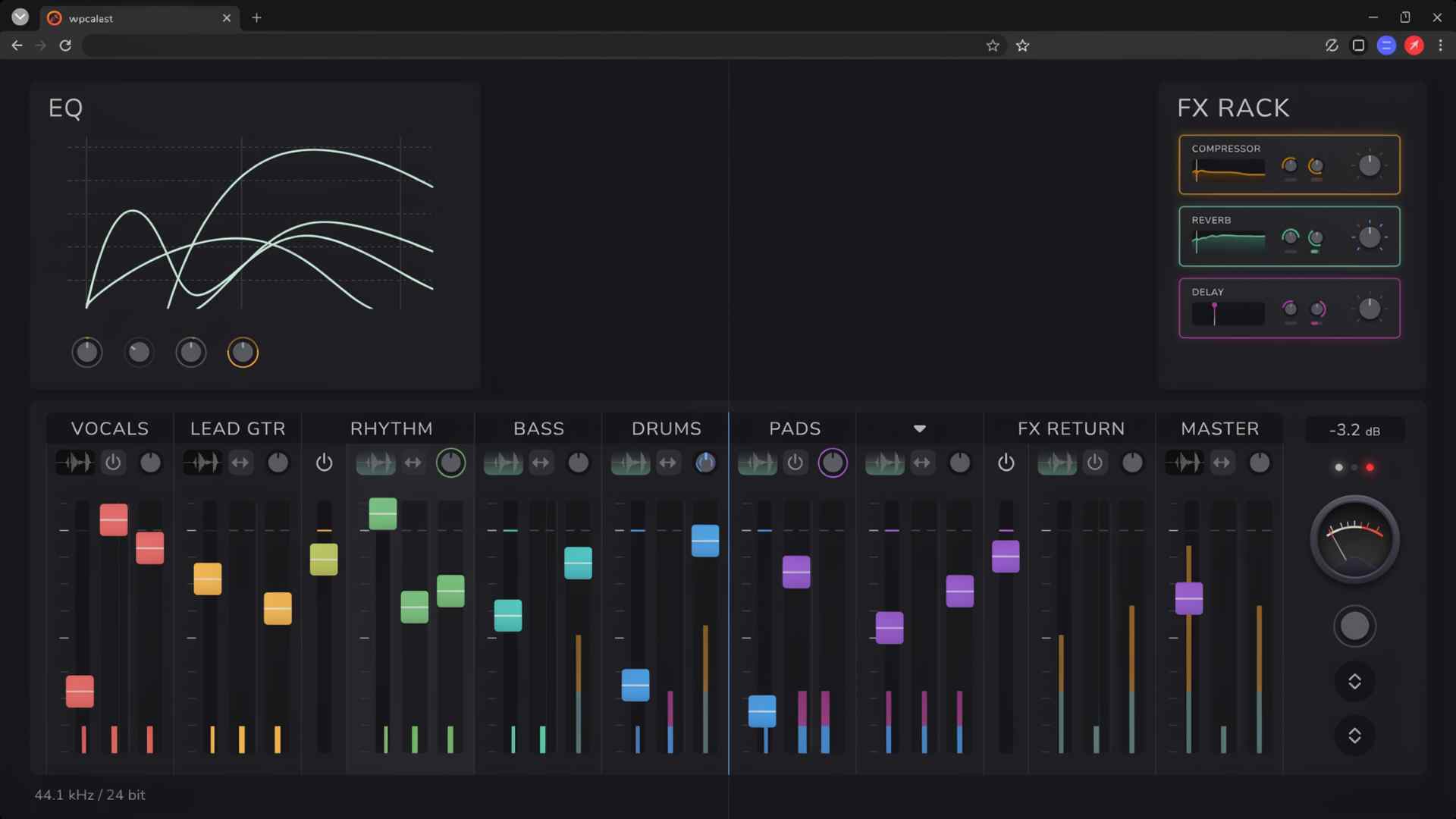
A producer wears several hats during one project. Each task below plays a different part in shaping the final sound, from the first note to the last polish before release.
Arranging
The producer decides how a song is built, including the order of verses, choruses, and instrumental sections.
This shapes the pacing of the track and keeps the listener engaged from the first ten seconds to the final chorus.
Recording
During recording, the producer sets up the session, chooses microphones or virtual instruments, and captures the best possible takes.
They listen closely and guide the artist toward performances that match the mood of the song.
Mixing
Mixing is the process of balancing individual tracks for volume, tone, and space.
The producer or a mixing engineer adjusts levels, adds effects, and blends every layer so the song sounds clear on any set of speakers or headphones.
Guiding the Artist
A producer helps the artist stay focused on the vision for the song.
This includes offering feedback on performance, suggesting changes to lyrics or melody, and keeping the session calm and productive.
Managing the Budget and Schedule
Behind the creative side, a producer often tracks studio time, session costs, and deadlines.
Staying on budget and on time keeps the project moving without rushing the parts that need care.
Together, these five tasks explain why the producer’s role touches nearly every stage of making a song, not just the final sound.
You can hear this range of influence in modern records.
Josh Conway’s production work on The Marías is a good example of how one person’s ear for warmth and space can define a band’s identity, not just how the vocals sit in the mix.
Producer vs Engineer vs Songwriter Differences
Each music role has a different purpose, from shaping the creative vision to recording and writing the song.
| Skills and Responsibilities | Producer | Audio Engineer | Songwriter |
|---|---|---|---|
| Main Role | Oversees the creative direction and recording process | Handles the technical side of recording and sound | Creates lyrics, melodies, and song concepts |
| Key Skills | Sound design, arrangement, production software, creative decision-making | Microphones, mixing, recording software, signal flow | Lyric writing, composition, storytelling, melody creation |
| Main Contribution | Shapes the song’s style, mood, and overall sound | Ensures clear, balanced, and polished audio quality | Builds the song’s foundation and emotional message |
These roles often work together, but each contributes a distinct skill set to the final track. Some producers also write songs, while engineers mainly focus on technical execution.
Where a Producer Fits in the Music Industry
A producer rarely works alone. They sit at the center of a small team, each person handling a different part of making and releasing a song.
Who a Producer Works With:
- Artists and singers who bring the songs and performances
- Sound engineers who handle recording and mixing equipment
- Record labels that fund and release the music
- Managers who handle scheduling and business decisions
- Songwriters who write lyrics and melodies
Skills You Need to Be a Good Music Producer
Strong technical knowledge alone will not make someone a good producer. A mix of musical, technical, and people skills is what separates a decent producer from a great one.
Musical Skills: A basic grasp of theory, rhythm, and melody helps a producer make decisions more quickly. Training your ear to catch pitch and timing issues is a necessity.
Technical Skills: Knowing your DAW well and understanding basic mixing and signal flow lets a producer work quickly without slowing the creative flow.
People Skills: Clear communication, patience during long sessions, and the ability to give useful feedback without discouraging the artist matter just as much as technical ability.
These three skill areas work together in every session, which is exactly why the right equipment matters just as much as the person using it.
Genres and Specializations
Producers often focus on one lane. Electronic producers build tracks from synths and drum machines, often within styles like house.
Hip hop producers craft beats and samples, while others take the independent route instead.
Liam Howlett of The Prodigy is a good case study of a producer-songwriter hybrid, writing, programming, and producing nearly every track the band has released. Malcolm Todd’s textural electronic work shows the same specialization on the ambient end of the spectrum.
Pop producers focus on catchy hooks and clean vocals. Film composers score scenes to match on-screen action.
Knowing where a producer sits in the bigger picture naturally leads to what a typical working day looks like for them.
Equipment a Music Producer Needs
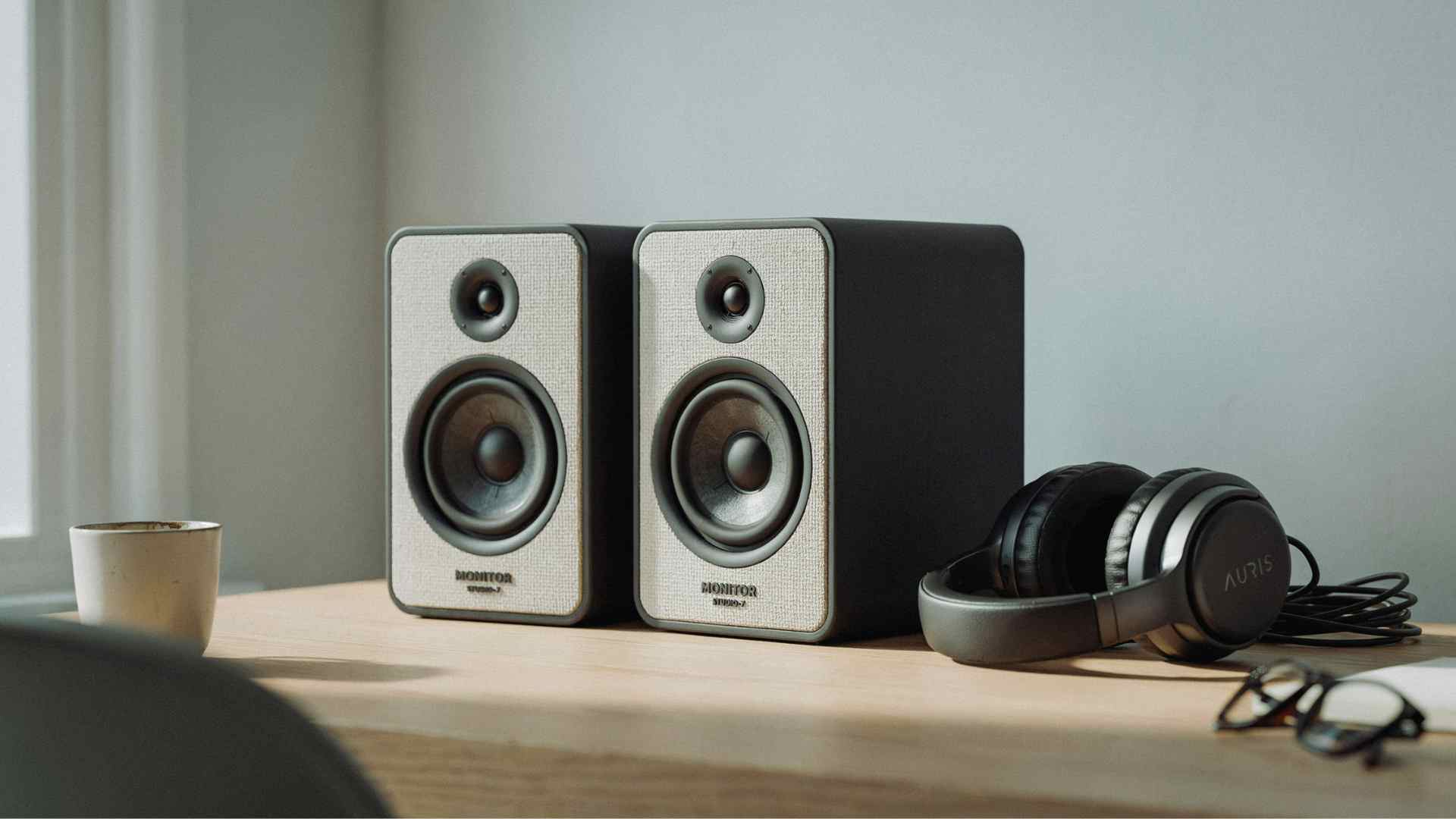
Good equipment does not need to be expensive to get started, but a few core pieces make a real difference in sound quality and workflow.
1. Computer and DAW: The core setup for recording, editing, and arranging every track
2. FL Studio and Ableton Live: common starting points for electronic producers, thanks to strong built-in synths and step sequencers.
3. Logic Pro and Pro Tools: two of the most common studio-standard DAWs, with Pro Tools leaning toward professional recording sessions and Logic Pro leaning toward songwriters and beat makers working solo.
3. Headphones and Studio Monitors: Needed for accurate listening, since regular speakers can hide problems in a mix
A computer paired with a Digital Audio Workstation (DAW) is the foundation of any home studio. This is the software used to record, arrange, and edit music.
How Do You Become a Music Producer?
Becoming a producer is less about a single qualification and more about steady, practical steps built over time.
Step 1: Learn Basic Music Theory
Understanding scales, chords, and rhythm gives you a foundation for making decisions faster.
You do not need years of formal training, just enough theory to communicate and build song structure with confidence.
Step 2: Pick One DAW and Learn It Deeply
Choose one DAW, learn its shortcuts and tools well, and stick with it until the workflow feels natural before trying anything else.
Step 3: Practice Mixing and Sound Design
Spend time learning how to balance levels, use effects, and shape raw sounds into something polished.
This is a skill built through repetition, not something learned from a single tutorial.
Step 4: Build a Small Portfolio
Finish a handful of tracks, even simple ones, and put them together as a portfolio.
This gives future collaborators or clients real proof of your sound and skill level.
Step 5: Network and Collaborate
Work with other musicians, join online production communities, and stay active in spaces where artists look for producers.
Most early opportunities come through people you already know.
What Should You Study to Become a Music Producer?
There is no single required path into production, but structured learning can speed up the early stages.
| Criteria | Formal Education | Self Taught |
|---|---|---|
| Structure | Set a curriculum with a fixed order of topics | Flexible, learn in any order based on need |
| Cost | Often expensive, degrees and certificate fees apply | Free or low-cost, using tutorials and communities |
| Time | Fixed duration, usually multiple years for a degree | Self-paced, can be faster or slower depending on effort |
| Credibility | Comes with a degree or certificate as proof | Proven through a portfolio and finished tracks instead |
| Best For | Those wanting broad industry knowledge and networking through a school | Those wanting quick, practical skills without a high upfront cost |
Many working producers today built their skills entirely through practice, online resources, and consistent feedback from other artists.
How Much Money Does a Music Producer Make?
Producer income varies widely based on experience, project type, and the number of income streams they use.
Entry-level producers often earn between $58,000 and $96,000 per year, based on 2026 data. (Sources: Payscale and ZipRecruiter)
Mid-career and full-time producers working with established artists typically earn $65,000 to $130,000 annually.
Top earners, including well-known names producing for major artists, can charge $25,000 to $100,000 or more per track and often clear seven figures once royalties are added.
Beyond studio fees, producers earn extra income through sync licensing for shows and ads, streaming royalties from their producer points, and mixing or mastering services for other artists.
Career Options for a Music ProducerA producer can build a career in a few different settings, each shaping how the work looks day to day.
|
How to Make Electronic Music?

If you are wondering how to make music without a studio or a band, electronic production is usually the fastest way in.
Everything happens inside a DAW, using virtual instruments rather than live recording setups, which is exactly why it has become the default starting point for so many new producers.
Choose a Beginner-Friendly DAW
FL Studio and Ableton Live are common starting points for electronic producers because of their strong built-in synths and simple beat-making tools.
Pick one and commit to learning its layout well.
Learn Basic Beat Programming
Start with a simple drum pattern using a kick, snare, and hi-hat.
Getting comfortable with basic rhythm programming is the first real skill every electronic producer needs to build.
Understand Synths and Sound Design
Learn how oscillators, filters, and envelopes shape a sound.
Even a basic grasp of these controls lets you build your own tones rather than relying solely on presets.
Structure Your First Track
Use a simple intro-build-drop-outro layout to shape your first full track. Keeping the structure simple early on makes finishing songs far easier.
Export, Get Feedback, and Improve
Once a track feels finished, export it and share it with other producers for honest feedback. Each finished track teaches lessons that no tutorial alone can fully cover.
Communities like EDMProd exist almost entirely for this kind of feedback loop, and it’s worth using them early rather than waiting until a track feels finished.
Terms Worth Knowing
A few terms come up constantly once you start reading about production, and it helps to have them straight from the start.
DAW (Digital Audio Workstation): The software used to record, arrange, and mix a track, such as Logic Pro, Pro Tools, FL Studio, or Ableton Live.
Producer points: A producer’s percentage share of royalties from a song’s sales and streams, negotiated separately from the flat studio fee.
Sync licensing: The fee paid to use a song in a TV show, film, or advertisement, a major source of income for producers beyond the studio.
A&R (Artists and Repertoire): The label’s role is to scout talent and connect artists with the right producers for a project.
Final Thoughts
A music producer’s job blends creative choices with technical skill, patience, and steady practice.
Producing for other artists or building your own electronic tracks both start the same way, with one finished song.
Open your DAW today, start your first beat, and build from there, one track at a time.
Frequently Asked Questions (FAQs)
What is the Difference Between a Producer and a DJ?
A producer creates and records original music in a studio setting. A DJ mixes and performs existing tracks live.
Do You Need to Know an Instrument to Produce?
It helps but is not required. Many successful producers rely on DAW tools and sample libraries.
Can You Become a Producer without a Degree?
Yes. Many working producers are fully self-taught, building skills through practice, free resources, and consistent efforts.