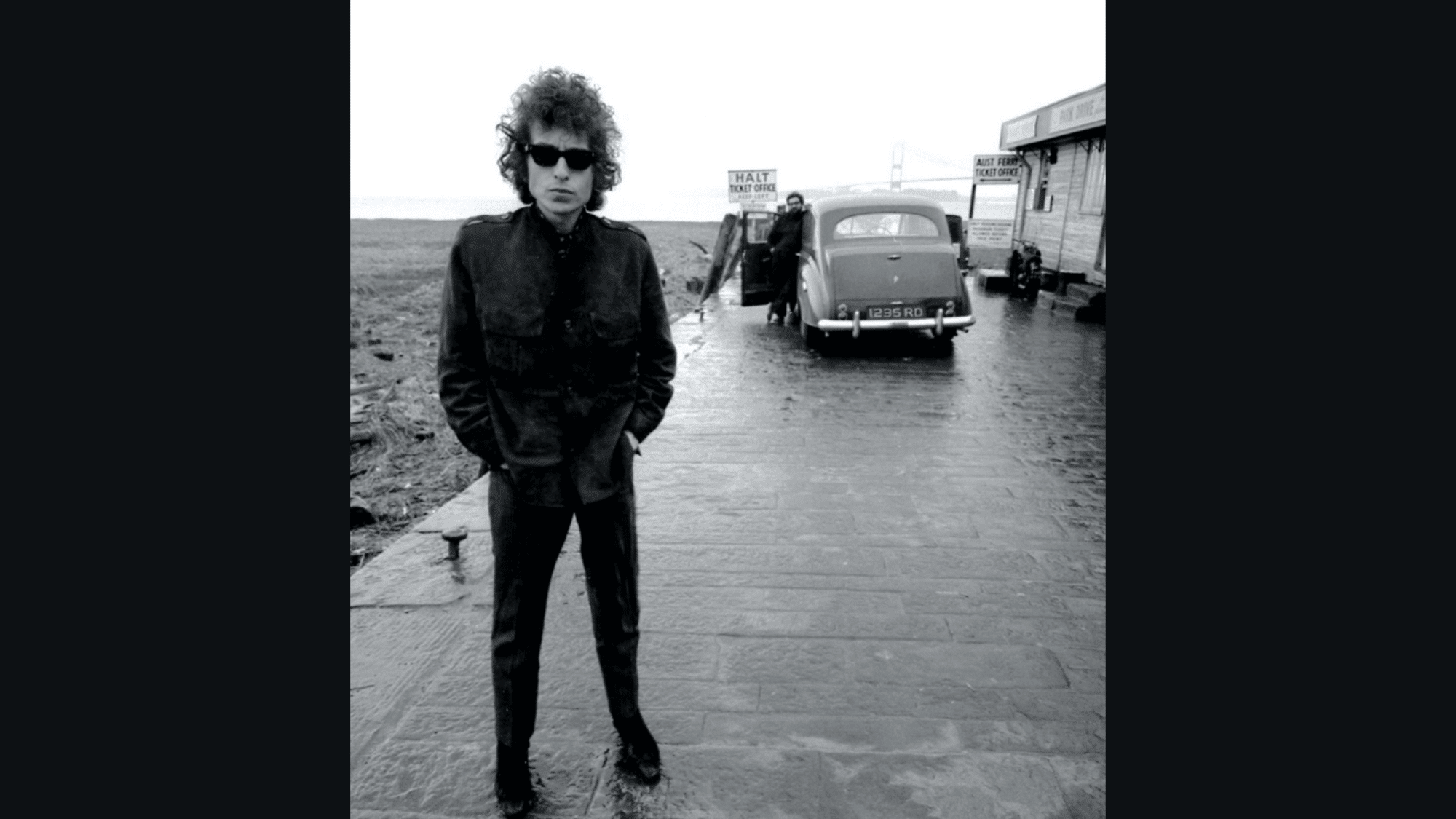
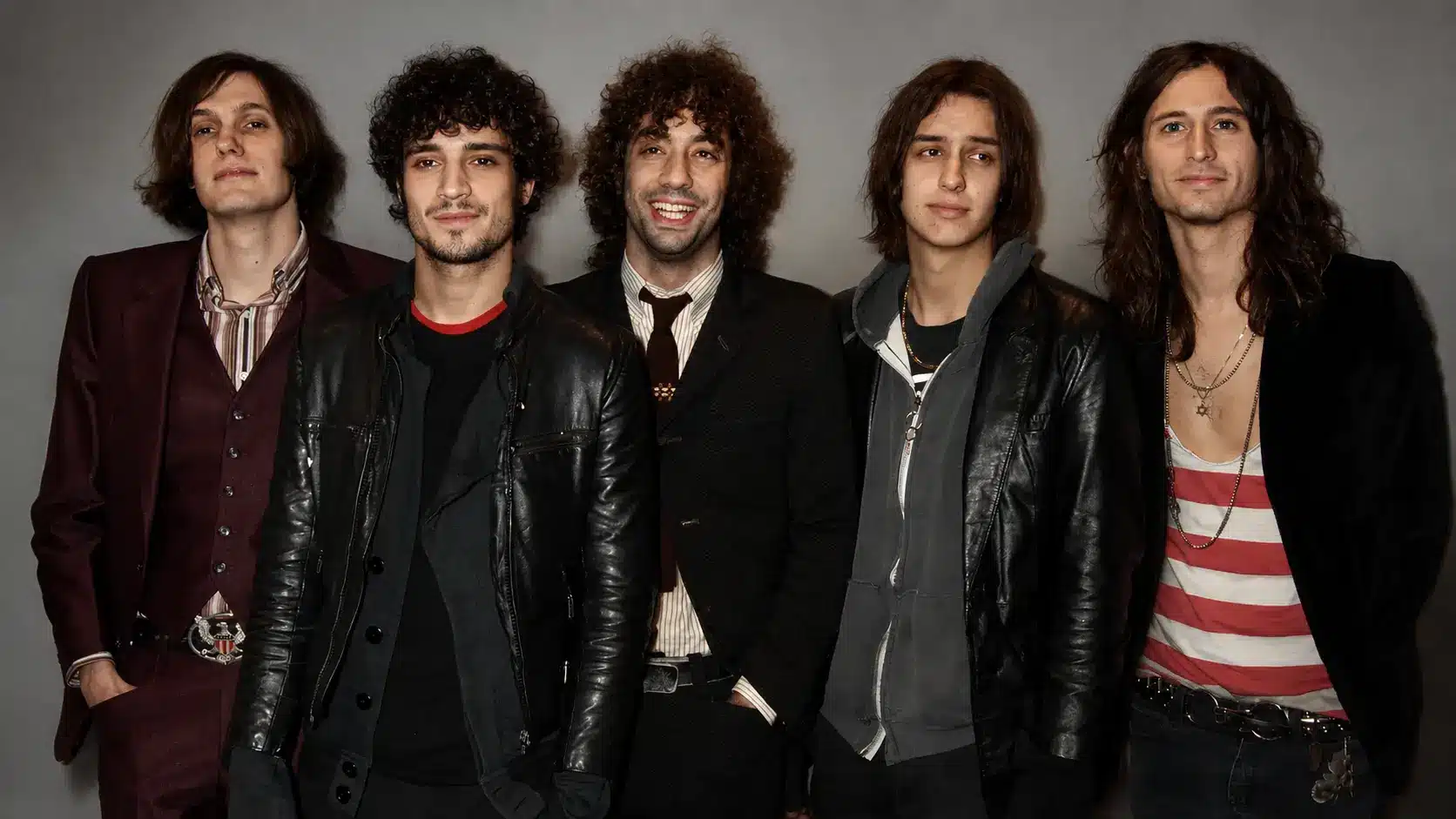
Few bands have reshaped modern rock like The Strokes. Emerging from New York City in the early 2000s, this five-member band ignited a garage rock and indie revival with jagged guitar riffs, catchy rhythms, and effortless style.
Their influence spans generations, inspiring artists like Arctic Monkeys, The Killers, and Franz Ferdinand. Fans and newcomers alike search for The Strokes band members, their roles, and the Strokes discography to understand the band’s impact.
From iconic tracks like “Last Nite” to side projects and solo work, the popular songs by The Strokes show each member’s contribution and how they continue to shape rock music today.
Who are The Strokes?
The Strokes are an American rock band formed in New York City in 1998, widely credited with leading the garage rock revival of the early 2000s.
Their sound channels the raw energy of 1960s and ’70s rock, including the Velvet Underground, Television, and the Stooges, with a fresh, modern edge.
Beyond the music, their style, from skinny jeans to vintage leather jackets, captured Manhattan cool and made rock feel urgent again.
Over their career, they’ve earned a BRIT Award, an ASCAP College Vanguard Award, and a Grammy Award for Best Rock Album (2021), cementing their place as one of the most influential rock bands of their generation.
The Definitive List of The Strokes Band Members
The Strokes have maintained the same core lineup since their formation, a testament to both chemistry and commitment. Here’s a deep dive into each member:
1. Julian Casablancas: Lead Vocals & Principal Songwriter
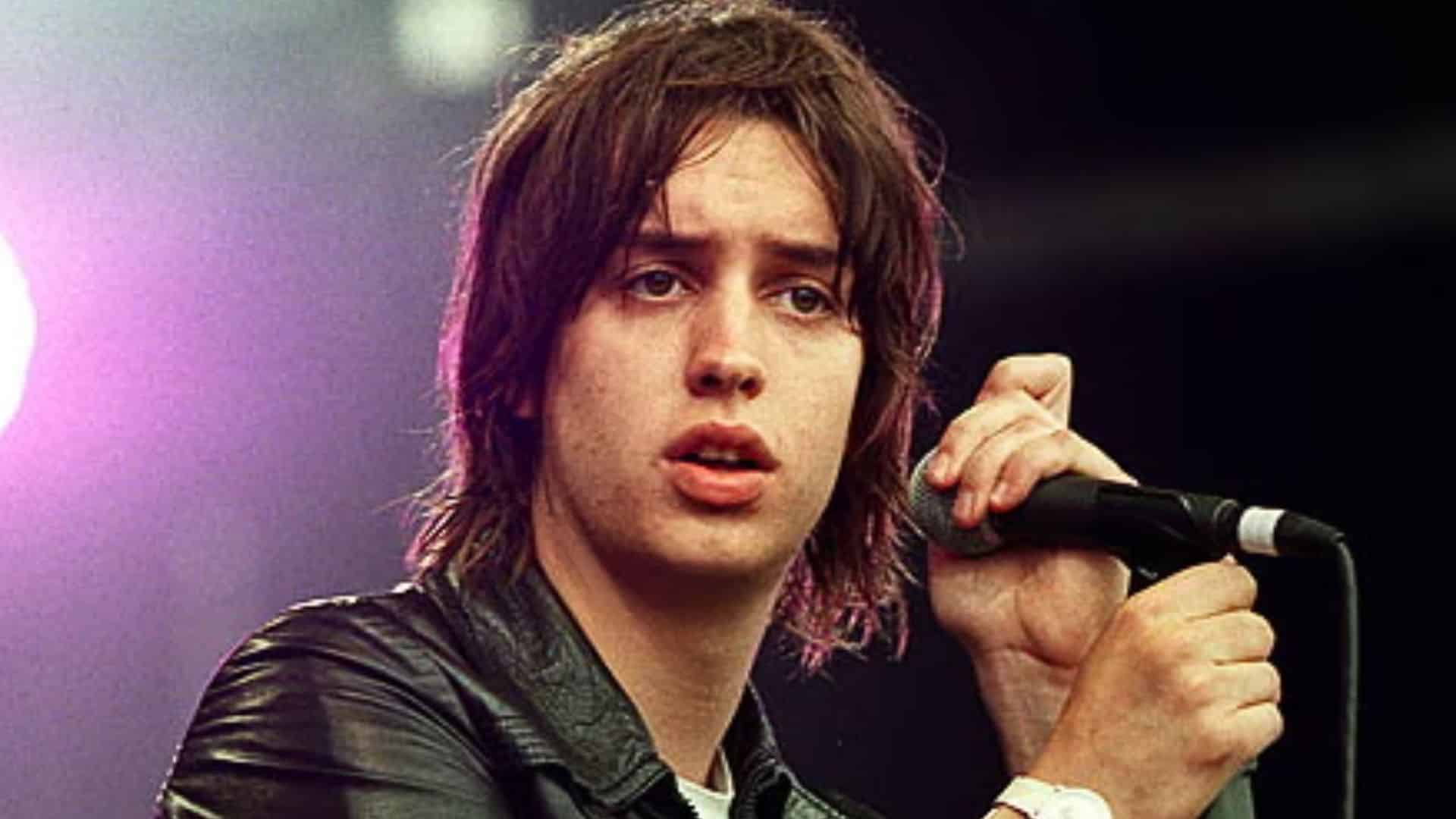
Born: August 23, 1978, New York City, NY
Julian Casablancas is the voice and creative force behind The Strokes. His detached, slightly nasal vocals, often filtered in early recordings, became a defining sound of 2000s rock.
As principal songwriter, he explores themes of urban life, romance, and modern tensions.
Beyond the band, he released his solo album Phrazes for the Young (2009) and formed The Voidz in 2014, exploring experimental styles.
Son of Elite Model Management founder John Casablancas, Julian’s Manhattan upbringing contrasts with the band’s raw, working-class–inspired aesthetic, adding depth and irony to their image.
2. Nick Valensi: Lead & Rhythm Guitar
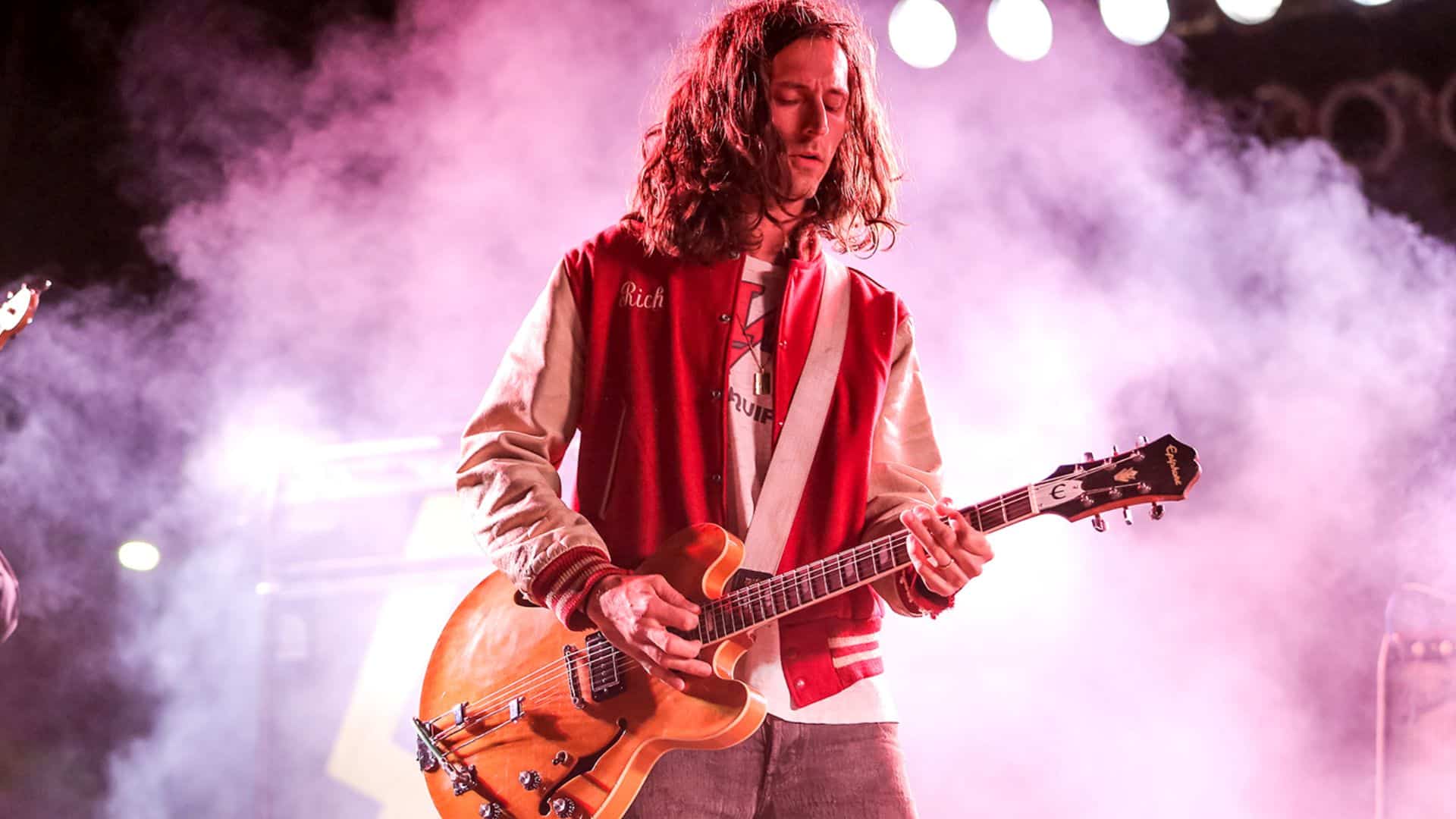
Born: January 16, 1981, New York City, NY
Nick Valensi is the engine room of The Strokes’ guitar sound. Known for intricate, intertwining riffs and a sharp, precise picking style, Valensi’s leads are instantly recognizable, clean and jagged in equal measure.
On tracks like “Reptilia” and “Last Nite,” his guitar work is the melodic backbone that makes the songs so compulsively listenable.
Valensi also contributes backing vocals and, in later albums, keyboards, adding textural depth to The Strokes’ evolving sonic palette.
Outside of The Strokes, he fronts his own rock project, CRX, which released its debut album, New Skin, in 2016, its sophomore album, Peek, in 2019, and the EP Interiors in 2024.
He also collaborated with Ringo Starr on the Crooked Boy collection, showing his versatility as a guitarist and collaborator.
3. Albert Hammond Jr.: Rhythm & Lead Guitar
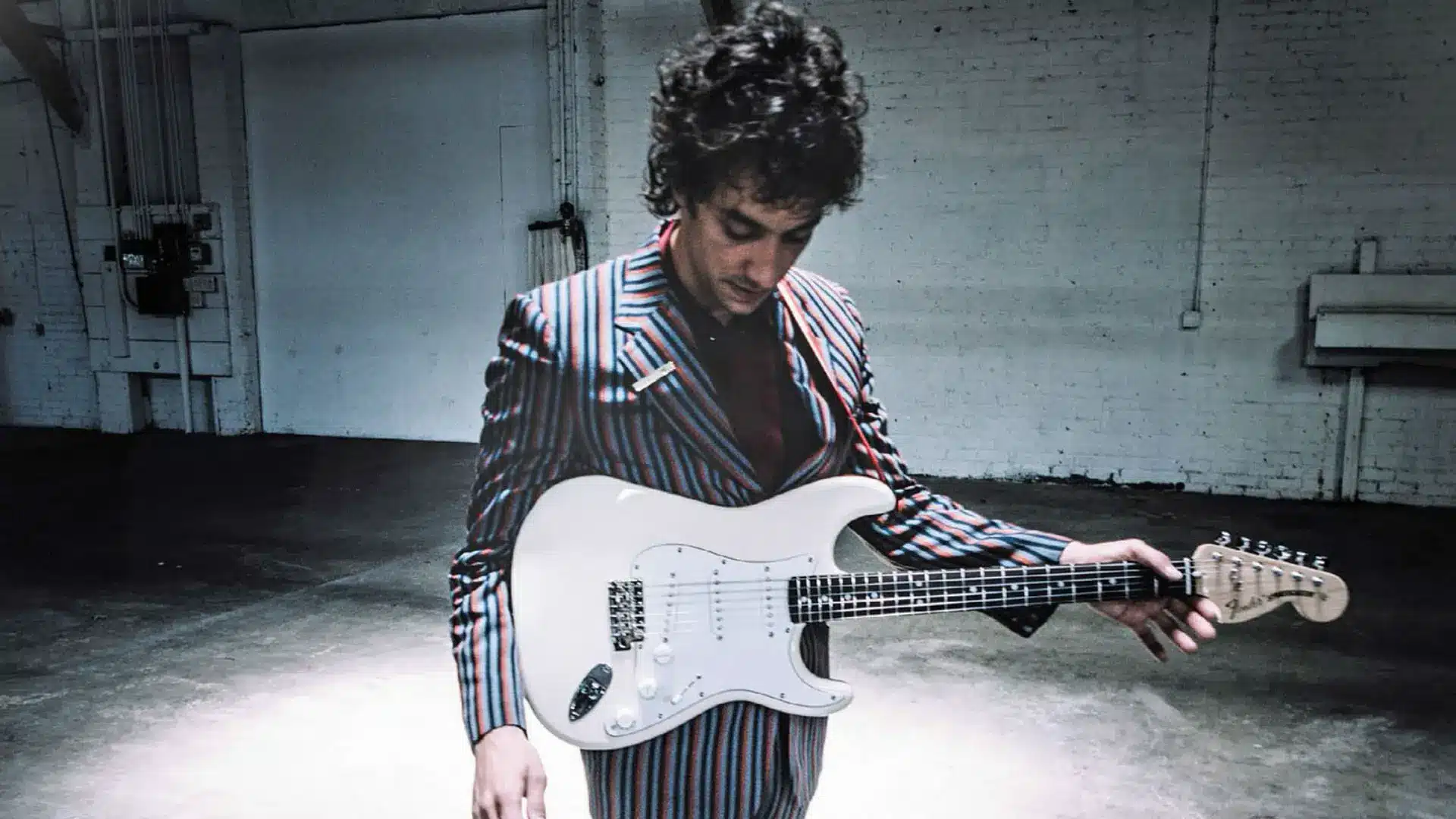
Born: April 9, 1980, Los Angeles, California
Albert Hammond Jr. is the son of celebrated British-Gibraltarian singer-songwriter Albert Hammond (best known for his 1972 hit ‘It Never Rains in Southern California’), but he has carved out a legacy entirely his own.
As the second guitarist in The Strokes, Hammond Jr. specializes in the chunky, driving rhythm work that locks the band’s sound into its infectious groove, while also trading lead duties with Valensi.
His solo career has been prolific and consistently well-received. He has released five solo studio albums, most recently Melodies on Hiatus in 2023.
His solo work tends toward a more introspective, slightly psychedelic indie rock sound, showcasing a breadth of songwriting skill that complements his Strokes work beautifully.
Hammond Jr. is also known as one of the most stylish presences in indie rock; his look (often featuring vintage suits and a perfectly disheveled curl) was a defining aesthetic element of The Strokes’ early image.
4. Nikolai Fraiture: Bass Guitar
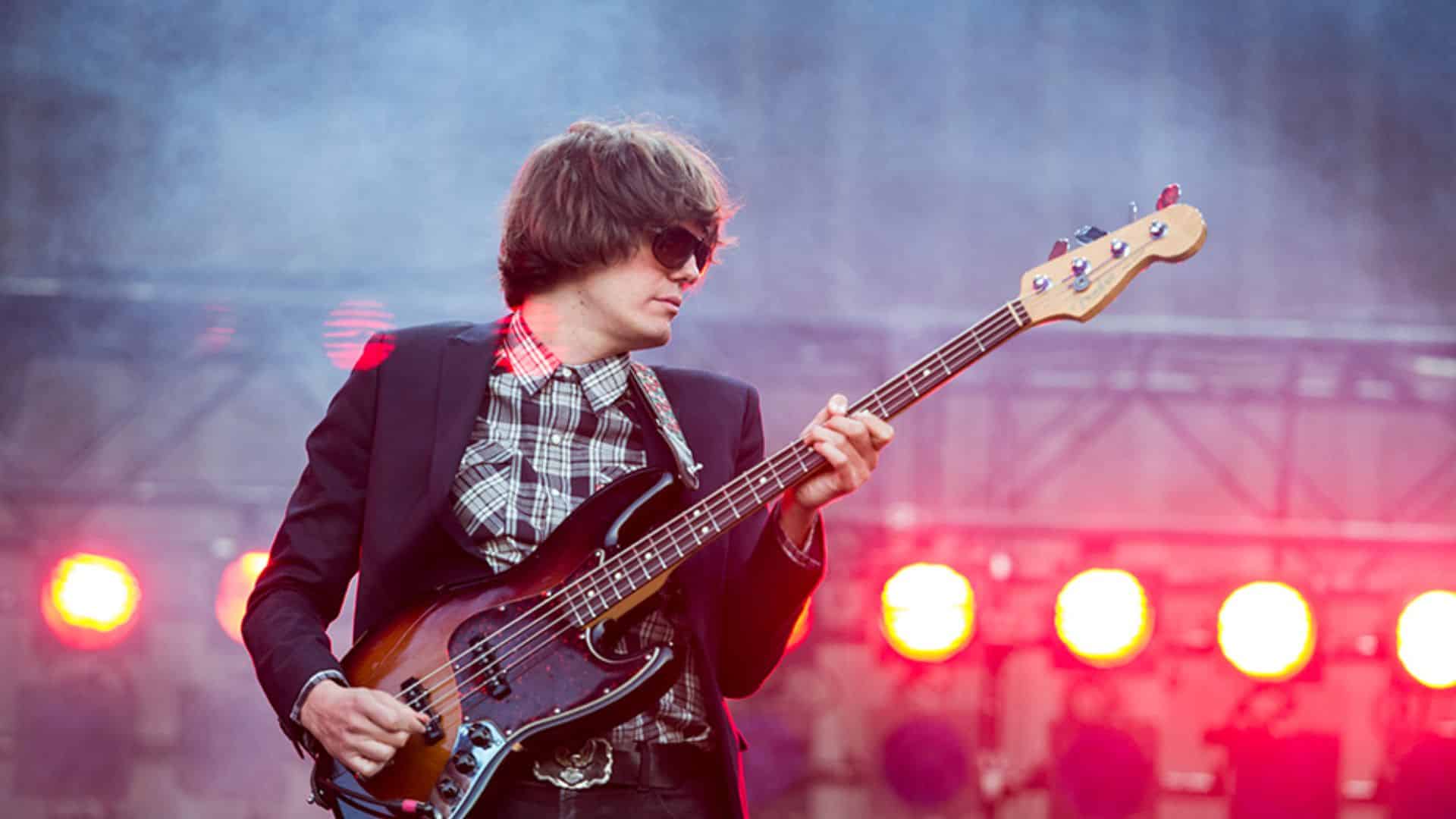
Born: November 13, 1978, New York City, NY
Nikolai Fraiture is the rhythmic anchor of The Strokes, providing the driving, melodic basslines that give the band’s music its locomotive momentum.
In a band built on tightly interlocked parts, Fraiture’s bass is often the glue, firm, precise, and utterly essential. On songs like “Juicebox,” the bass riff is practically the lead hook.
Fraiture and Casablancas have been friends since childhood, attending the same elite Manhattan private school (Dwight School) that would become the seed of The Strokes.
Outside the band, he founded Summer Moon in 2016, a band he fronts as bassist and lead vocalist, with their debut album With You Tonight released in 2017.
5. Fabrizio Moretti: Drums & Percussion
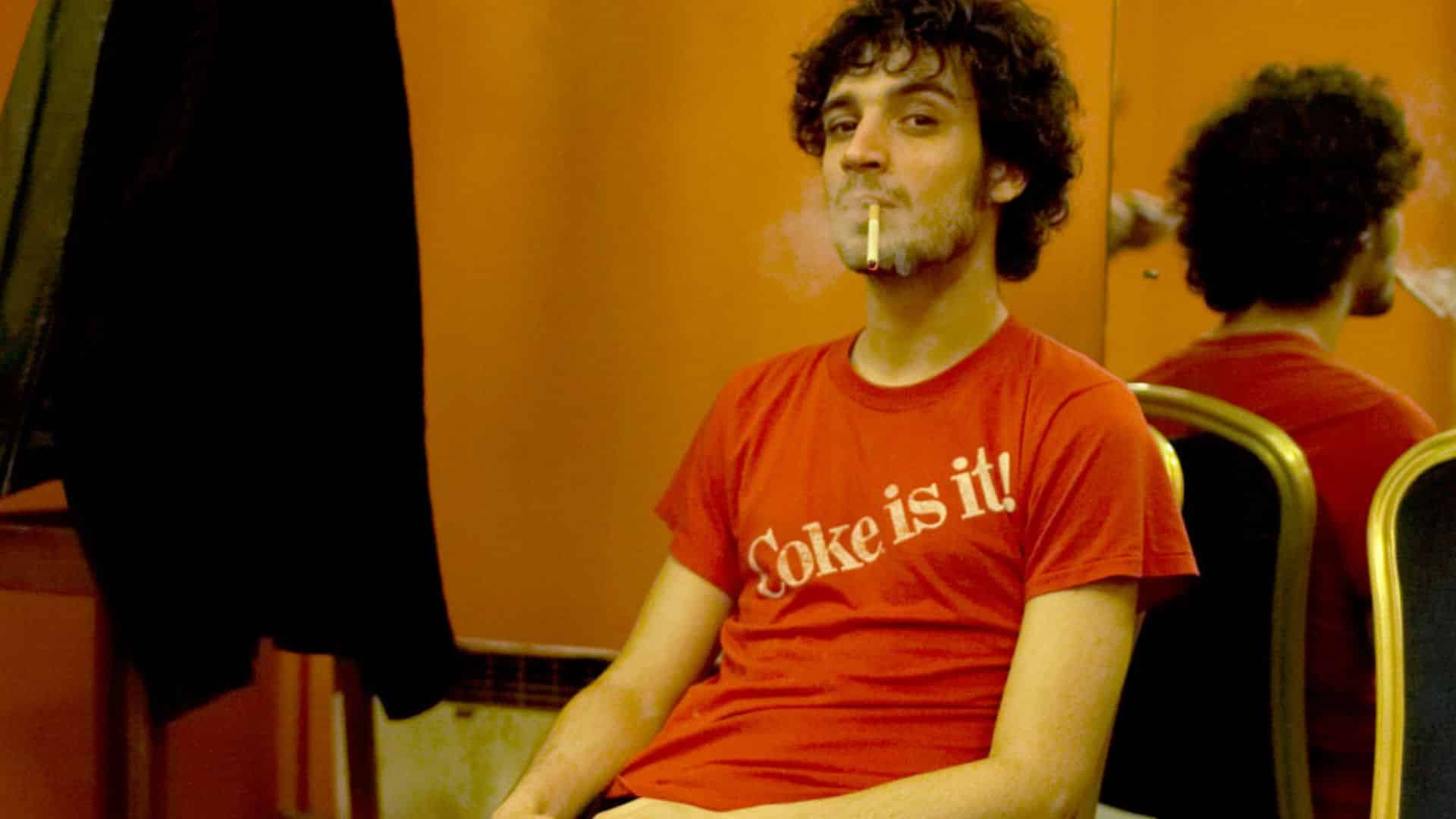
Born: June 2, 1980, Rio de Janeiro, Brazil
Brazilian-born Fabrizio Moretti is the heartbeat of The Strokes, a drummer whose style is deceptively simple but rhythmically essential.
Rather than flashy fills or complex patterns, Moretti plays with a rock-solid steadiness and a feel for space that perfectly complements the band’s compressed, high-energy sound.
His drumming on Is This It and Room on Fire is a masterclass in restraint and groove.
Outside of The Strokes, Moretti co-founded the indie pop side project Little Joy alongside Los Angeles-based musician Binki Shapiro and Brazilian singer-songwriter Rodrigo Amarante of Los Hermanos.
He has also been involved in a project called Machine Gun. Like the other members, his interests extend beyond music into the visual arts and design.
How the Strokes Came Together
The story of The Strokes begins in Manhattan’s private schools and downtown bars of the late 1990s.
In 1998, Julian Casablancas, Nick Valensi, and Fabrizio Moretti started playing together, seeking a rawer, more direct rock sound than what dominated the airwaves. Albert Hammond Jr. and Nikolai Fraiture soon joined, completing the quintet by 1999.
The band built its reputation through relentless gigs in Lower East Side clubs. Their demos caught the attention of manager Ryan Gentles, who guided them to record with producer Gordon Raphael.
Tracks like “The Modern Age,” “Last Nite,” and “Barely Legal” captured their energy and urgency.
Released as the EP The Modern Age by UK label Rough Trade in 2001, the response was immediate, prompting a bidding war among major labels.
By March, they signed with RCA Records, launched their debut album, and cemented their role in the garage rock revival and in shaping 2000s rock music.
Key Albums in The Strokes’ Discography
Is This It (2001)
Debut album, produced by Gordon Raphael.
Critical acclaim: Metacritic score 88; Rolling Stone praised it as legendary.
Charted: #2 UK, #33 Billboard 200 (US); platinum in both countries.
Key singles: “Hard to Explain,” “Last Nite.”
Significance: Shifted cultural conversation around rock music.
Room on Fire (2003)
Produced by Gordon Raphael; tighter, focused record.
Charted: #2 UK (platinum), #4 Billboard 200 (US).
Key singles: “12:51” (#7 UK Singles Chart), “Reptilia” (725M+ Spotify streams).
First Impressions of Earth (2006)
Longer, more experimental, eclectic.
Charted: #1 UK; first Billboard Hot 100 entry with “Juicebox.”
Critical reception: Mixed, showcasing artistic range.
Angles (2011)
Collaborative songwriting from all members.
Key single: “Under Cover of Darkness” (229M+ Spotify streams).
Influences: New wave, synth-pop, classic rock.
Comedown Machine (2013)
Quietly adventurous; minimal promotion or tour.
Features: Falsetto vocals, 80s pop textures.
Key songs: “All the Time,” “One Way Trigger.”
The New Abnormal (2020)
Produced by Rick Rubin; comeback album.
Key single: “The Adults Are Talking” (765M+ Spotify streams).
Awards: Grammy for Best Rock Album (2021).
EPs & Other Releases
The Modern Age EP (2001)
Released by Rough Trade, a three-track demo EP that launched their career.
Future Present Past EP (2016)
Four-track EP on Cult Records bridging Comedown Machine and The New Abnormal.
Fun Facts About The Strokes Members
- Julian Casablancas initially studied at the Lycée Français de New York before attending Dwight School, giving him a multilingual upbringing.
- Nick Valensi was influenced by classic punk and new wave, particularly the Ramones and Television, shaping his distinctive guitar style.
- Albert Hammond Jr. struggled with substance abuse early in his career, which he has openly discussed in interviews as part of his personal growth and creativity.
- Nikolai Fraiture is also a visual artist who collaborates with his brother Pierre under the name Arts Elektra, a New York-based mixed-media performance art project.
- Fabrizio Moretti is a multi-instrumentalist beyond drums, often contributing keyboards and percussion to side projects.
- The band rehearsed most nights at The Music Building in Midtown Manhattan, a 24/7 rehearsal facility that served as the creative incubator for their early sound.
- The Strokes were briefly courted by multiple fashion brands in the early 2000s, reflecting their influence on both style and music.
Conclusion
The Strokes transformed early 2000s rock with a sound that was raw, melodic, and effortlessly compelling.
Each member brings a distinctive energy: Julian Casablancas’ voice, Valensi and Hammond Jr.’s intertwining guitars, Fraiture’s bass, and Moretti’s precise drumming create a sound both urgent and timeless.
Their music blends rhythm, texture, and attitude in ways that continue to inspire artists and fans alike.
For those curious about their creative evolution, exploring solo projects and side bands offers fresh perspectives on each member’s artistry. Experience the innovation and energy that keep The Strokes influential today.
Sources: Britannica, Wikipedia, Grammy.com, Official Charts, NME, Radio X, Last.fm, Setlist.fm
Frequently Asked Questions
When Did The Strokes First Perform Live?
The Strokes played their first live show on September 14, 1999, at The Spiral in Manhattan, months before releasing their debut EP.
What Genres and Musical Styles Define The Strokes’ Sound?
The band blends indie rock, garage rock revival, and post-punk revival and later incorporates new wave and synth-pop influences, evolving their distinctive sound over time.
Which Artists Have The Strokes Directly Influenced?
Arctic Monkeys, The Killers, Franz Ferdinand, Wet Leg, and We Are Scientists have all credited The Strokes with shaping their musical style and careers.