
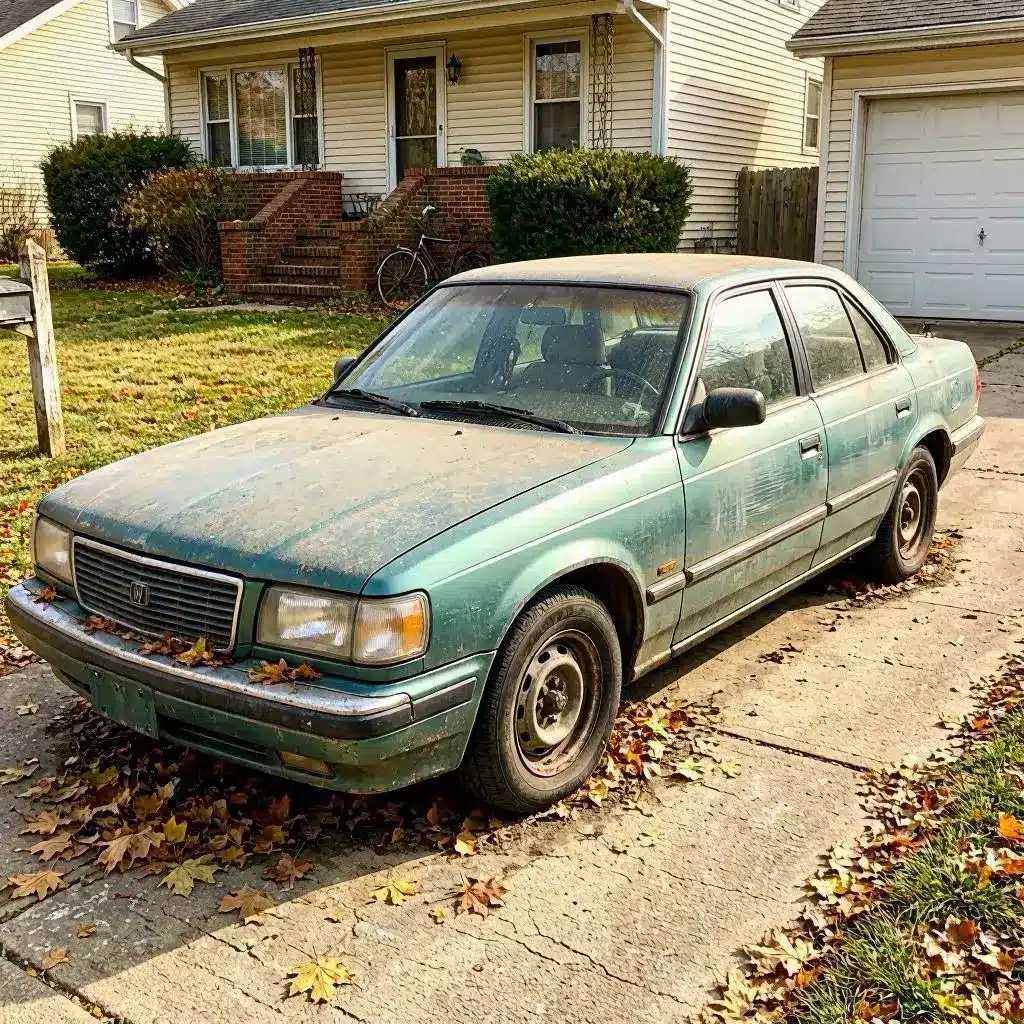

That car sitting in your driveway is costing you more than you think. Even if it never leaves the curb, the bills keep showing up.
A vehicle that will not start feels harmless, but time quietly chips away at your wallet. Storage fees, insurance, registration, and falling resale value all add up faster than most owners expect.
Storage and Space Add Up Fast With a Non-Running Car
Finding a place to park a non-running car is rarely free. If it is not in your garage, you are likely paying for storage.
According to research by Neighbor, vehicle storage in the U.S. typically ranges from $45 to $450 per month depending on location. Even the national average hovers around $200 per month based on 2024 data from Move.org. That could mean $2,400 a year just to let a car sit.
Beyond the monthly rate, facilities often charge admin fees, taxes, and insurance. You are paying to protect a vehicle that is losing value every single day.
Repairs Get More Expensive the Longer It Sits
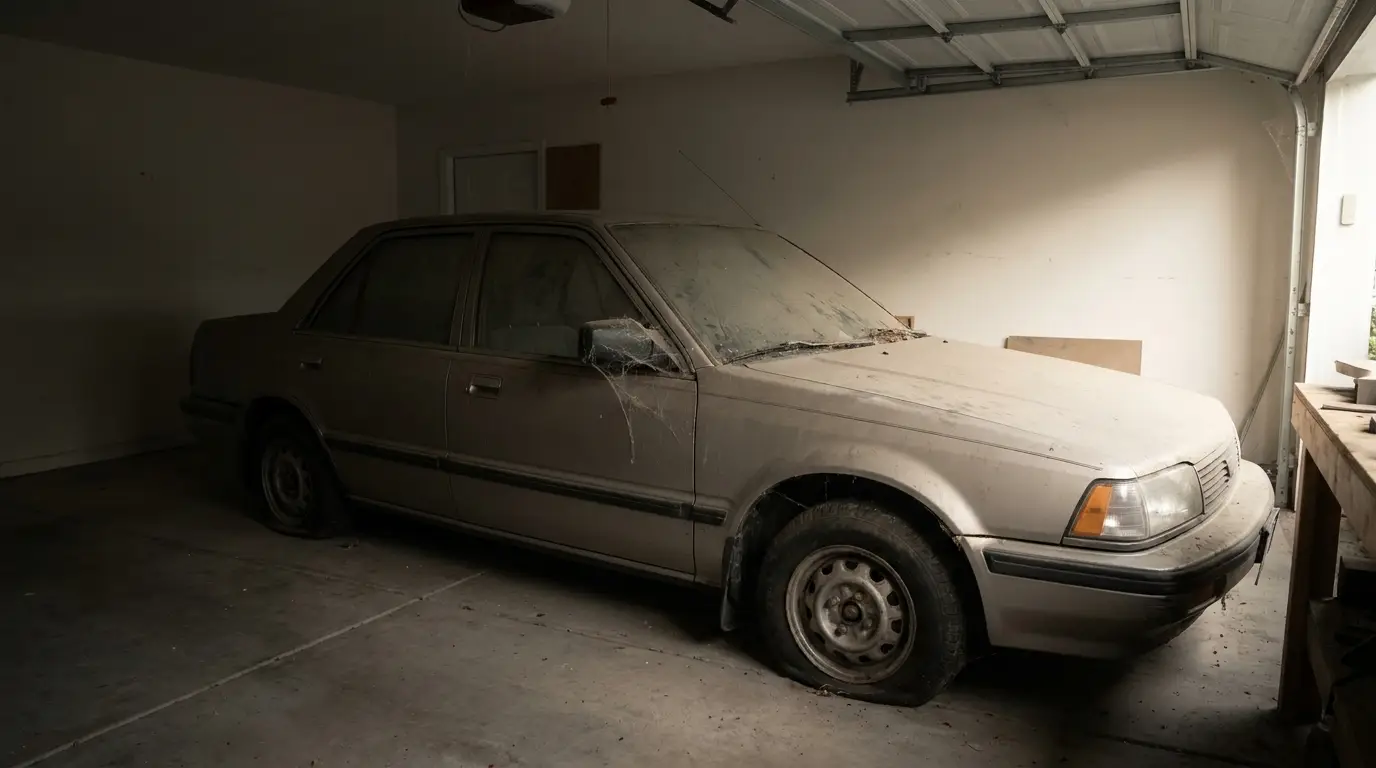
Cars are built to move. When they sit idle, problems multiply.
Fluids break down, batteries die, tires develop flat spots, and moisture creeps into places it should not. What might have been a simple fix six months ago can turn into a full system repair.
A 2025 analysis by SHiFT points out that many drivers continue paying insurance on unused vehicles “just in case.” Keeping minimum coverage may feel responsible, but it adds hundreds of dollars a year to a car that is not generating any value.
Registration and Penalties Do Not Pause
Registration costs continue whether the engine runs or not. Missing renewal deadlines can trigger steep penalties.
For example, the California DMV notes that late payments can include percentage-based penalties on top of registration fees. That can quickly turn a manageable bill into an expensive mistake.
You may be holding onto the car for “later,” but the state still expects its payment on time. Delays only make the total higher.
Depreciation and Opportunity Cost
Every year a vehicle ages, it loses value. A car that does not run often depreciates faster because buyers assume higher repair risk.
There is also the opportunity cost to consider. The space in your garage or driveway could be used for something more practical, and the money tied up in that car could be working elsewhere.
In many cases, exploring options like non-running car removal can help you recover some value without investing more into repairs or storage. Services like Cash For Cars evaluate damaged or non-operational vehicles and handle pickup, which can save both time and additional towing fees.
A Smarter Financial Move for Your Driveway
Letting a non-running car sit feels harmless at first, but the long-term math adds up quickly. Storage, insurance, registration, and depreciation quietly drain your budget.
If keeping it no longer makes financial sense, explore your options. Selling or removing the vehicle can free up space, reduce expenses, and return value.