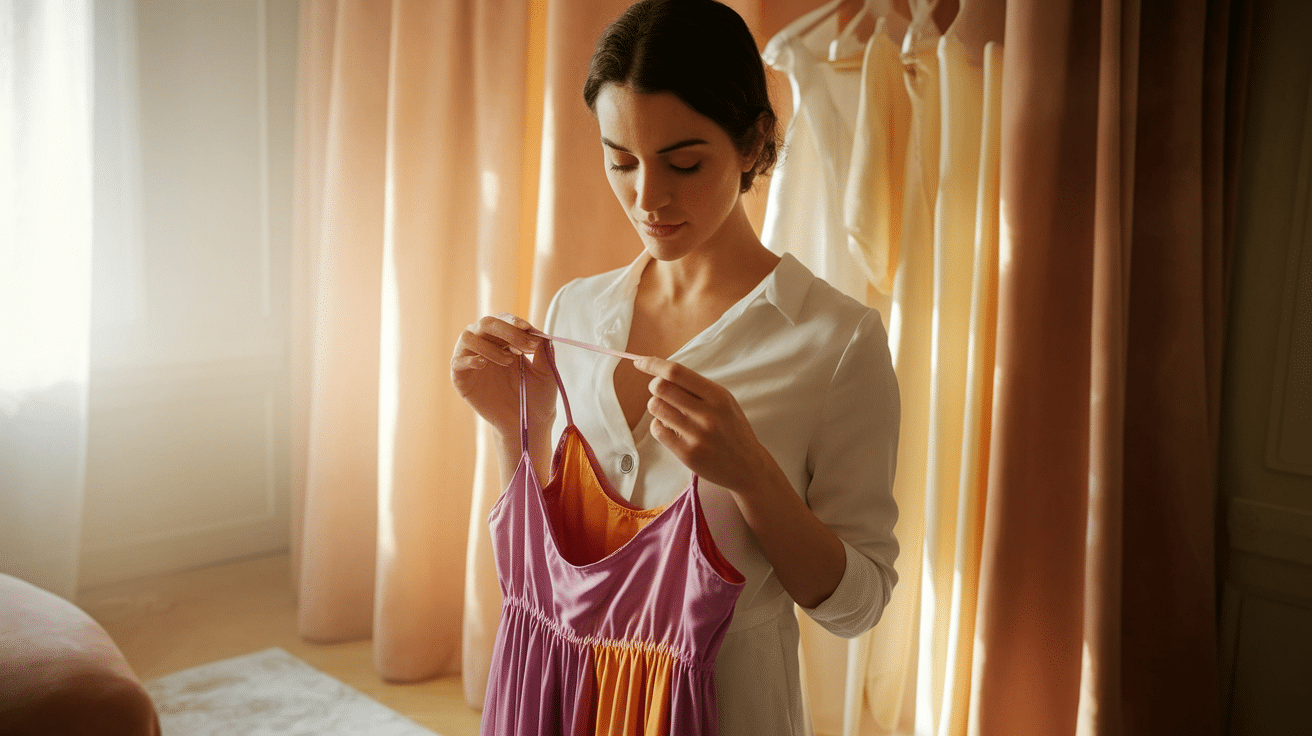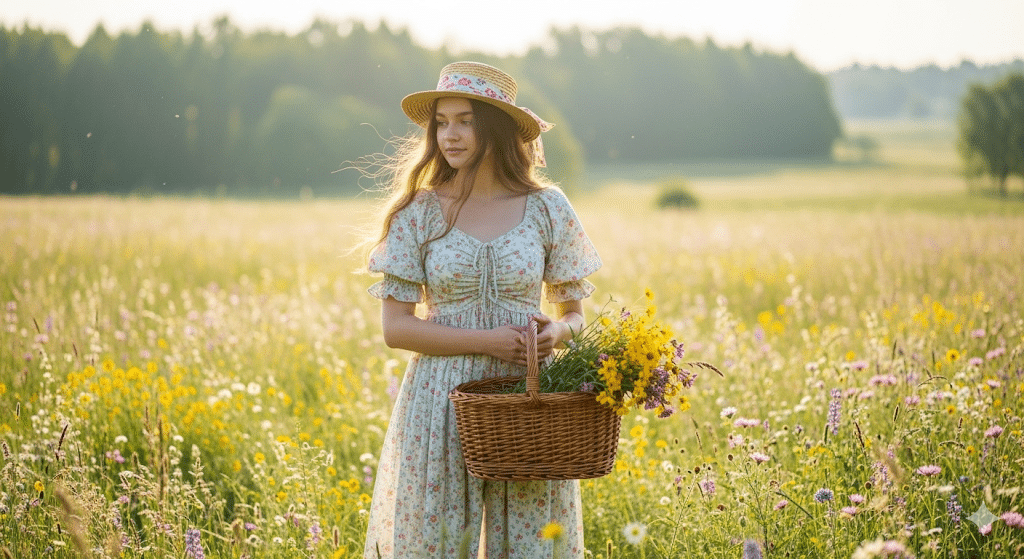


Fashion can be joyful without piling on waste. With a little intention, your outfits can feel sharper, last longer, and reflect what you care about. Small choices stacked over time make a big difference.
Why Sustainable Style Feels So Now
The conversation has shifted from short trends to long wear. People want pieces that work across seasons, not just a single event. Buying less and choosing better is quickly becoming the norm.
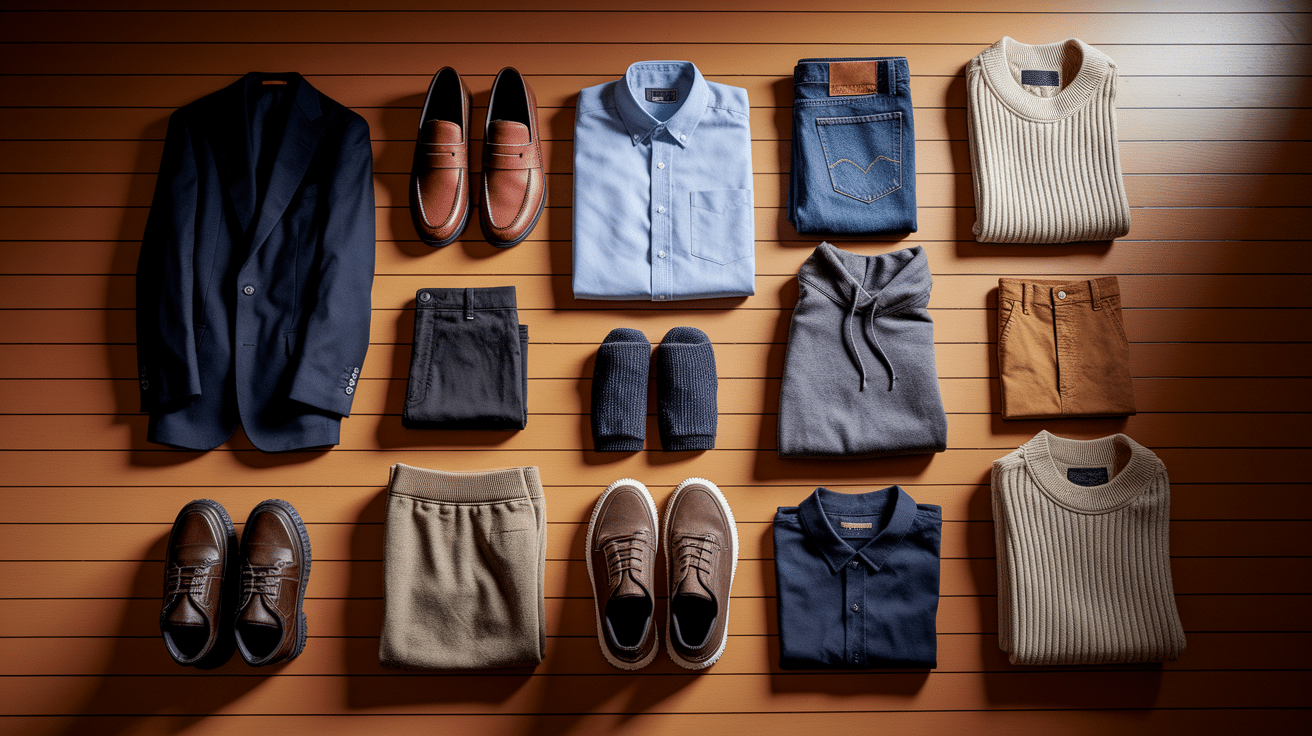
Versatility is the quiet hero of a modern closet. When colors and shapes mix well, you repeat outfits without anyone noticing. The result is less stress and more mileage.
Style also feels richer when the story goes beyond the surface. Knowing how something was made adds meaning. That connection makes you reach for it again.
Bags With A Past, Not A Footprint
Great style often comes from character. The sweetest finds are pieces with history that still feel current – explore pre-owned chic eco-friendly handbags to discover silhouettes made to last, then fold them into outfits you already own. That gentle patina reads intentional, not throwaway.
Let the bag do the anchoring while the rest of the look stays simple. Try a crisp shirt, relaxed trousers, and a well-made tote or crossbody. The balance feels effortless.
Buying secondhand also supports circular habits. You extend the life of quality work that already exists. That is style with a lighter footprint.
Materials That Look Good And Do Better
Material choice shapes both look and impact. A major newspaper analysis reported that heavy use of virgin polyester is pushing fashion’s emissions higher, which makes durable fibers more compelling. Long-lasting builds help you resist quick turnover.
Reach for organic cotton twill, sturdy canvas, or refined plant-based alternatives. These fabrics drape cleanly and age with character. They also avoid the plastic slick finish that can date a piece.
Quiet texture is your friend. Subtle ribbing or a pebbled hand adds depth without shouting. It keeps simple outfits from feeling flat.
From Promises To Proof
Shoppers are reading sustainability pages with sharper eyes. Reporting from a major UK outlet noted that many big labels still lack clear, public plans to cut emissions. That pushes all of us to reward brands that publish measurable goals.
Until progress is consistent, your best move is to buy fewer and better. Pick items that can handle wear and repair. Small repairs beat full replacements.
Transparency should feel normal, not rare. If details are vague, pause before you buy. Your budget is a vote.
Quality Checks That Matter
A quick inspection tells you a lot. Stitching should be tight and even, with clean bar tacks at stress points. Zippers and clasps should glide without snags.
- Feel for substance, not stiffness
- Check corners and straps for reinforcement
- Open the lining to review the clean construction
- Test closures and adjusters for smooth action
Hardware is the giveaway. Solid metal feels cool and steady in hand. If the finish chips fast, the piece will age poorly.
Color And Texture That Age Well
Timeless does not mean plain. Deep chocolate, olive, navy, charcoal, and oxblood pair with most outfits and hide scuffs that show up on lighter shades. Soft white and stone can work too when the texture is rich, and the finish is matte. If you love brights, keep them grounded by pairing with neutrals that have similar depth.
If you want a lift, add one citrus accent like lemon or mandarin. Keep it to a cardholder, scarf, or small pouch so the look stays balanced. A single pop beats a loud clash and draws the eye to clean lines. Repeat that accent once more in a print or nail color for quiet cohesion.
Mixing finishes creates depth without noise. Try pebbled leather with brushed twill, or waxed canvas, next to soft suede. Matte next to a mild sheen looks modern and calm while hiding the wear of daily life. Aim for 2 to 3 textures per outfit so the balance feels intentional, not busy.
Care Moves That Stretch Lifespan
Small habits make a big difference. Store structured bags upright with tissue to keep shape. Use dust covers to block light.
Brush fabric or plant-based surfaces and spot clean gently. Avoid harsh cycles that break fibers. Air dry away from direct heat.
Rotate pieces week to week so straps and corners wear evenly. Treat scratches early with the right balm. Repair before replacing.
No outfit needs to shout to feel considered. Start with a simple base, add one textural layer, then let a distinctive bag do the anchoring. Keep jewelry minimal so the lines stay clean.
Edit as you wear. When something no longer works, resell or donate it so the piece finds a second life. Space in your closet is a resource.
Building a wardrobe that lasts is a slow, satisfying process. With attention to materials, quality, and care, you end up with pieces that work hard and feel special. That is the kind of chic that never dates.