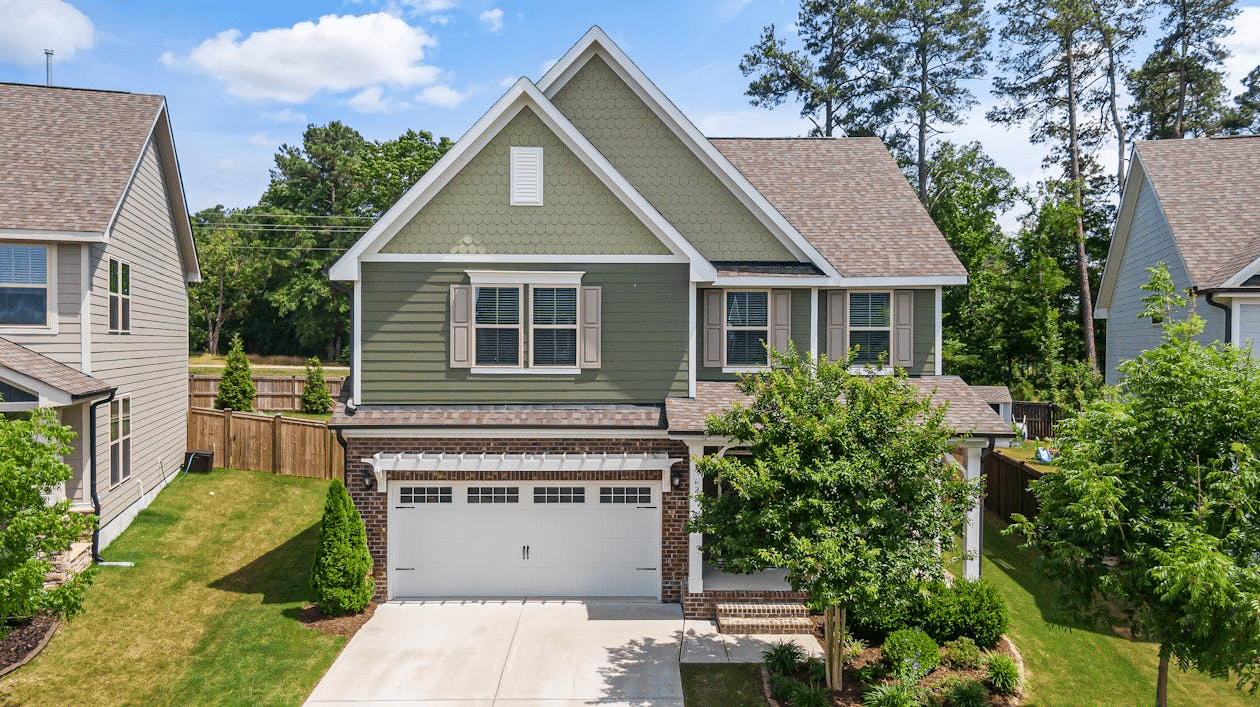


On hot days, most people blame their AC if the house never quite cools down. Few stop to consider where cold air actually enters each room. Yet air direction and vent location can make as much difference as the size of the system itself. An air conditioner can run flawlessly while the rooms remain uncomfortable simply because airflow never reaches the right places.
In many homes, disappointing cooling performance isn’t caused by mechanical failure. It’s the quiet result of overlooked vent placement, HVAC choices made during construction or later remodels.
Common Vent Placement Mistakes
One of the most common mistakes is placing vents directly behind sofas, cabinets, or curtains. Cold air hits an obstacle and stagnates instead of flowing throughout the room. The result is chilly corners and warm seating areas — an uneven comfort map that people often assume the thermostat should solve.
Another issue appears when vents are mounted high on walls without supporting circulation layouts. Cool air drops quickly and never blends into the room properly. Homes with these layouts tend to experience poor air distribution, where some spaces overcool while others struggle to change temperature at all.
How Poor Vent Placement Reduces Cooling Effectiveness
A cooling system relies on predictable circulation loops. Air should move into the space, mix evenly, and then return smoothly to be reconditioned. That loop is broken when vents are positioned in confined spaces, aimed at walls, or blocked by furniture.
Conditioned air pools in confined spaces instead of circulating completely due to the disruption of HVAC airflow. Inaccurate temperature readings from thermostats cause the system to run longer than is necessary. The system just works harder rather than smarter to address inconsistent comfort.
It’s a subtle problem that homeowners often miss until energy bills rise or certain rooms never cool properly.
Energy Waste and Cost Implications
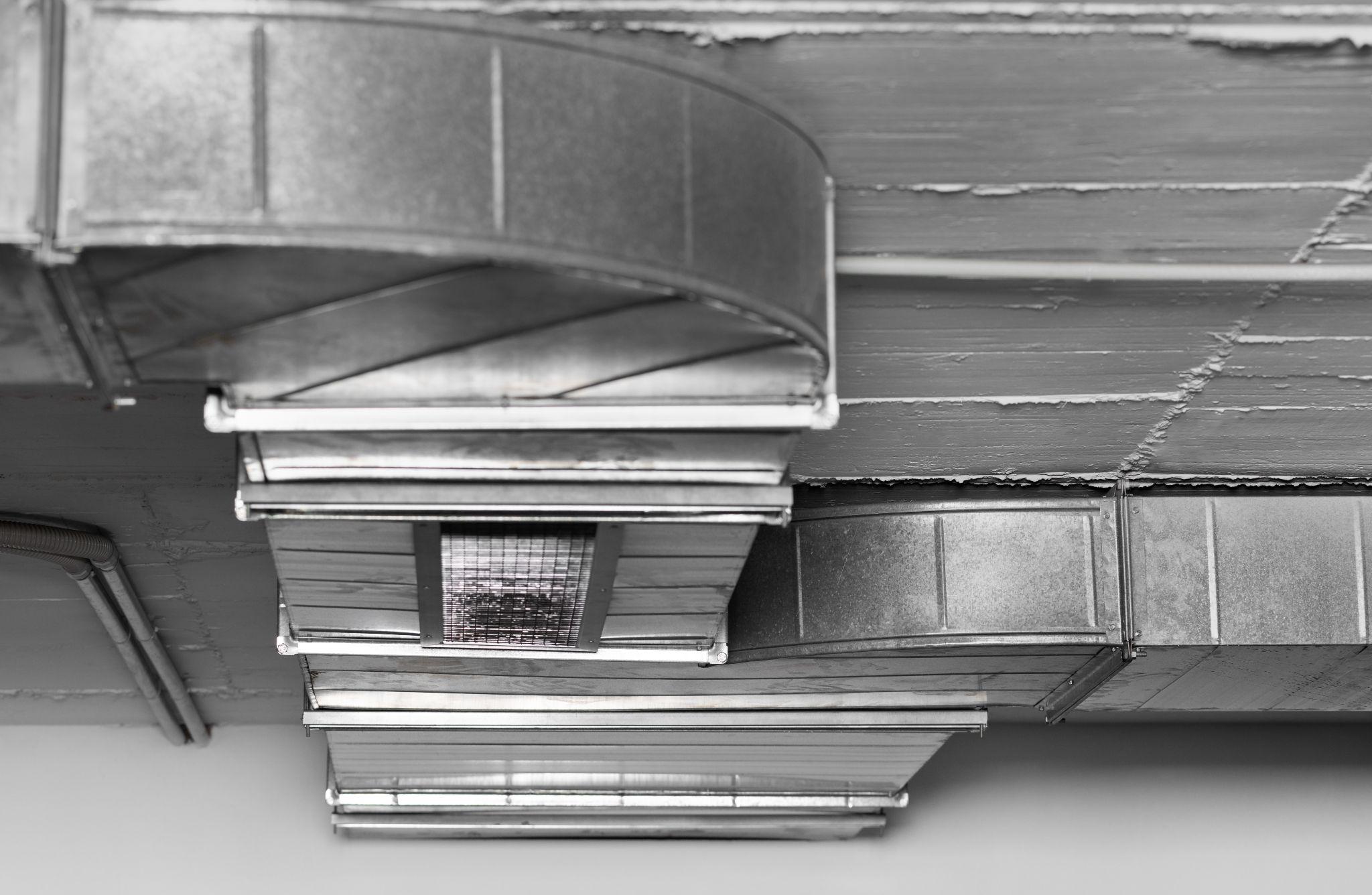
When airflow struggles to circulate, cooling cycles stretch out. The unit remains active longer, compressor loads increase, and overall wear accelerates. Over a single season, this might go unnoticed — but year after year, consequences add up quickly.
In areas like HVAC in Redwood City, where peak summer energy demands already strain household budgets, inefficient air circulation amplifies cooling costs without visibly improving comfort. The system consumes more electricity, yet homeowners rarely feel that expense translates into better performance.
Comfort and Indoor Air Quality Consequences
More is impacted by uneven airflow than just temperature. Minimal circulation causes humidity, dust, and stagnant air to build up in a room. Inadequate mixing hinders the constant operation of filtration throughout the home.
Additionally, these areas of restricted airflow can exacerbate musty smells and allergy symptoms, particularly in beds or other small spaces with little ventilation. The degree of comfort varies from room to room, causing homeowners to constantly change their thermostats without ever addressing the root problem of airflow.
How to Improve Vent Placement and Airflow
Not all airflow issues require tearing into ductwork. Simply reorienting vent louvers often enhances circulation immediately. Moving furniture away from airflow paths clears blocked distribution channels.
In more advanced cases, technicians use balancing dampers, return vent adjustments, or airflow testing to fine-tune circulation. A professional assessment of vent placement HVAC patterns helps identify pressure imbalances and dead zones that simple adjustments can correct without major construction.
When to Consider a Full System Redesign
Older duct layouts that were never intended for modern living habits are the cause of some airflow issues. Multi-level extensions, altered floor layouts, and home additions can amplify initial design problems to unsustainable proportions.
A complete duct layout can be the only long-term answer when frequent tweaks don’t work and temperature zones continue to be erratic. Strategic vent relocation and return optimization restore proper circulation loops, allowing the cooling system to perform as efficiently as it was intended.
Conclusion
Cooling systems depend on air movement as much as mechanical cooling ability. Poor vent layouts quietly sabotage otherwise healthy systems.
Ignoring airflow design continues a cycle of wasted energy and uneven comfort. By addressing distribution patterns early, homeowners can restore balanced cooling performance, protect system longevity, and finally experience consistent comfort throughout every part of the home.