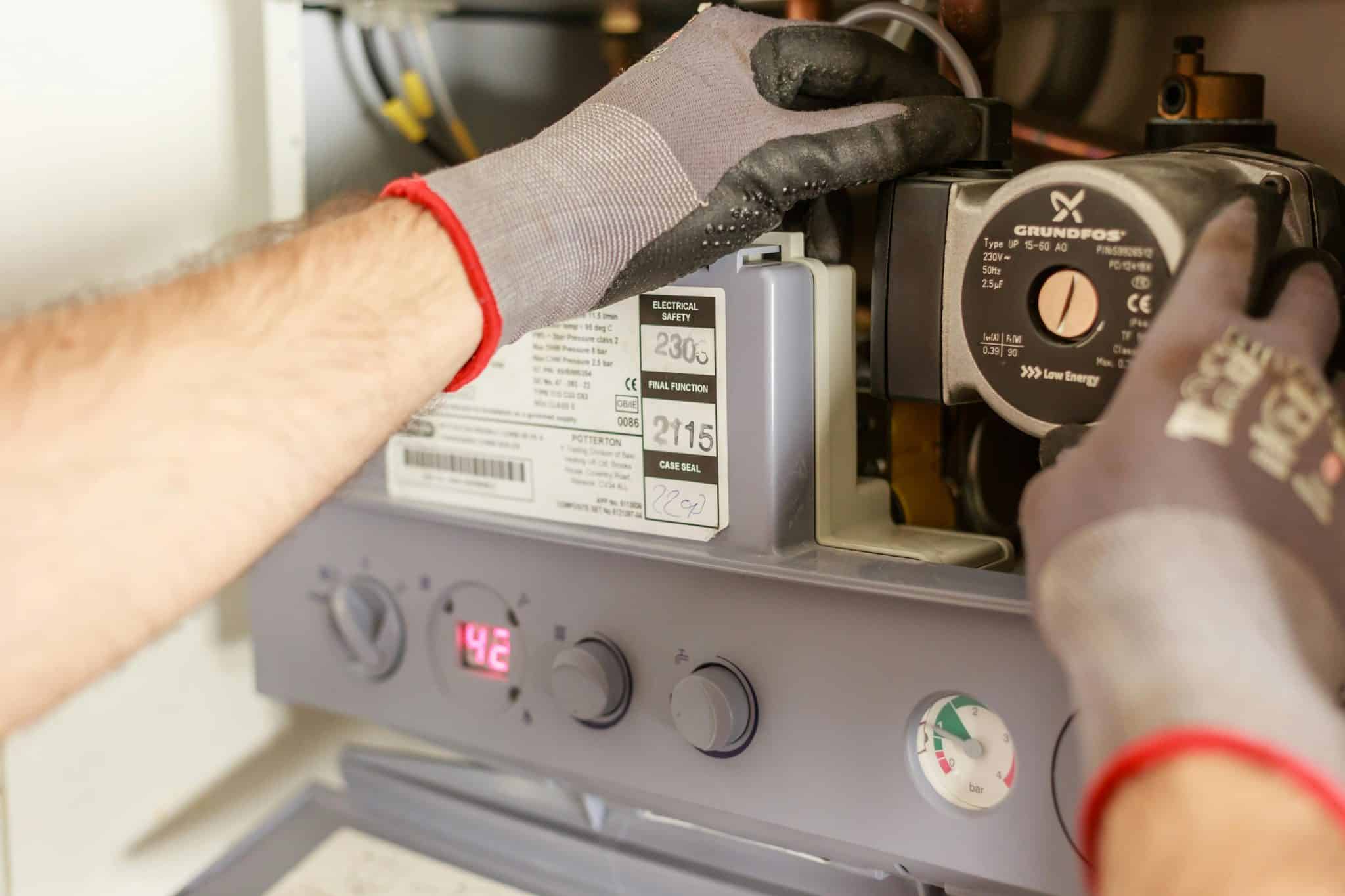

By the Certified Technicians at EasyFix Appliance LTD | Technical Safety BC Certified | 20+ Years Industry Experience
Most appliance breakdowns are preventable. After two decades of repairing refrigerators, washers, dryers, and kitchen appliances across thousands of homes, we have seen the same problems repeat themselves. The good news? Many of these issues come down to simple maintenance tasks that any homeowner can handle with basic tools and about 30 minutes of time.
This guide covers the essential maintenance tasks for each major household appliance. We will explain what to do, how often to do it, and when a problem requires professional help. These are the same preventive measures we recommend to our customers at EasyFix Appliance Repair, and they consistently help households avoid costly emergency repairs.
Refrigerator Maintenance
Clean the Condenser Coils Every Six Months
The condenser coils release heat from inside your refrigerator. When dust and pet hair coat these coils, your compressor works harder to maintain temperature. This increases energy consumption by 15 to 25 percent and shortens compressor life significantly.
To clean the coils, unplug the refrigerator first. Locate the coils either behind a grille at the bottom front or on the back of the unit. Use a coil brush, which costs about eight dollars at hardware stores, to gently remove dust buildup. Finish with a vacuum cleaner attachment to collect loose debris. The entire process takes 15 minutes and can extend your refrigerator’s lifespan by several years.
Check and Replace Door Seals
A worn door seal allows cold air to escape, forcing the compressor to run continuously. Test your seals by closing the door on a piece of paper. If the paper slides out easily, the seal needs attention. Clean seals monthly with warm water and mild dish soap. Avoid petroleum based cleaners, which degrade rubber over time. If cleaning does not restore a tight seal, replacement gaskets are available through appliance parts suppliers and typically cost between 40 and 80 dollars.
When to Call a Professional
Contact a technician if your refrigerator makes unusual clicking or humming sounds, if frost builds up inside a frost free model, or if temperatures fluctuate despite clean coils and good seals. These symptoms often indicate compressor, thermostat, or defrost system issues that require diagnostic equipment.
Washing Machine Care
Run a Cleaning Cycle Monthly
Detergent residue, fabric softener, and mineral deposits accumulate inside your washer drum and drain system. This buildup creates odors and can eventually clog the drain pump. Once per month, run an empty hot water cycle with two cups of white vinegar or a commercial washer cleaner. For front load machines, pay special attention to the rubber door gasket where moisture and residue collect.
Inspect Water Supply Hoses
Rubber supply hoses deteriorate from the inside out, and a burst hose can release hundreds of gallons of water per hour. Check hoses every three months for bulges, cracks, or stiffness. Replace rubber hoses every five years regardless of appearance, or upgrade to braided stainless steel hoses, which last longer and resist bursting. This 30 dollar investment prevents water damage that can cost thousands to repair.
Level the Machine Properly
An unbalanced washer vibrates excessively during spin cycles, damaging internal suspension components and bearings. Place a level on top of the machine and adjust the feet until the bubble centers. Most washer feet have locking nuts that secure the height adjustment. Recheck levelness after moving the machine or if excessive vibration develops.
Dryer Safety and Efficiency
Clean the Lint Trap After Every Load
A clogged lint screen reduces airflow, extending drying times and increasing energy costs. More importantly, lint is highly flammable. According to the National Fire Protection Association, dryers cause approximately 13,000 home fires annually in North America, and failure to clean lint traps is the leading contributing factor. Remove and clean the screen after every single load without exception.
Deep Clean the Dryer Vent System Annually
Lint accumulates throughout the entire vent duct, not just at the screen. A partially blocked vent causes clothes to take longer to dry, increases energy consumption, and creates a serious fire hazard. Disconnect the vent hose from the back of the dryer and use a vent brush kit to clean the entire length of ductwork to the exterior. Check that the outside vent flap opens freely when the dryer runs.
Signs that your vent needs immediate cleaning include clothes still damp after a normal cycle, the dryer exterior feels hot to the touch, a burning smell during operation, or the outside vent flap does not open when the dryer runs. Professional dryer vent cleaning services can handle long or complex duct runs and use specialized equipment to remove compacted lint.
Dishwasher Maintenance
Clean the Filter Regularly
Modern dishwashers use a filter instead of a food grinder, which means debris collects rather than being disposed of. Locate the filter at the bottom of the dishwasher interior, usually beneath the lower spray arm. Remove it by twisting or lifting, then rinse under running water while scrubbing with a soft brush. Clean the filter every two to four weeks depending on usage. A clogged filter causes poor cleaning performance and can lead to drainage problems.
Inspect and Clean Spray Arms
The spray arm holes can become blocked with food particles or mineral deposits, resulting in poor cleaning. Remove the spray arms periodically and hold them up to light to check for blockages. Clear obstructed holes with a toothpick or thin wire. Soak heavily scaled arms in white vinegar for 30 minutes to dissolve mineral buildup.
Run a Cleaning Cycle
Once per month, run an empty cycle with a cup of white vinegar placed in the top rack to remove grease and mineral deposits from the interior surfaces and spray arms. This keeps your dishwasher smelling fresh and operating efficiently.
Stove and Oven Care
Keep Burner Ports Clear
For gas stoves, the small ports around the burner cap must remain clear for proper flame distribution. Food debris and grease can clog these openings, causing uneven flames, yellow flames instead of blue, or difficulty igniting. After the burners cool completely, remove the burner caps and clean the ports with a wooden toothpick or needle. Never use metal tools, which can enlarge the ports and permanently affect flame performance.
Clean Electric Coil Connections
Electric coil burners plug into receptacles that can accumulate carbon buildup over time, causing the element to heat unevenly or not at all. Lift out the burner elements and gently clean both the male plug ends and the female receptacles with fine sandpaper or a pencil eraser. This simple step often restores full function to burners that seem to be failing.
Maintain Oven Door Seals
The gasket around your oven door keeps heat inside where it belongs. A damaged seal causes temperature inconsistency, longer cooking times, and higher energy bills. Inspect the seal for cracks, gaps, or hardened sections. Clean it with warm soapy water and avoid abrasive cleaners. Replace the gasket if it no longer springs back when pressed or if you feel heat escaping during operation.
Microwave Maintenance
Keep It Clean Inside
Food splatter inside a microwave absorbs energy during operation, reducing efficiency and potentially damaging the interior coating. Wipe spills immediately after they occur. For stubborn buildup, heat a bowl of water with lemon slices for three minutes, then let it sit with the door closed for five minutes. The steam loosens dried food, which then wipes away easily.
Check Door Seal and Latch
A microwave with a damaged door seal or faulty latch should not be used. The door interlock system prevents operation when open, and damage to this system is a safety concern. If your microwave runs with the door not fully latched, or if you notice damage to the seal around the door, discontinue use and have it inspected by a qualified technician.
Range Hood Maintenance
Clean or Replace Filters Monthly
Your range hood filter captures grease and smoke particles to protect the exhaust fan motor and ductwork. Mesh aluminum filters should be cleaned monthly in hot soapy water or run through the dishwasher. Charcoal filters in recirculating hoods cannot be cleaned and need replacement every three to six months depending on cooking frequency.
Clean the Fan and Housing
Grease eventually makes its way past the filter and accumulates on fan blades and the interior housing. Twice per year, remove the filters and wipe down all accessible interior surfaces with a degreasing cleaner. Grease buildup on fan blades causes imbalance, noise, and reduced airflow. Heavy accumulation is also a fire hazard.
Barbecue Grill Care
Clean Burner Tubes and Ports
Gas grill burners have small ports along their length that can become clogged with grease, food debris, or even spider webs during storage. Blocked ports cause uneven heating, hot spots, and difficulty lighting. At least twice per grilling season, remove the burner tubes and clear each port with a thin wire or pipe cleaner. Inspect the tubes for rust or damage and replace any that are deteriorating.
Check Gas Connections for Leaks
At the start of each grilling season and whenever you reconnect the propane tank, test all gas connections for leaks. Mix equal parts dish soap and water, apply to connection points, and turn on the gas. Bubbles indicate a leak. Tighten connections or replace damaged fittings before using the grill. Never use a grill with a suspected gas leak.
When to Call a Professional
While regular maintenance prevents most problems, some repairs require professional expertise and specialized tools. Call a certified technician when you encounter gas leaks or smell gas, electrical problems such as sparking outlets or tripped breakers, refrigerant issues in refrigerators or freezers, electronic control board failures, unusual burning smells from any appliance, or persistent problems after attempting DIY maintenance.
Attempting complex repairs without proper training can void warranties, create safety hazards, or cause additional damage that increases repair costs. For residents of Victoria and the surrounding area, professional appliance repair services provide the expertise needed for safe and effective repairs.
Building Good Maintenance Habits
Appliance maintenance works best when it becomes routine. Keep a simple calendar reminder for monthly tasks like cleaning your washer and dishwasher filter. Schedule seasonal maintenance for dryer vent cleaning and outdoor grill preparation. These small investments of time pay dividends through lower energy bills, fewer emergency repairs, and appliances that last years longer than neglected ones.
The most important thing is to pay attention to how your appliances normally operate. Changes in sound, smell, performance, or energy consumption often signal developing problems that are easier and cheaper to address early. When something seems off, investigate promptly rather than waiting for a complete breakdown.
About EasyFix Appliance LTD
EasyFix Appliance LTD is a BBB accredited appliance repair company serving Greater Vancouver and Victoria, British Columbia. Our Technical Safety BC certified technicians bring over 20 years of combined experience to every service call. We repair refrigerators, washers, dryers, dishwashers, stoves, ovens, microwaves, range hoods, and barbecue grills. We also provide professional dryer vent cleaning services.