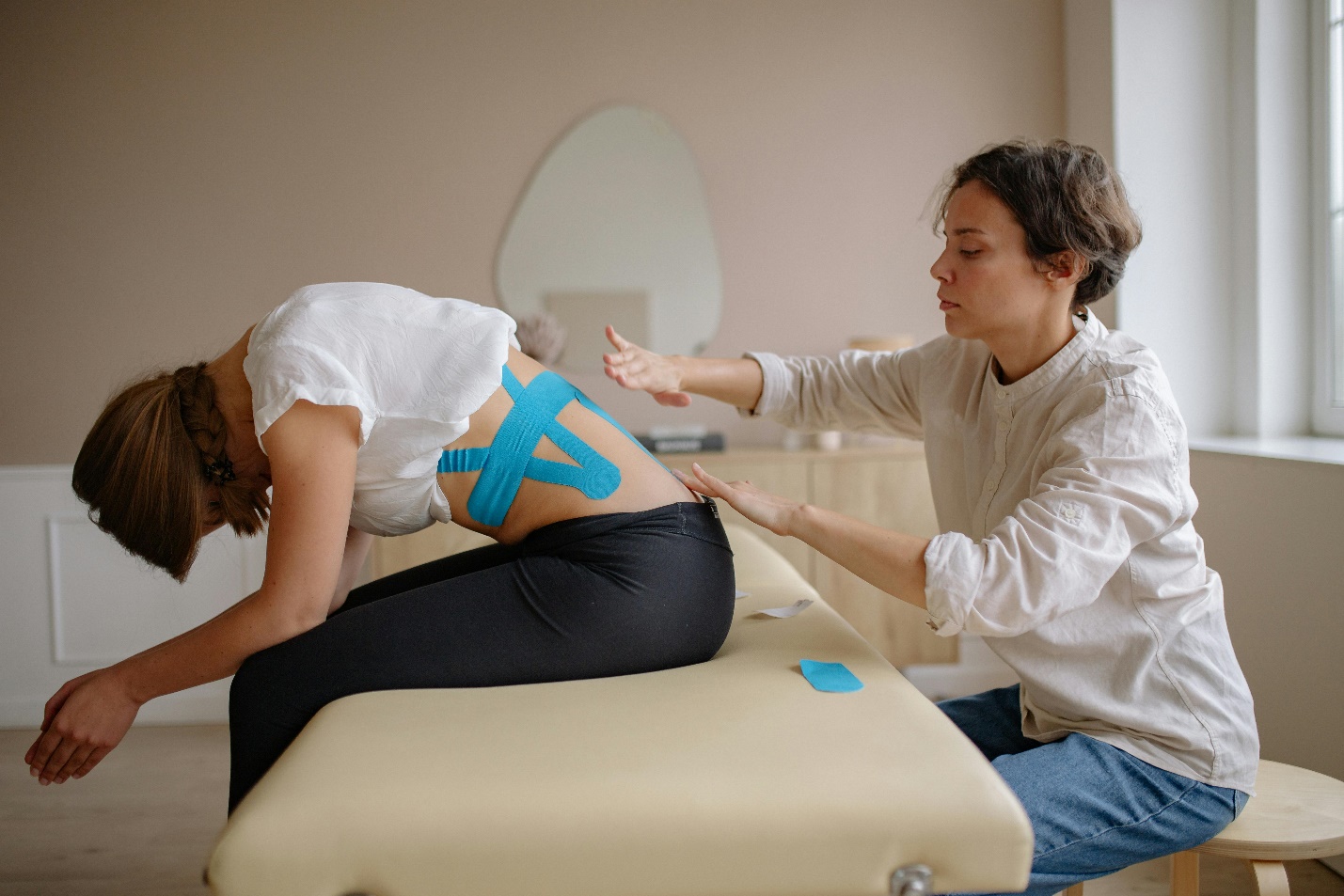

Ever wake up with back pain and tell yourself it’s just how you slept, even though it doesn’t quite feel true? That doubt creeps in when the ache sticks around, follows you through the day, and changes how you move without asking permission.
Disc problems often arrive this way. Quietly. They don’t feel like injuries. They slip into routines, get normalized, and stay unnamed for a long time.
How Disc Problems Often Begin
Spinal discs sit quietly between the bones of the spine, absorbing pressure when everything works as it should. When they begin to change, the signs are easy to miss. Morning stiffness lasts longer. Sitting through meetings leaves a dull ache. Pain fades one day, then returns without warning. What confuses people most is the inconsistency. One movement feels normal, the next doesn’t. Discomfort may stay in the lower back or shift slightly. Without noticing, people adjust their posture or avoid certain motions. Those small adaptations can mask disc problems for months before pain finally disrupts daily life.
When Lower Lumbar Disc Changes Affect Nerves
The lower spine carries most of the body’s weight and handles bending, lifting, and twisting. Discs in this area wear down more easily because of constant load. When a disc begins to bulge, nearby nerves can become irritated, and symptoms move beyond local back pain. Discomfort may travel into the hips, thighs, or legs. Some people notice tingling or a dull ache that doesn’t respond to rest. Sitting may worsen symptoms, while standing brings relief, or the opposite can happen.
Issues involving the L3 and L4 vertebrae often affect the front of the thigh and the knee area. The pain can feel disconnected from the spine, which delays recognition. Recognizing L3-L4 disc bulge symptoms will ensure that you get the right treatment at the right time before the problem worsens.
Pain That Reacts to Posture and Position
Disc-related pain often responds strongly to posture. Leaning forward may increase discomfort. Lying flat may help, or sometimes make it worse. These reactions aren’t random. They reflect how pressure shifts within the spine.
People commonly report pain after long periods of sitting, driving, or desk work. Standing offers temporary relief, followed by stiffness. Others feel pain during routine tasks like bending to tie their shoes or lifting groceries. These moments are easy to dismiss, but they reveal how the spine handles load.
Pain that improves with gentle movement but worsens with long periods of stillness is another common signal. Discs depend on motion to stay nourished. When movement decreases, discomfort often increases, creating a frustrating cycle.
Numbness, Tingling, and Quiet Weakness
Not all disc problems feel sharp or dramatic. Some appear as changes in sensation. Tingling, numbness, or a feeling that one leg doesn’t quite match the other often goes unnoticed at first. Shoes may feel different. Balance may feel slightly off on stairs.
Weakness is even harder to catch. It rarely shows up as a sudden loss of strength. Instead, tasks require more effort. Standing from a chair feels heavier. Knees feel less stable. These changes creep in slowly and are easy to explain away as fatigue or aging.
When nerves are compressed, muscles receive weaker signals. Over time, coordination and strength suffer, even if pain stays manageable.
How Disc Pain Differs from Muscle Strain
Muscle pain usually follows a clear cause. You lift something heavy, overdo a workout, or sleep awkwardly. It improves steadily with rest. Disc pain is less predictable. It comes and goes. It changes location. It doesn’t always respond to stretching.
Another difference is how pain travels. Muscle pain stays near the source. Disc-related pain follows nerve paths, which is why discomfort shows up in the legs even when the back feels relatively calm.
Treatment response matters too. Stretching may help muscles, but worsen disc issues if done incorrectly. Heat and ice provide temporary relief without resolving pressure. When pain persists despite basic care, a disc problem becomes more likely.
Daily Habits That Quietly Strain Discs
Many disc problems don’t start with a single injury. They build through ordinary routines that rarely get questioned. Sitting for long stretches, especially without proper support, increases pressure inside the discs and limits the small movements they rely on to stay healthy. Phones and laptops add to the problem by pulling the head and shoulders forward, shifting extra load into the lower back without much warning.
Lifting habits matter even outside physical jobs. Reaching down for laundry, groceries, or tools over and over places repeated stress on the same spinal segments. Over time, discs lose hydration and flexibility, which makes them less able to absorb force. Sleep plays a role too. A mattress that doesn’t support alignment can leave the spine under strain for hours. Morning stiffness that eases with movement is often the first clue.
When Evaluation Becomes Important
Not every backache needs medical attention, and most people know that. Still, there’s a point where waiting stops being helpful. Pain that lingers for weeks, worsens instead of settling, or begins spreading into the hips or legs deserves a closer look. The same is true for changes in sensation, balance, or strength, even when they seem minor. Early evaluation doesn’t mean surgery is inevitable.
In many cases, disc issues respond well to conservative care when caught early. What matters is recognizing patterns before the body starts compensating in ways that create new problems elsewhere.
Why Early Recognition Matters
Disc problems rarely resolve on their own if habits stay the same. Without changes, they tend to progress. Early recognition opens more options and reduces long-term disruption.
Understanding symptoms brings clarity. Instead of guessing, there’s context. Pain becomes information rather than a mystery.
Disc problems are common, but they shouldn’t be normalized away. Paying attention to how pain behaves, where it travels, and how it reacts to daily habits offers valuable insight. Recognizing the signs early gives you more control over what comes next, rather than letting discomfort quietly reshape your life.