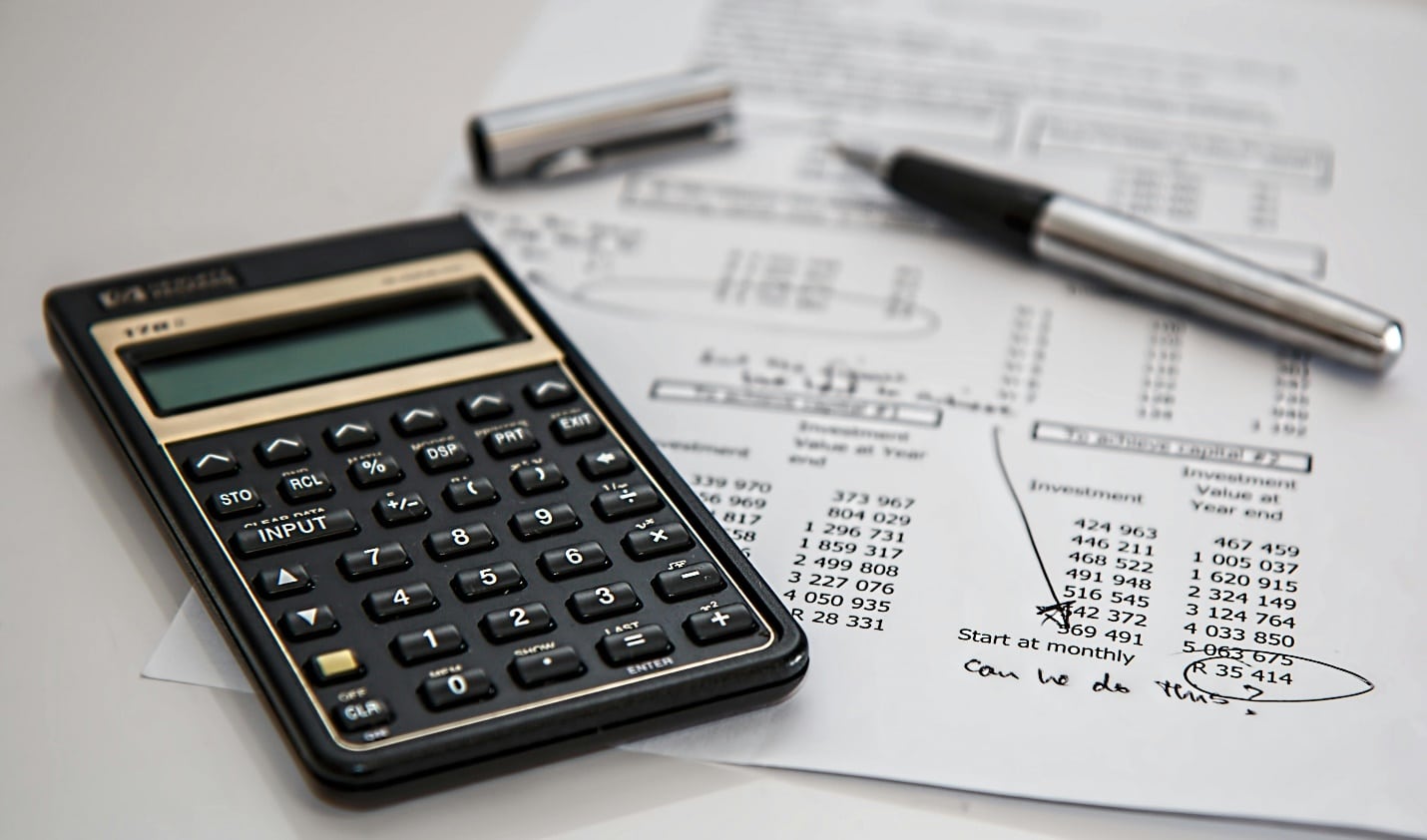

Everything looks clean on the screen until you notice a single cell pulling from the wrong column, and suddenly numbers you trusted have been off for days. It is the sort of quiet error that hides in plain sight, slipping through reviews, right up until someone projects it onto a wall in a crowded conference room and asks you to explain it.
The demand for accountants has not grown because the work is glamorous. It has grown because businesses are more complex, regulations keep shifting, and financial data now moves at a speed that leaves little room for error. Highly trained accountants are being asked to do more than balance books. They are expected to interpret, advise, and protect.
Why Advanced Training Matters More Than Ever
There was a time when solid bookkeeping could carry someone through the early years of an accounting job. If you could reconcile accounts and keep clean records, you were in decent shape. That is harder to rely on now. Software sorts expenses in seconds. Ledgers update themselves in the cloud while you are still finishing your coffee. The routine pieces have been streamlined.
What does not get streamlined is judgment. Employers want people who can read a new tax rule and see how it changes strategy, or catch a reporting choice that might raise a red flag later. Errors are rarely just arithmetic. They can turn into compliance trouble or damage a firm’s name.
Because the work has shifted, preparation has shifted too. Many graduate programs now spend more time on complex reporting, data analysis, and regulatory depth than on drills alone. Students are asked to work through gray areas, not just textbook examples with neat endings.
For those who want a structured path into that level of work, programs like a Masters of Science in Accounting are designed to combine technical depth with exam preparation and broader business context, which helps meet the rising need for accountants who can think beyond the spreadsheet.
Understanding the Forces Driving Demand
It helps to look at why demand keeps rising. First, many experienced accountants are retiring. Firms are losing institutional knowledge at the same time regulatory requirements are becoming more detailed. That creates a gap.
Second, business models have changed. Companies sell across borders with a few clicks. Digital products create revenue streams that did not exist a decade ago. Cryptocurrency, subscription services, and remote work all carry accounting implications. Each shift adds complexity to financial reporting.
Third, compliance expectations have tightened. Investors want transparency. Governments want accurate reporting. Consumers want ethical behavior. Accountants sit at the center of these expectations. When something goes wrong, financial records are often the first place investigators look.
Meeting this demand requires more than filling seats in accounting departments. It requires professionals who can think critically under pressure.
Technical Skill Is Only the Starting Point
Most people get into accounting by learning the mechanics first. Debits, credits, reconciliations, tax rules, audit trails. You are trained to make the numbers line up and to spot when they do not. If the basics are shaky, it shows almost immediately. Reports get messy. Deadlines slip. So yes, the groundwork matters. But being technically correct is only part of the job, and after a while, it becomes the minimum, not the edge.
Ethical Judgment and Professional Responsibility
When a company unravels, the numbers are usually examined last, and the people who handled them are asked hard questions. That history hangs over the profession. Ethics training is not there to fill space on a syllabus. It forces future accountants to sit with uncomfortable scenarios where a supervisor wants one outcome, and the rules point to another. The tension is the lesson.
Real situations are rarely dramatic. Someone suggests rounding an estimate in their favor. A client asks if a gray area can be pushed a little further. These moments are quiet, almost casual. Still, they carry weight. A license, such as the CPA, is not just a title. It comes with obligations that do not switch off at five o’clock.
Communication in a High-Stakes Environment
People still imagine accountants alone with a calculator, but most days involve talking. You sit in budget meetings. You answer questions from department leads who want quick clarity. You walk auditors through decisions made months earlier. When numbers are misunderstood, choices get made on the wrong assumptions, and that can cost real money. Explaining what the figures mean, and what they do not mean, lowers that risk.
No one is naturally smooth at this. It improves with practice, sometimes through awkward class presentations or tense meetings early in your career. Even routine emails matter. If your message is cluttered with jargon, it will be ignored. Clear writing tends to travel further.
Adapting to Technology Without Losing Judgment
Accounting software keeps getting smarter. Programs now scan transactions, flag odd patterns, and sync data across offices without anyone carrying a flash drive down the hall. That saves time, sure. But it does not replace the person who has to decide what those flags actually mean.
When the routine entries are handled by a system, what lands on your desk are the strange cases. The numbers that do not line up cleanly. The situations that were not built into the software. That is where judgment comes in. New platforms will keep showing up. Others will disappear. You do not have to master each one overnight. You do have to stay willing to learn, even when it feels inconvenient.
Building a Sustainable Career Path
Landing the job feels like the finish line, but it really is the starting gate. The pace can surprise people. During audit cycles or tax season, days stretch longer than planned, and personal time gets squeezed out. If you never draw a line, the work will keep expanding until you are worn thin.
Steady routines make a difference. Blocking time, protecting a few hours each week, and asking a senior colleague how they manage the rush can keep things steady. The rules change often, so continuing to study is part of staying relevant. With experience, some accountants shift toward fraud work or global tax, carving out space that fits them better.
When a spreadsheet mistake shows up in a meeting, it is usually not just one bad formula. It points to gaps in review, training, or process. Companies know this. They want accountants who protect the bigger picture. That takes stronger education, constant learning, and sound judgment grounded in accuracy.