

Do you have one spot on your scalp that feels sore or tender? You’re not the only one.
It might hurt when you brush your hair or lie down. Sometimes it feels itchy, tingly, or just plain uncomfortable.
But the good news is that it’s usually not a serious issue.
In this blog, we will explain some common reasons why your scalp might be tender in one spot and what you can do to make it feel better.
Reasons Your Scalp Might Be Tender in One Spot
Here are some reasons or causes that are responsible for your tender scalp:
1. Folliculitis
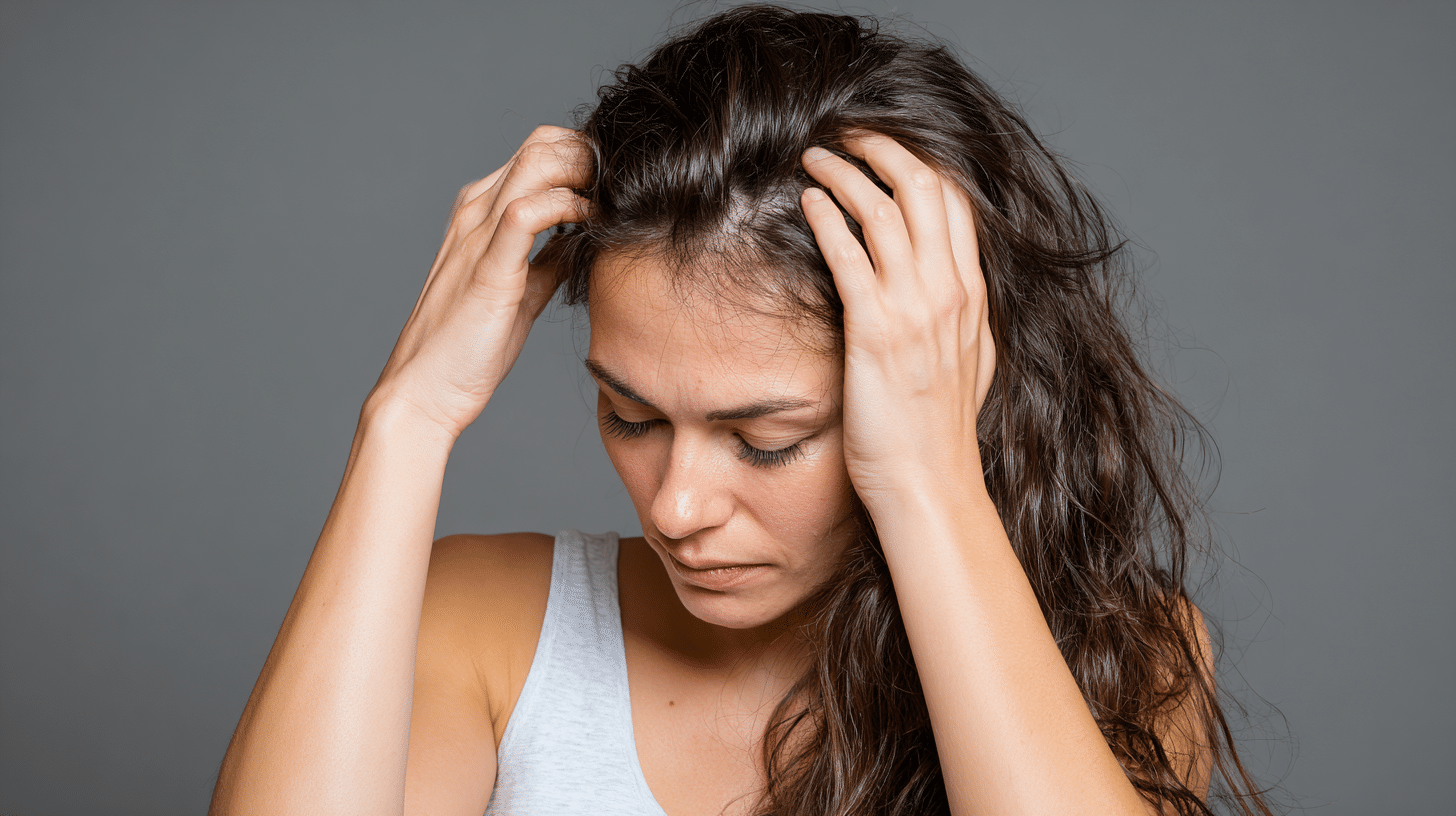
This is an infection or inflammation of hair follicles. It often presents as a red, swollen bump that feels sore to the touch.
Folliculitis can occur after shaving, sweating, or even from bacteria entering tiny cuts near your follicles.
In some cases, there may be small pus-filled blisters.
2. Dermatitis
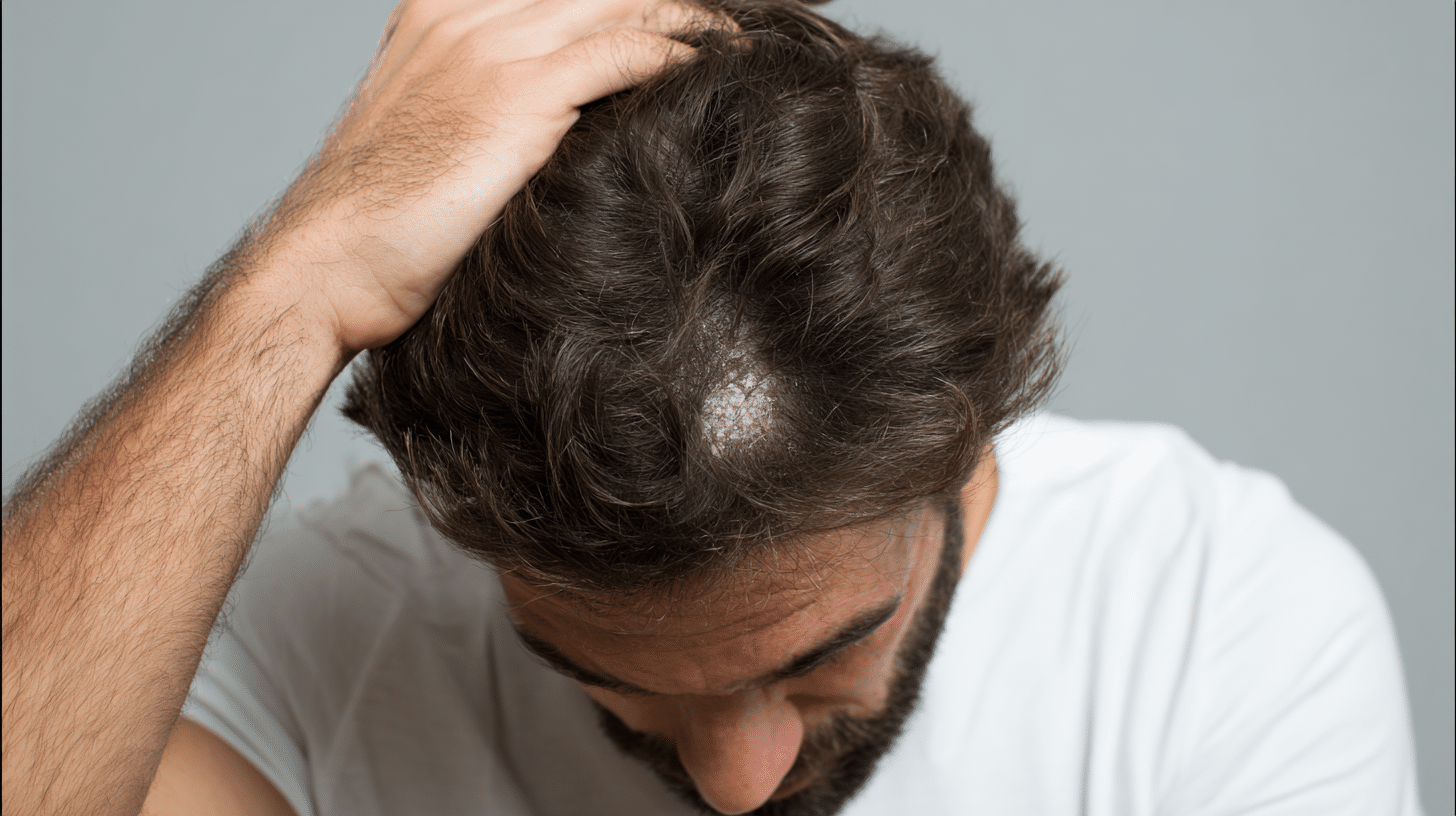
This broad term covers conditions like seborrheic dermatitis or contact dermatitis.
Dermatitis can cause inflamed, itchy, and tender patches on your scalp.
You might develop these symptoms if you react to certain hair products or have an underlying skin sensitivity.
3. Psoriasis
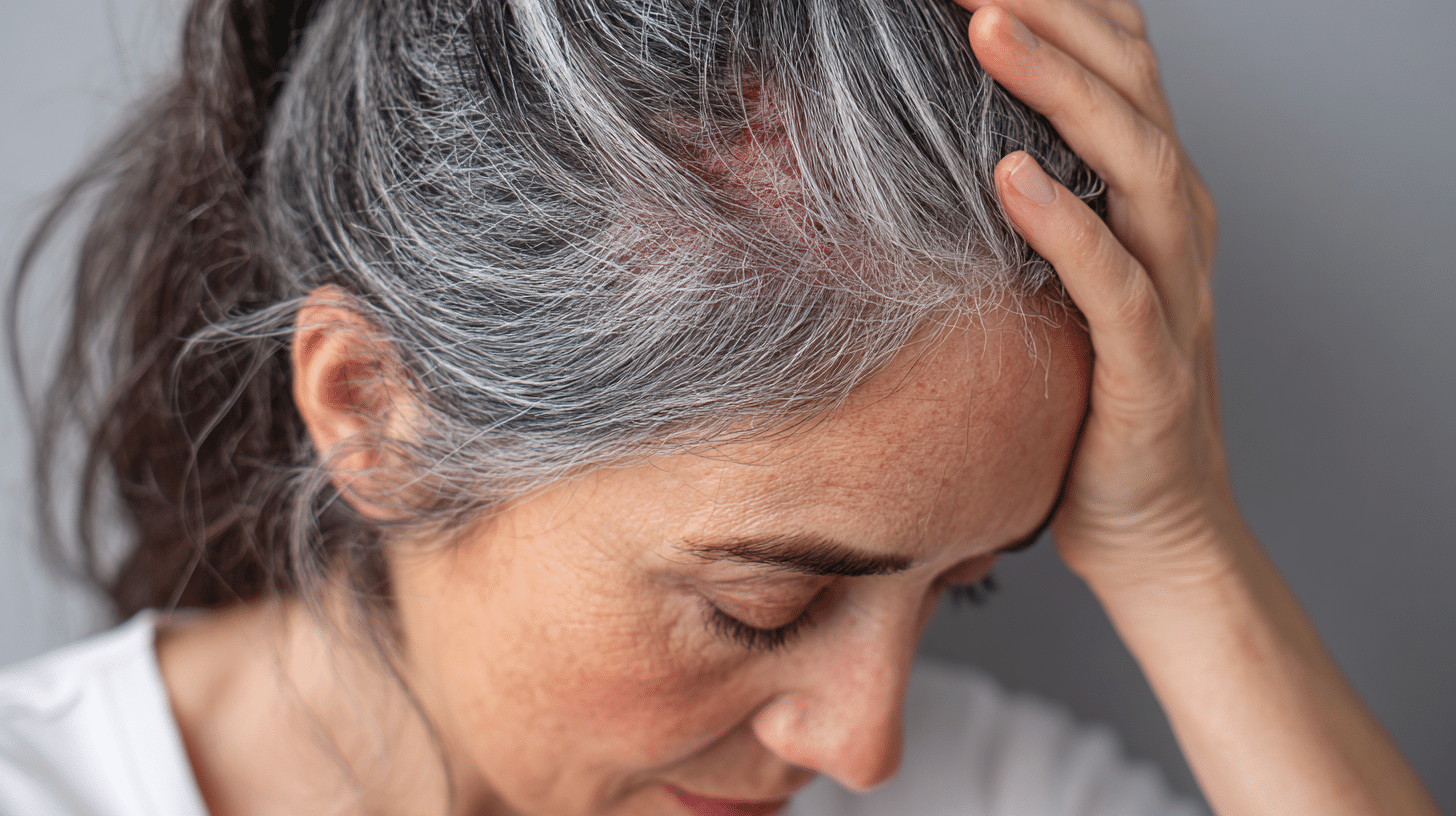
Psoriasis is an autoimmune skin disorder that leads to the rapid buildup of skin cells.
On the scalp, it often creates thick, silvery scales and red patches that are painful, itchy, and tender, frequently in well-defined spots rather than across the whole scalp.
4. Physical Trauma
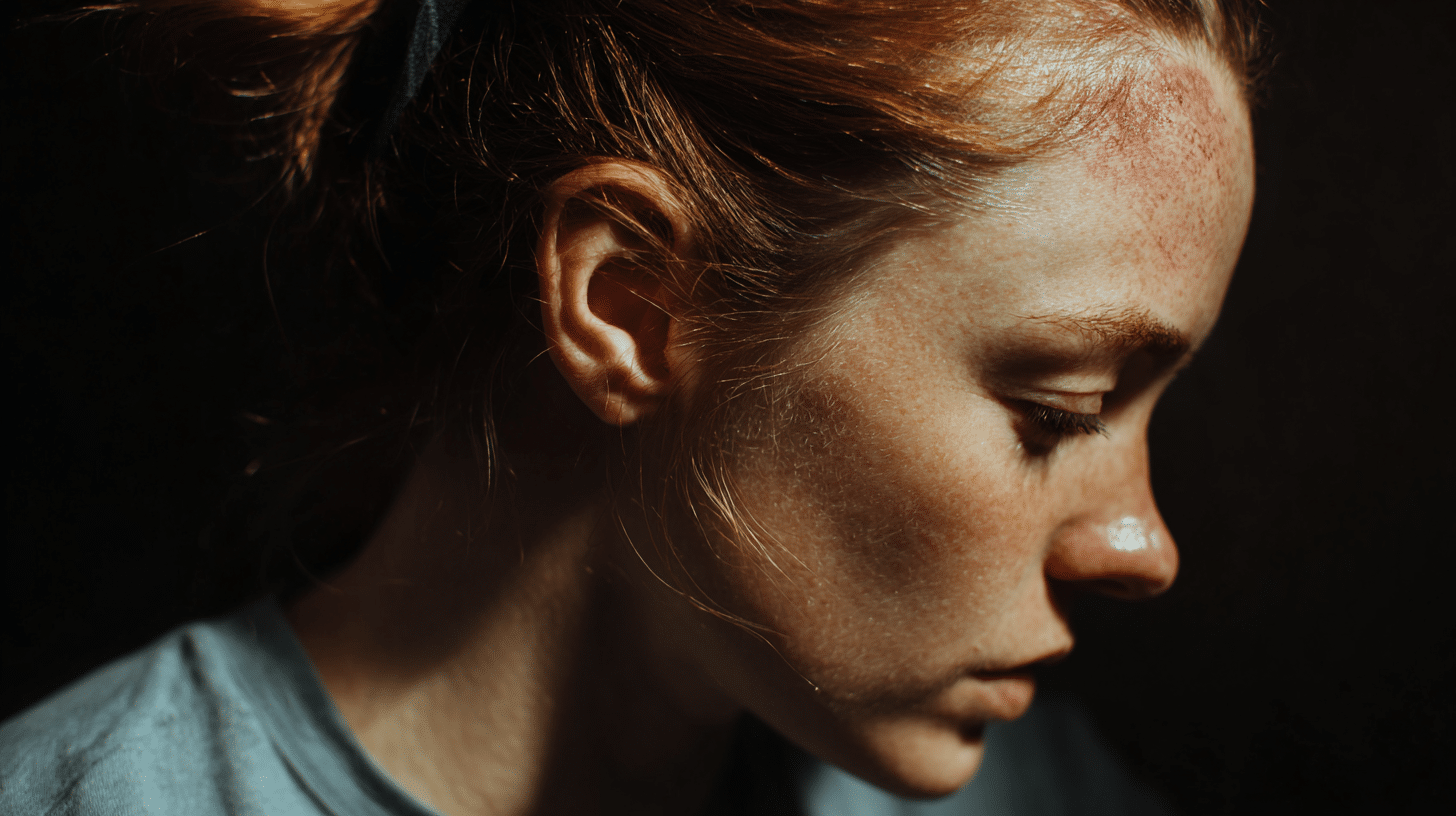
Anything from a bump on the head, a scratch from your fingernails, or pressure from a tight hat can injure your scalp.
The resulting sore spot can last from a few hours to several days, depending on the severity of the trauma.
5. Tight Hairstyles

Having tight ponytails, braids, or buns pulls on the hair follicles and surrounding nerves.
Over time, this tension can cause a specific area to become sore, ache, or even develop traction alopecia if repeated regularly.
6. Insect Bites or Lice
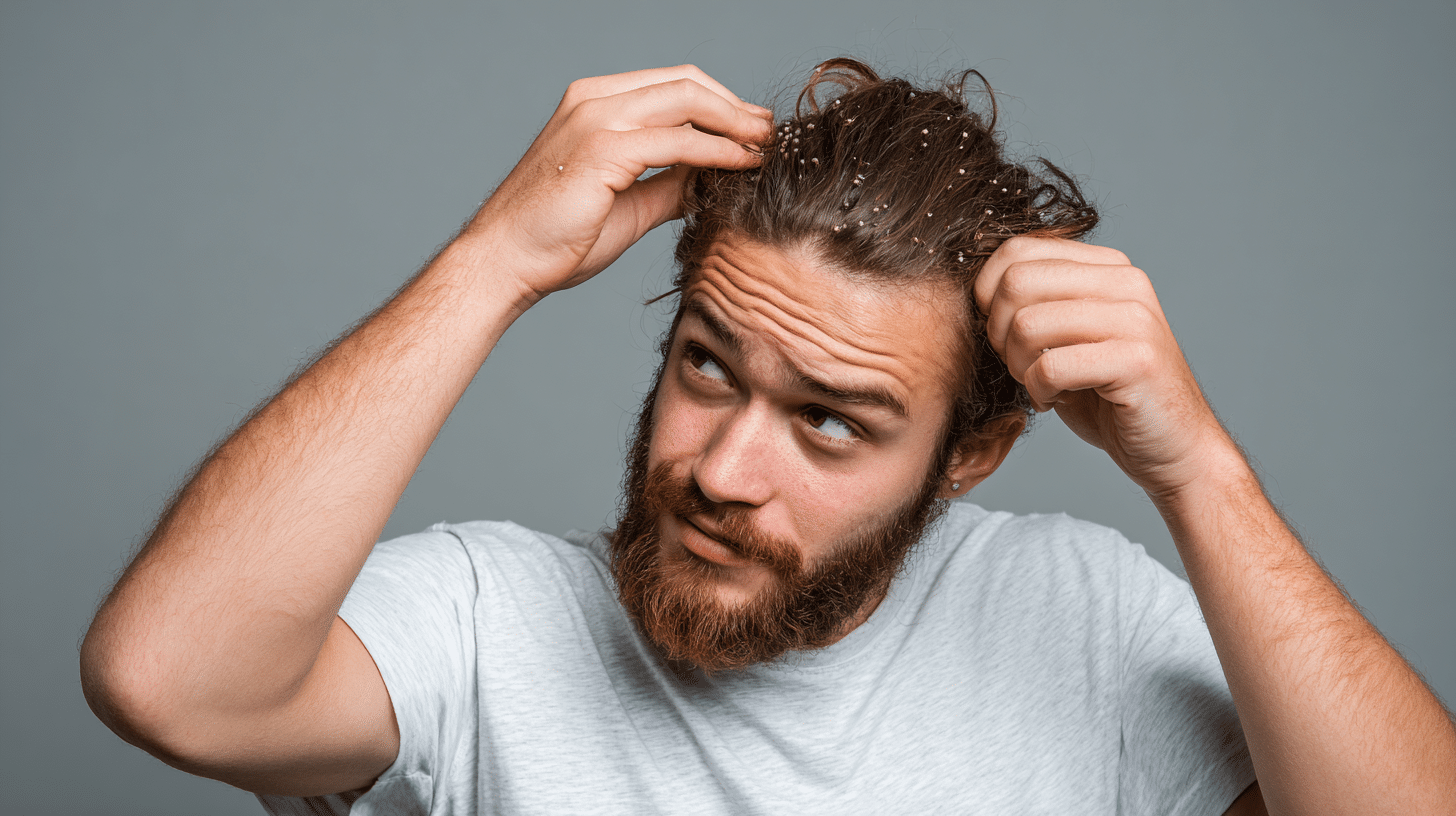
A bite from a mosquito or another insect can trigger localized swelling, redness, and throbbing pain in one part of the scalp.
Lice, on the other hand, cause persistent itching and tenderness where their eggs or bites are clustered.
7. Sunburn
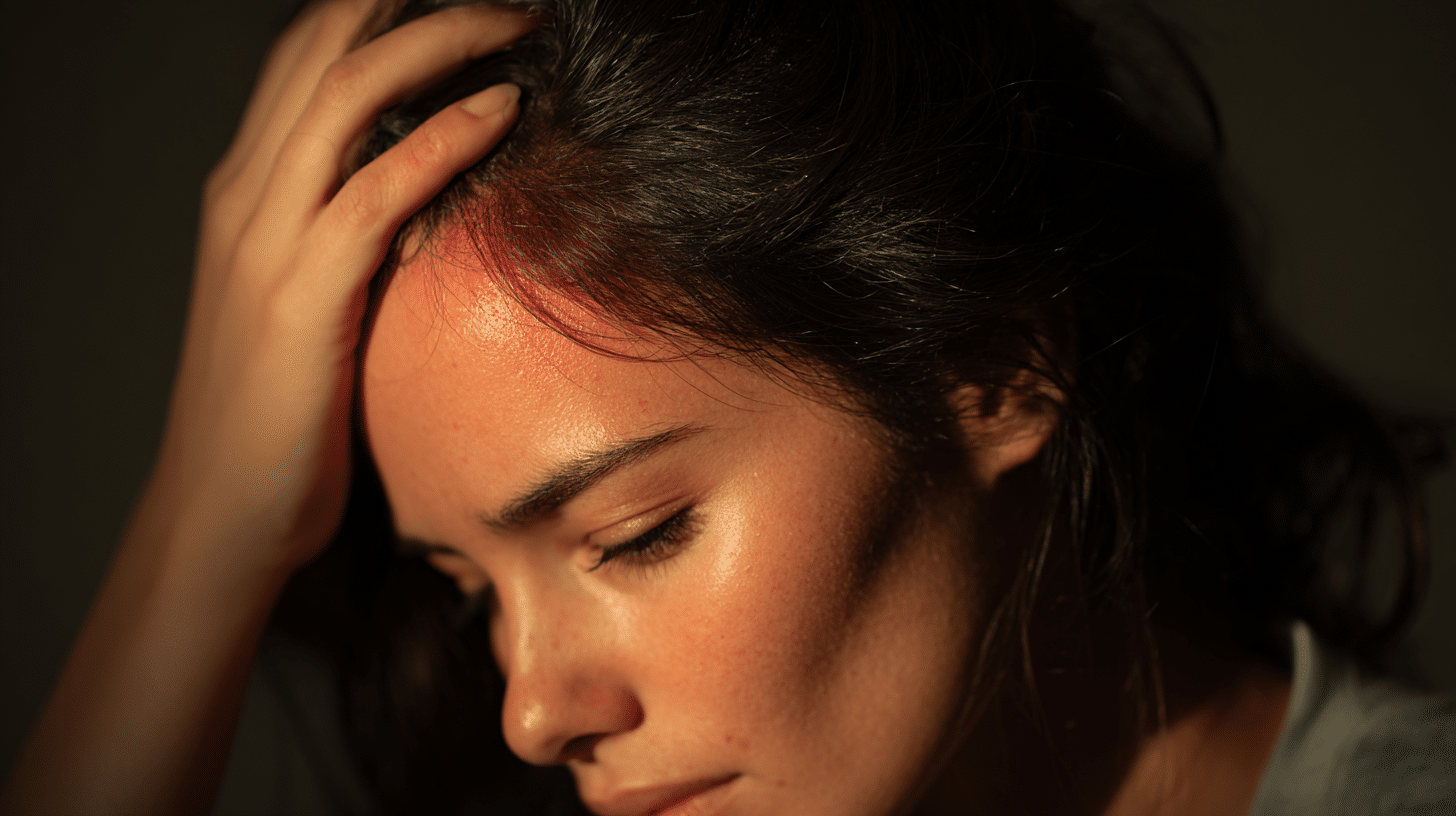
Spending too much time unprotected in the sun can burn your scalp, especially where hair is thin.
However, a sunburned scalp feels tender, may be red or peeling, and is often especially sensitive to combing or washing.
8. Fungal Infection (Ringworm)
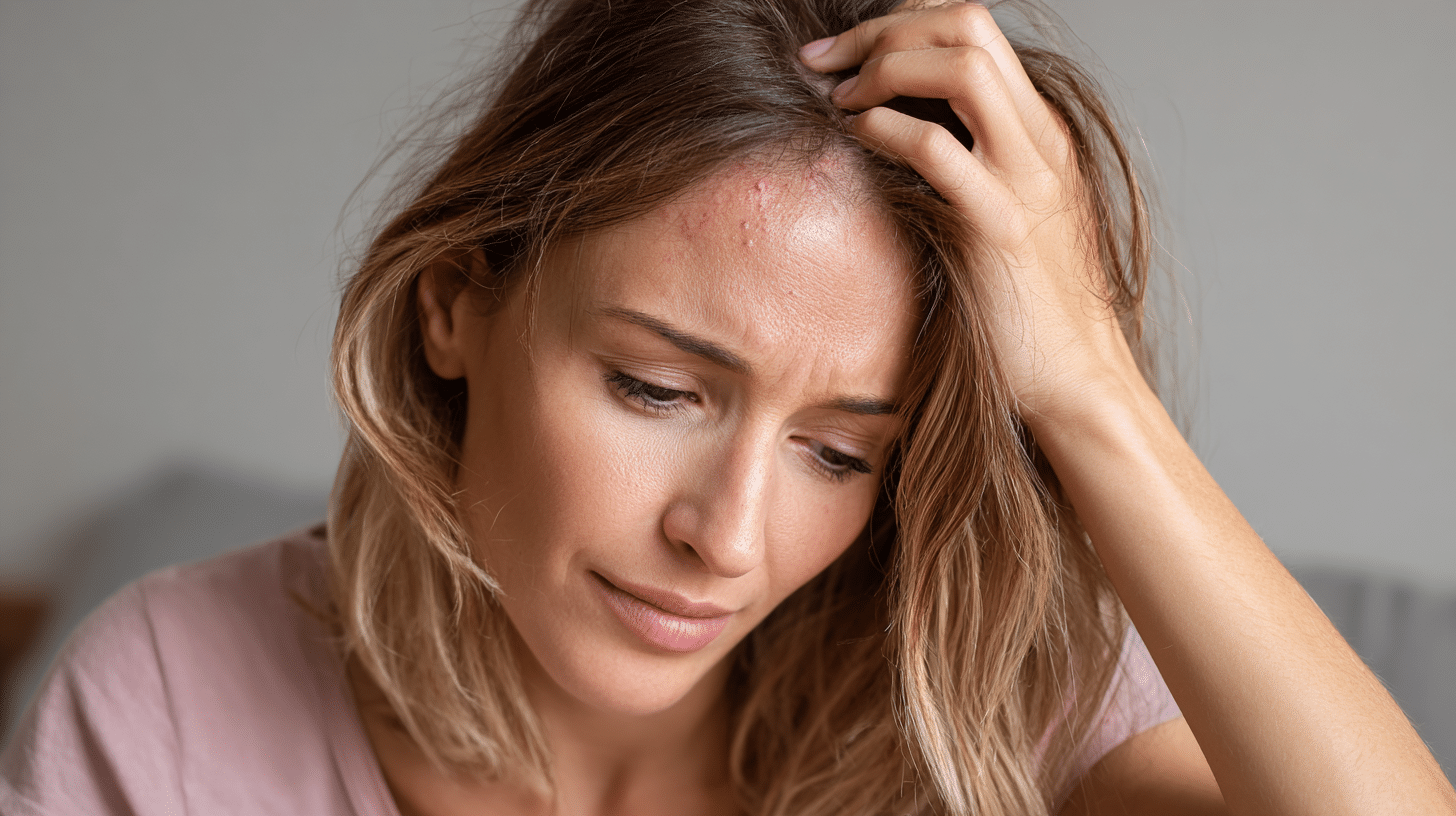
Ringworm of the scalp (tinea capitis) is a contagious fungal infection causing round, scaly patches that are sore, red, and sometimes bald.
It’s especially common in children but can affect adults as well.
9. Allergic Reaction (Contact Dermatitis)
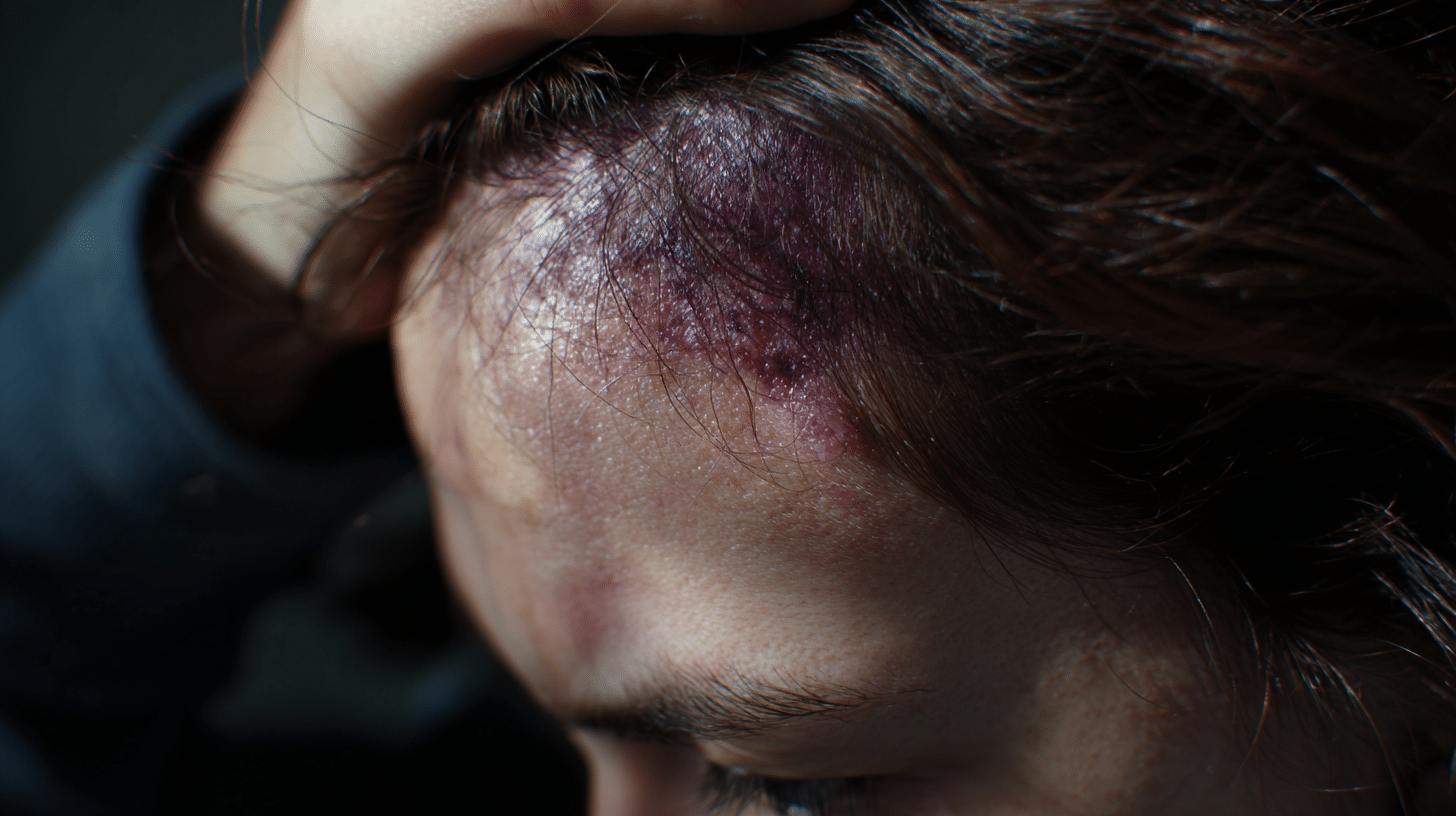
If you have recently tried a new shampoo, dye, or styling product and developed a tender, inflamed patch, this might be an allergy.
The skin’s reaction can range from mild pinkness and irritation to more severe swelling and soreness.
10. Headache or Migraine
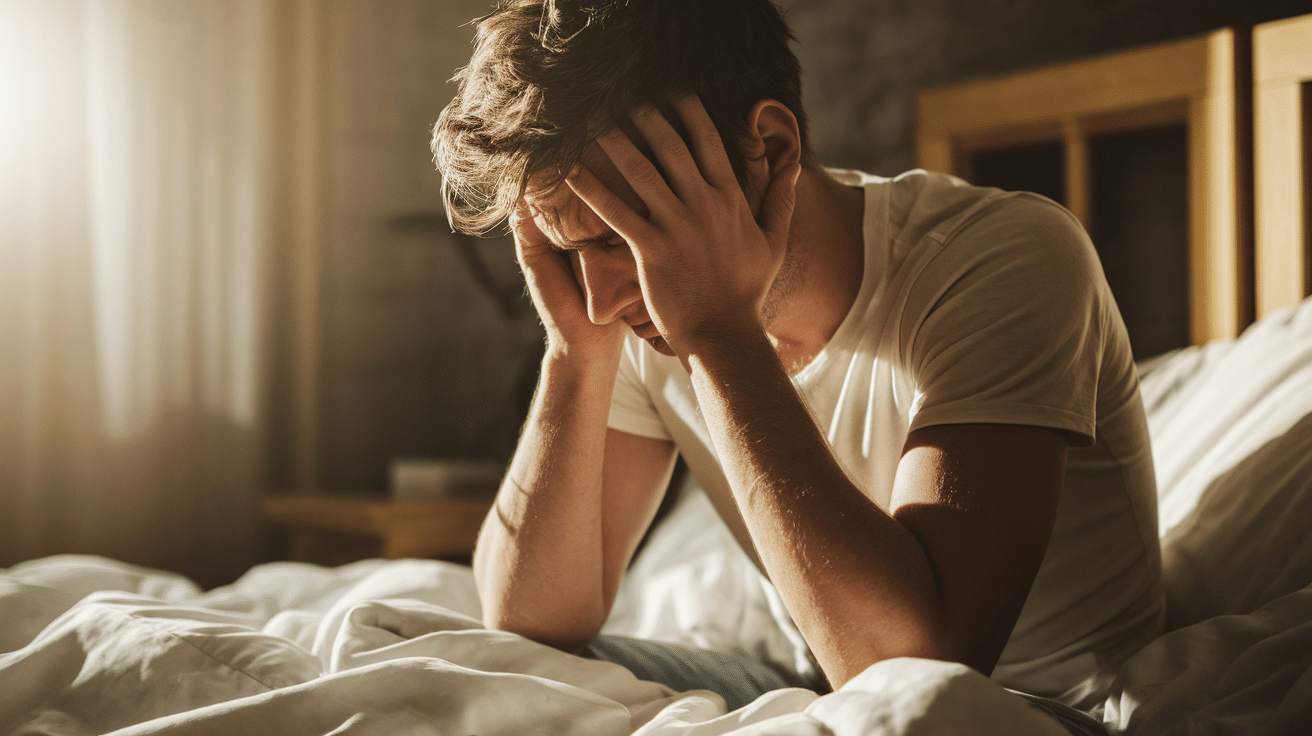
Sometimes scalp pain is linked to deeper issues like migraines or tension headaches.
These can make a particular area on your head feel sore or sensitive, especially if nerves near the surface are involved.
11. Neuralgia
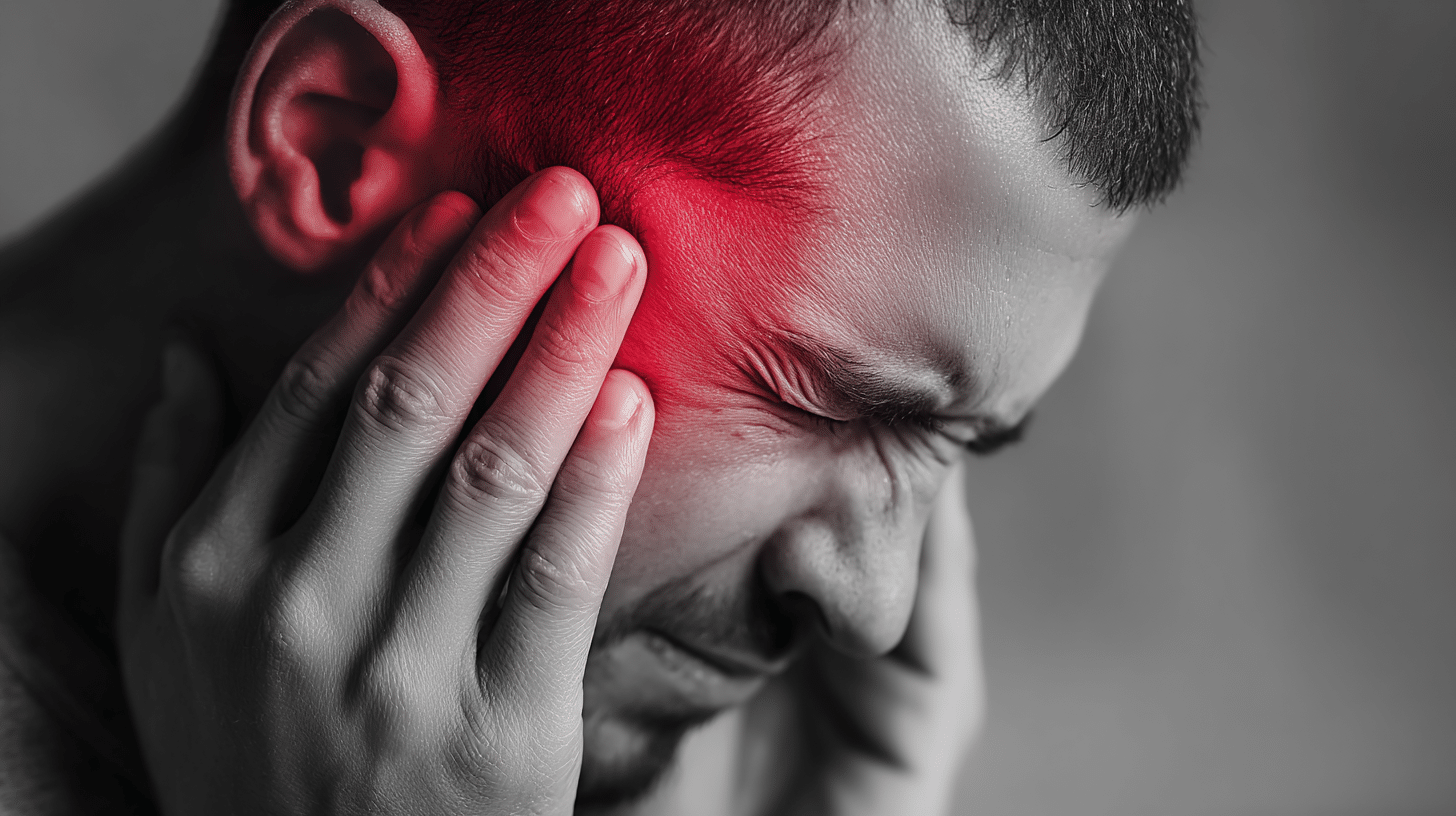
Occipital neuralgia or similar nerve conditions can cause sharp, jabbing, or chronic aching in a specific area of the scalp.
This pain is usually due to nerve inflammation or irritation and often feels worse with touch or movement.
12. Temporal Arteritis
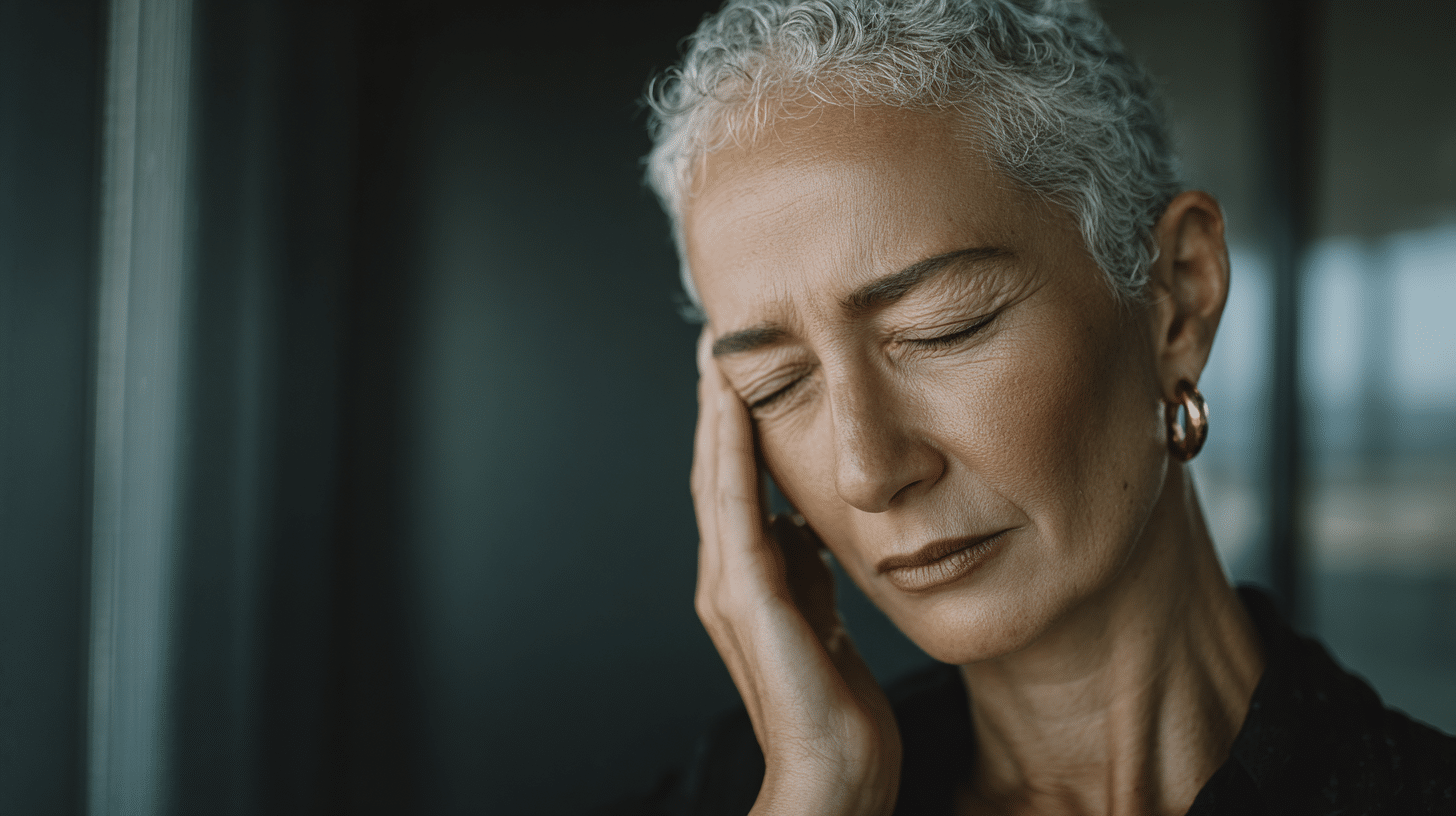
This is a rare, serious condition in which blood vessels in the scalp, especially at the temples, become inflamed.
The affected area may be very painful or tender to the touch, sometimes accompanied by headaches or vision changes, requiring prompt medical attention.
13. Stress or Muscle Tension
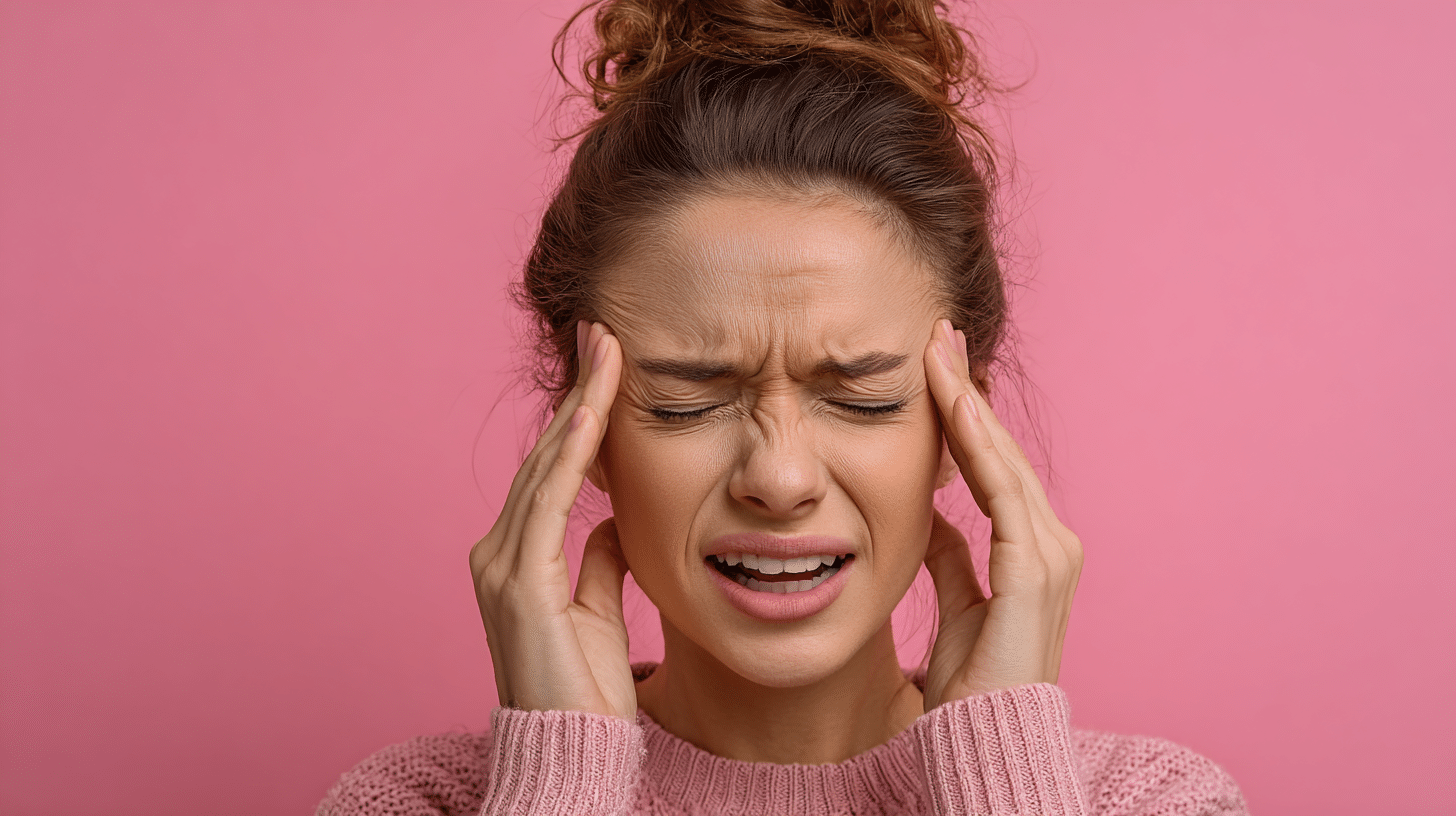
Ongoing stress or poor posture can create “trigger points,” knots of muscle tension on your scalp or neck.
These spots may feel achy or very tender, often flaring up with physical or emotional stress.
Real Experiences: What Others Have Noticed?
Sometimes, hearing what others go through makes your situation feel a little less distressed.
Here are a few real-life stories about scalp tenderness:
- “I switched shampoos and developed a painful spot near my crown, it turned out to be contact dermatitis.”
- “Every time I wear a helmet for biking, one spot gets so tender for days after.”
- “A childhood bout with ringworm left a patch of scalp that still gets sore occasionally.”
Do any of these ring a bell for you?
Remember, everyone’s scalp is different, and what triggers pain for one person might not bother another at all.
When to Worry: Signs to See a Doctor
Most scalp tenderness clears up on its own, but there are moments when it’s smart to get things checked out.
Call your doctor if you notice:
|
Warning Signs |
What It May Indicate |
|
Pain lasting more than a week or getting worse |
Possible underlying condition needing medical attention |
|
Severe swelling, pus, or skin changes |
Signs of infection or inflammation (e.g., sores, crusting, or oozing areas) |
|
Unexplained hair loss or hard lumps |
Could signal autoimmune issues, cysts, or other serious scalp conditions |
Tips for Sore Scalp Relief
You don’t have to live with a sore spot on your head; there are plenty of ways to feel better:
- Be Gentle: Ditch harsh brushing, super-tight hairstyles, and rough towel-drying.
- Use Mild, Fragrance-Free Hair Products: Sometimes, less is more for sensitive skin.
- Give Your Scalp a Break: Limit the amount of time you wear hats, headbands, or helmets.
- Try a cool compress, or dab on some soothing natural oils like tea tree or coconut oil (as long as you’re not allergic!).
- If the pain is severe or persistent, consult a medical professional for evaluation.
Conclusion
Having a sore spot on your scalp can be uncomfortable, but it’s often easy to treat.
Simple things like changing your hairstyle, switching products, or giving your scalp a break can make a big difference.
If the pain doesn’t go away or gets worse, it’s smart to talk to a doctor.
Taking care of your scalp helps keep you feeling good, so don’t ignore it if something feels off.