

Ever wondered about LGBTQ+ folks in the wrestling world?
Gay wrestling is one of those topics people are curious about but might not know much about.
It’s actually a pretty interesting part of both gay culture and wrestling in general.
Whichever we are talking about, gay professional wrestlers, LGBTQ+-friendly wrestling groups, or the fan communities that have formed around the sport, there’s more here than you might think.
Let’s break down what gay wrestling actually means and why it’s become an important part of wrestling culture.
What is Gay Wrestling?
Is wrestling the gayest sport in the world… or just the one with the best costumes?
Between the tight spandex, the baby oil, and “will they, won’t they” grappling, pro wrestling has been the subject of cheeky jokes for decades.
But the story of gay wrestling isn’t just about campy humor; it’s also about history, stereotypes, representation, and the over-the-top personalities that make wrestling so entertaining.
So let’s step into the ring and break it down.
The Origins of the Joke
For as long as pro wrestling has existed, people have made suggestive jokes about it.
After all, if you squint, it’s just two muscular people rolling around in skimpy outfits, wrapping themselves around each other with names like bear hug and rear naked choke.
You can see why comedians, late-night hosts, and internet memes have had a field day.
From Joe Rogan joking about the intimate nature of certain holds to sitcoms poking fun at oiled-up men in underwear, the humor is obvious.
But behind that surface silliness is a sport that knows exactly what it looks like and sometimes plays with that on purpose.
Satire in the Ring
Wrestling is theater in spandex, and wrestling promoters have always known that an outrageous character draws a crowd.
Over the years, we’ve seen flamboyant or tongue-in-cheek “gay” gimmicks like:
- Billy & Chuck (WWE): A “tag team couple” storyline complete with a televised fake wedding.
- Adorable Adrian Adonis: Who leaned into drag, makeup, and floral prints to taunt the audience.
- The Exóticos in Mexican lucha libre: Male wrestlers in glamorous drag outfits and makeup, mixing real skill with camp flair.
- The Acclaimed’s “scissoring” bit in AEW: Pure tongue-in-cheek crowd work that blurs between joke and celebration.
Sometimes these acts were poking fun at stereotypes, sometimes they were flipping them on their head, and sometimes they were a little bit of both.
When the Satire Got Mean
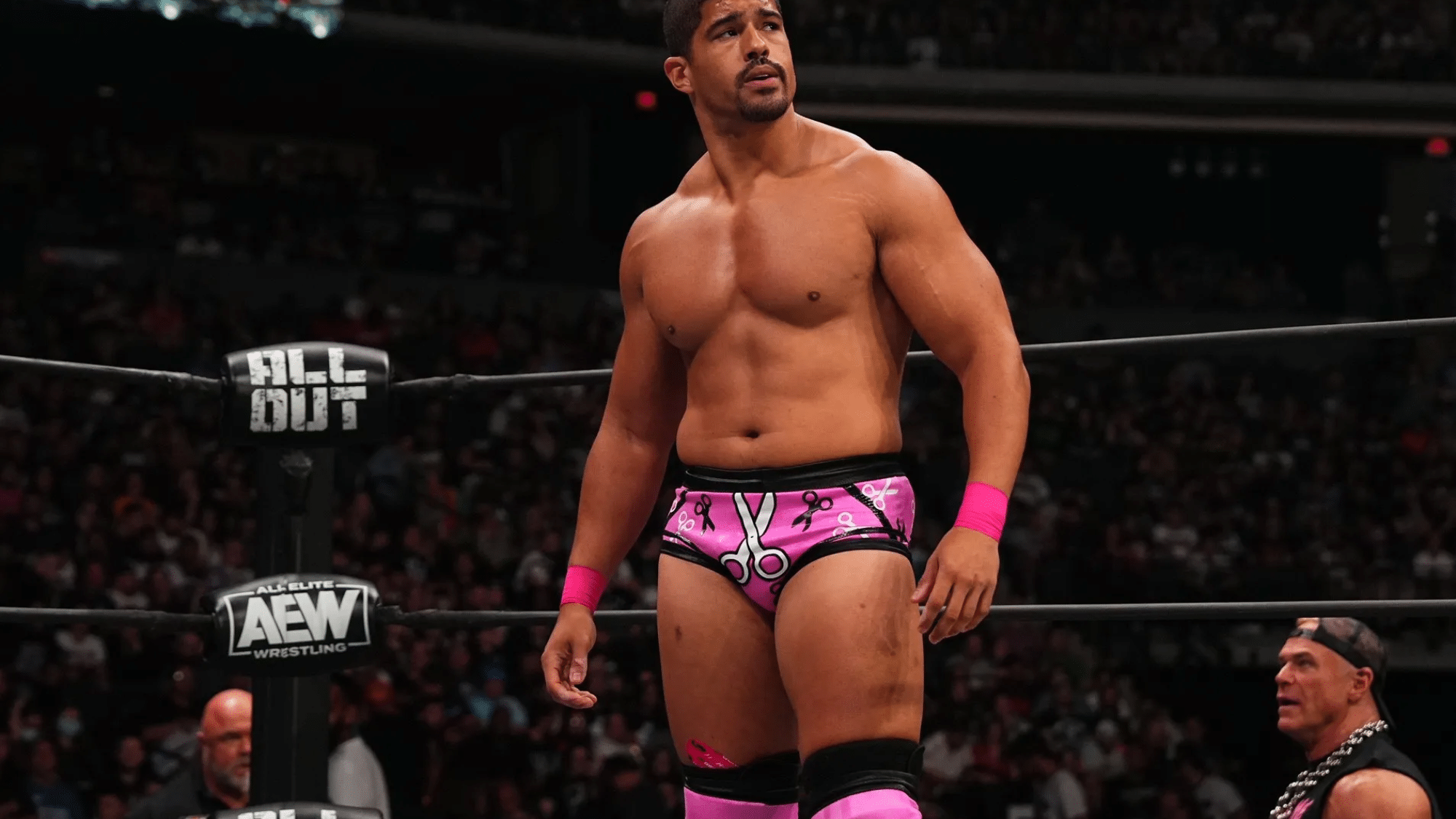
Here’s the not-so-funny side in wrestling’s less-sensitive eras: gay characters were often used as a joke to make the hero look extra manly for beating them or to rile up fans with crude stereotypes.
Crowds would boo just because a character was portrayed as gay or effeminate, and the gimmick was designed to trigger a gay panic reaction.
It was cheap heat, but it worked in a time when casual homophobia was part of the cultural background.
The silver lining? Some wrestlers who were actually LGBTQ+ seized those roles and used humor as a weapon, leaning into the performance while slyly turning the joke back on the audience.
The Truth Behind the Tights
Over the years, the mix of camp gimmicks, satire, and genuine representation has shifted the landscape.
| Name/Group | Contribution & Significance |
|---|---|
| Pat Patterson | WWE legend and the company’s first openly gay performer. |
| Darren Young | Made history in the 2010s by coming out publicly while still wrestling for WWE. |
| Exóticos | In Mexican wrestling, gay and gender-nonconforming wrestlers have long been popular and respected stars, not just novelties. |
The same sport that once mocked queerness now has openly gay wrestlers main-eventing shows and being celebrated for their talent.
Final Thoughts
Gay wrestling shows how sports can bring all kinds of people together.
Whether it’s LGBTQ+ wrestlers, inclusive organizations, or fans connecting over their love of wrestling, it’s really about community and acceptance.
Wrestling is becoming more open and welcoming, which is great to see.
At the end of the day, it’s just people doing what they love and finding their place in the sport.
What do you think about making sports more inclusive for everyone?