

Ever wondered how some football players rise to stardom without a scholarship? The path of these athletes is full of grit, determination, and resilience.
In the world of football, there are players who don’t have the recognition or perks that come with a scholarship, but still manage to make a lasting impact.
Their stories are a testament to hard work and the drive to succeed, no matter the odds.
In this blog, we will break down what a walk-on is, look into the rich history of walk-ons in football, share inspiring personal stories, and highlight the cultural significance they bring to the game.
The Definition of a Walk-On
In football, a walk-on is a player who earns a spot on the team without a scholarship. Instead of being recruited, they typically try out and make the team through hard work and performance.
While they don’t have the same financial support as scholarship players, walk-ons still play an important role in the team’s success and can earn respect through dedication and persistence.
Below is a brief comparison highlighting the main differences between walk-ons and scholarship players in football:
| Aspect | Walk-On | Scholarship Player |
|---|---|---|
| Recruitment | Join through tryouts | Recruited with an offer |
| Financial Support | No scholarship | Receives a scholarship |
| Team Status | Start lower on the depth chart | Often start higher due to recruitment |
| Role on the Team | May serve as backup or reserve | Expected to play a key role |
| Recognition | Less recognition initially | More recognition due to recruitment |
The Historical Significance of Walk-Ons in Football
Walk-ons have been a part of college football for many years, offering players the chance to prove their skills regardless of their recruitment status.
Over time, this tradition became more common as the sport grew, giving athletes an alternative route to play at a high level.
The rise of walk-ons in college football highlighted the importance of perseverance and hard work, opening doors for many who might otherwise have been overlooked.
The Cultural Impact of Walk-Ons
Walk-ons not only impact football teams but also have a lasting cultural influence. Here’s how their stories resonate beyond the field:
- They symbolise perseverance, showing that hard work can lead to success, even without initial recognition.
- Walk-ons inspire teammates and fans, proving that dedication can earn a spot on the team.
- Their presence fosters healthy competition and strengthens team culture.
- Fans see them as underdogs, making their success more relatable.
- Walk-ons highlight the value of overcoming obstacles and seizing opportunities.
Walk-On Stories: Personal Experiences
Tony Romo and Kurt Warner’s career highlight the power of persistence, showing that hard work can turn setbacks into opportunities.
1. Tony Romo
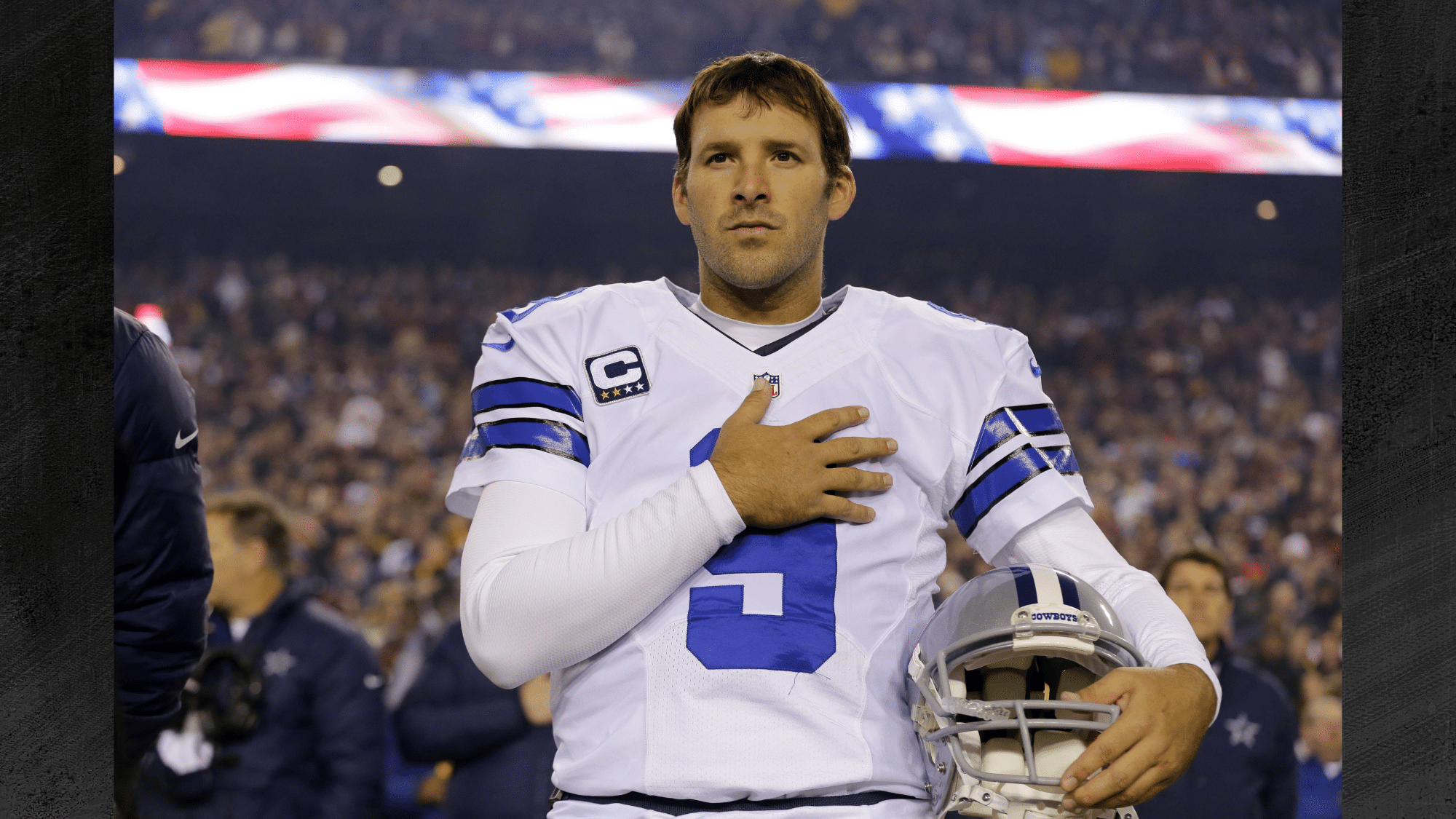
Tony Romo’s path to the NFL is a true testament to perseverance. He started as a walk-on at Eastern Illinois University, where he had to work his way up from being a backup to starting quarterback.
Despite facing setbacks and being overlooked by bigger programs, Romo never gave up. His dedication paid off when he was signed by the Dallas Cowboys, where he went on to become a Pro Bowl quarterback.
Romo’s story shows that with hard work, even those who start with little recognition can make it to the top.
2. Kurt Warner
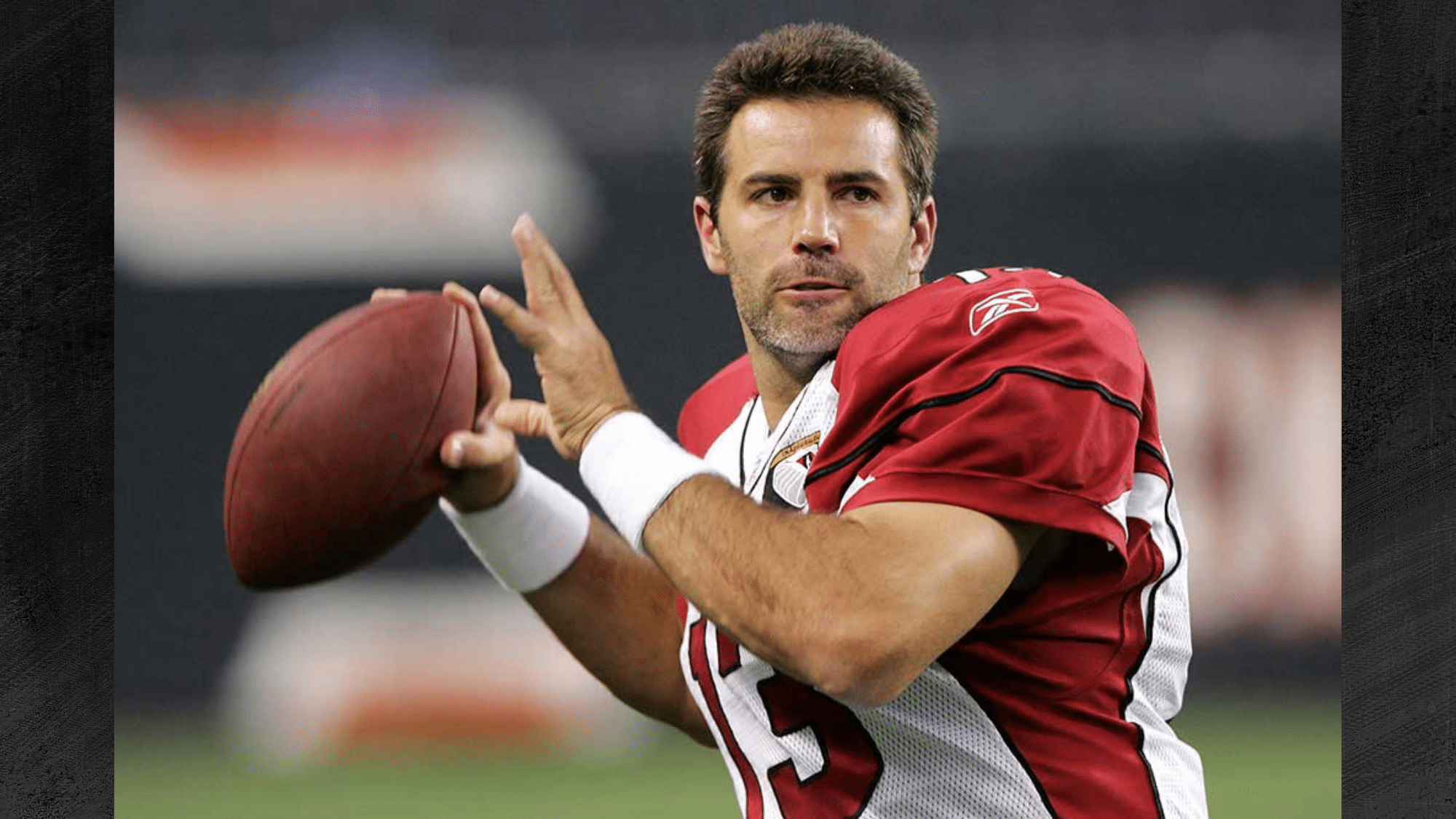
Kurt Warner’s rise to fame is another inspiring walk-on story. He began his college career as a walk-on at the University of Northern Iowa.
After going undrafted in the NFL, Warner worked at a grocery store while continuing to pursue his dream.
He eventually got a shot with the St. Louis Rams, where he became the starting quarterback. Warner led the Rams to a Super Bowl victory and was named Super Bowl MVP.
His career is a powerful reminder that persistence and belief in oneself can turn dreams into reality, no matter the obstacles.
The Walk-On Process and Future in Football
Becoming a walk-on begins with the tryout process, where players must showcase their skills to earn a spot on the team.
After making it, they undergo the same rigorous training as scholarship players, with high expectations to prove themselves on the field.
| Challenges Faced by Walk-Ons | The Future of Walk-Ons in Football |
|---|---|
| Limited playing time and the pressure to earn a spot. | Evolving recruitment practices may increase opportunities for walk-ons. |
| Balancing academics, part-time jobs, and team commitments. | Walk-ons are becoming more integral in team depth and competition. |
| Struggling for recognition among scholarship players. | Increased focus on walk-ons’ resilience and hard work within teams. |
| Overcoming the mental and physical demands of the sport. | The evolving role of walk-ons is reshaping the landscape of modern football. |
Conclusion
Walk-ons are essential to the fabric of college football, proving that determination can lead to success.
Their stories inspire others to keep pushing forward, even without immediate recognition, shaping the future of the sport.
Their life and career remind us that success isn’t always about initial recognition but the willingness to keep pushing forward, no matter the obstacles.
Let’s continue to appreciate the valuable contributions of walk-ons, as they shape the future of football one play at a time.