Wes Anderson’s films are hard to miss and even harder to forget. His movies are instantly recognizable for their artistic visuals and quirky charm.
From distinct color choices to deliberate camera work, every element contributes to the carefully curated world known as the Wes Anderson aesthetic.
In this blog, we will take a closer look at what makes his style so distinctive.
You will get to know the key visual elements, storytelling techniques, and stylistic decisions that define the unmistakable style of Wes Anderson.
What is the Wes Anderson Style?
Wes Anderson’s style blends artistic visuals with offbeat storytelling, creating films that feel both whimsical and carefully crafted.
His unique approach has influenced pop culture, design, and even social media trends.
Here are Some Key Elements that Define His Signature Style:
- Every shot is precisely framed, often using symmetry and centered compositions.
- Bold, consistent color palettes help set the mood and tone of each film.
- Characters speak in a calm, flat tone, even in emotional or strange moments.
- Many films follow a chapter-based or narrated storybook format.
- His style has inspired memes, parodies, and fan recreations online.
- His most acclaimed works showcase this look in full force.
Visual Elements that Define Wes Anderson’s Aesthetic
Wes Anderson crafts visual worlds that resemble illustrated storybooks, where each frame is designed with intention and flair.
Below are some key visual elements that define his iconic aesthetic:
1. Symmetry and Framing
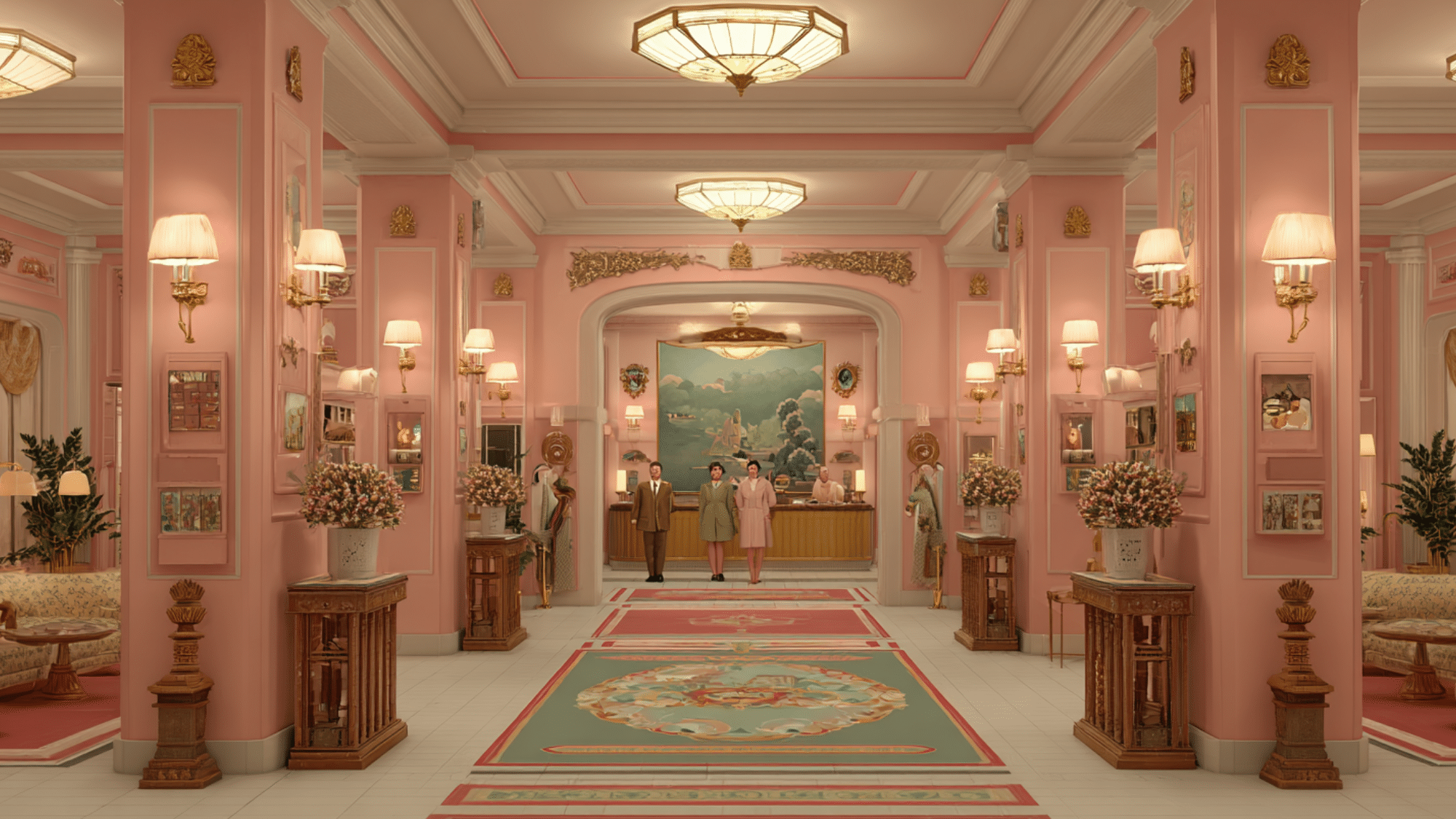
Anderson often uses perfectly balanced shots that draw your eyes to the center. His camera moves with precision, reinforcing a sense of order and rhythm.
- Uses one-point perspective to lead the viewer’s focus directly into the scene.
- Frames characters and objects in the center for visual balance.
- Utilizes slow pans and tracking shots to transition smoothly through scenes.
2. Color Palettes and Set Design
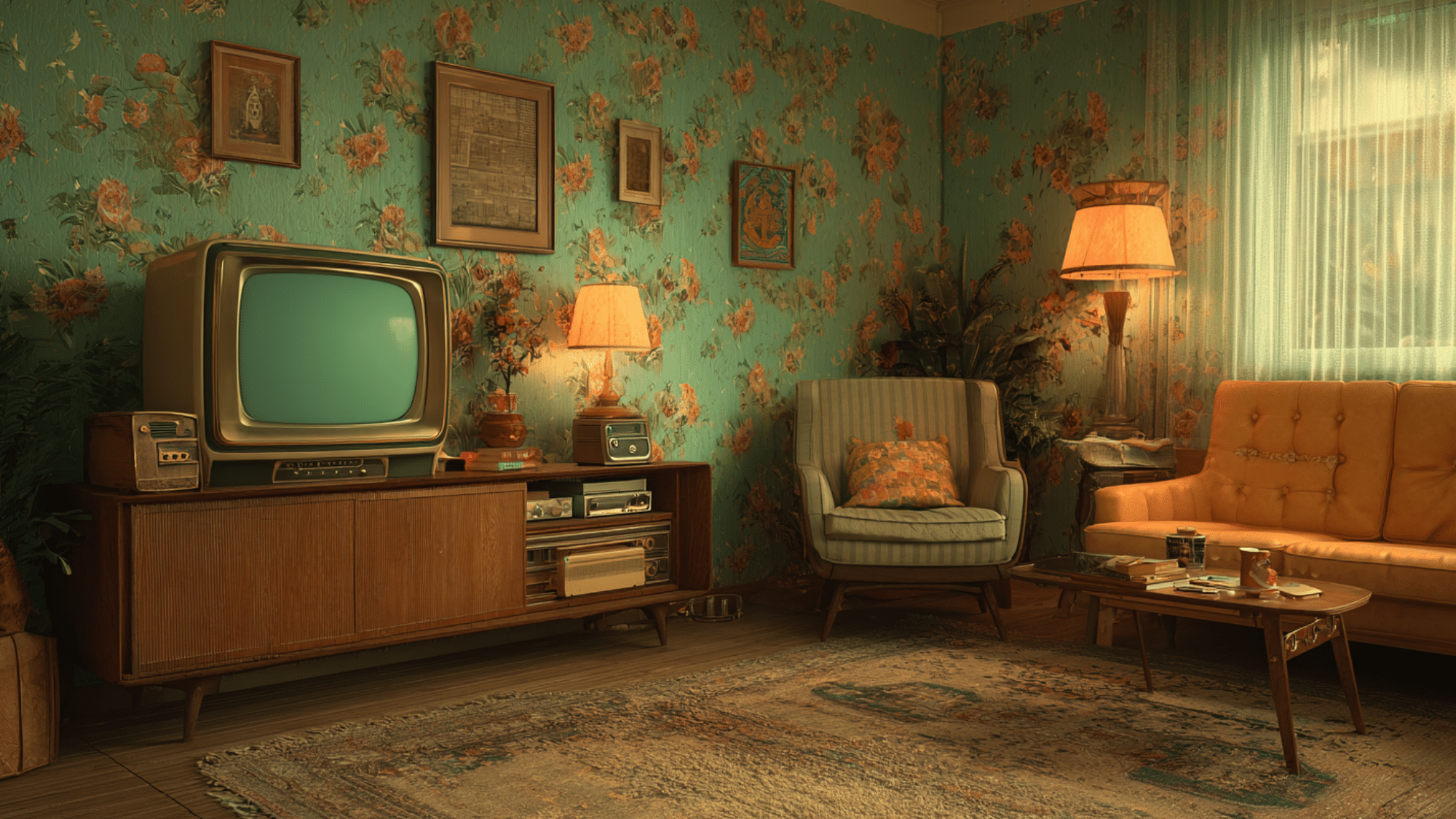
Color plays a major role in setting the mood. His sets resemble vintage dioramas, rich in visual storytelling.
- Uses pastel tones, warm hues, and vintage-inspired colors throughout.
- Fills scenes with detailed props and stylized backdrops that support the story.
- Works closely with designers and illustrators to bring every setting to life.
3. Costume Design and Character Styling
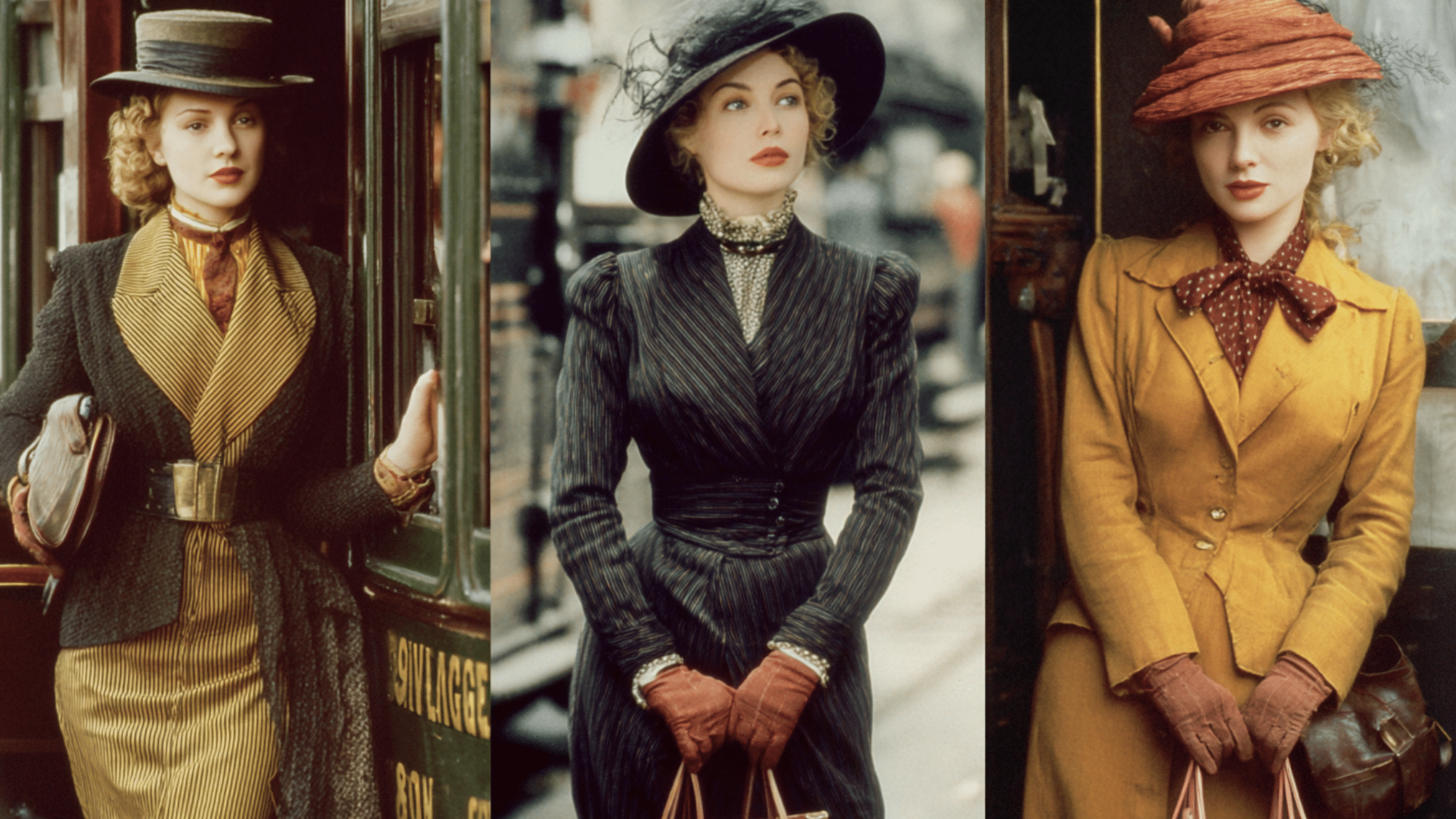
Costumes in Anderson’s films feel like an extension of the characters themselves. Outfits are often playful, memorable, and reflect each character’s personality or era.
- Characters wear quirky, old-fashioned, or era-specific clothing.
- Colors and styles often match the film’s overall palette.
- Outfits and accessories are repeated across scenes or characters for a visual theme.
Narrative Techniques in Wes Anderson’s Films
Wes Anderson’s storytelling style is distinct, blending structure, tone, and emotion in a way that feels both whimsical and meaningful. Here are the key techniques he often uses:
Deadpan Dialogue and Quirky Characters
Characters speak in a flat, serious tone, creating dry humor. Their odd behavior and unique backstories add charm while keeping emotions subtle yet impactful.
Storybook and Chapter Structure
Films are structured like books, divided into chapters with narrators. This approach gives the story a literary feel and adds a calm, organized storytelling rhythm.
Themes of Nostalgia, Family, and Dysfunction
His films showed childhood, broken families, and emotional distance. These themes are balanced with humor, creating a bittersweet tone that feels honest and deeply personal.
How Wes Anderson Uses Music to Support His Style
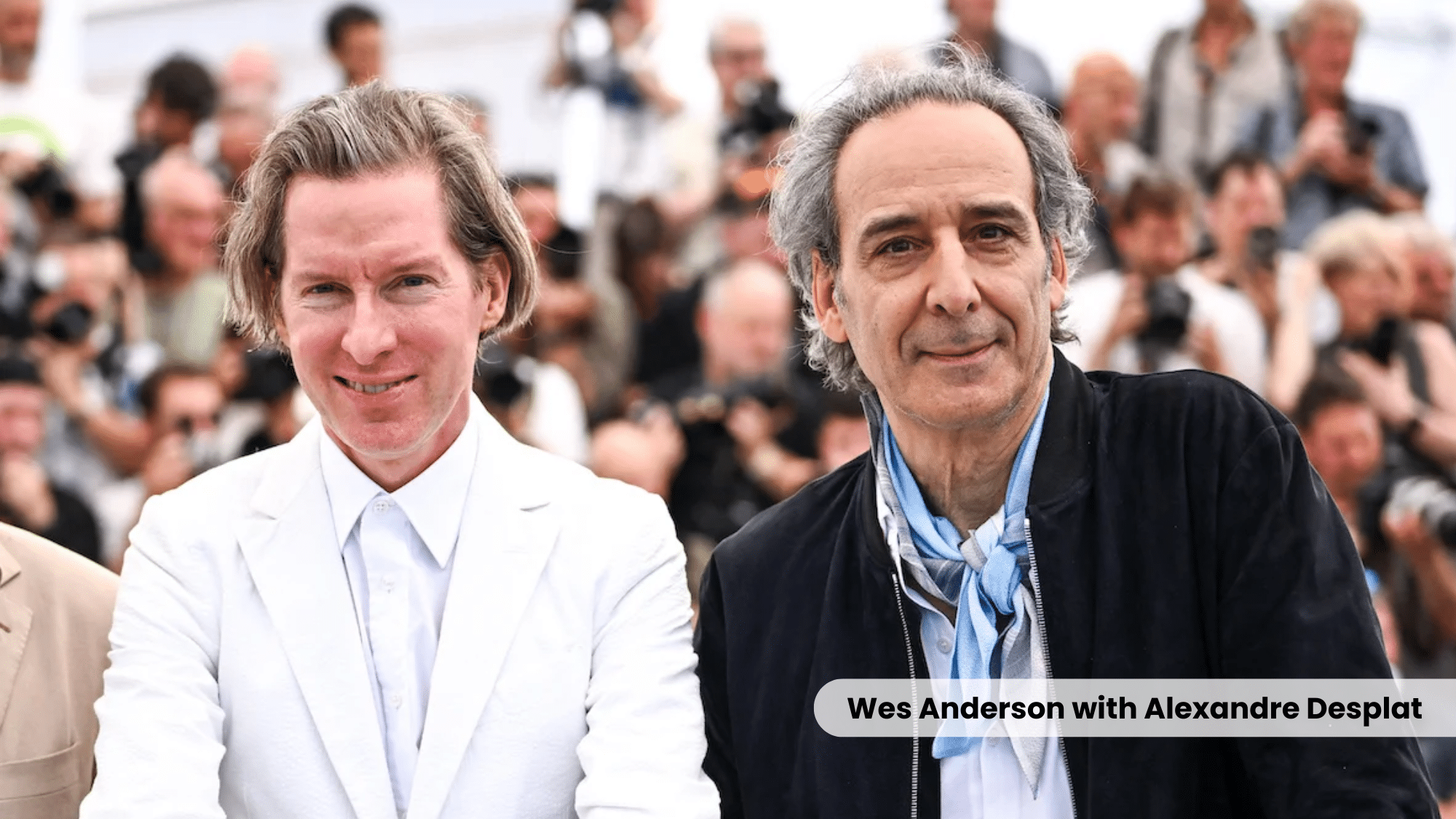
Music plays a big role in setting the tone of Wes Anderson’s films. He often uses retro-inspired tracks and soft vintage tones to match his films’ dreamy visuals.
He also works with composers like Alexandre Desplat and Mark Mothersbaugh, whose original scores add emotion, charm, and rhythm to the storytelling.
The soundtrack feels like another character in his films.
Wes Anderson’s Impact on Design, Media & Fashion
Wes Anderson’s unique style has inspired trends far beyond film. His symmetrical visuals, vintage colors, and storybook settings have made a big impact on design, fashion, and social media.
- The Accidentally Wes Anderson trend showcases real-life places that look like scenes from his movies, shared widely on Instagram and Pinterest.
- This visual trend has led to entire aesthetics modeled after his films across home decor, fashion, and digital design.
- His influence can be seen in advertising, graphic design, and home decor, where brands and creators use his style to catch attention and tell visual stories.
Most Visually Beautiful Wes Anderson Films (Ranked)
Wes Anderson’s films are visually distinct, but these stand out for their exceptional use of color, detail, and symmetry.
| Rank | Film | Brief Description |
|---|---|---|
| 1 | The Grand Budapest Hotel | A pastel-toned, symmetrical masterpiece with detailed sets, vintage style, and a playful, storybook feel throughout the hotel setting. |
| 2 | Fantastic Mr. Fox | Warm-toned stop-motion film with hand-crafted textures, charming characters, and rich autumn colors that bring a woodland world to life. |
| 3 | Asteroid City | Set in a pastel desert town, this film blends retro American visuals with precise staging and a theatrical, painted backdrop look. |
| 4 | The French Dispatch | Visually dense anthology with bold framing, stylized color shifts, and layered set designs mimicking 20th-century France. |
| 5 | Moonrise Kingdom | A tale with bright outdoor scenery, golden hues, and centered compositions that mimic the feel of an illustrated book. |
Tips for Recreating the Wes Anderson Style
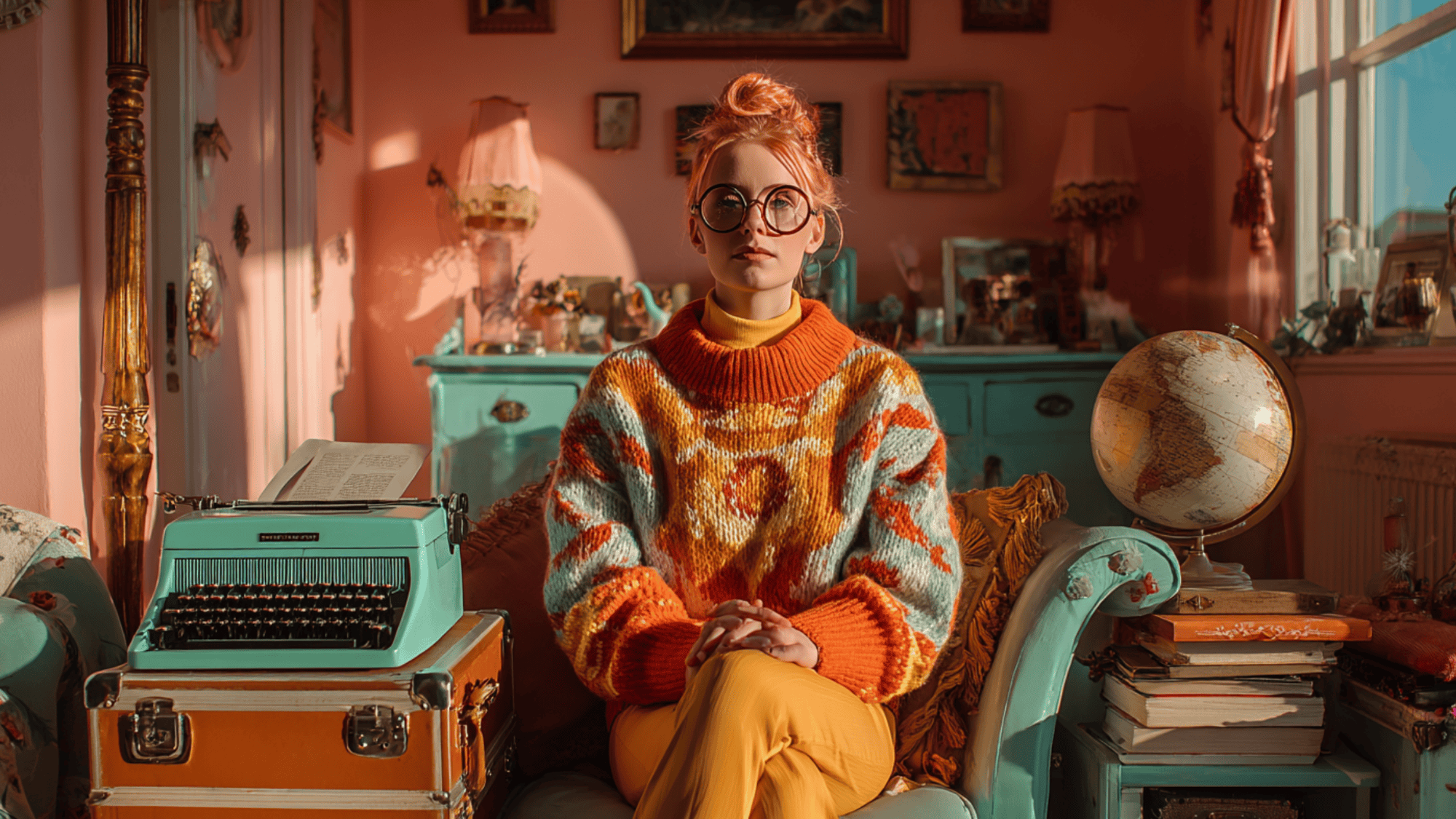
Here is how you can project the charm and visual flair of Wes Anderson’s signature style in your own creative projects:
- Stage a stylized shoot with balanced compositions, vintage-inspired palettes, and mid-century-inspired props.
- Decorate a room with retro furniture, playful art, and coordinated hues for that cinematic feel.
- Dress in era-inspired outfits with bold patterns and matching accessories to mirror his character styling.
- Use color palette generators or editing apps to recreate the soft tones seen in his films.
- Keep every frame or setup clean, balanced, and intentionally designed for that Anderson-like precision.
Final Thoughts
His creative vision remains one of the most easily identifiable in modern cinema, blending artistry with storytelling in a singular way.
From visuals to narrative structure, every element feels deliberate and unique.
If you have not watched his films yet or if it has been a while, it is a great time to check them out again.
You will likely notice new details each time and gain even more appreciation for his one-of-a-kind cinematic world.