

Sport began as a public ritual, not a product. It measured bodies against time, skill against fear, city against city. Today it is also broadcast, branded, and archived—every sprint clipped, every finish debated. The same phone that plays a Champions League highlight will also surface bet apps (Arabic: برامج مراهنات) while a fan searches for schedules and odds, a reminder that modern sport is spectacle, community, and data sharing on a single screen.
Olympia’s dust and the first great crowd
The ancient Olympic Games are traditionally dated to 776 BC and were held at Olympia as part of a religious festival. Winning meant more than a wreath. A champion carried prestige back to his city, and the tale of the contest became civic pride. Even there, you can recognize the modern outline: recurring events, agreed rules, famous names, and the sense that sport is a mirror for identity. Technology has changed the delivery, but not the hunger to witness effort under pressure and retell it as proof of belonging.
Rulebooks and railways
Global sport needed one invention more than any new stadium: standardized rules. In the nineteenth century, popular games were codified, and clubs formed that could travel with shared definitions of what counted as a goal, a foul, and a finish. Administration followed. FIFA’s founding in Paris in 1904 captured the new logic, which suggested one framework, many nations, and competition built on the same definitions. Once rules were portable, rivalries could cross borders without collapsing into arguments about what the game even was.
Rebirth of sports and the rise of celebrities
The modern Olympic Games returned to Athens in 1896, following the creation of the International Olympic Committee in 1894. The symbolism was deliberate: a modern international project borrowing an ancient frame. The Olympics offered a calendar the world could anticipate and a language everyone could learn, comprised of records, medals, ceremonies, and the strange drama of seeing a personal best become a national moment.
Rules made sport comparable, media made it intimate. Radio created live drama at a distance. Television added faces, gestures, and the close-up stare before a decisive moment. Later, satellite and streaming collapsed distance altogether, turning local leagues into global subscriptions.
Basketball shows the pattern clearly. The NBA traces its roots to the Basketball Association of America, founded in 1946, and the league was formed in 1949 through the merger of the BAA and the National Basketball League, later adopting the BAA’s history as its own. With worldwide distribution, a playoff series became a global conversation, fed by replays and the endless forensic work of fans.
Icons with passports
The world demanded new legends, and it got them. Under the scrutinizing gaze of millions, professional athletes transformed the very meaning of human nature, skyrocketing their effectiveness to levels no one can match.
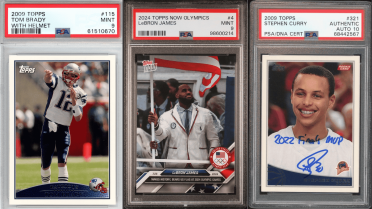
Lionel Messi and Cristiano Ronaldo became reference points because their output could be counted and compared across seasons and competitions. LeBron James became a moving narrative of constant self-development, with each postseason a chapter in the argument for greatness. Serena Williams showed how dominance can become a cultural presence across decades, recognized far beyond tennis. To add that all of them did it with style, making them role models not only for athletes but also for everyone who dreams of becoming greater, stronger, better.
The superstar age also changed the community. Fans don’t merely support teams; they gather around individuals, highlights, and micro-moments, building tribes that can form overnight and last for years.
Betting follows sport
Wagering has orbited competition for as long as people have gathered to watch it. The modern difference is visibility: odds now sit beside injury reports, lineup news, and performance analytics. Many fans use odds as shorthand for public expectations and as another data point in arguments, without treating them as a command to risk money. If you choose to bet, the responsible approach is blunt: set a budget you can afford to lose, avoid chasing losses, and keep the wager secondary to the sport.
In online discussions, Melbet (Arabic: ميلبيت) can appear alongside match previews and schedules because platforms that publish lines are easy to screenshot and share. The healthier communities maintain a clear hierarchy: tactics and effort first, numbers second, money last.
The old spell remains
Sport is moving toward deeper interactivity with the constant use of second-screen stats, live comment threads, instant replays, and a prediction culture that never sleeps. Yet the ancient ingredients remain unchanged, namely, ritual, rivalry, endurance, and the strange joy of watching someone do what you cannot. The next phase won’t replace the old one, it will layer on top of it. Sport survives for a simpler reason: it keeps giving humans a stage where effort becomes meaning.