

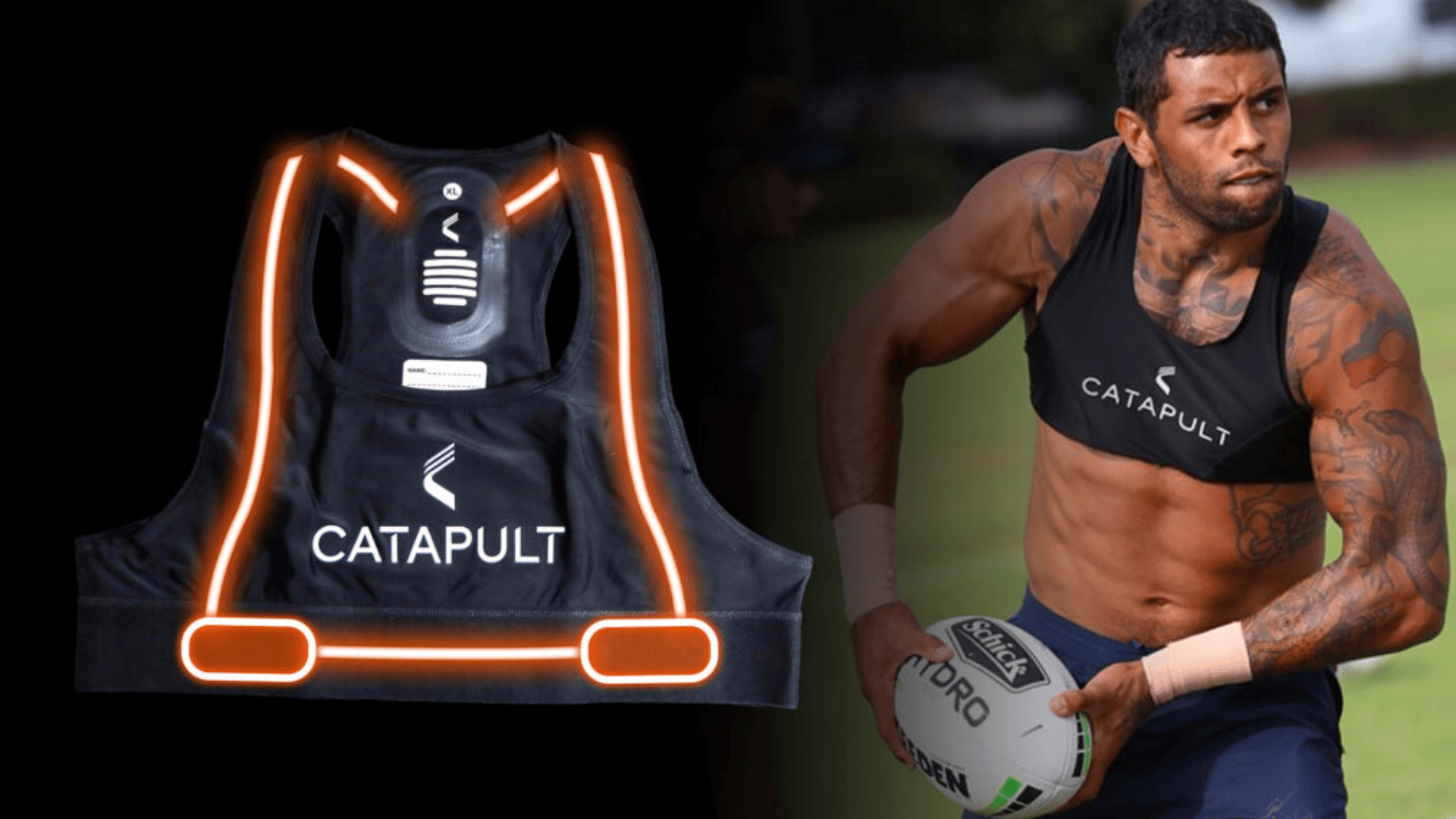

In the NFL, player health is everything. One injury can change the course of a season, or even a career.
That’s why teams now utilize 24/7 player monitoring to keep athletes safe, enhance recovery, and optimize performance. We’ve all seen how injuries affect not just players, but entire fan bases.
Running backs like Javonte Williams face intense scrutiny during recovery, with fans and analysts closely tracking every update about their return to form.
Cases like Javonte Williams’s injuryshow exactly why continuous monitoring and advanced medical care have become essential in today’s NFL.
Why Continuous Monitoring Matters
Football is one of the most demanding sports in the world. Players push their bodies through speed, power, and high-contact collisions every game and practice.
Without proper monitoring, small issues can quickly turn into serious injuries.
By tracking metrics such as heart rate, hydration, muscle fatigue, and recovery, coaches and trainers can act before problems escalate.
It’s not just about preventing injuries; constant monitoring also helps athletes stay in peak condition all season long.
The Technology Behind 24/7 Monitoring
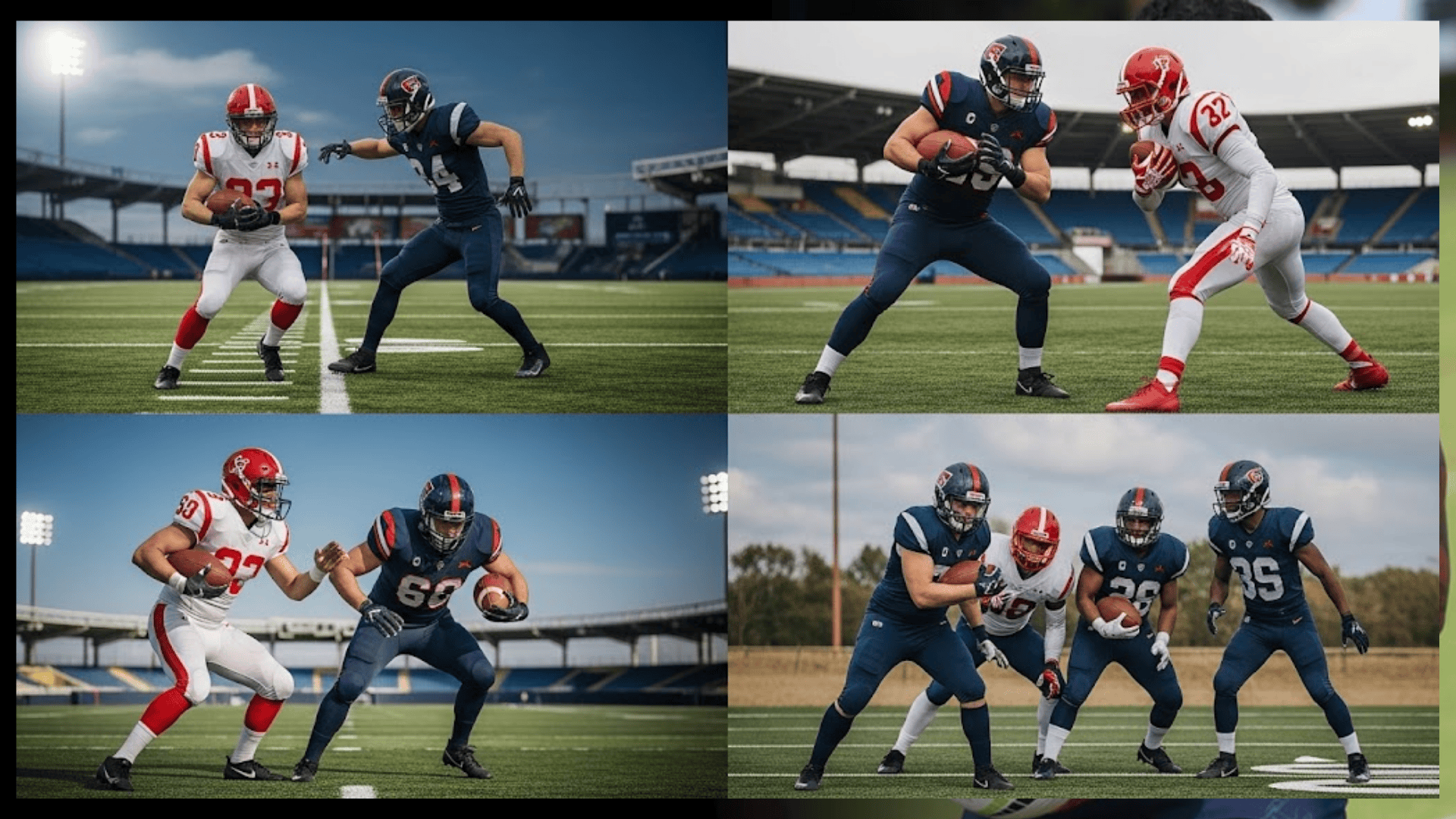
Football today goes beyond strength and skill. NFL teams use advanced tools to track movement, impacts, and health, giving staff real-time insights that protect players.
1. Wearable Sensors
NFL players wear GPS trackers, accelerometers, and heart rate monitors in practice and sometimes during games.
These devices measure speed, acceleration, workload, and even stress levels. Trainers use this data to adjust training and keep players fresh.
2. Impact-Detecting Mouthguards
Some teams use mouthguards with built-in sensors to measure the force and location of hits.
If an impact is too severe, the system alerts medical staff, speeding up concussion checks and treatment.
3. Next Gen Stats & RFID Tracking
The league also uses RFID chips in shoulder pads to track player movement in real time. This is the backbone of Next Gen Stats, the data fans see on broadcasts.
Beyond entertainment, the same information helps teams monitor workload, physical strain, and overall player health.
4. Safer Helmets and Guardian Caps
Helmets are now built with better designs to absorb impact. The Guardian Cap, a padded shell that fits over helmets, was once limited to practices.
In 2024, the NFL approved its use in games, a major step toward reducing head injuries.
Data, AI, and Machine Learning
Collecting data is one thing, making sense of it is another. That’s where artificial intelligence (AI) and machine learning come in.
-
Impact Analysis: AI systems combine video and sensor data to detect helmet collisions, speeding up concussion reviews.
-
Injury Prediction: By analyzing thousands of data points, AI can predict when a player is at a higher risk of injury. Models can even help distinguish between an ACL tear and a sprain, guiding faster and more accurate treatment decisions.
-
Recovery Tracking: Analytics track sleep, recovery, and muscle response to ensure players return at the right time.
This isn’t futuristic; it’s already happening across the league.
From Practice Fields to Game Day
These technologies aren’t just for show. Teams rely on them daily. If a player’s metrics look unusual, the staff may reduce training or pull them out for rest.
If an impact crosses safe limits, medical checks happen instantly.
Decisions about rest, practice intensity, and game readiness are now based on solid data, not just instincts.
Challenges Ahead
Of course, nothing is perfect. There are hurdles to overcome:
- Privacy Concerns: Players may not want their health tracked around the clock.
- Data Accuracy: Sensors can give false readings or miss subtle issues.
- Cost: Advanced tech isn’t cheap, especially for smaller programs.
- Trust and Buy-In: Players need to believe monitoring is for their benefit, not just team advantage.
The league must balance these challenges with the clear safety benefits.
The Results So Far
The NFL has already seen positive outcomes. In 2024, the league reported its lowest concussion numbers in history.
That’s no accident; better helmets, smarter training loads, and continuous monitoring all played a role.
Emerging tools are also showing promise. For example, physics-based machine learning models using mouthguard data reached over 90% accuracy in detecting dangerous impacts.
Innovations like these point to an even safer future for players.
A New Time of Player Care
The NFL is entering a new era where data and health science are as important as training and strength.
24/7 player monitoring is reducing injuries, improving recovery times, and helping athletes extend their careers.
Thanks to advanced technology and smarter decisions, football is becoming safer without losing its edge. For players, this means longer, healthier careers.
For fans, it means seeing their favorite stars stay on the field, right where they belong.
Want more on how tech is upgrading the NFL? Subscribe now for updates on player safety, performance, and innovation.













One Response
Are there teams using real-time monitoring and alerting on severe head impacts? That would be alerting immediately after a play / impact.