



Imagine walking into your closet and feeling completely confident about every piece hanging there.
Most men open their wardrobe doors and feel overwhelmed, staring at clothes that don’t reflect who they are or where they’re going.
The truth is, style isn’t about following rigid rules or buying expensive items. It’s about understanding which different styles for men align with your personality, lifestyle, and goals.
Today’s fashion landscape offers more freedom than ever before, from classic business wear to street-inspired looks that break traditional boundaries.
This comprehensive guide breaks down the essential men’s fashion styles, shows you what’s trending, and provides practical tools to build a wardrobe that makes you feel like your best self every day.
The Story of Men’s Style Through Time
Men’s clothing has long reflected society’s evolving values and lifestyle shifts. Each generation brought new influences that shaped how men chose to present themselves to the world.
The late 1800s and early 1900s established the modern suit as a foundation of men’s wardrobes.
Military influences from both World Wars introduced practical fabrics and function-focused designs that prioritized durability and movement.
The 1920s through the 1940s saw Hollywood glamour merge with everyday wear, making fitted suits symbols of success and social status.
The 1990s and 2000s marked a significant shift toward casual wear. Grunge music, relaxed fits, and minimalist approaches dominated fashion choices.
Designer streetwear emerged as a legitimate style category, challenging traditional dress codes.
The 2010s and 2020s brought balance, as streetwear merged with luxury fashion, while sustainability and gender-neutral styling entered the mainstream consciousness.
Different Clothing Styles for Men and Core Pieces
Today’s style landscape combines proven staples with fresh approaches, offering something for every personality and lifestyle preference.
Understanding both the foundational pieces and styling methods helps you build a flexible wardrobe.
1. Classic Style
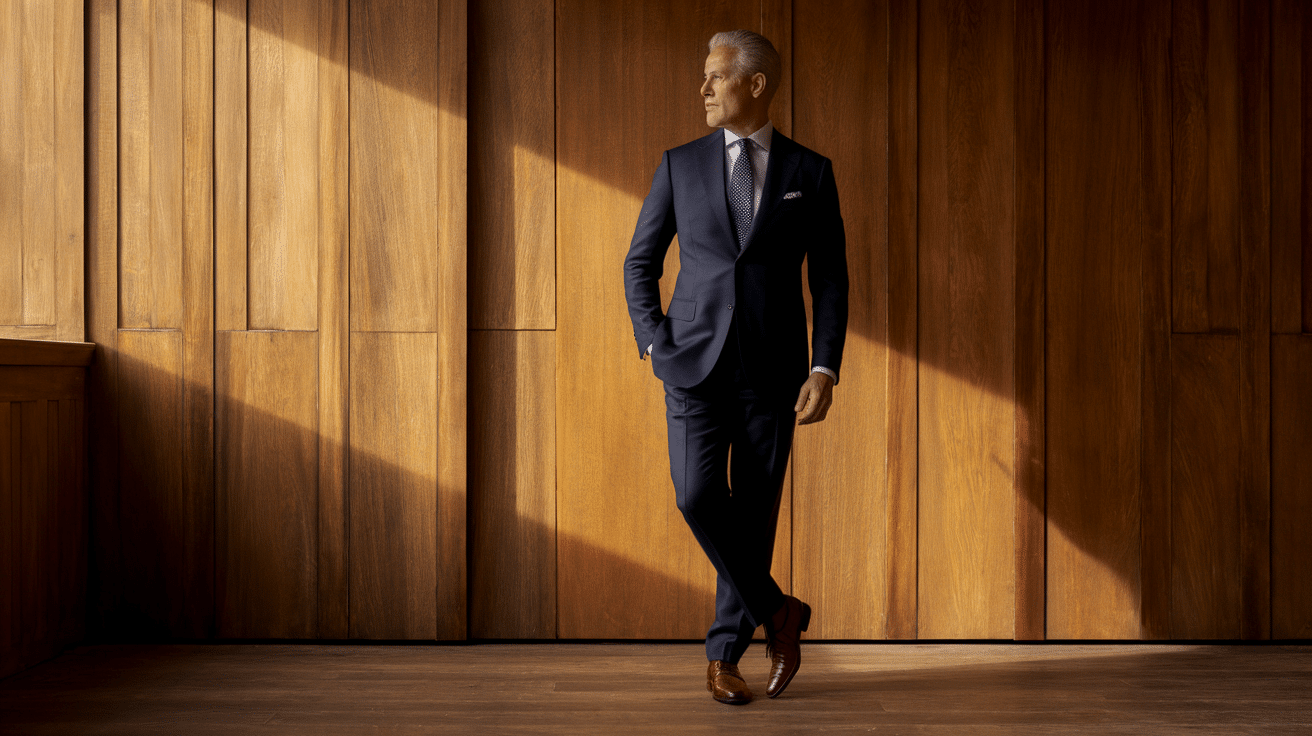
Emphasizes fitted suits, crisp shirts, and neutral color palettes for polished urbanity. This approach remains classic and suits professional environments, formal occasions, and men who prefer understated confidence.
The focus is on high-quality fabrics, a proper fit, and traditional color schemes that convey reliability and competence.
|
Core pieces: Navy or grey suits, white Oxford shirts, leather dress shoes (such as oxfords or brogues), silk ties, leather belts, and classic watches. Example: Business Professional Look – Navy wool suit with white dress shirt, silk tie, leather oxford shoes, and a simple watch. Perfect for business meetings, weddings, or upscale dining. |
2. Streetwear Style
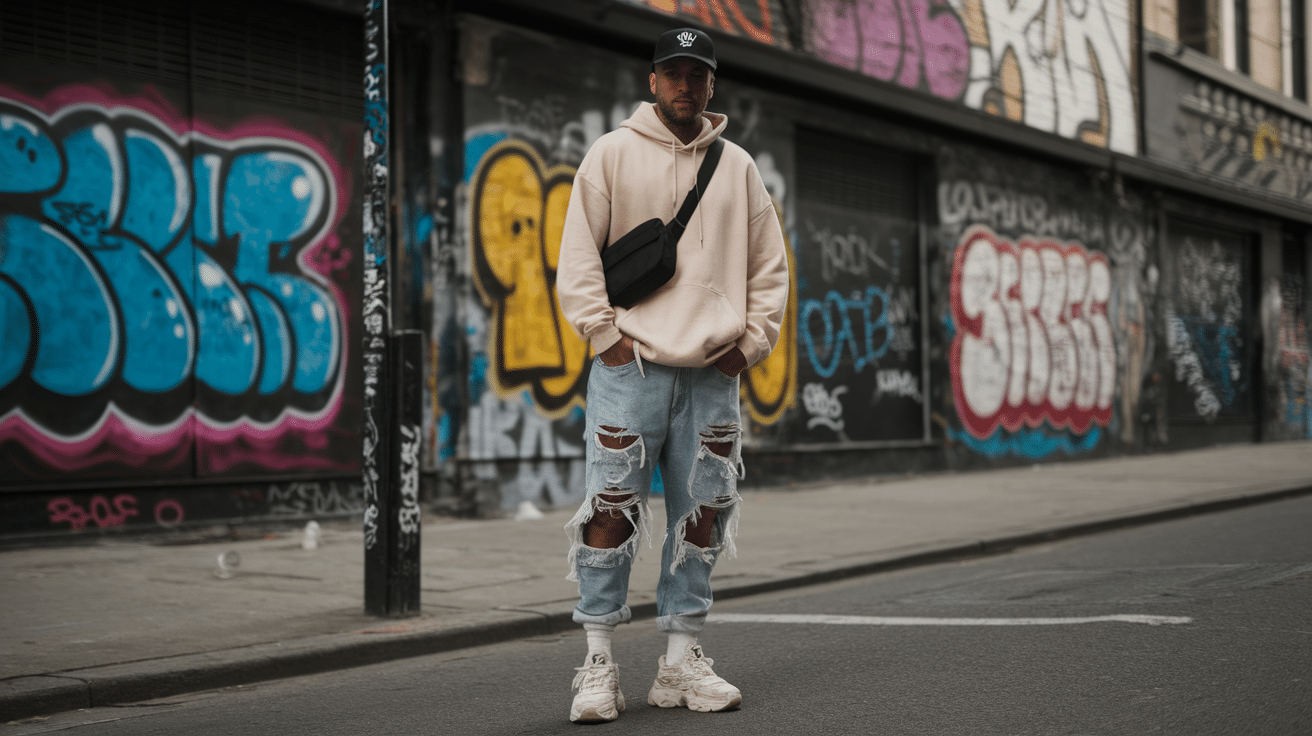
Combines graphic t-shirts, hoodies, sneakers, and caps for comfortable yet trendy looks. This style prioritizes self-expression and cultural relevance over traditional dress codes.
It draws inspiration from hip-hop culture, skateboarding, and urban youth movements while welcoming bold graphics and relaxed fits.
|
Core pieces: Oversized hoodies, graphic t-shirts, distressed jeans, chunky sneakers, baseball caps, crossbody bags. Example: Urban Casual Outfit – Oversized graphic hoodie, distressed jeans, chunky sneakers, baseball cap, and a crossbody bag. Ideal for casual outings, concerts, or creative work environments. |
3. Smart Casual Style
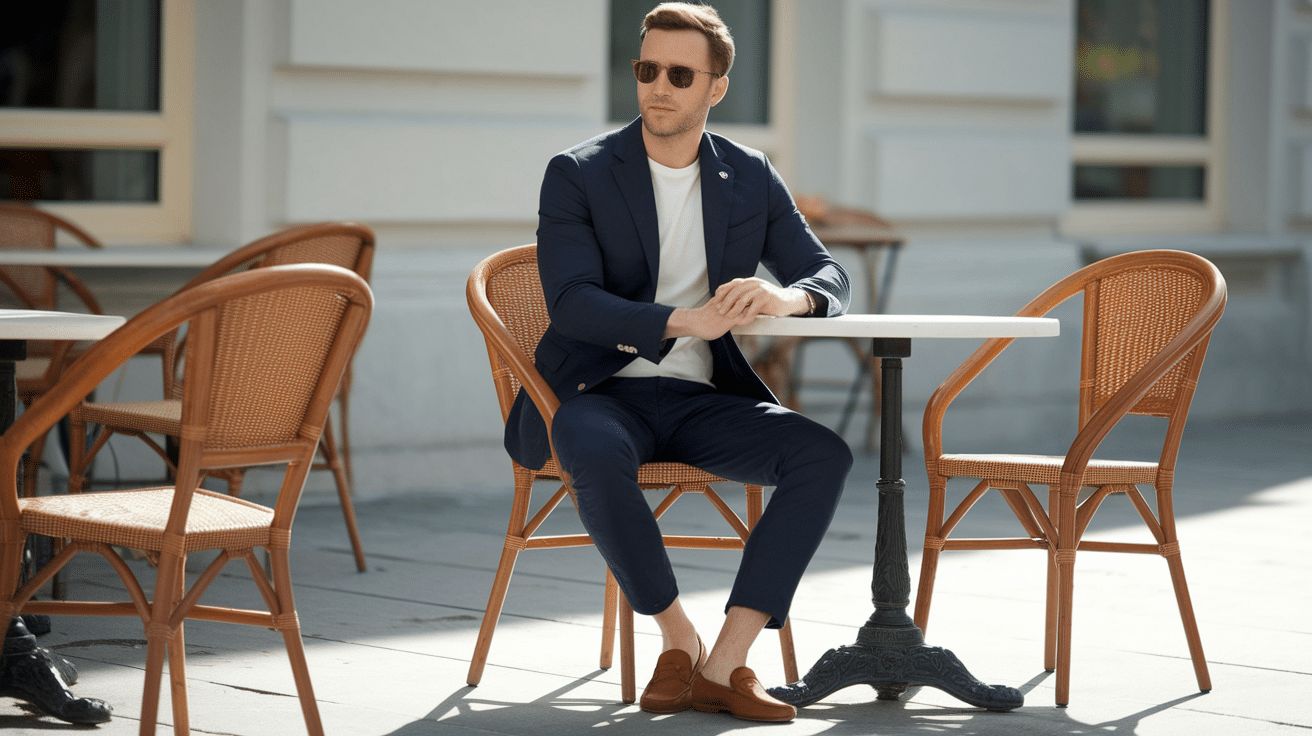
Blends formal elements with relaxed pieces to create flexible looks that work in multiple settings. This approach allows you to look polished without being overly formal.
It’s perfect for modern workplaces, social events, and dates where you want to appear put-together but approachable.
|
Core pieces: Blazers, chinos, polo shirts, loafers, crew-neck sweaters, casual watches, leather jackets. Example: Flexible Weekend Look – Navy blazer over white t-shirt, dark chinos, brown leather loafers, and a casual watch. Works for dinner dates, casual Fridays, or networking events. |
4. Utility Style
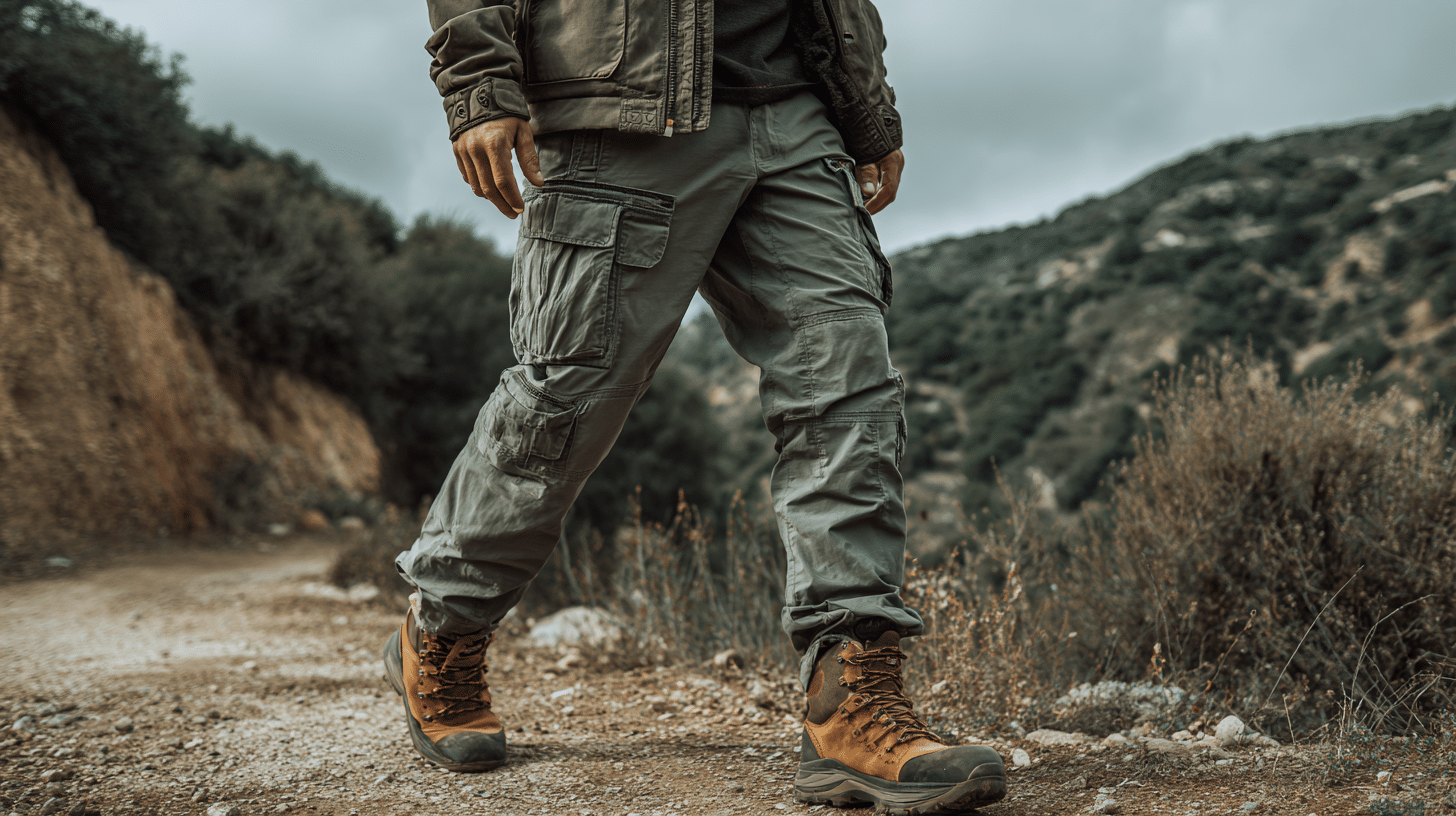
Draws inspiration from military and workwear with cargo pants, structured jackets, and sturdy boots.
Function meets fashion in this practical approach, which emphasizes durability and features like multiple pockets and weather resistance. This style appeals to men who value practicality without sacrificing visual appeal.
|
Core pieces: Cargo pants, field jackets, work boots, tactical shirts, canvas outerwear, utility accessories. Example: Outdoor-Ready Outfit – Olive cargo pants, black tactical shirt, brown work boots, and a canvas field jacket. Perfect for outdoor activities, casual weekends, or hands-on work environments. |
5. Statement Style
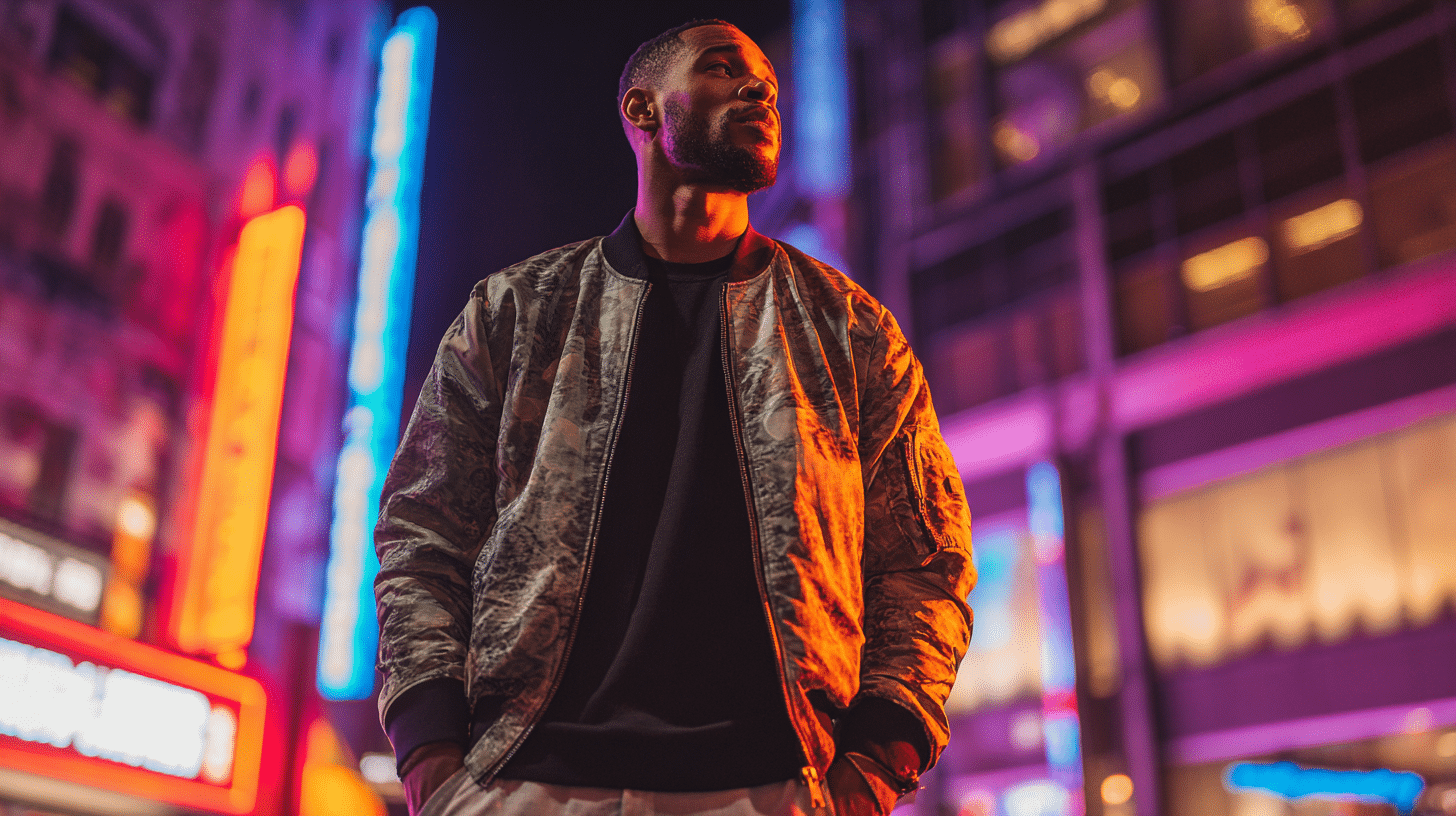
Utilizes oversized outerwear, bold patterns, or standout footwear to create a lasting impression. This approach suits confident personalities who enjoy standing out and aren’t afraid to take fashion risks.
The key is balancing one bold element with more subdued pieces to avoid an overdone look.
|
Core pieces: Bold patterned shirts, oversized coats, statement sneakers, bright bomber jackets, and unique accessories. Example: Bold Evening Look – A bright-colored bomber jacket paired with a plain black t-shirt, slim black jeans, and minimalist white sneakers. Great for parties, creative industries, or when you want to make a strong first impression. |
6. Minimalist Style
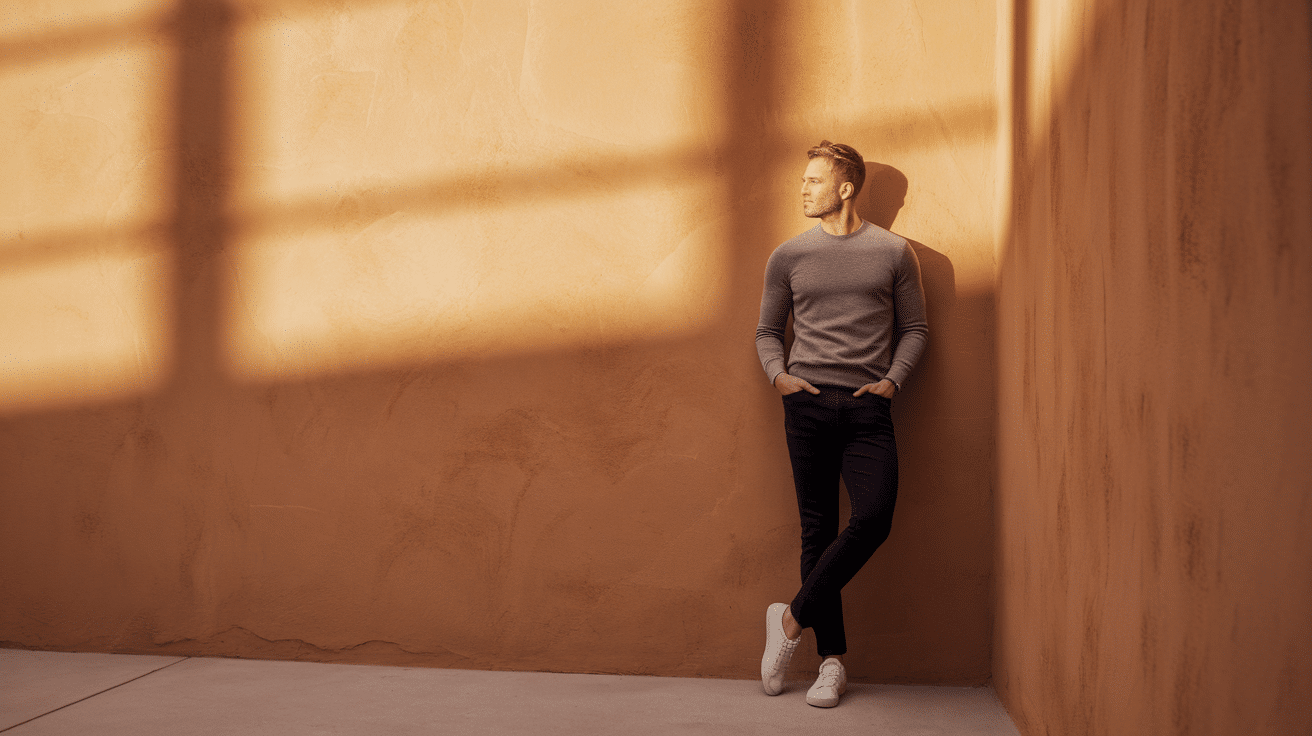
Focuses on clean lines, neutral colors, and high-quality basics, avoiding unnecessary details and embellishments. This approach emphasizes simplicity and functionality while maintaining a graceful appearance.
It works well for men who prefer understated looks and want a wardrobe that’s easy to mix and match.
|
Core pieces: Plain t-shirts, simple knitwear, clean-cut jeans, minimal sneakers, unstructured blazers, simple accessories. Example: Clean Everyday Look – Grey crew-neck sweater, black slim jeans, white leather sneakers, and a simple black watch. Perfect for casual meetings, coffee dates, or relaxed social gatherings. |
7. Preppy Style
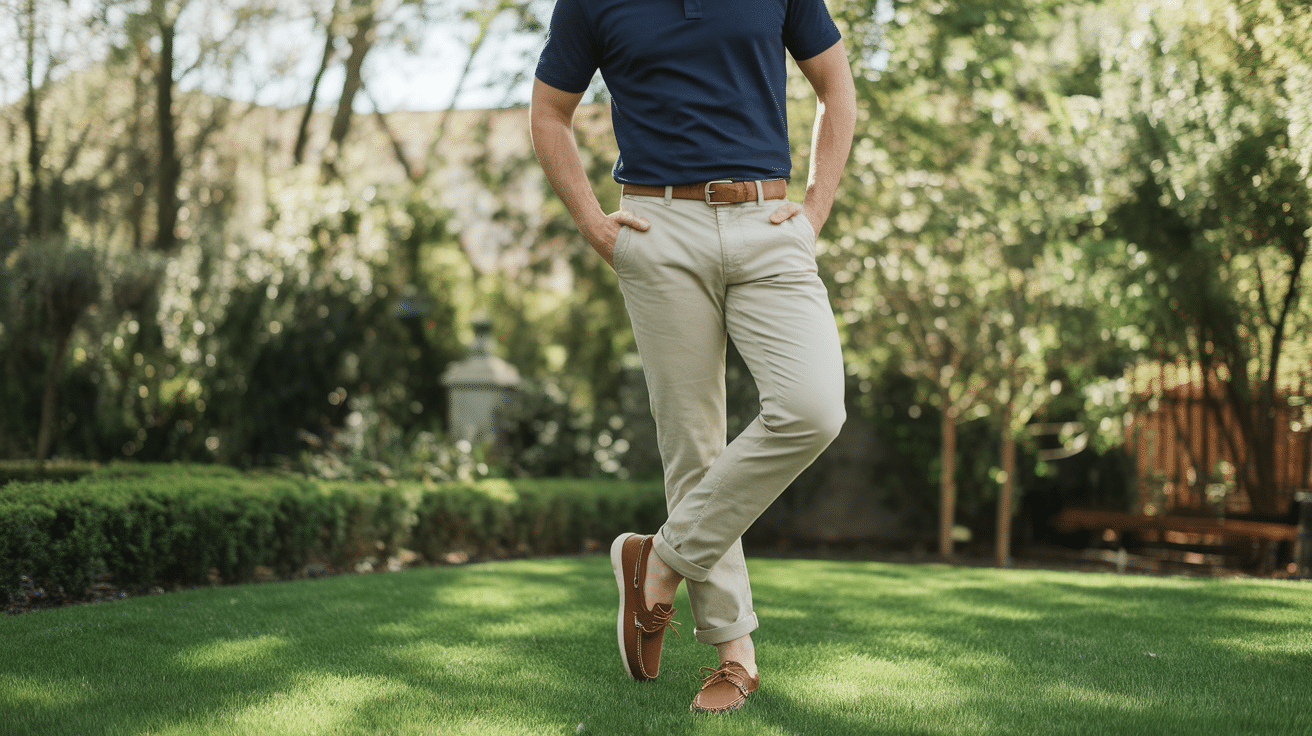
Draws from Ivy League traditions with polished casual pieces that suggest education and social status. This style combines comfort with refinement through classic American sportswear influences.
It works well for men who appreciate traditional quality and want to project successful, approachable confidence.
|
Core pieces: Polo shirts, khaki chinos, blazers, boat shoes, cable-knit sweaters, leather loafers, canvas belts. Example: Country Club Look – Navy polo shirt, khaki chinos, brown leather boat shoes, and a canvas belt. Ideal for golf outings, casual business events, or weekend social activities. |
8. Bohemian Style
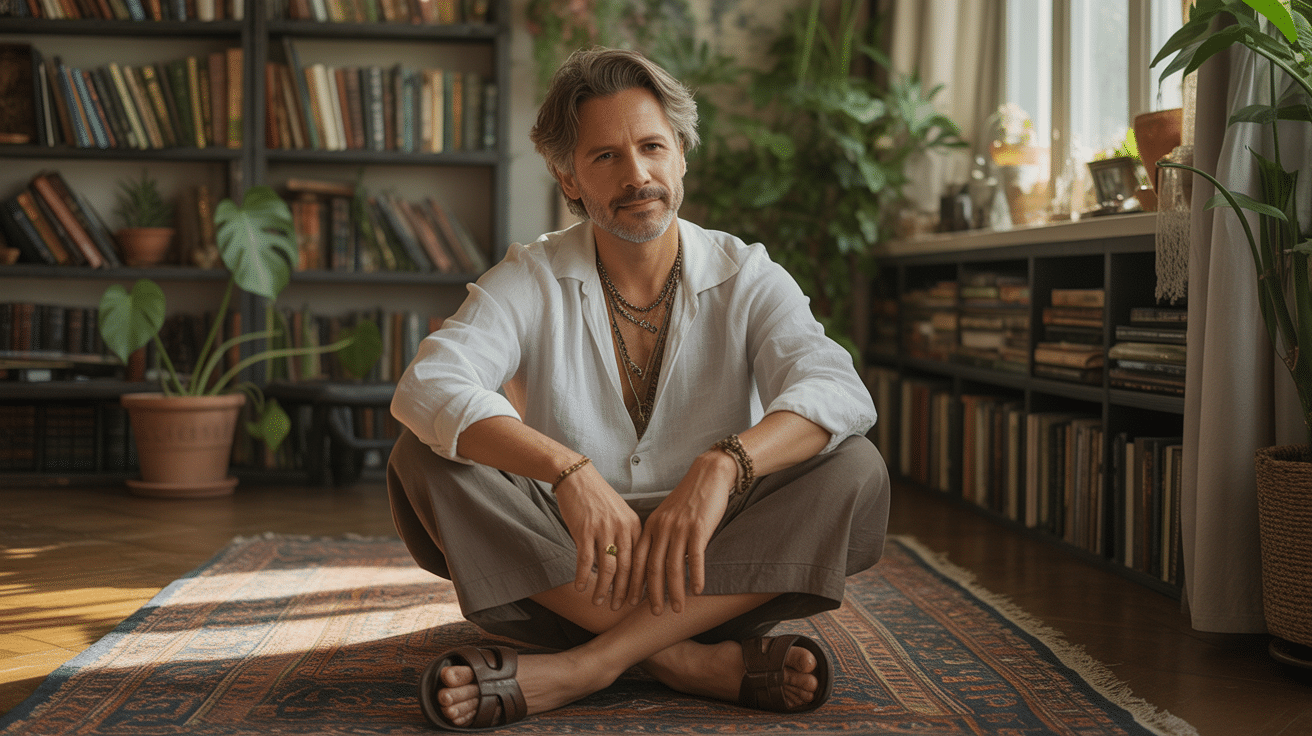
Welcomes creative expression through flowing fabrics, unique patterns, and artistic influences. This style prioritizes comfort and individuality over conventional fashion rules.
It appeals to men in creative fields or those who want to express their artistic personality through clothing choices.
|
Core pieces: Linen shirts, loose-fitting pants, layered accessories, patterned scarves, leather sandals, and vintage pieces. Example: Creative Professional Look – White linen shirt, brown loose-fit trousers, leather sandals, and layered necklaces. Great for art galleries, creative workshops, or bohemian social events. |
9. Athletic Style
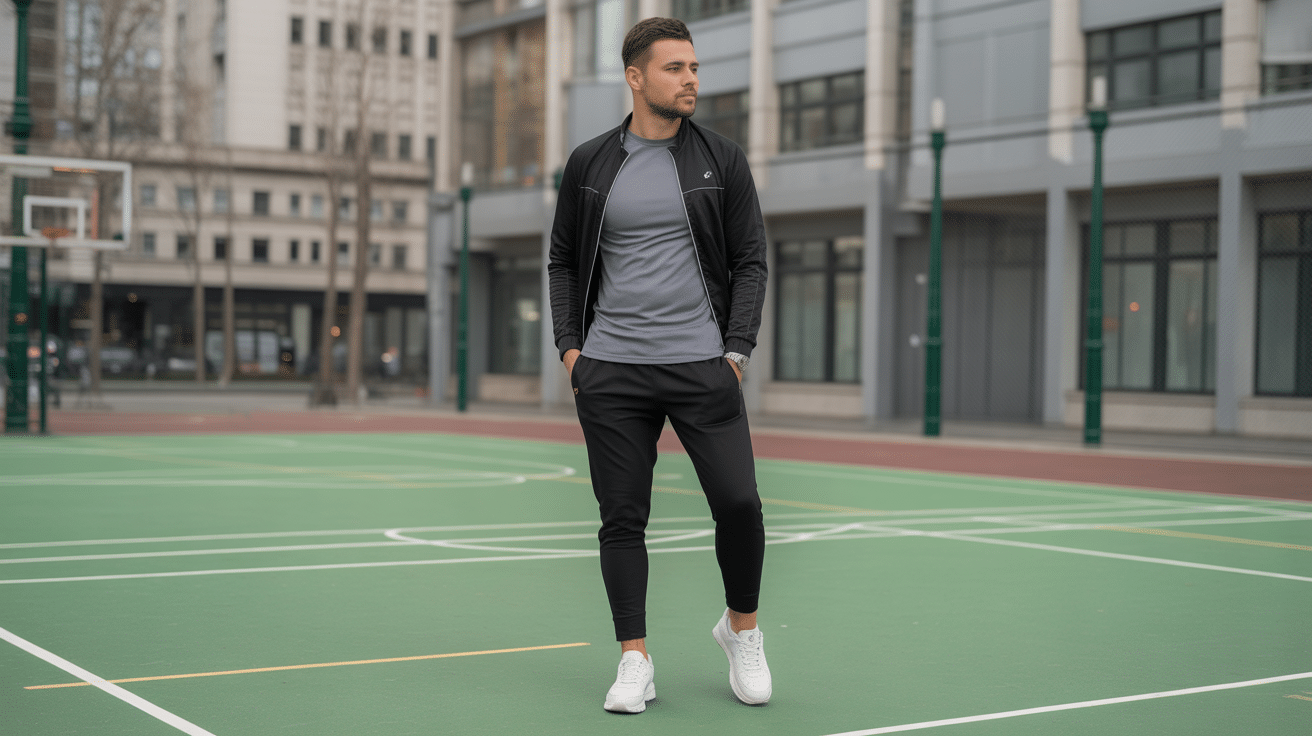
Combines performance wear with everyday casual pieces for active lifestyles. This approach prioritizes comfort and functionality while maintaining a put-together appearance.
It works well for men who lead active lives and want clothing that transitions effortlessly from gym to street.
|
Core pieces: Athletic joggers, performance t-shirts, track jackets, athletic sneakers, moisture-wicking fabrics, sporty accessories. Example: Active Lifestyle Look – Black joggers, grey performance t-shirt, navy track jacket, and clean white athletic sneakers. Perfect for gym sessions, casual errands, or active weekend plans. |
10. Vintage Style
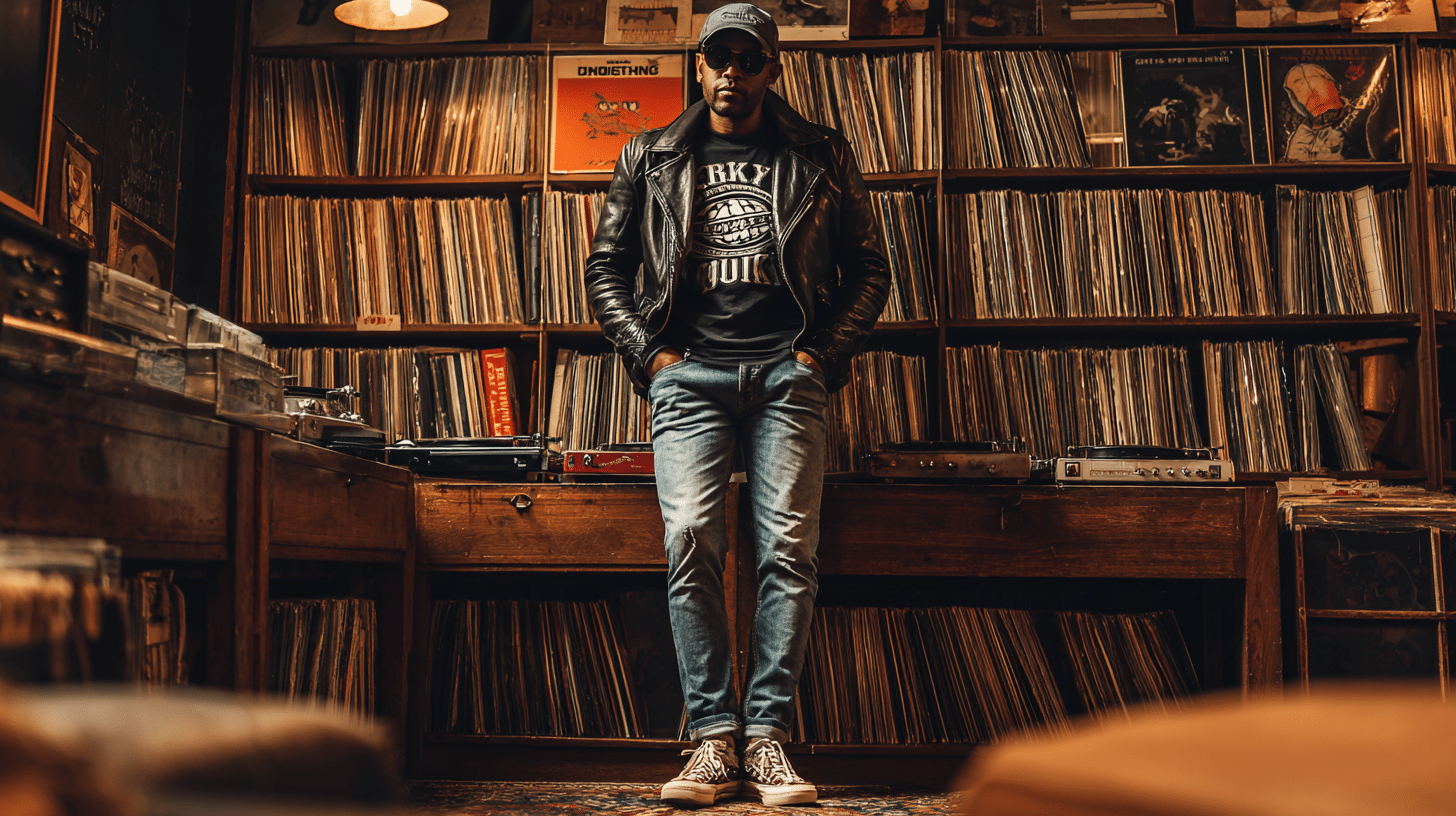
Draws inspiration from past decades, incorporating retro elements and classic silhouettes into modern wardrobes. This style allows men to express appreciation for fashion history while creating unique looks. It works well for those who enjoy hunting for unique pieces and want to stand out from contemporary trends.
|
Core pieces: Vintage denim, retro band t-shirts, classic sneakers, vintage outerwear, heritage accessories, nostalgic patterns. Example: Retro-Inspired Look Vintage band t-shirt, classic straight-leg jeans, retro sneakers, and a vintage leather jacket. Ideal for music events, creative gatherings, or casual social occasions. |
Fresh trends gaining momentum:
- Oversized coats and structured outerwear pieces
- Pastel and neutral color schemes for warmer months
- Plaid and check patterns in shirts and accessories
- Shorter inseam shorts paired with structured tops
- Chunky, retro-influenced sneaker designs
- Crossbody bags and functional sling packs
- Creative layering that mixes different textures and lengths
Ways to Try Different Clothing Styles for Men
Stepping outside your comfort zone refreshes your wardrobe and helps you find new ways to express yourself. Start with small changes rather than undertaking a complete wardrobe overhaul.
Mix familiar pieces with fresh elements. Pair your go-to dark jeans and white shirt with a pastel overshirt or statement sneakers.
Experiment with layering by combining t-shirts, button-downs, knitwear, and jackets in new and creative combinations.
Pay attention to fit – the same outfit can look completely different in slim versus relaxed cuts.
Choose your color palette thoughtfully, using neutral basics as a foundation while adding personality through accent colors and interesting patterns.
Style Ideas for Different Personality Types
Different lifestyles require different approaches to dressing. These examples demonstrate how to tailor core principles to meet your daily needs and personal preferences.
- The Minimalist prefers clean lines and neutral tones. Well-fitted t-shirts, slim chinos, white sneakers, and simple leather accessories create effortless coordination across all pieces.
- Professionals need polished looks for work environments. Navy suits, crisp Oxford shirts, leather dress shoes, and subtle accessories create authority and competence in business settings.
- The Creative enjoys expressing personality through clothing choices. Patterned shirts, cropped trousers, interesting textures, and unique accessories reflect artistic sensibility and individual taste.
- The Urban Explorer values comfort and practicality above all else. Oversized hoodies, joggers, chunky sneakers, and functional accessories suit active city life and daily movement.
- The Athletic effortlessly blends performance with style. Fitted polos, structured joggers, lightweight bombers, and clean training shoes are perfect for effortless transitions from the gym to the street throughout busy days.
Innovative Approaches to Refreshing Your Wardrobe
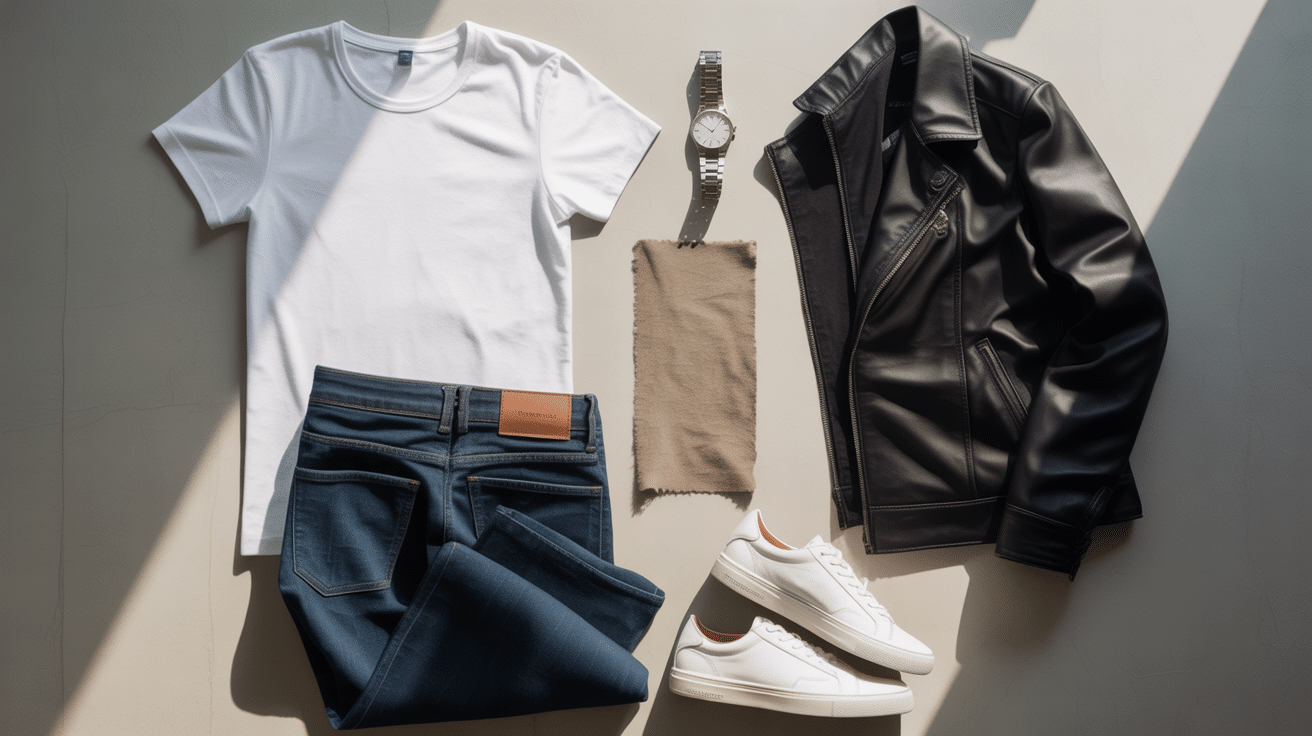
Building a better wardrobe doesn’t require starting from scratch or spending vast amounts of money. Strategic additions and thoughtful curation make the most significant difference over time.
Begin with flexible basics that work across multiple outfits and seasons.
Invest in quality t-shirts, well-fitted jeans, and a reliable jacket. These pieces form the foundation for experimenting with trends and developing personal style.
Add statement pieces gradually throughout the year. Choose one or two bold items per season that reflect your personality without overwhelming your existing clothes.
Focus on sustainability by selecting high-quality fabrics from responsible brands that will last for years to come.
Curate with intention rather than impulse buying. Let your wardrobe reflect who you are rather than just following every trend that appears in magazines or social media.
Building Your Personal Style Foundation
Men’s fashion has evolved from restrictive rules into a flexible playground of personal expression and practical choices.
Understanding different styles for men, from classic business attire to contemporary streetwear, gives you the tools to build a wardrobe that suits your unique lifestyle.
The best approach combines proven staples with carefully chosen trends that reflect your personality and goals. Fashion should feel natural, not forced or uncomfortable.
Start with pieces that make you feel confident, then gradually expand into new territory as your style develops.
Remember that style is deeply personal – what matters most is that your clothes make you feel like the authentic version of yourself.
Use these ideas as starting points and adapt them to fit your life perfectly!






One Response
Can I get some one to set up my business dressing pattern