
Facial hair is normal. Men, women, teens, and older adults all have it.
The real problem starts when you try to remove it and end up with redness, stinging, razor burn, or little bumps that stick around for days. Suddenly the “quick tidy up” turns into hiding your face in photos.
This guide shows you simple ways to remove facial hair while keeping your skin calm and healthy. The tips pull from what works well in 2025, from quick at-home tricks to longer-lasting treatments.
Use it like a menu. Pick what fits your skin, your hair, and your comfort level. If you’re comparing long-term options, such as laser hair removal vs electrolysis, this guide also explains how each method affects sensitive skin so you can choose the gentlest approach.
Why Facial Hair Removal Irritates Your Skin (And How To Prevent It)
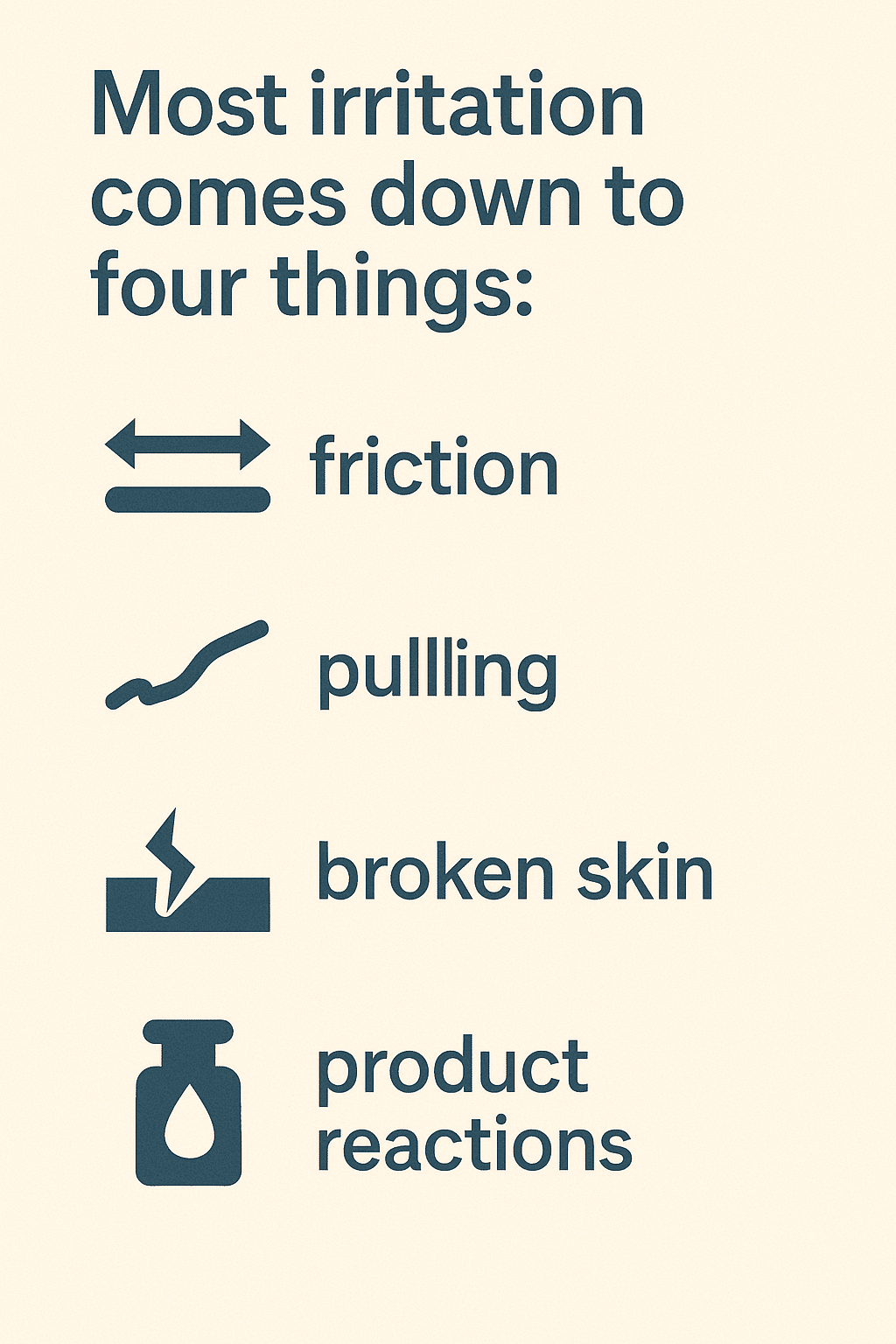
Shaving scrapes the surface, waxing and threading pull from the root, strong creams and peels weaken the skin barrier. Put them together and your face starts to complain.
You lower the risk when you soften hair, use clean tools, skip harsh scrubs around hair-removal days, and keep fragrance low. A simple skincare routine that focuses on gentle prep and calm aftercare matters more than the method itself.
Common signs your skin is irritated, not just sensitive
Irritated skin usually looks and feels “angry.”
You may see bright redness, hot or burning patches, tiny red bumps, or white-tipped bumps around hair follicles. Ingrown hairs feel like sore little knots under the surface. Folliculitis looks like a mini rash of pimples in shaved or waxed areas.
Everyday habits that make facial hair removal feel harsher
Dry shaving, old or rusty razors, dirty tweezers, skipping patch tests, or scrubbing right before or after hair removal all push your skin too far. Not moisturizing finishes the job and leaves skin tight and rough.
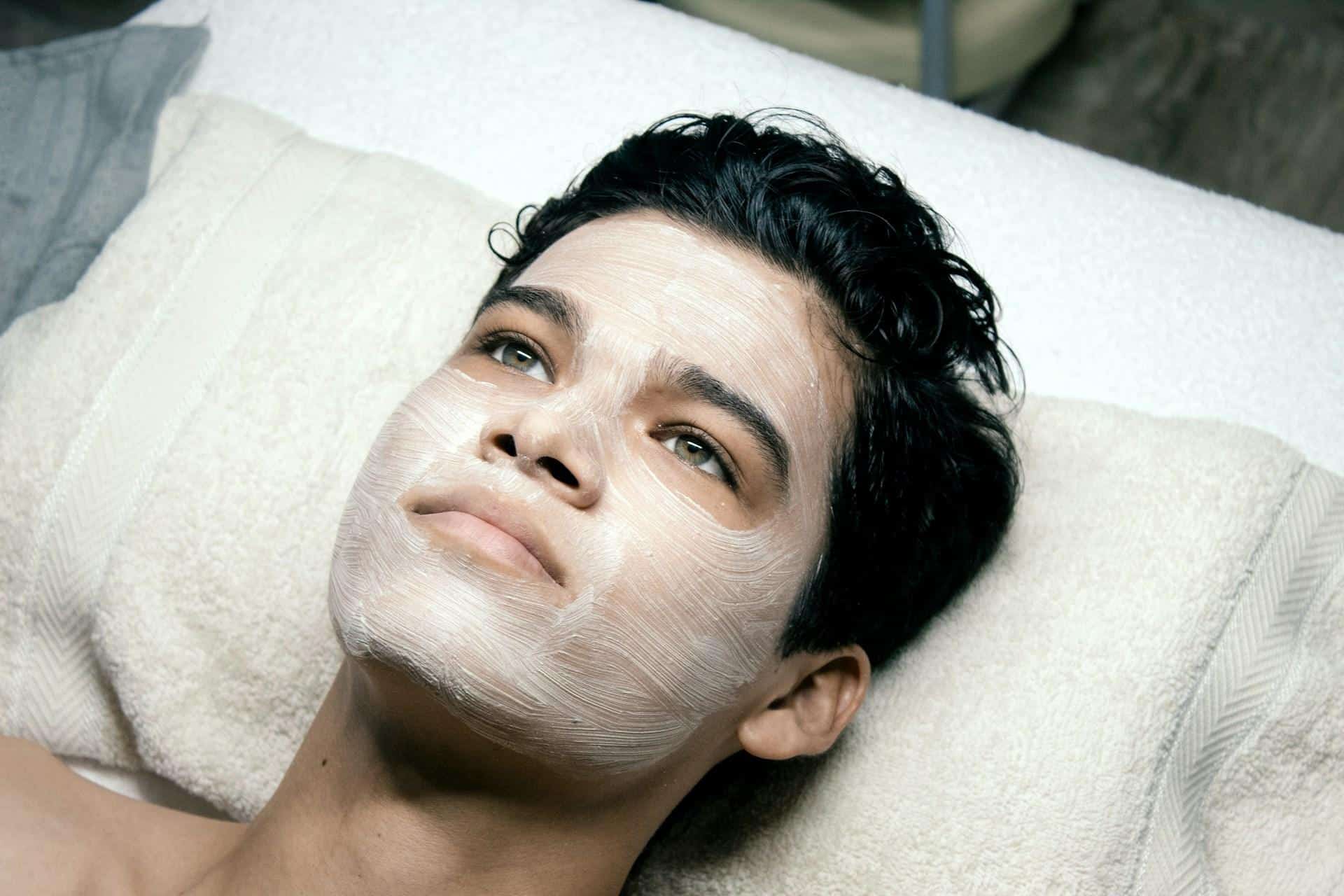
Quick reset: clean your face, use a gentle, low-foam cleanser, then remove hair. Afterward, apply a light, fragrance-free moisturizer and avoid direct sun or hot workouts for a few hours after hair removal, especially activities like demanding sports that make you sweat and rub the skin.
Gentle At-Home Ways To Remove Facial Hair Without Redness
You can get smooth skin at home if you slow down a little and treat your face like sensitive fabric, not a kitchen counter.
Shaving and dermaplaning: smooth results with less razor burn
Face shaving does not make hair grow back thicker. It only blunts the tip.
For a calm shave: cleanse with warm water, apply a creamy gel, then use a clean, sharp razor. Shave in the direction your hair grows with soft, short strokes. Rinse with cool water and finish with aloe or a light, fragrance-free lotion.
Dermaplaning tools remove peach fuzz and dead skin at the same time. Use them on dry, clean skin, hold the blade at a slight angle, and avoid areas with active acne.
Threading and tweezing: precise hair removal for small areas
Threading and tweezing suit brows, upper lip, and random chin hairs. They give clean lines but pull from the root, so short-term redness is common.
Hair removal creams and gentle waxing: when to use them (and when to skip)
Depilatory creams dissolve hair at the surface. Modern “sensitive skin” formulas are softer, but they still need care. Always patch test a day before, follow the time on the box, avoid broken or sunburned skin, and rinse very well.
Soft or low-temperature wax can work for stronger facial hair, like the chin or sideburns. If you have very sensitive or acne-prone skin, use a tiny test spot first. Stay away from retinoids right before waxing and apply a soothing cream afterward.
Long-Term Options: Laser Hair Removal vs Electrolysis For Sensitive Skin
The global hair removal market was valued at USD 3.92 billion in 2025 and is projected to grow at 8.8% annually through 2033.
Hence, more and more modern approaches to hair removal are becoming available.
If you want less daily upkeep, laser and electrolysis give longer relief, as long as you pair them with smart aftercare.
How laser hair removal works and who it is best for
After five treatments, laser resulted in 77% hair reduction while electrolysis achieved 55% reduction.
Laser and IPL target the pigment in the hair to slow and reduce growth. Newer devices in 2025 are safer for more skin tones, but they still work best on darker hair.
The Truth of Laser Hair Removal: Who it’s for & NOT for? Best Results? | Dr. Shereene Idriss
Treatments cover larger areas quickly and need a series of sessions for good reduction. Pick a trained provider, avoid sun before and after, pause strong acids and retinoids for a few days, and use gentle moisturizer plus SPF.
How electrolysis compares: truly permanent but more sessions
Electrolysis treats one follicle at a time with a fine needle and a small electric current. It works on all hair colors, even blond and gray, and is the only method classed as fully permanent.
Sessions can sting, and you need many visits, but pigment changes are rare with a skilled tech. It shines on small zones like the upper lip, chin, and scattered stubborn hairs.